

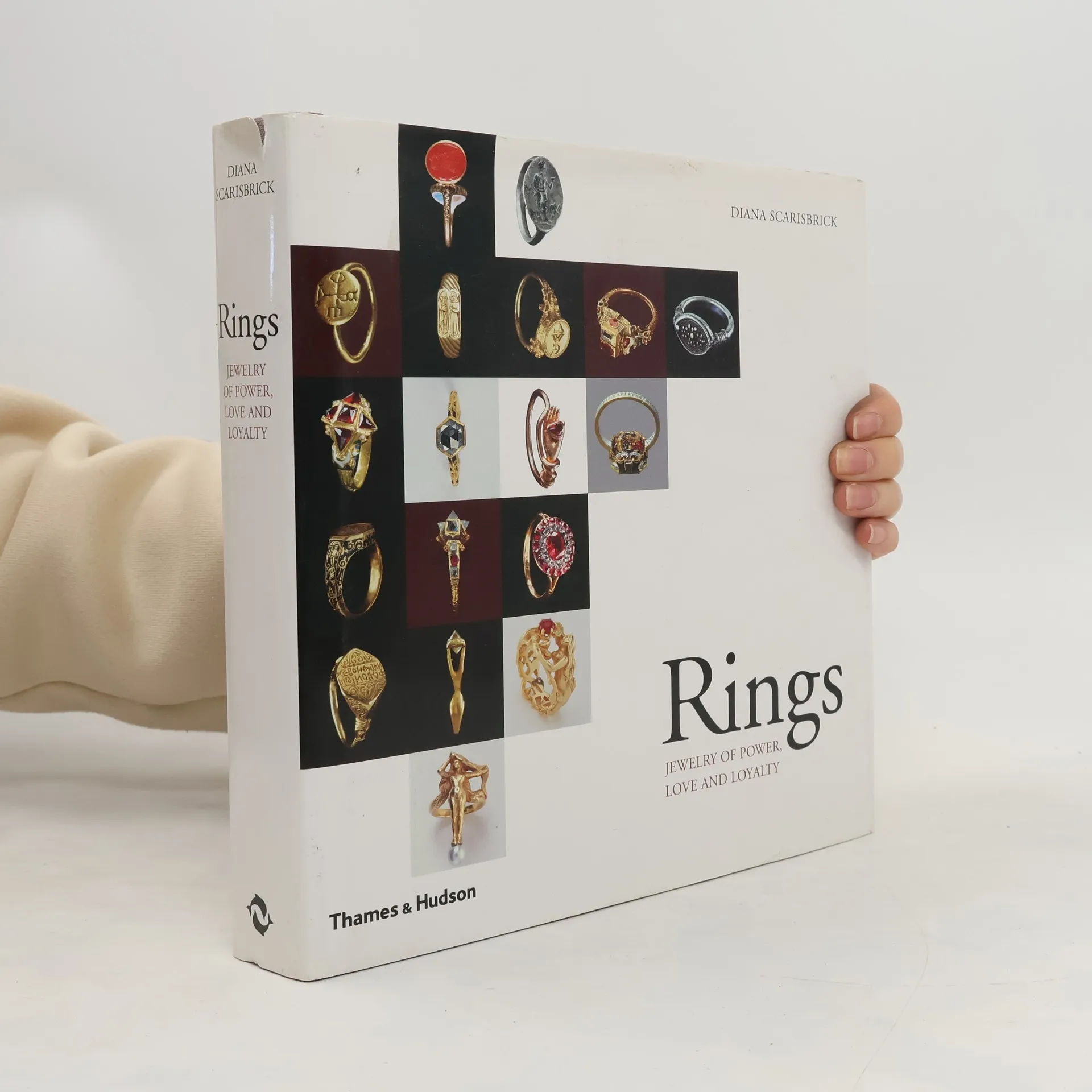
A magnificently illustrated, international survey of rings through history. With ravishing reproductions of rings from many countries, this book presents rings through major signets; rings associated with love, marriage, and friendship; devotional, protective, and ecclesiastical rings; memento mori and memorial rings; rings associated with famous people and great events; decorative rings; diamond rings; and rings as accessories.Rings of all periods are covered―from ancient Egypt, Greece, and Rome through the Middle Ages and Renaissance to the twentieth century. The examples come from great museums and from private collections, chiefly that of the noted gem dealer Benjamin Zucker.The author, one of the world's leading jewelry historians, draws on artistic and literary sources to make the rings' contexts come alive with paintings, drawings, and vivid quotations. 479 full-color photographs and illustrations
J. J. Scarisbrick Reihenfolge der Bücher (Chronologisch)
J.J. Scarisbrick ist ein Historiker, der sich auf das Tudor-England konzentriert. Seine Arbeit zeichnet sich durch Tiefe und Präzision bei der Analyse dieser entscheidenden Ära der englischen Geschichte aus. Leser werden seine Fähigkeit schätzen, die Vergangenheit lebendig werden zu lassen und neue Perspektiven auf die politischen und sozialen Ereignisse dieser Zeit zu bieten.
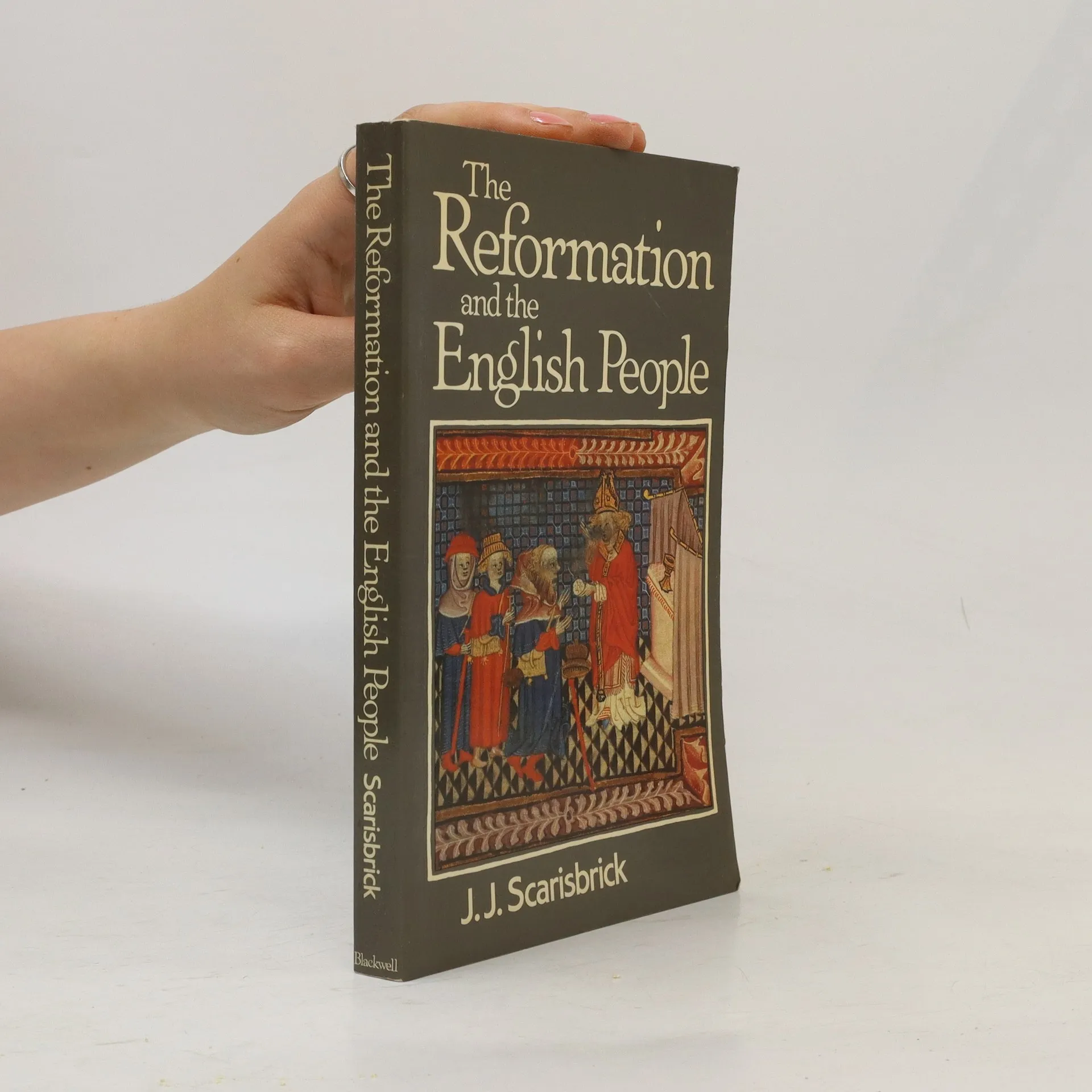
The complex web of events that we call the Reformation had a profound and lasting effect on English life. This book is a new attempt to understand how it 'happened' and how English men and women responded to it. Using the evidence of wills and account-books, examining late medieval church building and, above all, the striking popularity of the lay fraternity, Professor Scarisbrick argues that there was little violent discontent with the old Church on the eve of the Reformation - that, on the whole, English lay folk had been able to fashion a Church which suited their needs well enough. The main thrust for the ensuring changes came from 'above' and was rarely accompanied by the fierce anticlericialism and iconoclasm that was often a feature of the continental Reformation.Professor Scarisbrick examines the unparalleled spoliation of religious houses, shrines, colleges, chantries, guilds and parish churches in the years 1536 to 1553, and lay attitudes to it. He argues that the changes encountered more resistance than has often been supposed. The story of what happened to schools and hospitals in Edward VI's reign and the survival and revival of the old faith under (and after) Mary add weight to his arguments. He shows clearly that to describe the Reformation as a victory of layman over cleric is far too simple, and that many of our common assumptions about the Reformation need to be reconsidered.
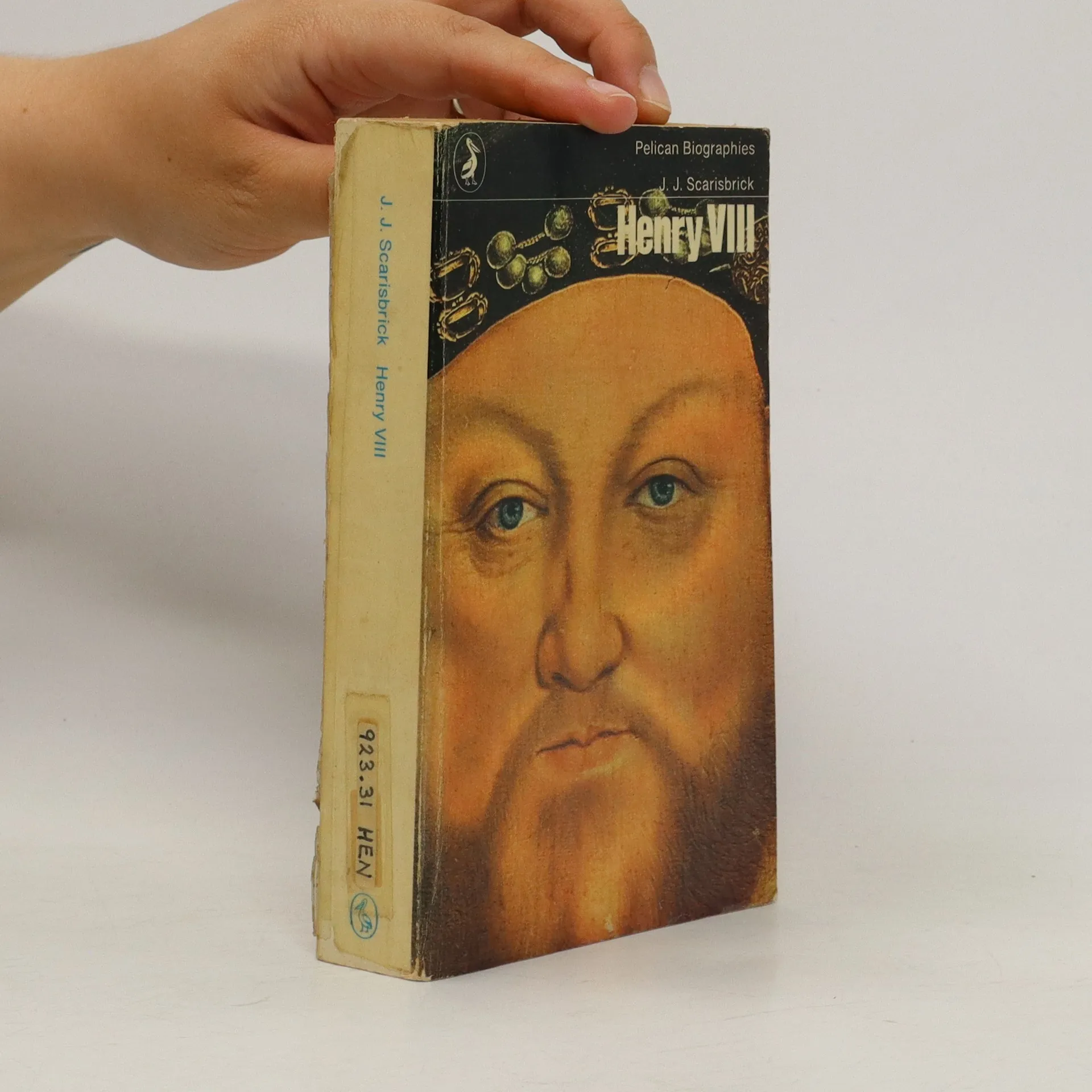
Focusing on what the author considers to be the flamboyant personality of Henry VIII, this text explores a king whose impact on government, society and religion of England is still felt more than four centuries on.