

Embark on a captivating journey through global literature, connecting classic and modern works that engage with each other and the world. Inspired by Jules Verne's Phileas Fogg, David Damrosch, chair of Harvard's Department of Comparative Literature, explores eighty exceptional books to counter pandemic travel restrictions. His literary itinerary spans from London to Venice and Tehran, featuring authors like Woolf, Dante, and Nobel laureates such as Orhan Pamuk and Wole Soyinka. Damrosch examines how these narratives shape our understanding of the world and how reality influences literature. He highlights the dual existence of writers in their personal experiences and the literary canon that informs their creativity. His exploration includes contemporary works alongside timeless classics, blending genres from crime fiction to fantasy, and formative tales that introduce us to new worlds. Collectively, these eighty titles provide fresh insights into enduring issues, including the social impacts of epidemics, rising inequality, and the patriarchal challenges faced by heroines from Murasaki Shikibu to Margaret Atwood. This journey through literature offers a profound perspective on the complexities of life and society.
David Damrosch Bücher
David Damrosch ist ein führender Gelehrter der vergleichenden und Weltliteratur, dessen Werk von der Antike bis zur Gegenwart reicht. Er befasst sich mit der Entwicklung und Transformation literarischer Gattungen und untersucht die historischen und kulturellen Kontexte, die Entstehung und Verbreitung literarischer Werke prägen. Seine Forschung beleuchtet, wie Weltliteratur im globalen Maßstab gelesen und verstanden werden kann, und betont die Vernetzung literarischer Traditionen über Kulturen und Jahrhunderte hinweg. Er beschäftigt sich auch mit dem akademischen Umfeld und pädagogischen Ansätzen in der Literaturwissenschaft.
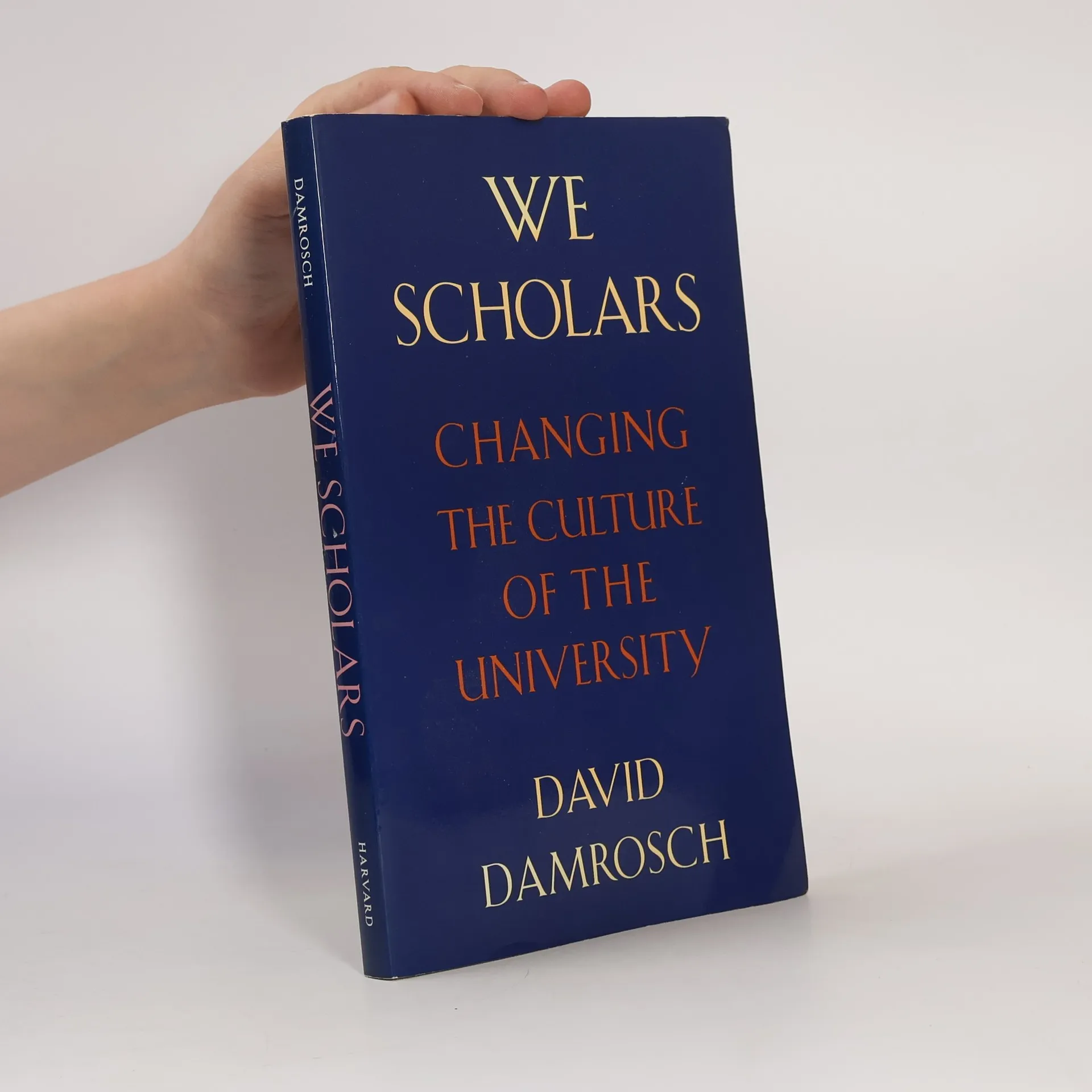

Never before have so many scholars produced so much work, yet they seem to communicate less with one another and the public. This dilemma characterizes modern universities, which now shape the landscape of scholarship. In his insightful book, David Damrosch provides a clear, often unsettling evaluation of the current state of scholarship within academic institutions. He examines how these institutions evolved into their present forms and proposes reforms to enhance scholarly communication, potentially leading to broader and more relevant scholarship. The text explores an academic culture where disciplines are isolated and further fragmented into specialized fields, resulting in scholarly alienation and territorialism, alongside a wealth of specialized inquiry but a lack of general discussion. This situation is not inevitable; it originates from decisions made a century ago when American universities adopted their contemporary structure. Damrosch investigates the political and economic foundations of these decisions and their ongoing impact on academic frameworks, despite significant societal changes. He advocates for a scholarly community that better reflects today’s needs, emphasizing cooperation as essential for intellectual pursuits both within and beyond academia. His insights will resonate with anyone invested in the complexities and future potential of academic work.