
Bookbot

Sergey Komissarov

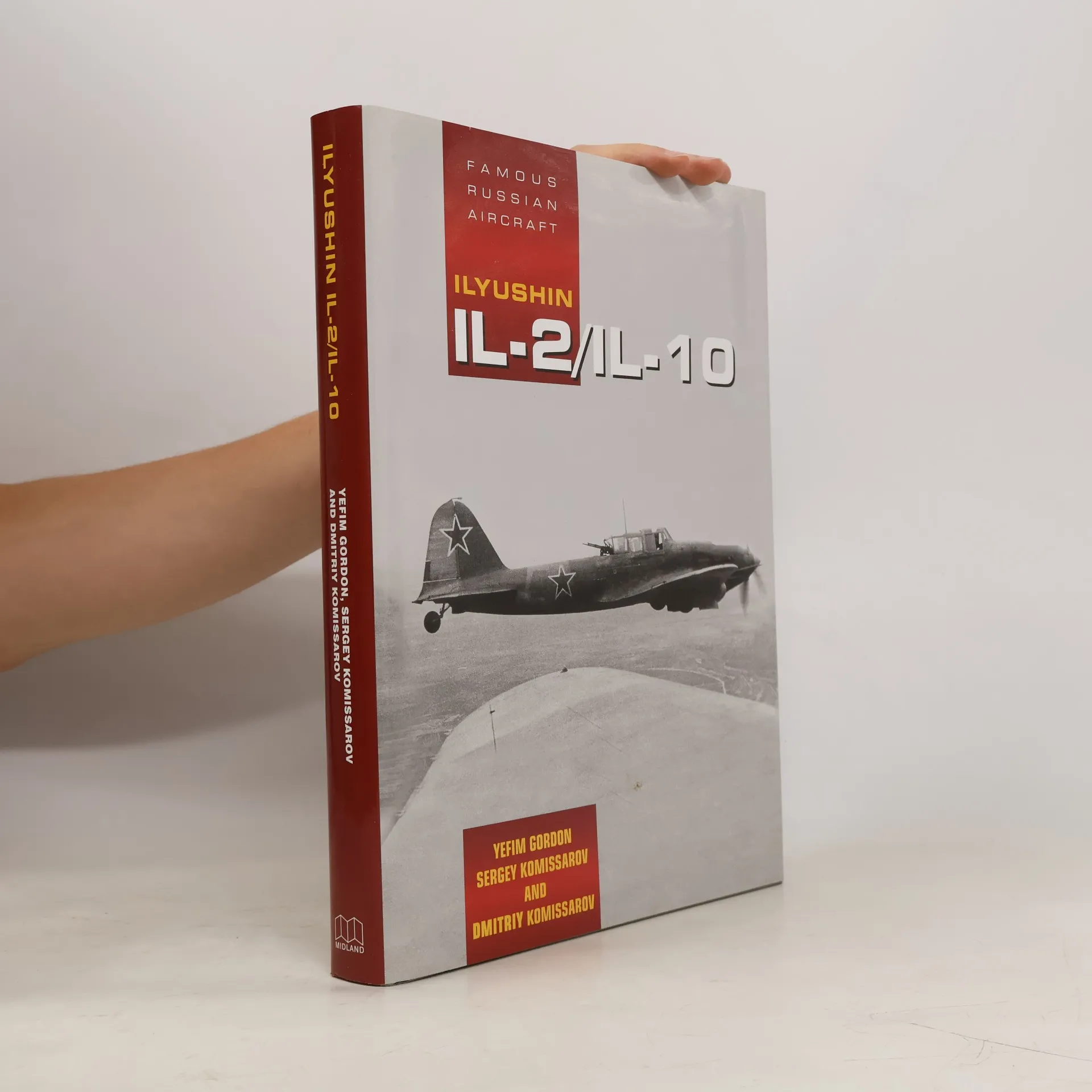
    Famous Russian Aircraft: Ilyushin Il-2/Il-10
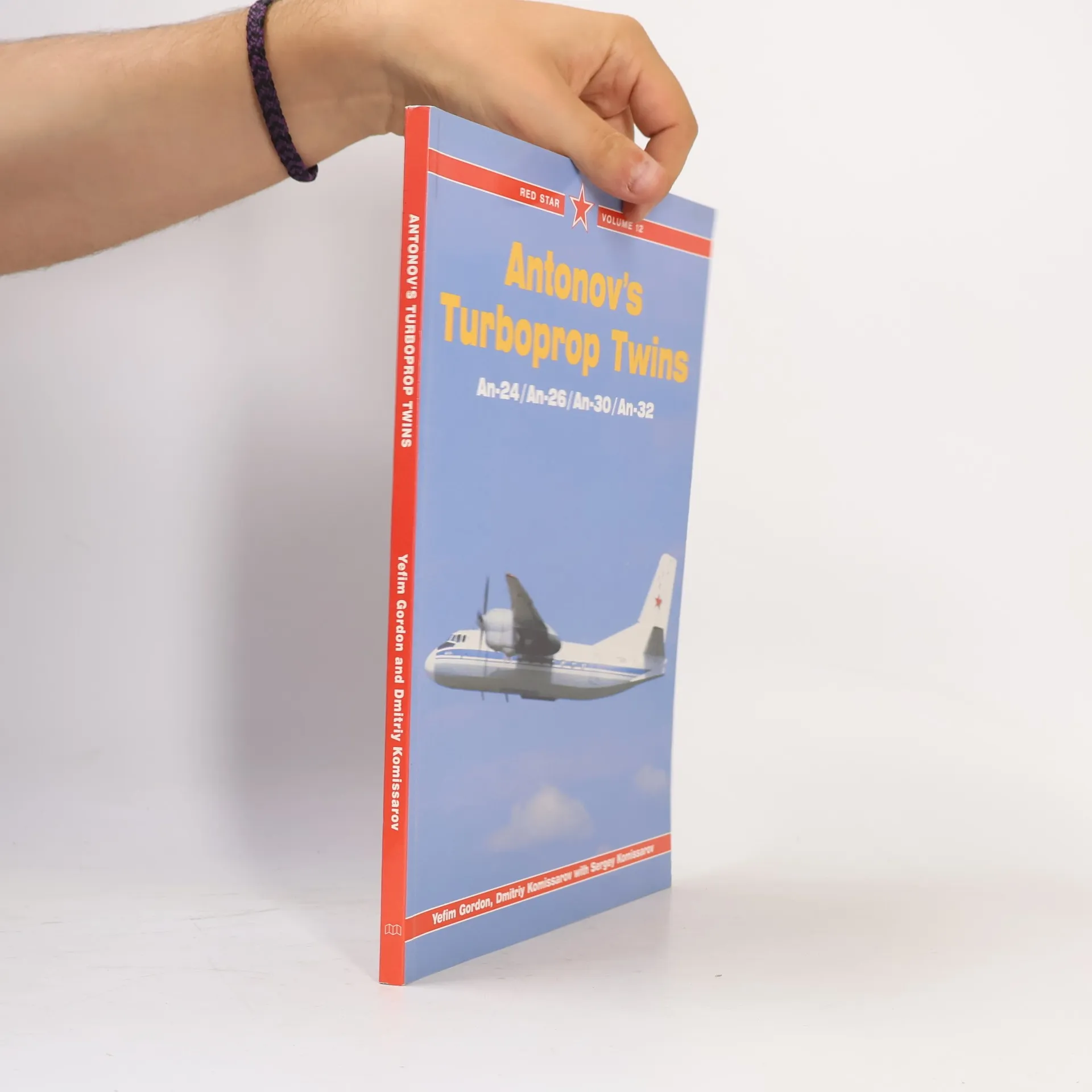
    Red Star - 12: Antonov's Turboprop Twins
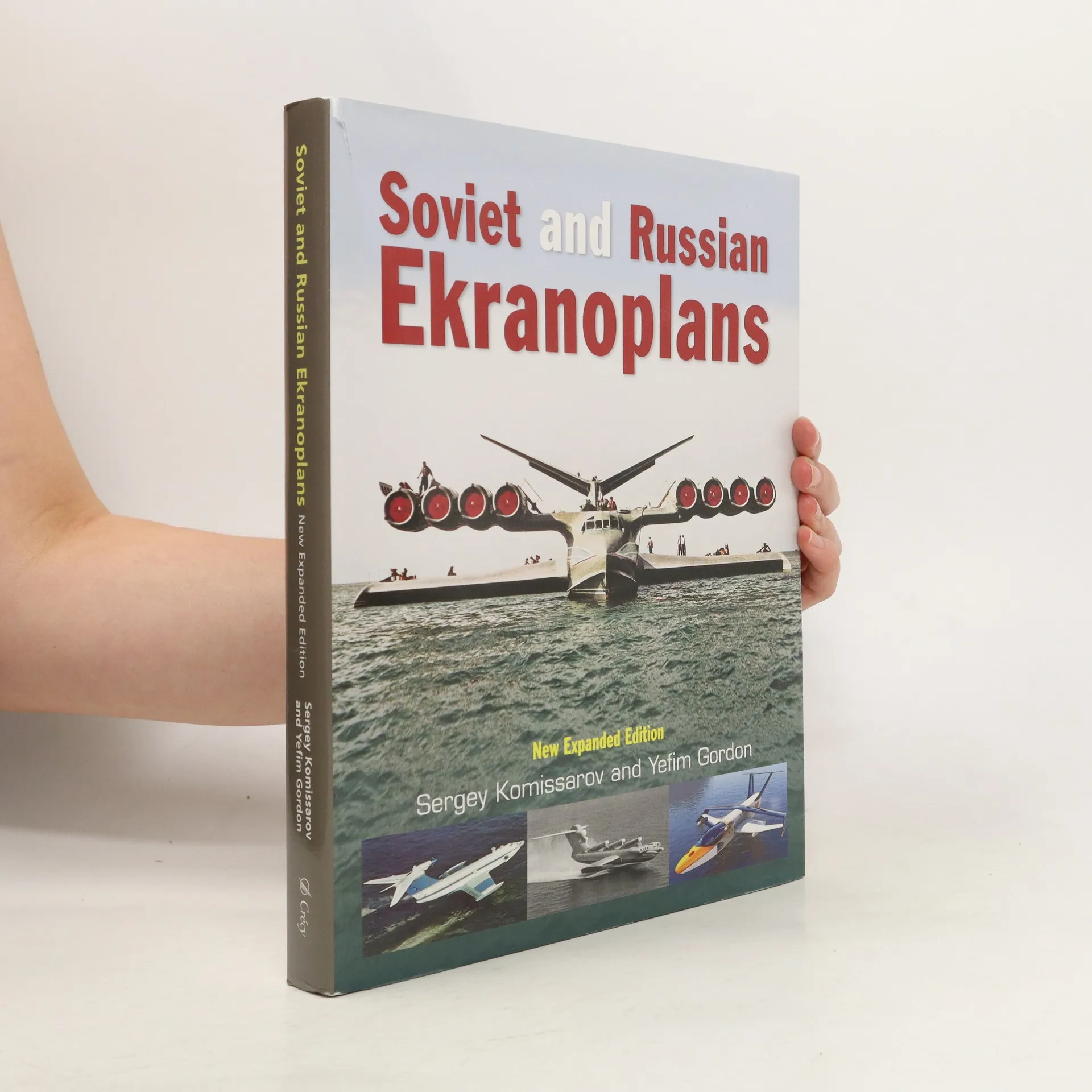
    Soviet and Russian Ekranoplans
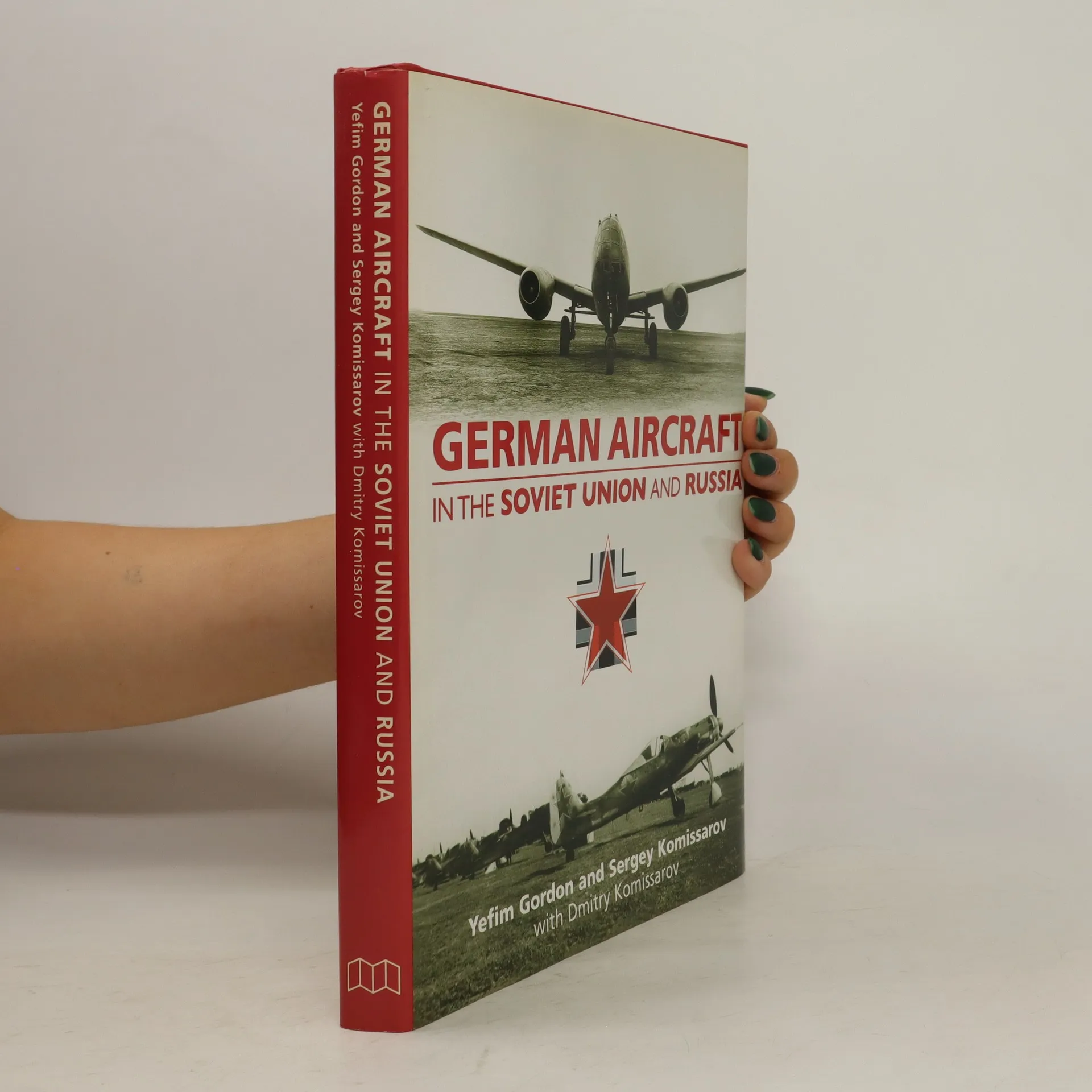
    German Aircraft in the Soviet Union and Russia
    • This comprehensive book shows how the imports of German aircraft and engines and the use of German scientific and technical achievements in the field of aeronautics have influenced the development of aircraft construction, air transport, and military aviation in Russia and the Soviet Union.The book covers the very first aircraft to reach Russia before World War I, plus the Russian design bureaus' efforts to copy aircraft that were captured during the war. It goes on to cover all of the various imports throughout the years, right up through the renewed cooperation between Germany and Russia in the 1990s.Aircraft covered in the book include the Heinkel HD-37c fighter, Heinkel He 5c, Heinkel HD-55 flying boats (known as the KR-1 in Soviet service), Dornier Wal flying boats, the Messerschmitt Bf 109b, the Heinkel He 111B bomber, the Bf 109E, Bf 110c, He 100, Ju 88A-1, He 111E, Do 17, Do 215B-3, Focke-Wulf Fw 58, Bücker Bü 131 Jungmeister, Bü 133 Jungmann, and Fieseler Fi-156 Storch.

      German Aircraft in the Soviet Union and Russia
      4,2
    • One of the most interesting strands in aviation history has been the development of wing-in-ground effect (WIG) vehicles, or as they are more commonly known by their Russian name, ekranoplans. Beginning with a brief outline of the concept from the theory to viable technical solutions, the book gives a historical survey of the development of WIG research and construction in Russia. A large part of the book focuses on a type-by-type description of specific designs of ekranoplans developed in the Soviet Union and Russia in the course of half a century. Special emphasis is given to the activities of Rostislav Alekseyev, who has played an enormous role in the development of this new technology. Ekranoplans developed by several other major design bureau, notably those led by Sukhoi, Bartini and Beriyev, are also considered. Economic and political transformations following the break-up of the Soviet Union led to the emergence of privately owned design bureau and firms that are now pursuing the development of WIG craft in Russia, given the lack of interest on the part of the military and the state in this branch of transport technology. This new edition has been fully updated with 60 new pages and highlights projects that are under development. Packed with photos, artworks and drawings, the book includes examples of similar technology being developed in countries outside of Russia, including the USA, Germany and China.

      Soviet and Russian Ekranoplans
    • Red Star - 12: Antonov's Turboprop Twins

      An-24, An-26, An-30, An-32

      • 128 Seiten
      • 5 Lesestunden

      The An-24 was designed in the late 1950s as the Soviet counterpart of the Fokker F.27 in both appearance and capabilities. The twin-turboprop An-24 was produced by three Soviet aircraft factories; many remain in operation. The Soviet Air Force needed a modern turboprop tactical transport with paradropping capability. Thus the airliner evolved first into the 'quick-fix' An-24T and then into the An-26, which introduced a unique sliding cargo ramp developed by Antonov and protected by many international patents. This paved the way for the 'hot-and-high' An-32 and the 'big-head' An-30, a specialized aerial photography machine. Antonov's twin-turboprop family has seen civil and military service in Europe, Asia, the Middle East, Africa, North, Central and South America, making it a best-seller among Soviet commercial designs. This book lists all known operators on a country-by-country basis and is richly illustrated with photos in the collections of assorted civil and military operators.

      Red Star - 12: Antonov's Turboprop Twins
    • This is the definitive history of the Ilyushin Il-2 Sturmovik and provides detailed coverage on every aspect of this famous warplane. This is perhaps the most famous aircraft in the history of Russian and Soviet aviation. During World War 2 this rugged ground attack aircraft was arguably the Soviets’ most effective weapon. Protected by its heavy armor, the low-flying aircraft was incredibly difficult to shoot down, and its powerful array of weaponry included a cannon, machine guns, rockets, and special HEAT antitank bombs. It was capable of penetrating the armor of every German tank in the field at the time, including the Panther and Tiger tanks, as well as reaping destruction among the ranks of enemy infantry on the ground. The Il-2 was so successful that the design was produced in greater numbers than any other military aircraft in history, with over 40,000 being built between 1941 and 1955.

      Famous Russian Aircraft: Ilyushin Il-2/Il-10