In Teams That Work, Scott Tannenbaum and Eduardo Salas present the seven
drivers of team effectiveness and the clearest recommendations on what really
makes teams great. Readers will find actionable, evidence-based tips for being
an effective team leader, a great team member, a supportive senior leader, or
an impactful consultant.
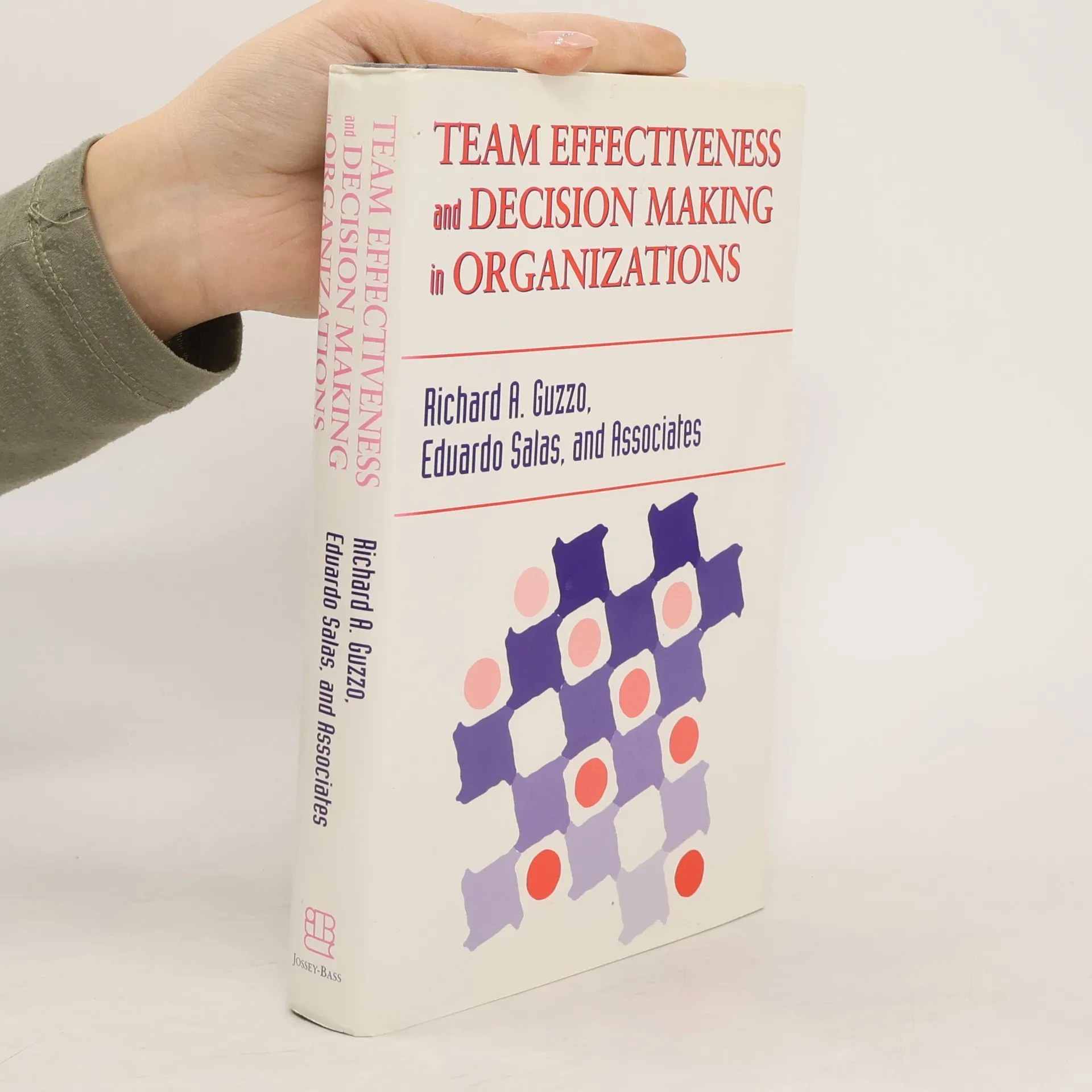
The seventh book in the Frontiers of Industrial and OrganizationalPsychology Series, sponsored by the Society for Industrial andOrganizational Psychology, a division of the American PsychologicalAssociation.Get the latest perspective on teams from leading professionals inmanagement and social, industrial, and organization psychology.You'll get the latest research perspective on teams and theirnature, function, effectiveness, decision-making process, and theirability to change the face of organizational life.This research-based * Explores the ins and outs of staffing teams, emphasizing thenecessity for the right mix of skills, talents, job functions, andpersonalities* Examines diversity and its effect on the group process* Provides the latest findings on accurate measurement of teamperformance* Shows the results of using information technology to help teamsget work done and reshape the way individuals work togetherPlus, you'll get tested models and methods for improving teameffectiveness in any organizational context. Use it as a handbookon team dynamics and as a guide to a better understanding of theeffect of teams on organizational design.
Employees frequently make decisions that impact themselves, their families, their organizations, and sometimes even society. Examples include hiring choices, setting production goals, assessing job satisfaction, and reporting misconduct. These decisions are crucial to organizational research, yet industrial and organizational psychologists have often overlooked a judgment and decision-making perspective in their studies. This book aims to address this gap by fostering collaboration between organizational psychology and decision-making disciplines. It presents both laboratory and field research on judgment and decision-making, applying findings to key areas of interest for industrial and organizational psychologists, such as performance appraisal, employee selection, leadership, and team dynamics. Additionally, it explores how research in organizational psychology can enhance the field of judgment and decision-making. The contributors to this book are researchers who operate at the intersection of these two fields, positioning them to effectively bridge the divide and enrich both disciplines through their insights and findings.