
Bookbot

Dorion Sagan

    Gaia and Philosophy
    Microcosmos
    Biospheres
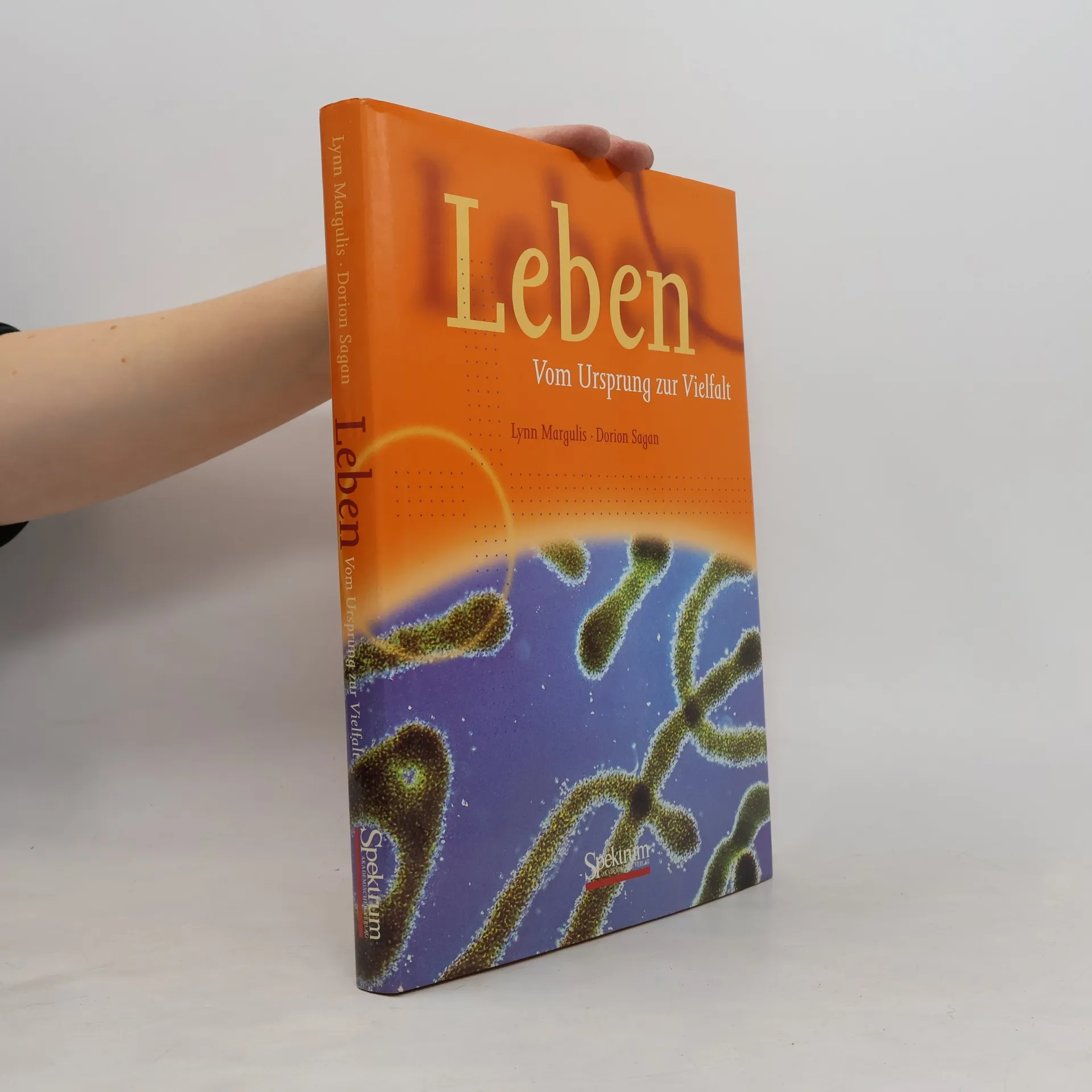
    Leben
    • Leben

      • 208 Seiten
      • 8 Lesestunden

      Was ist Leben? Diese ebenso alte wie faszinierende Frage wird sich wohl nie abschließend beantworten lassen, doch hat die Naturwissenschaft Wesen, Ursprung und Entwicklung des Lebens inzwischen in beeindruckender Breite und Tiefe ergründet. Lynn Margulis und Dorion Sagan nehmen uns in ihrem ungewöhnlichen Buch auf eine spannende, im wahrsten Sinne denkwürdige Reise durch die Evolution mit. Der Bogen spannt sich dabei von der Entstehung des Lebens vor dreieinhalb Milliarden Jahren bis zur heutigen Vielfalt der Lebensformen auf unserem Planeten. Als ein Leitmotiv in dieser langen Geschichte, die auch unsere eigene ist, erweist sich die allmähliche Zunahme der Komplexität. Die großen Etappen der biologischen Evolution sind in den einzelnen Kapiteln des Buches dokumentiert, an deren Ende sich die Autoren der Frage „Was ist Leben?“ immer wieder neu stellen. Im klugen Aufbau des Textes, in der kraftvollen, bildreichen Sprache und im ästhethischen Zusammenspiel von Text und Illustration entsteht so ein weitgefaßtes Panorama der Geschichte, Eigenheiten und Formenvielfalt des Lebens auf der Erde.
      Leben
      4,4
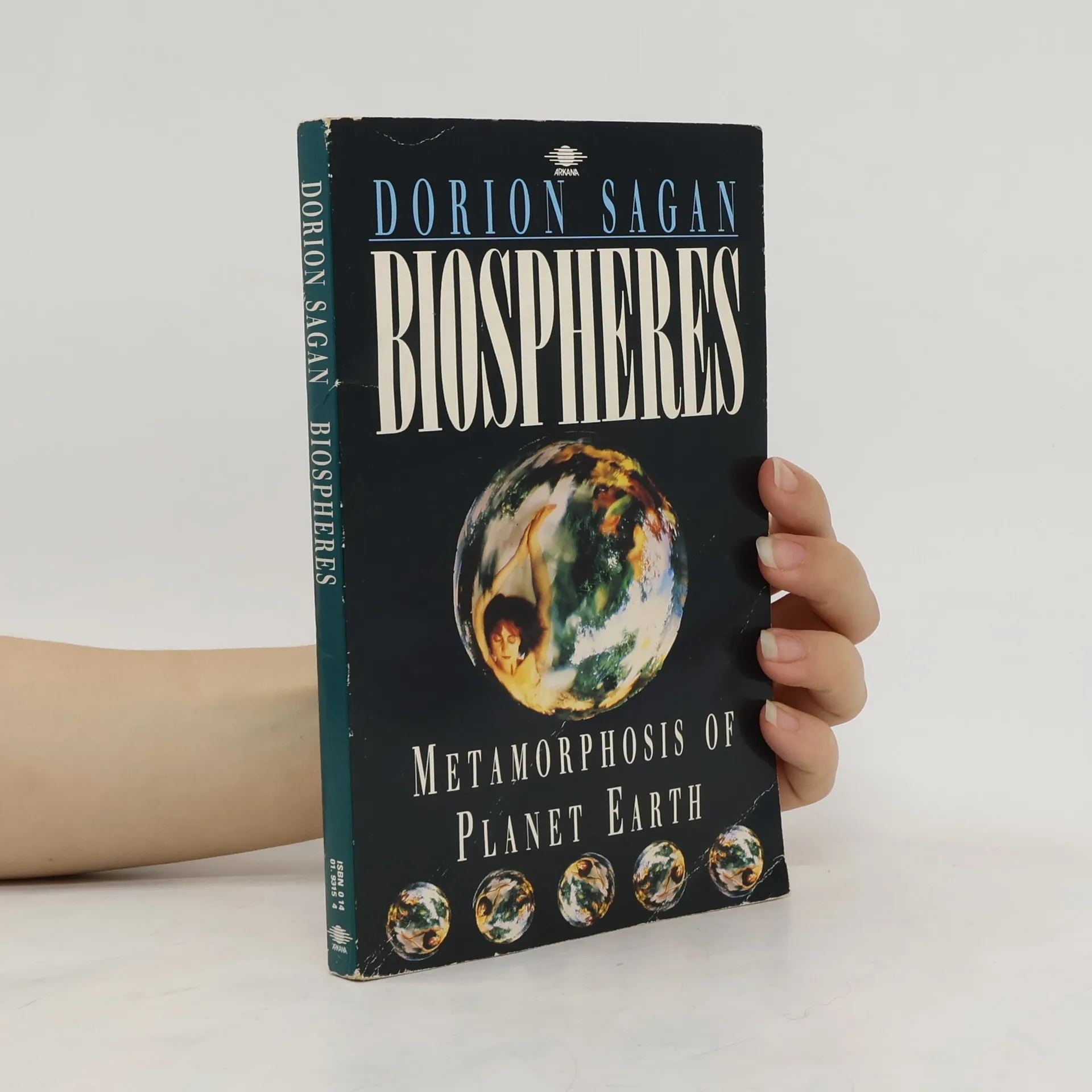
    • The Gaia theory argues that the Earth is poised to reproduce. Experiments show that mini-biospheres are a possibility - complete ecological systems in which life is possible. The author argues that these experiments give an indication of a possible future for both man and the Earth.

      Biospheres
      4,5
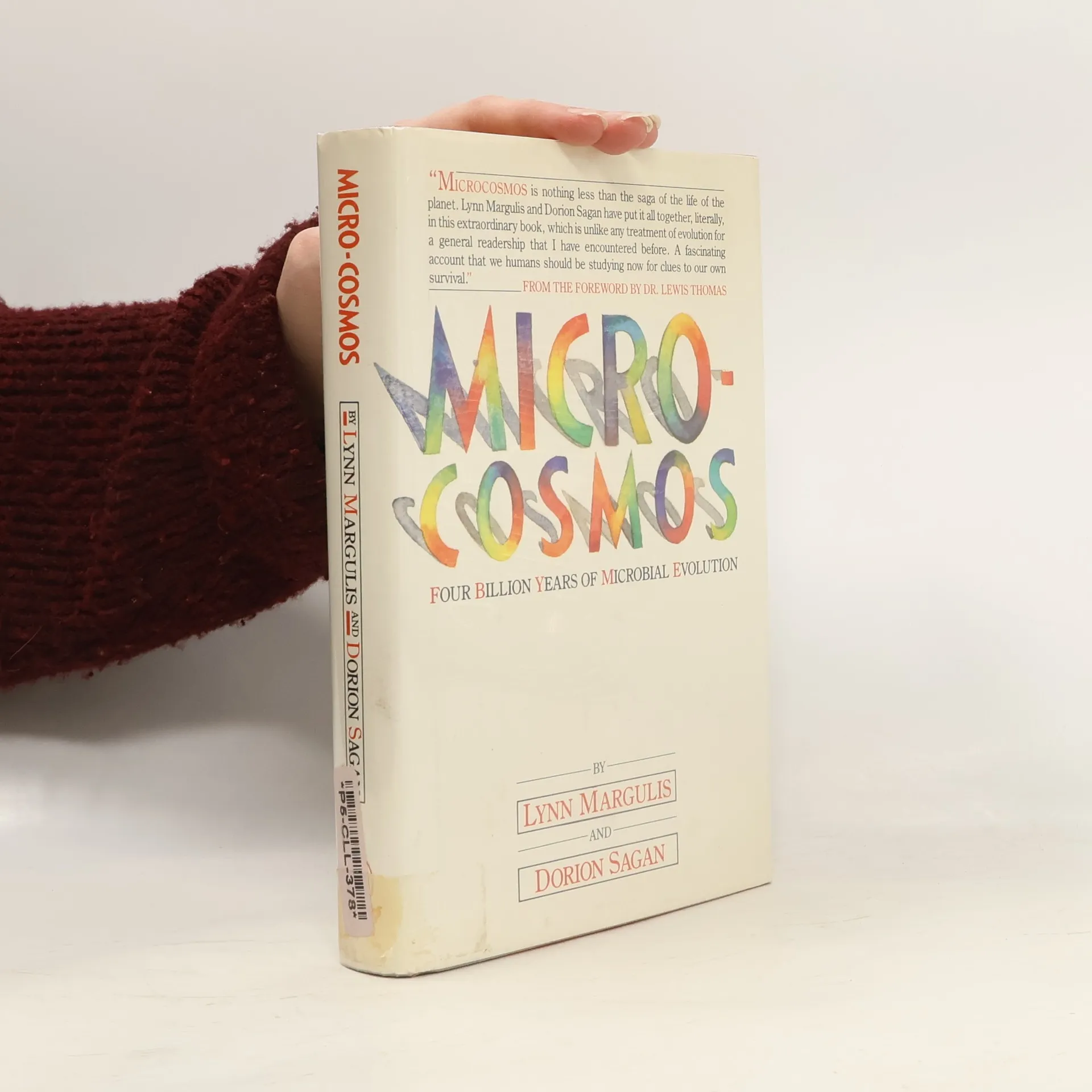
    • Microcosmos

      Four Billion Years of Evolution from Our Microbial Ancestors

      • 301 Seiten
      • 11 Lesestunden

      Margulis, Lynn, Investigator, Non-NASA Center: U MA, Amherst.

      Microcosmos
      4,1
    • Gaia and Philosophy

      • 88 Seiten
      • 4 Lesestunden

      The Gaia theory states that on Earth, life interacts with and eventually becomes its own environment. Gaia is a holistic perspective asserting that the Earth is a self-regulating complex system, resonant with the ancient magico-religious understanding that all is one. Innovated by the atmospheric chemist James Lovelock, supported by microbiologist Lynn Margulis and named by novelist William Golding, Gaia states that the temperature and composition of the Earth's atmosphere are actively regulated by the sum of life on the planet, which, seeking a physical and chemical environment optimal for contemporary life, influences the physical attributes of Earth on a planetary scale. In the way that the human mind extends DNA, the atmosphere is an extension of the biosphere: as above, so below. Fusing science, mathematics, philosophy, ecology and mythology, Gaia and Philosophy challenges the anthropocentrism of Western rationalist thought to propose a symbiotic planet. In its striking philosophical conclusion - that the cybernetic control of the Earth's surface by its organisms calls into question the alleged uniqueness of human intelligent consciousness - the revolutionary Gaia paradigm holds important implications not only for understanding life's past but for shaping its future.

      Gaia and Philosophy
      3,9