

Ein Stift ist mächtiger als ein Schwert! Der Sammelband zum Skizzieren mit Stift vereint zwei Bestseller-Kunstlehrbücher und bietet alles, was du benötigst, um die Kunst des Federzeichnens zu erlernen. Mit 22 Übungen, die Schritt für Schritt demonstrieren, kannst du verblüffende Skizzen erstellen. Im ersten Teil entfesselst du den Künstler in dir und begibst dich auf eine magische Reise durch das Skizzieren mit Feder und Tinte. Du lernst, Formen, Schatten und Texturen wie ein Künstler zu "sehen" und verschiedene Schattierungstechniken wie Schraffierung und Punktieren anzuwenden. Motive wie Bäume, Steine und Wasser werden skizziert, und du erhältst kostenlosen Zugang zu zwei Videoschulungen. Im zweiten Teil entdeckst du die wahre Kraft eines Stiftes. Dieses Übungsbuch nimmt dir die Angst vor dem Skizzieren und führt dich Schritt für Schritt durch die Erstellung toller Illustrationen. Du lernst Konzepte von Schatten und Highlights sowie verschiedene Texturtechniken für Objekte wie Glas und Holz. Zusätzlich gibt es zwanzig Schritt-für-Schritt-Demonstrationen, die von einfachen Motiven wie einem Fußball bis hin zu komplexen Szenen wie einem altviktorianischen Gebäude reichen. Lass uns wie ein Boss zeichnen!
Shirish Deshpande Bücher

"We have more to learn from animals than the animals have to learn from us." - Anthony Douglas Williams Animals are fascinating drawing subjects for most artists. Drawing lively animal portraits brings with it another level of excitement, not to mention challenges, such as bringing out that mischievous spark in a dog's eyes or that vicious promise of impending violence in a lion's eyes. The facial proportions of the animals, the fur or the pattern of scales on their bodies are yet other challenges difficult to master. Not anymore. In this book, you will learn how to draw expressive and lively portraits of a range of animals, from your humble house pets to vicious forest dwellers. What will you learn in this book? All about values and how they are especially important in a pen and ink drawing. How to determine the values and use them in a drawing. Pen and ink drawing techniques. Materials available for pen and ink drawing. Shading techniques. Ink painting and techniques. Foreshortening - the concept and its usage in drawing animal portraits. Since the best way to learn is through hands-on experience, throughout this book, you will actually draw animal portraits using 20 step-by-step demonstrations. We'll be focusing on seven categories of animals, including: Elephants Cat family (felines) Dog family (canine) Reptiles Horse family Rodents Monkeys
Composition and Perspective
A simple, yet powerful guide to draw stunning, expressive sketches
- 84 Seiten
- 3 Lesestunden
Learn the techniques to create stunning illustrations with precise perspective. This guide offers step-by-step instructions and practical tips to enhance your drawing and painting skills, making it accessible for artists at all levels. Discover how to effectively represent depth and dimension in your artwork, ensuring your illustrations come to life with realism and beauty.
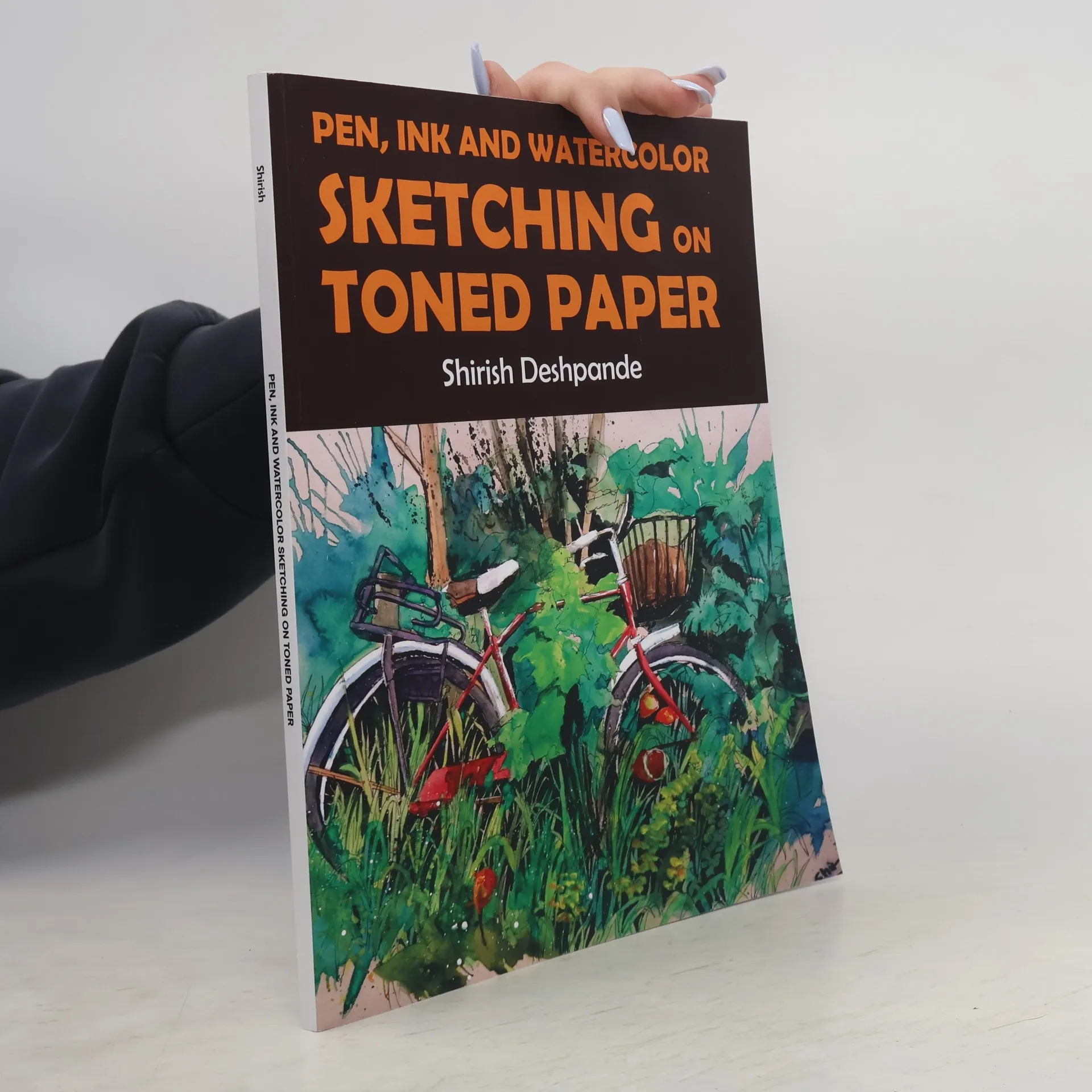
Pen, Ink and Watercolor Sketching on Toned Paper
Learn to Draw and Paint Stunning Illustrations in 10 Step-by-Step Exercises
- 124 Seiten
- 5 Lesestunden
Discover the magic of toned paper in enhancing your pen, ink, and watercolor sketches! Whether you’re a beginner or a seasoned sketcher, this guide addresses common gaps in traditional art instruction. It explores the synergy of pen, ink, and watercolor, emphasizing how toned paper adds a surreal charm to your illustrations. You'll learn to create vintage feels and unexpected color effects. Key lessons include understanding shapes and values, color theory (complementary, warm, and cool colors), composition, and coloring techniques. Real learning occurs through practice, so the book features ten step-by-step demonstrations. Each demonstration guides you through initial sketches, line work, and coloring. Exercises include painting a ladybug on beige paper, creating textures with an old wall and door, and exploring dark themes with a tree reflection on black paper. You’ll also paint a waterfall to learn depth through overlapping elements, simplify a complex garden scene, and illustrate a neglected bicycle amidst foliage. Additional projects involve painting fog in a forest path, capturing interactions in a white church scene, using a limited palette for a yellow boat, and decluttering a complex autumn house illustration. Each project builds your skills and confidence in using toned paper creatively.