

This passionate memoir explores the Asian American experience within a racially stratified nation. At fifteen, Julia Lee witnessed her hometown engulfed in flames during the 1992 Los Angeles riots. As the daughter of Korean immigrant store owners in a predominantly Black neighborhood, she was raised to appreciate her privileges. However, the acquittal of four white police officers in the beating of Rodney King, following the murder of Latasha Harlins by a Korean shopkeeper, prompted Julia to confront her racial identity and complicity. Caught between Black and white, she grappled with her sense of self for years, especially as she transitioned from a tumultuous childhood to the elite circles of academia. It was during her PhD in English that she found clarity—not through the classic authors she initially admired, but through the works of James Baldwin and Toni Morrison. Their writings provided her with the language and permission to critically assess her complex position as an Asian American, igniting a journey of racial reckoning and self-discovery. With a blend of scathing and heart-wrenching prose, Julia Lee reveals the disorientation and shame stemming from the nation’s racial hierarchy, advocating for Asian Americans to harness their unique experiences for meaningful social change alongside Black and brown communities.
Julia Lee Bücher
Julia Lee erfindet schon, seit sie denken kann, Geschichten – eine Leidenschaft, die während ihrer häufigen Kindheitskrankheiten geweckt wurde und ihr viel Zeit zum glücklichen Lesen im Bett verschaffte. Obwohl ihr beruflicher Werdegang eine Reihe zufälliger Stationen durchlief, von der Krankenhauswäscherei bis zum Verkauf von feinem Porzellan, galt ihre wahre Berufung stets dem Schreiben. Ihre vielfältigen Erfahrungen im Unterrichten von Vorschulkindern bis zu Postgraduierten und ihre Arbeit für Kinderhilfsorganisationen haben zweifellos ihre Perspektive bereichert. In Sussex fand sie ihr dauerhaftes Zuhause, wo sie von dem lebenslangen Wunsch, Schriftstellerin zu sein, angetrieben weiterhin Geschichten erschafft.
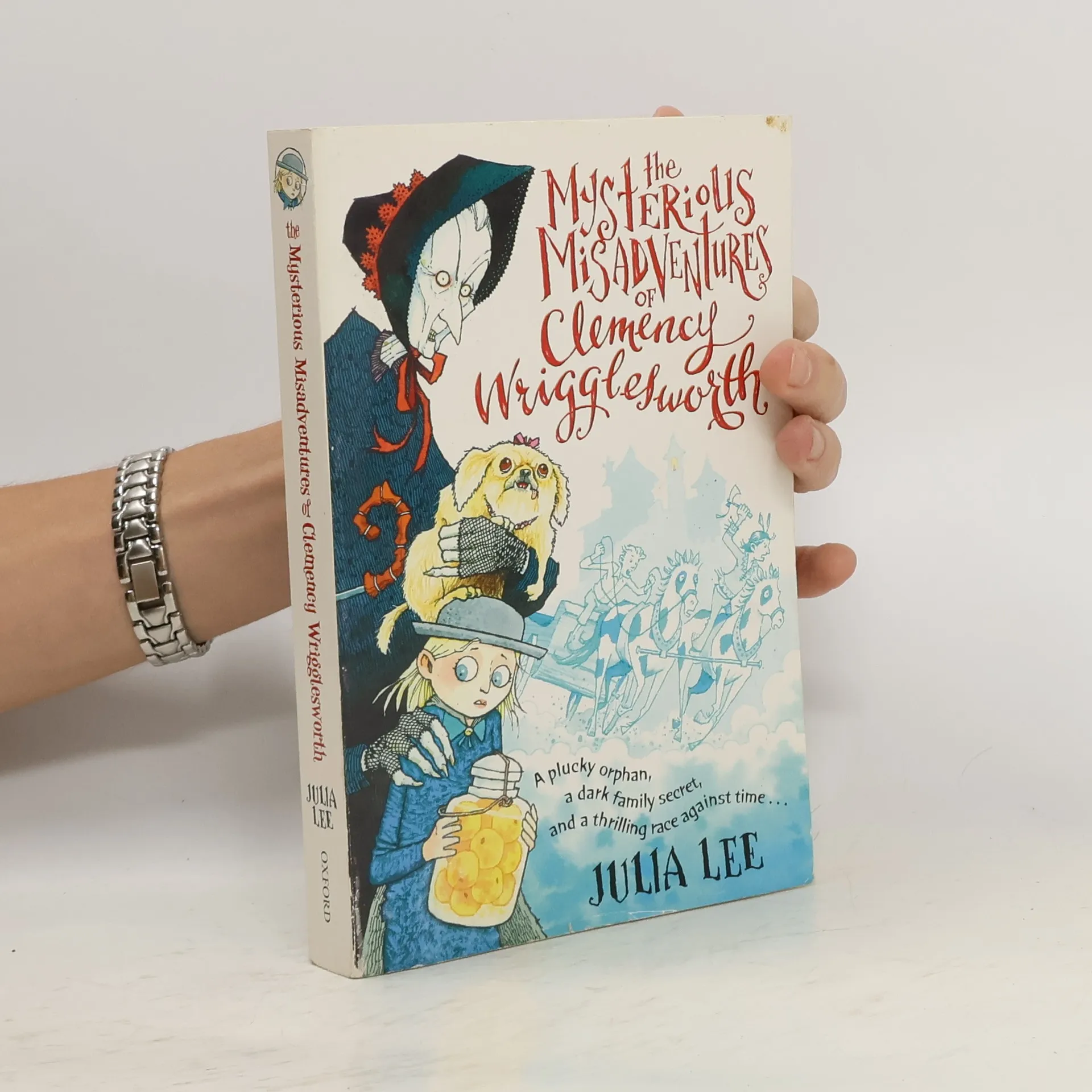

Newly-orphaned Clemency is entirely alone, until she's taken in by the Marvels. But where are her family? Why is she set to work as a scullery maid in the very house she travelled from India to live in? And in the face of grave danger, how are some marvellous but not-quite-genuine Red-Indians going to save her? Or can she save herself first?