
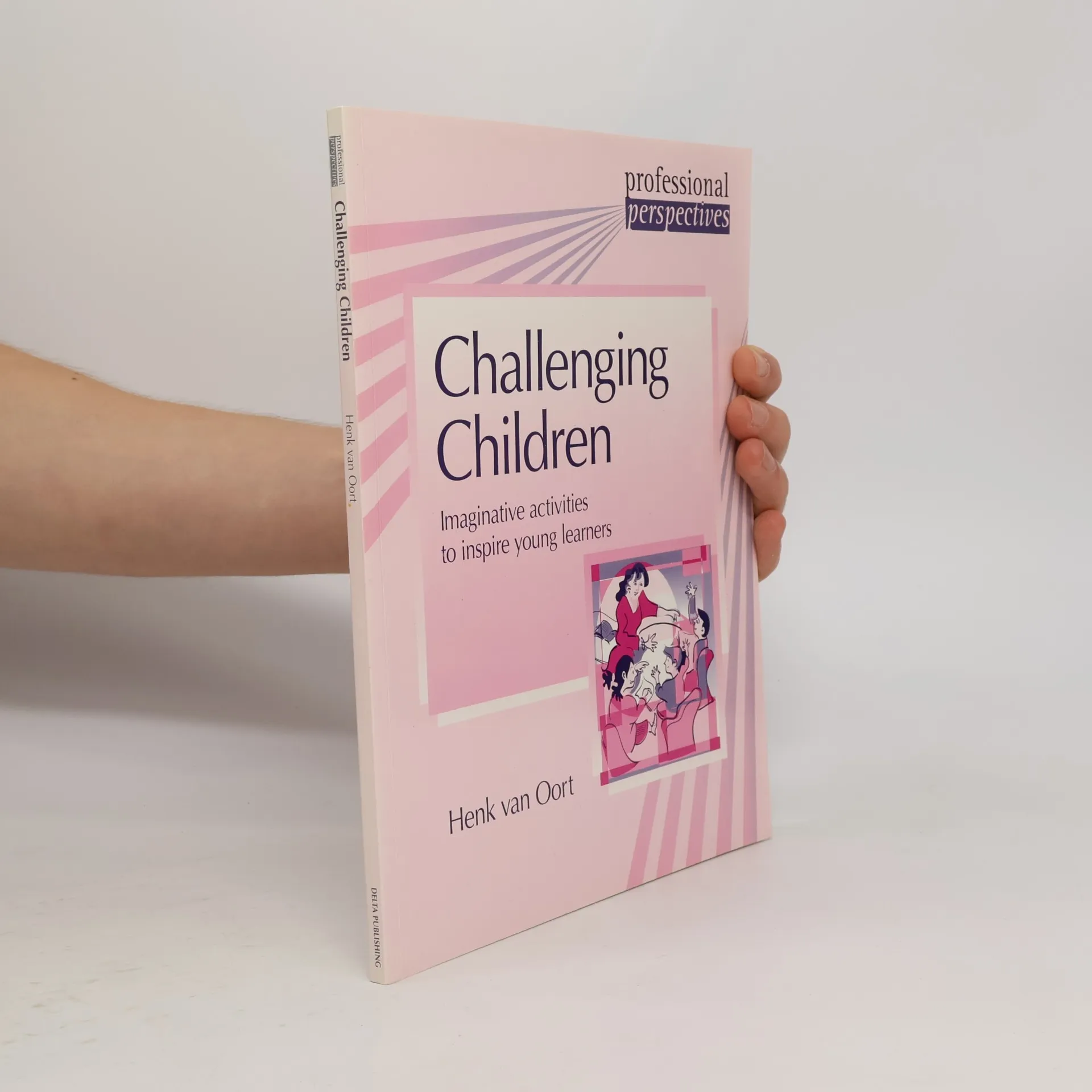
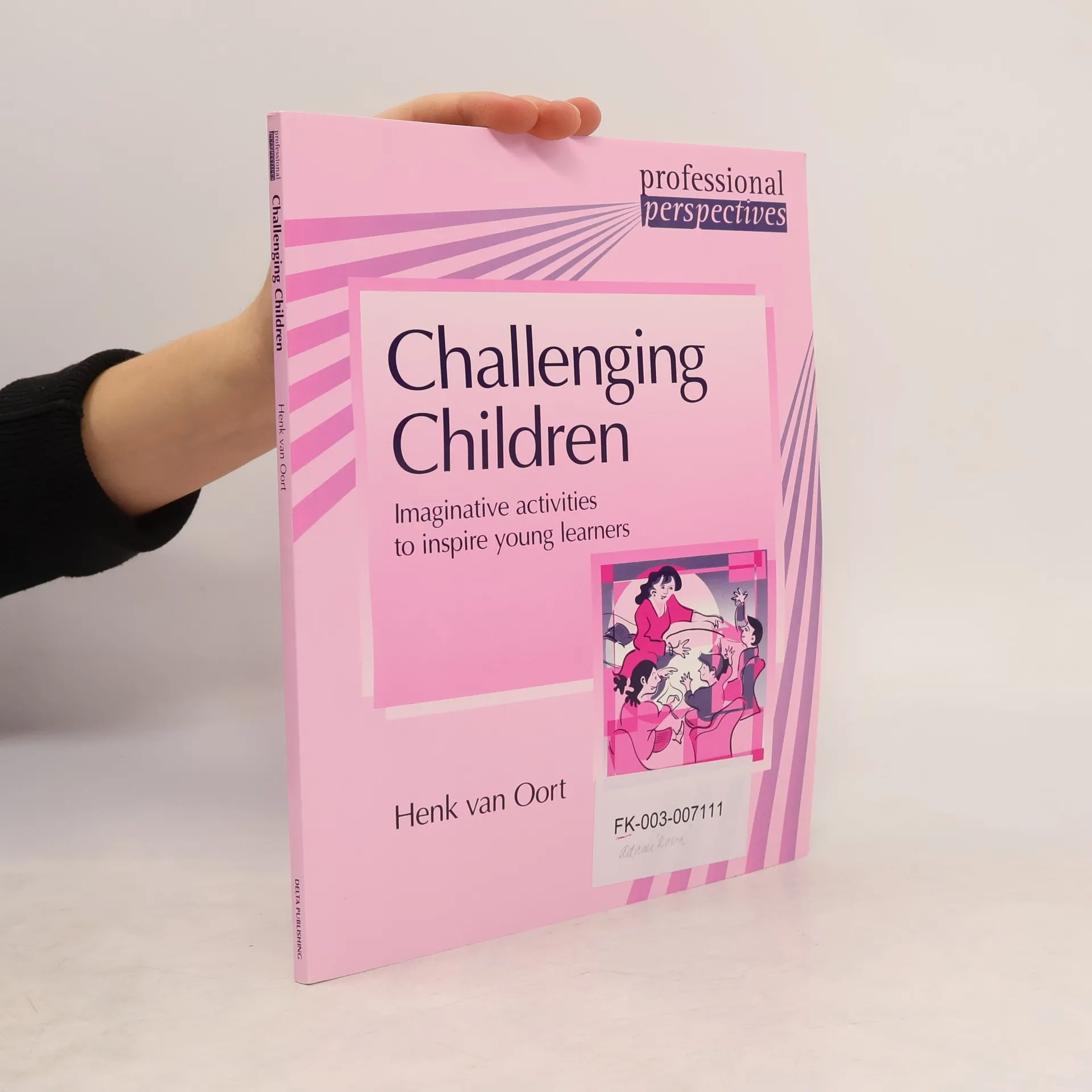
Provides teachers of English to young learners (from five to twelve years old) with activities for use in the classroom. This book aims to challenge pupils to activate their dormant linguistic abilities, to use vocabulary, and to become fully engaged in the learning process.
Henk van Oort Bücher
Dieser Autor konzentriert sich auf die Bildung von Kindern und die Entwicklung ihrer Lernprozesse. Sein Ansatz kombiniert moderne Technologie mit dem menschlichen Faktor, wobei die Persönlichkeit des Lehrers als entscheidendes Vorbild betont wird. Inspiriert von den Prinzipien der Psychosynthese und der Waldorf-Pädagogik strebt er danach, fesselnde und intuitive Lektionen zu gestalten, die Kinder begeistern und sie nahtlos zum Erwerb neuer Fähigkeiten, insbesondere im Bereich des Fremdsprachenlernens, führen. Der Autor empfindet die Bildung von Kindern auf diese Weise als zutiefst lohnende Tätigkeit.

Your Spiritual Journey
- 110 Seiten
- 4 Lesestunden
In a series of short studies enlivened with colour illustrations, Henk van Oort takes the reader on a spiritual journey through a variety of topics relating to everyday experience. With chapters as diverse as 'The Human Will', 'Quantum Physics' and 'Good and Evil', the book's common theme is the dynamic nature of human consciousness.
"This book is about a mad king and a mad duke. With original and iconoclastic readings, Richard van Oort pioneers the reading of Shakespeare as an ethical thinker of the "originary scene," the scene in which humans became conscious of themselves as symbol-using moral and narrative beings. Taking "King Lear" and "Measure for Measure" as case studies, van Oort shows how the minimal concept of an anthropological scene of origin--the "originary hypothesis"--provides the basis for a new understanding of every aspect of the plays, from the psychology of the characters to the ethical and dialogical conflicts upon which the drama is based. The result is a gripping commentary on the plays. Why does Lear abdicate and go mad? Why does Cordelia die? Why does Edgar torture his father with non-recognition? Why does Edmund recant? Why does the Duke in "Measure for Measure" abdicate and disguise himself as a friar? Why is Angelo seduced by Isabella? Why does Lucio accuse the Duke of madness and lechery? Why does Isabella remain silent at the end? In approaching these and other questions from the perspective of the originary hypothesis, van Oort helps us to see the ethical predicament of the plays, and, in the process, makes Shakespeare new again"--
Antroposofie
- 100 Seiten
- 4 Lesestunden