The first history of Italian football to be written in English, `Calcio' is a
mix of serious analysis and comic storytelling, with vivid descriptions of
games, goals, dives, missed penalties, riots and scandals in the richest and
toughest league in the world.
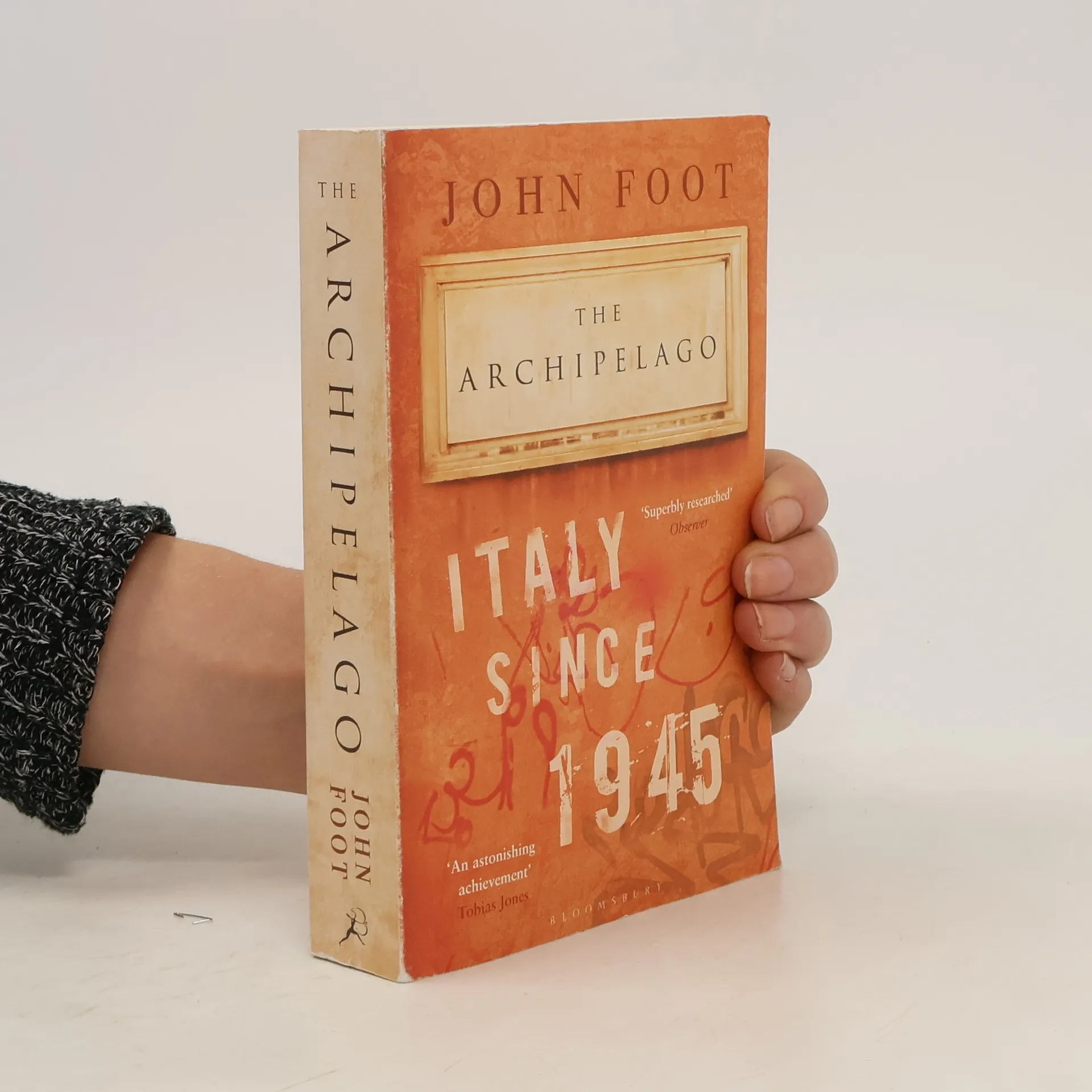
'An enjoyable, highly readable history that manages to bring murky, often fiendishly complex events into the light' Sunday Times Italy emerged from the Second World War in ruins. Divided, invaded and economically broken, it was a nation that some people claimed had ceased to exist. And yet, as rural society disappeared almost overnight, by the 1960s, it could boast the fastest-growing economy in the world. In The Archipelago, historian John Foot chronicles Italy's tumultuous history from the post-war period to the present day. From the silent assimilation of fascists into society after 1945 to the artistic peak of neorealist cinema, he examines both the corrupt and celebrated sides of the country. While often portrayed as a failed state on the margins of Europe, Italy has instead been at the centre of innovation and change - a political laboratory. This new history tells the fascinating story of a country always marked by scandal but with the constant ability to re-invent itself. Comprising original research and lively insights, The Archipelago chronicles the crises and modernisations of more than seventy years of post-war Italy, from its fields, factories, squares and housing estates to Rome's political intrigue.
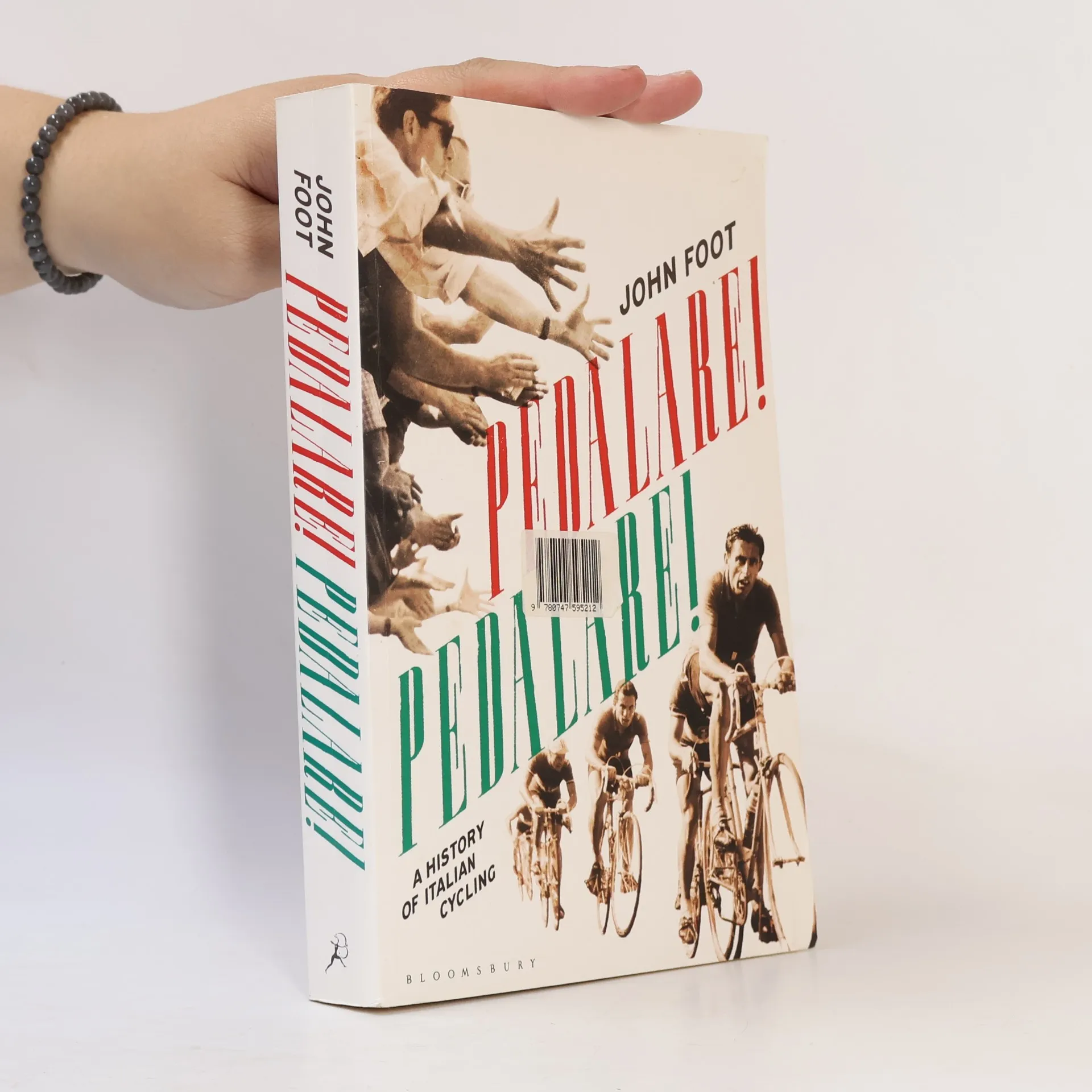
Cycling in Italy has profoundly influenced the nation's culture, politics, and identity, marking a generation and even prompting the Pope to commend a cyclist from St. Peter's balcony. This sport has shaped the geography of Italy in the minds of its citizens, with some arguing that cycling, rather than political change, united the country. The book presents the first comprehensive history of Italian cycling in English, tracing its evolution from the inaugural Giro d'Italia in 1909 to the present day. It highlights the triumphs and tragedies of iconic riders like Fausto Coppi and Gino Bartali, while also telling the stories of support riders, challenging mountain routes, and the pioneering woman who completed the Giro. The narrative intertwines cycling with significant historical events, including fascism, the Cold War, and the impact of two world wars. It reflects societal changes, from early poor cyclists to the professional sport seen today. Scandals and controversies are woven throughout, illustrating the complex relationships among fans, journalists, and the sport itself. The book concludes with a critical look at doping, which has plagued what was once Italy's most beloved sport, offering an engaging exploration of a national obsession.
1898-2007. Storia dello sport che ha fatto l'Italia
621 Seiten
22 Lesestunden
Questo libro è la lettera d’amore che un inglese indirizza al calcio italiano, emblema della bellezza e della passione che può concentrarsi in uno sport. Ma è anche la testimonianza di un’indignazione per gli scandali, gli affari sporchi, la violenza e il razzismo degli ultras. È n’accuratissima storia delle squadre più gloriose, dei campioni più rappresentativi, delle filosofie di gioco, dei trionfi e delle cadute della Nazionale. È infine un’analisi approfondita di un secolo di storia italiana visto dalla prospettiva del calcio, in tutte le sue connessioni con i mezzi di comunicazione, l’economia, la politica, il carattere nazionale. Sorretto da una scrittura brillante e ricca di citazioni di maestri come Brera, Pasolini, Arpino, il libro di Foot ci aiuta a giudicare il calcio italiano per quello che è: non solo un gioco.