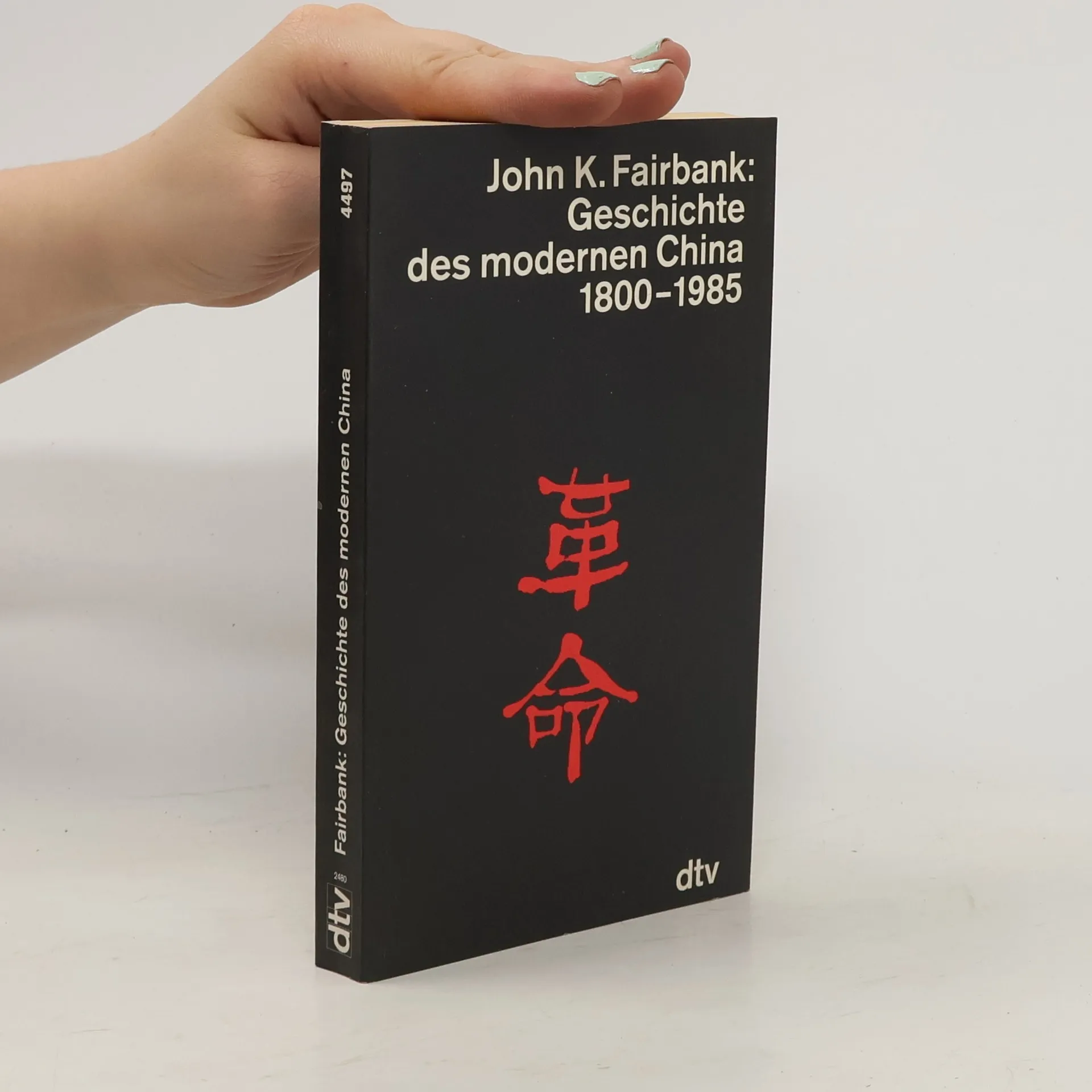
Die Geschichte Chinas von dem bedeutenden amerikanischen Sinologen John K. Fairbank bietet einen umfassenden Überblick über die lange Geschichte dieses fernen Landes. Das Werk enthält eine Chronologie wichtiger historischer und kultureller Ereignisse sowie übersichtliche Tabellen der chinesischen Herrscher und Monarchen. Darüber hinaus wird eine nützliche Tabelle zur chinesischen Transkription bereitgestellt, ergänzt durch eine detaillierte Literaturliste, Bilder und ein Register.
John King Fairbank Bücher
24. Mai 1907 – 14. September 1991

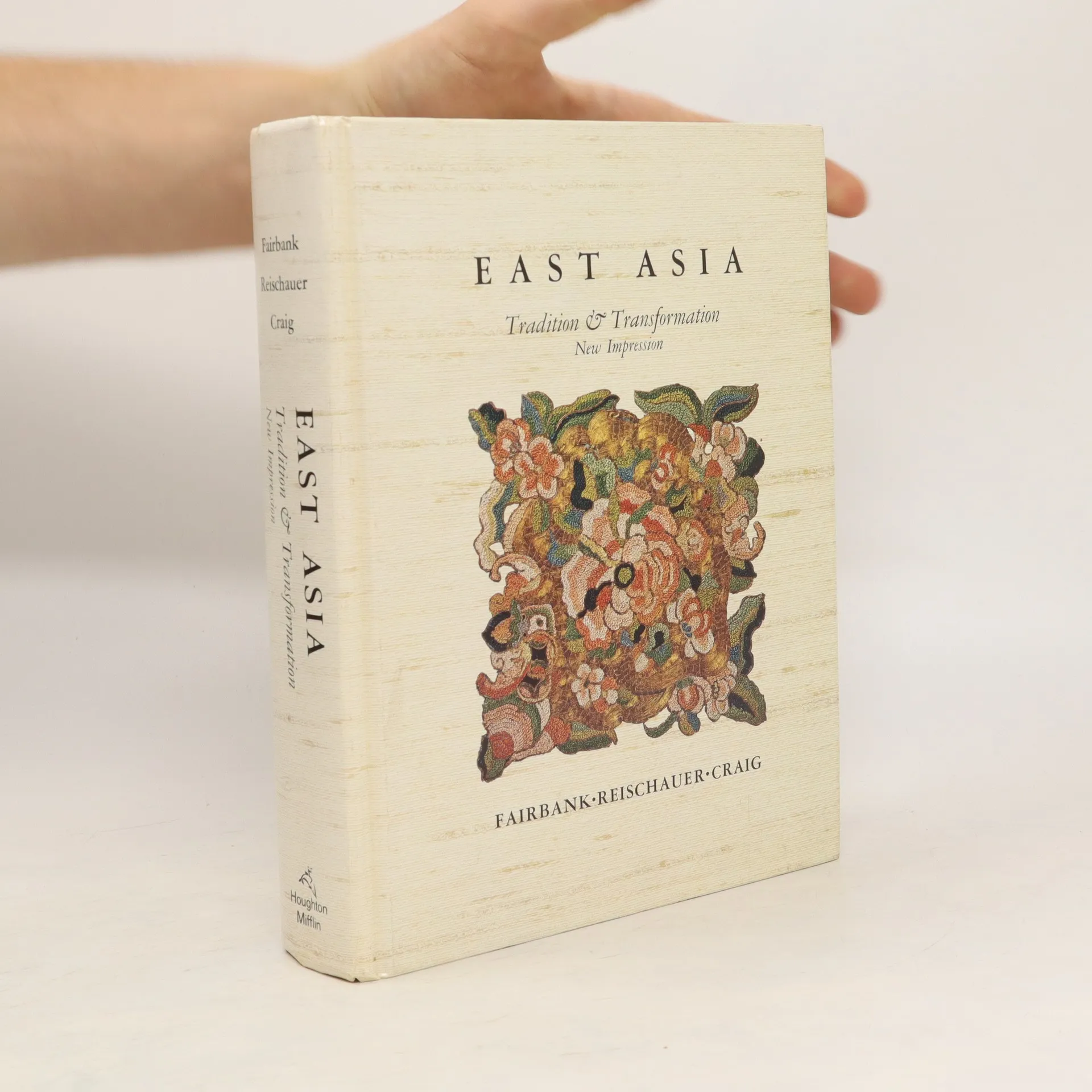
East Asia, Tradition & Transformation
- 982 Seiten
- 35 Lesestunden
A book about East Asia specifically China, Korea and Japan.
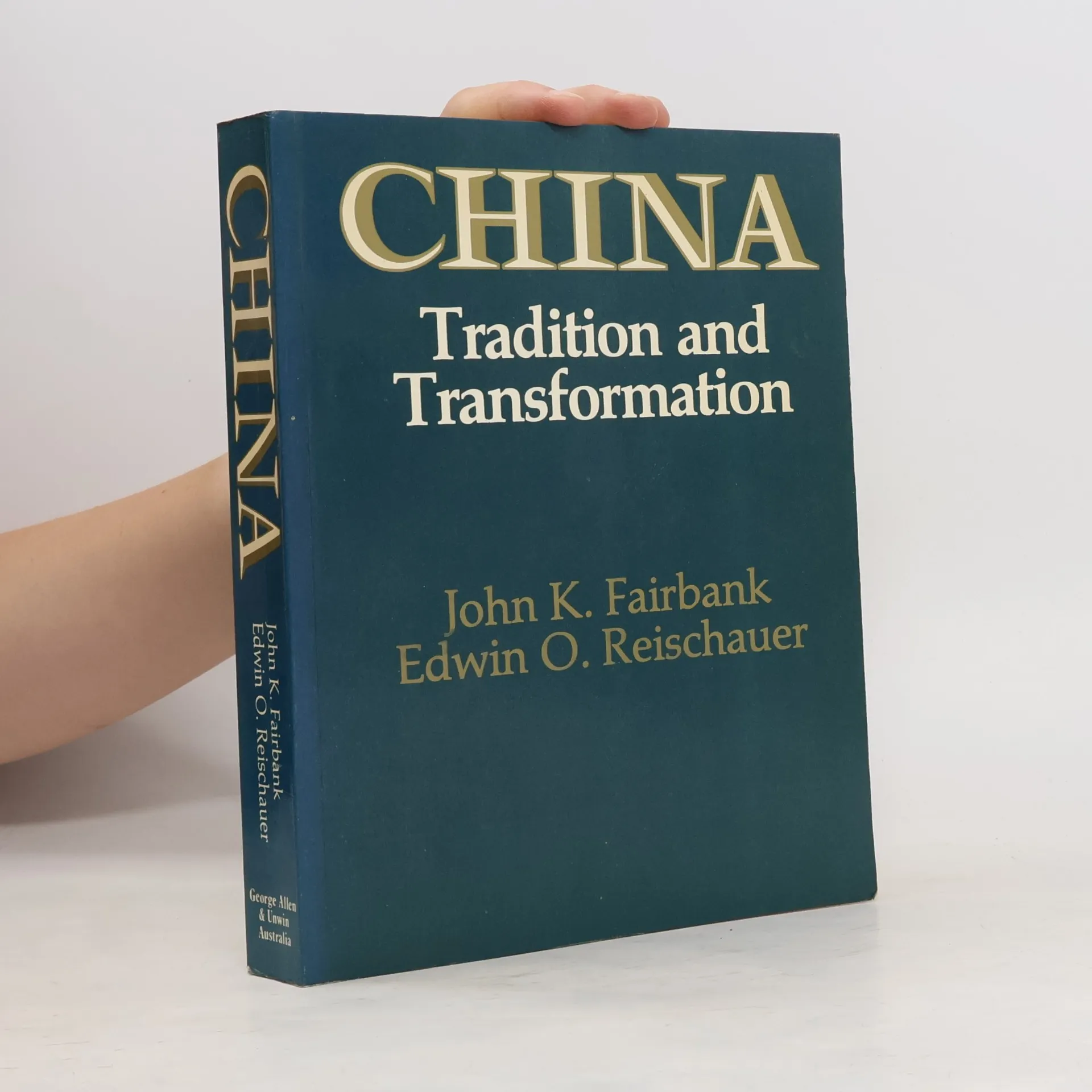
China, Tradition & Transformation
- 572 Seiten
- 21 Lesestunden
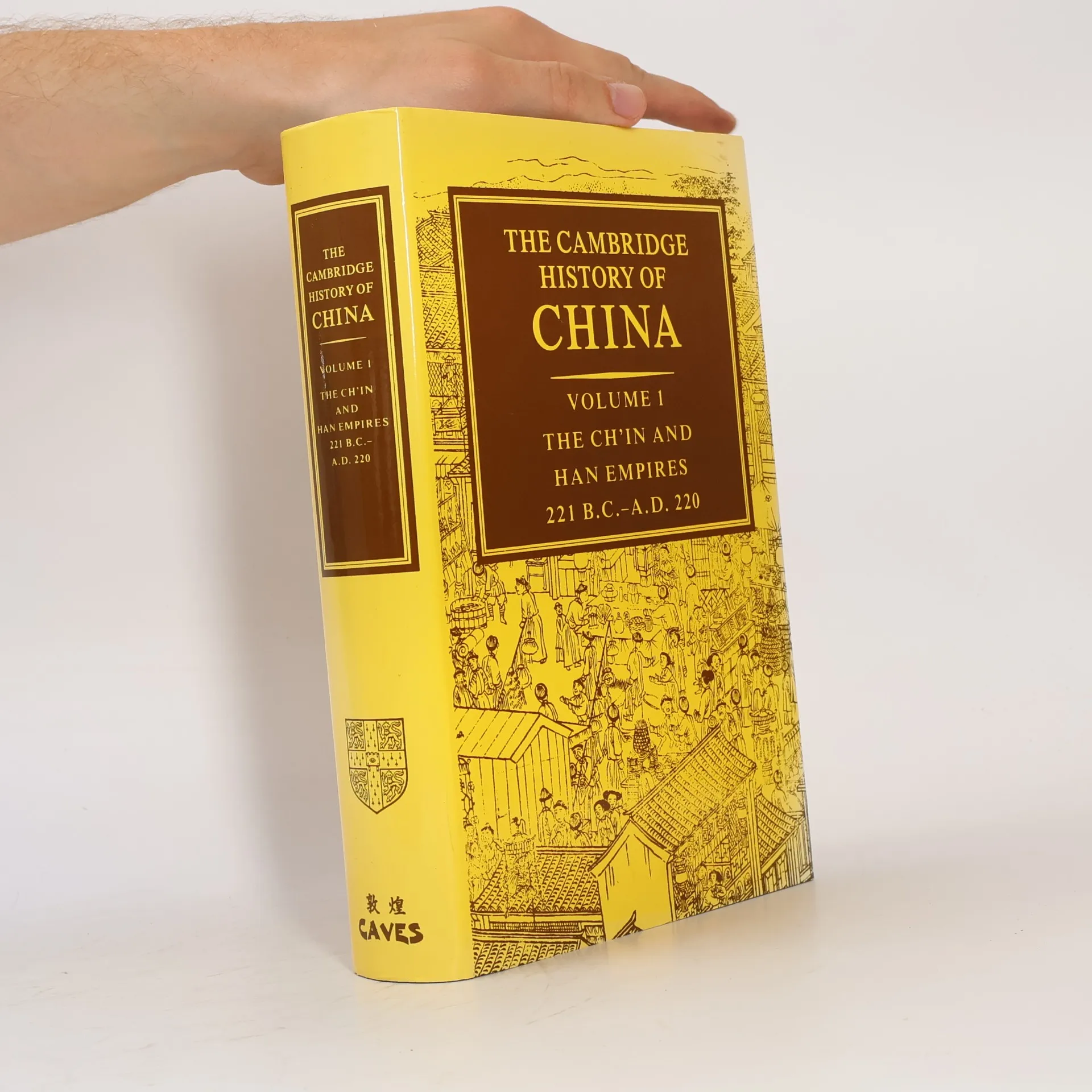
The Cambridge History of China, Volume 1
The Ch'in and Han Empires, 221 B.C.-A.D. 220
- 1024 Seiten
- 36 Lesestunden
This volume begins the historical coverage of The Cambridge History of China with the establishment of the Ch'in empire in 221 BC and ends with the abdication of the last Han emperor in AD 220. Spanning four centuries, this period witnessed major evolutionary changes in almost every aspect of China's development, being particularly notable for the emergence and growth of a centralized administration and imperial government. Leading historians from Asia, Europe, and America have contributed chapters that convey a realistic impression of significant political, economic, intellectual, religious, and social developments, and of the contacts that the Chinese made with other peoples at this time. As the book is intended for the general reader as well as the specialist, technical details are given in both Chinese terms and English equivalents. References lead to primary sources and their translations and to secondary writings in European languages as well as Chinese and Japanese.
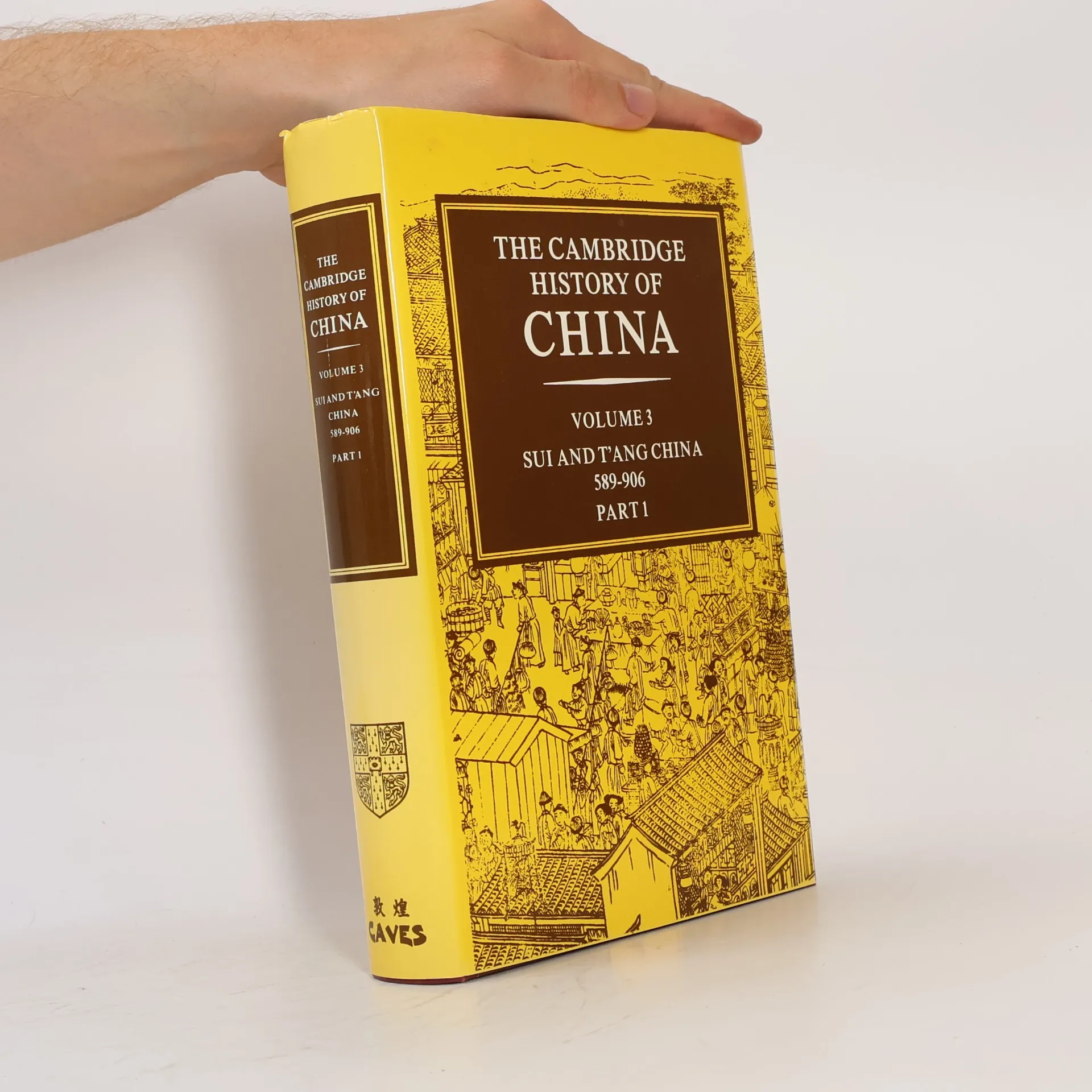
The Cambridge History Of China - 3, Part 1: Sui And T'ang China
589-906 AD, Part 1
- 872 Seiten
- 31 Lesestunden
The Cambridge History of China is one of the most far-reaching works of international scholarship ever undertaken, exploring the main developments in political, social, economic and intellectual life from the Ch'in empire to the present day. The contributors are specialists from the international community of sinological scholars. Many of the accounts break new ground; all are based on fresh research. The works are written not only with students and scholars but also with the general reader in mind. No knowledge of Chinese is assumed, though for readers of Chinese, proper and other names are identified with their characters in the index. Numerous maps and tables illustrate the text. Volume 3, covers the second great period of unified imperial power, 589–906, when China established herself as the centre of a wider cultural sphere, embracing Japan, Korea and Vietnam. It was an era in which there was a great deal of rapid social and economic change, and in which literature and the arts reached new heights of attainment.