

Gratis Versand ab 16,99 €. Mehr Infos.
Bookbot

Sarah Weinman

    Sarah Weinman ist eine angesehene Autorin und Redakteurin mit tiefgreifender Expertise im Bereich der Kriminalliteratur. Ihre Arbeit zeichnet sich durch scharfe Einblicke und eine maßgebliche Stimme innerhalb des Genres aus, was sie zu einer führenden Autorität für Kriminalfälle und Mysterien macht. Weinman taucht tief in die komplexen Motivationen und Psychologien ein, die Kriminalerzählungen antreiben, und bietet Lesern fesselnde und aufschlussreiche Erkundungen. Ihre redaktionellen Beiträge spiegeln zudem ihr Engagement für sorgfältig ausgearbeitetes und zum Nachdenken anregendes Storytelling wider.

    Scoundrel
    Evidence of Things Seen
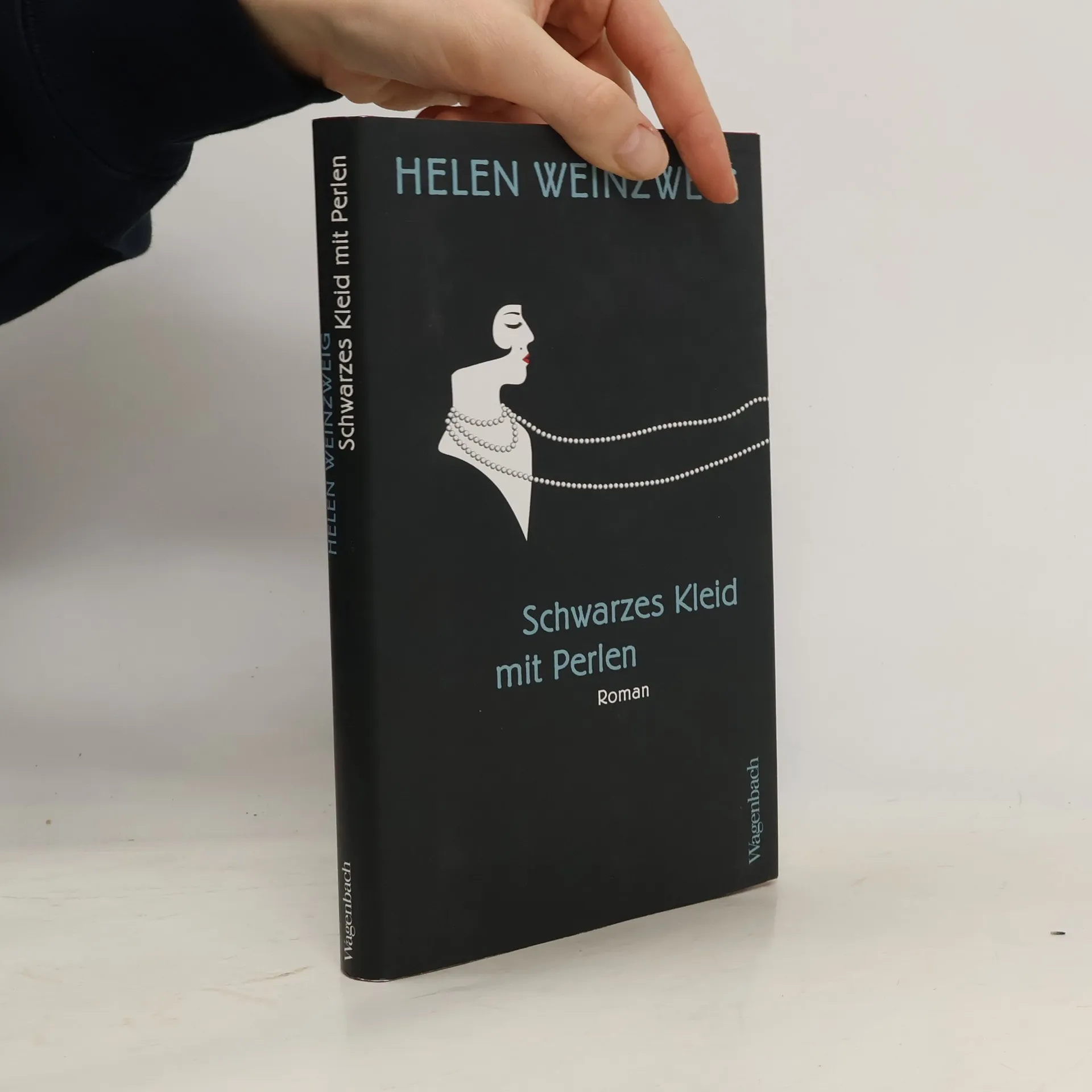
    Schwarzes Kleid mit Perlen
    • Schwarzes Kleid mit Perlen

      • 192 Seiten
      • 7 Lesestunden

      Die auf Postkarten festgehaltenen Erinnerungen an gemeinsame Nächte in Barcelona, Genua oder Hongkong trägt Shirley immer bei sich. Ihr Geliebter Coenraad ist in geheimer Mission unterwegs und dabei ein Meister der Verwandlung. Getarnt als Kellner, Obdachloser, Touristenführer oder Verkäufer erkennt ihn Shirley zumeist nur an seiner Stimme, wenn überhaupt. Um Hinweise auf ein Rendezvous zu entdecken, muss sie versteckte Botschaften im »National Geographic« finden und entschlüsseln. In Erwartung der nächsten Nachricht irrt sie durch Museen und Hotellobbys – mit offenem Herzen und ungebrochenem Elan. Währenddessen wird sie in vielen absurden Begegnungen auch mit ihrer bewegten Vergangenheit und Erinnerungen an ihre verrückten Eltern konfrontiert. Bei ihrer Heimkehr findet Shirley nicht nur ein völlig umdekoriertes Haus vor, sondern auch eine neue Frau im Ehebett. Sie legt sich kurzerhand als Dritte dazu. Dann aber zieht die ebenso eigenwillige wie tatkräftige Shirley lieber wieder hinaus in die Welt, dieses Mal ohne Perlenkette. Weinzweigs skurriler Roman, der das Zeug zum Kultbuch hat, wurde von Brigitte Jakobeit, Trägerin des Heinrich Maria Ledig-Rowohlt-Preises, kunstvoll ins Deutsche übertragen.

      Schwarzes Kleid mit Perlen
      3,7
    • Evidence of Things Seen

      • 304 Seiten
      • 11 Lesestunden

      From Sarah Weinman, the award-winning editor of Unspeakable Acts, a groundbreaking new anthology showcasing the future of the true crime genre True crime, as an entertainment genre, has always prioritized clear narrative arcs: victims wronged, police detectives in pursuit, suspects apprehended, justice delivered. But what stories have been ignored? In Evidence of Things Seen, fourteen of the most innovative crime writers working today cast a light on the cases that give crucial insight into our society. Wesley Lowery writes about a lynching left unsolved for decades by an indifferent police force and a family's quest for answers. Justine van der Leun reports on the thousands of women in prison for defending themselves from abuse. May Jeong reveals how the Atlanta spa shootings tell a story of America. Edited by acclaimed writer Sarah Weinman, and with an introduction by attorney and host of the Undisclosed podcast Rabia Chaudry, this anthology pulls back the curtain on how crime itself is a by-product of America's systemic harms and inequalities. And in doing so, it reveals how the genre of true crime can be a catalyst for social change. These works combine brilliant storytelling with incisive cultural examinations--and challenge each of us to ask what justice should look like. Evidence of Things Seen introduces the new classics of true crime.

      Evidence of Things Seen
      3,6
    • In the 1960s, Edgar Smith, sentenced to death for murdering teenager Victoria Zielinski, corresponded with William F. Buckley, founder of National Review. Buckley, unable to believe that a supporter of the neoconservative movement could commit such a crime, advocated for Smith's life and sentence to be overturned. This sets the stage for a bizarre and tragic narrative of mid-century America. Sarah Weinman's exploration reveals the twists of fate that led Smith to freedom, fame, and ultimately another attempted murder. Smith emerges as a psychopath who gained public acclaim and acceptance before his eventual downfall. Weinman examines the individuals he deceived—Buckley, a book editor, friends, and romantic interests—alongside the American public that bought into his fabrications. The narrative questions who is granted innocence and how society becomes complicit in the stories we share. With clarity and sympathy for those affected by Smith's actions, the work illustrates how he manipulated well-meaning individuals and the American criminal justice system. It uncovers a neglected chapter of American history at the intersection of justice, prison reform, and civil rights, highlighting the profound impact of one man's misguided efforts to liberate another at the expense of Smith's victims.

      Scoundrel
      3,6