

A significant shift is occurring in cognitive sciences, moving from digital computer-inspired models to those based on the brain's properties. These new models, known as connectionist, parallel distributed processing, or neural network models, suggest that complex intellectual tasks can be performed by networks of simple, neuron-like units. Although these units are low-level and 'stupid,' intelligent performance emerges from the connections between them, with fundamental cognitive activity centered on pattern recognition and completion. This book introduces this emerging approach to understanding the mind, beginning with network architecture and providing an accessible overview of the equations governing learning and activation propagation, complete with a glossary. Readers are guided through the workings of networks involved in pattern recognition, learning, and cognitive tasks like memory retrieval and prototype formation. The latter sections explore the implications of connectionism for philosophical and psychological theories of the mind. Key questions arise about the role of pattern recognition in cognitive functions, the potential limitations of connectionist models, and their ability to account for linguistic and symbolic processing. Additionally, the book examines the relationship between connectionist models and philosophical accounts of propositional attitudes, as well as their relevance to cognitive psychology,
William Bechtel Bücher


Discovering Cell Mechanisms
- 336 Seiten
- 12 Lesestunden
The book highlights the significant discoveries made by cell biologists regarding cellular mechanisms, focusing on the innovative instruments that enabled these scientific inquiries. It explores the interplay between technological advancement and biological understanding, showcasing how tools have shaped our knowledge of cell biology.
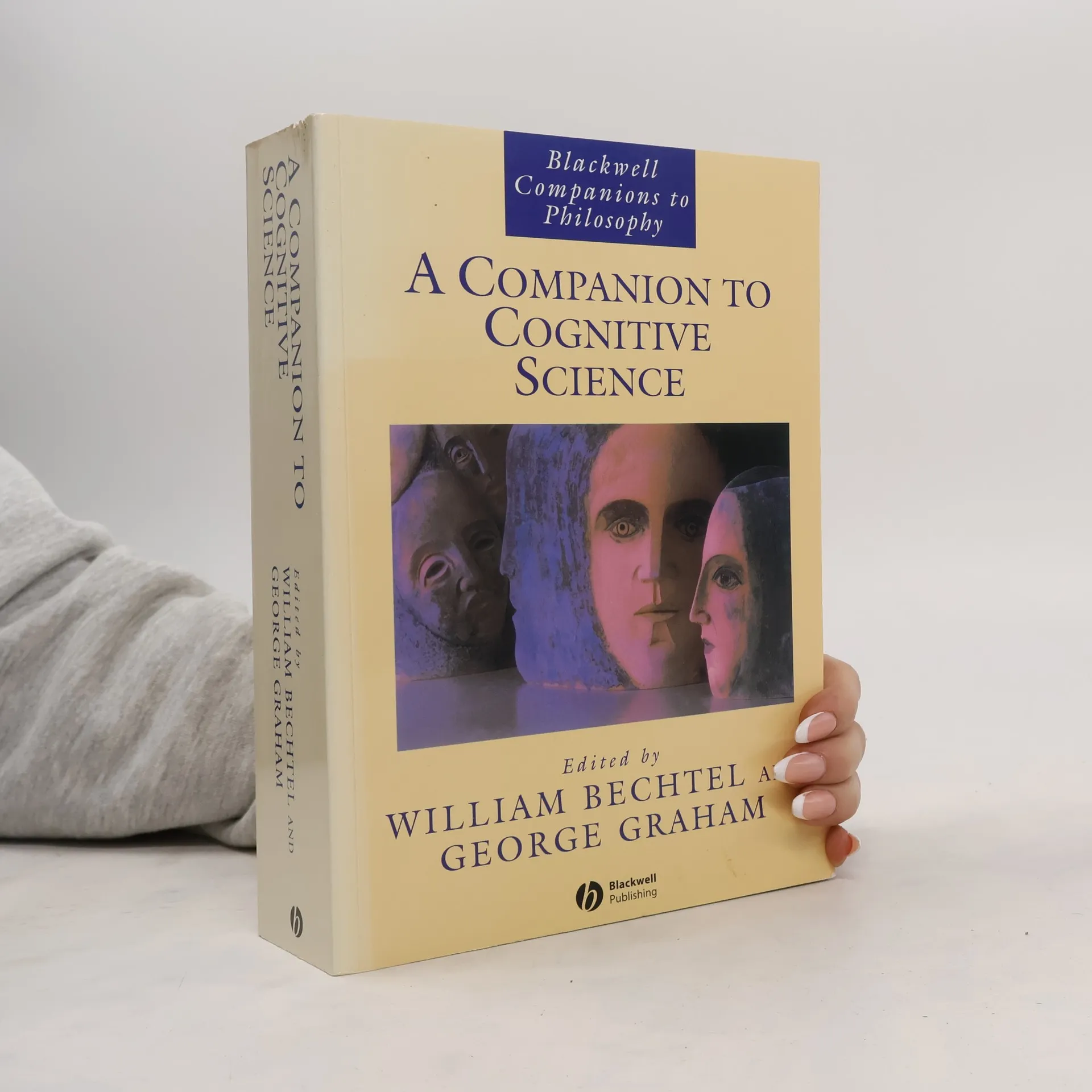
Unmatched in the quality of its world-renowned contributors, this multidisciplinary companion serves as both a course text and a reference book across the broad spectrum of issues of concern to cognitive science.