Bookbot

Christine Mehring Bücher

    Neo Rauch
    Bauhaus 1919-1933
    Flora & Leo. Mein erstes Herbarium
    Verborgene Welt der Zauberei
    • Verborgene Welt der Zauberei

      • 96 Seiten
      • 4 Lesestunden

      Auf einem Spaziergang findet Alex einen alten Zauberhut, der eine unheimliche Faszination ausstrahlt. Er setzt den Hut auf und wird zurück in die Geschichte der Zauberei transportiert. In seiner Reise lernt Alex, begleitet von der Schwester Hannah, die allergrößten Magier, von Merlin bis Houdini und Copperfield, kennen. Jeder bringt ihm Zaubertricks bei, und erzählt wertvolle Weisheiten über die Verantwortung der Magier. Am Ende ihrer magischen Zeitreise können Alex und Hannah auf dem Schulhof und im Freundeskreis die frisch gelernten Zaubertricks vorführen und vieles über die Magie erzählen.

      Verborgene Welt der Zauberei
      5,0
    • Mein erstes Herbarium ist ein Bestimmungsbuch und Sammelalbum für Pflanzen. Das Buch gliedert sich in zwei Teile: Der erste Teil befasst sich mit der Theorie, was ist ein Herbarium und wie legt man es an. Außerdem gibt es hier Informationen, die beim Bestimmen von Pflanzen helfen. z.B. durch Blatt - und Blütenformen. Tipps zum Pressen und Aufbewahren runden diesen Teil ab. Im zweiten Teil werden 12 bekannte Pflanzen vorgestellt. Neben den Infos gibt es Basteltipps und Platz, um die eigenen Funde einzukleben. Ein Buch für Kinder und die ganze Familie.

      Flora & Leo. Mein erstes Herbarium
    • Bauhaus 1919-1933

      Workshops for Modernity

      • 328 Seiten
      • 12 Lesestunden

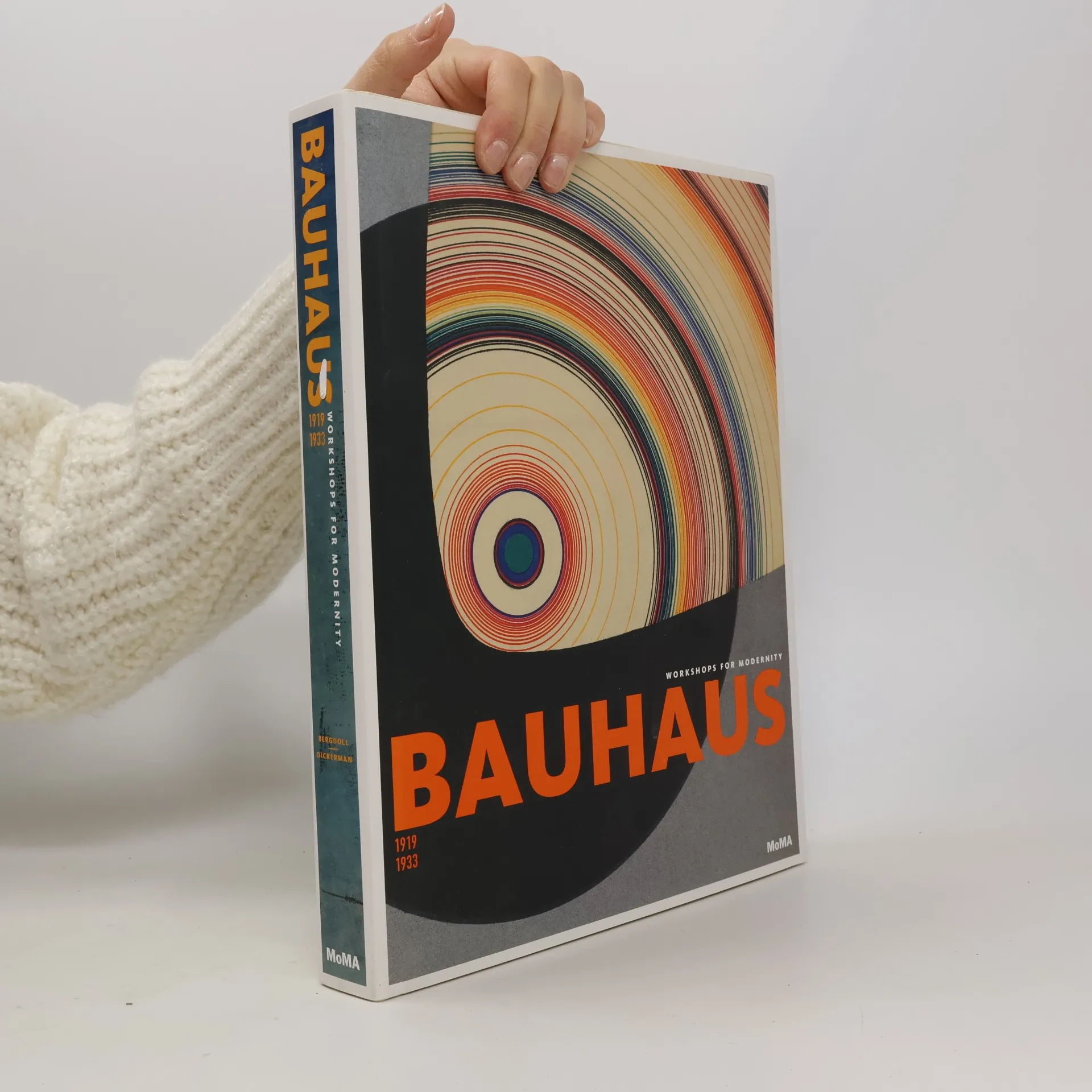
      The Bauhaus, founded in Germany in 1919 and closed by the Nazis in 1933, united artists, architects, and designers such as Anni and Josef Albers, Herbert Bayer, and Vasily Kandinsky in a groundbreaking dialogue about art in the industrial age. The school aimed to redefine modern life through a remarkable range of visual arts experiments that have significantly influenced today's world. The accompanying publication, released for a major multimedia exhibition, marks The Museum of Modern Art's first comprehensive exploration of the subject since its notable 1938 exhibition. Organized in collaboration with Germany's key Bauhaus collections, it delves into the diverse outputs of the school, including industrial design, architecture, graphics, textiles, and more. Many featured objects have rarely been seen or published outside Germany. The book includes around 400 color plates and documentary images, along with two essays by curators Barry Bergdoll and Leah Dickerman that offer fresh insights into the Bauhaus. Additionally, over 20 leading scholars contribute shorter essays on 30 significant Bauhaus objects, while an illustrated chronology provides a vibrant overview of the school's history.

      Bauhaus 1919-1933
    • Neo Rauch

      Renegaten

      • 40 Seiten
      • 2 Lesestunden

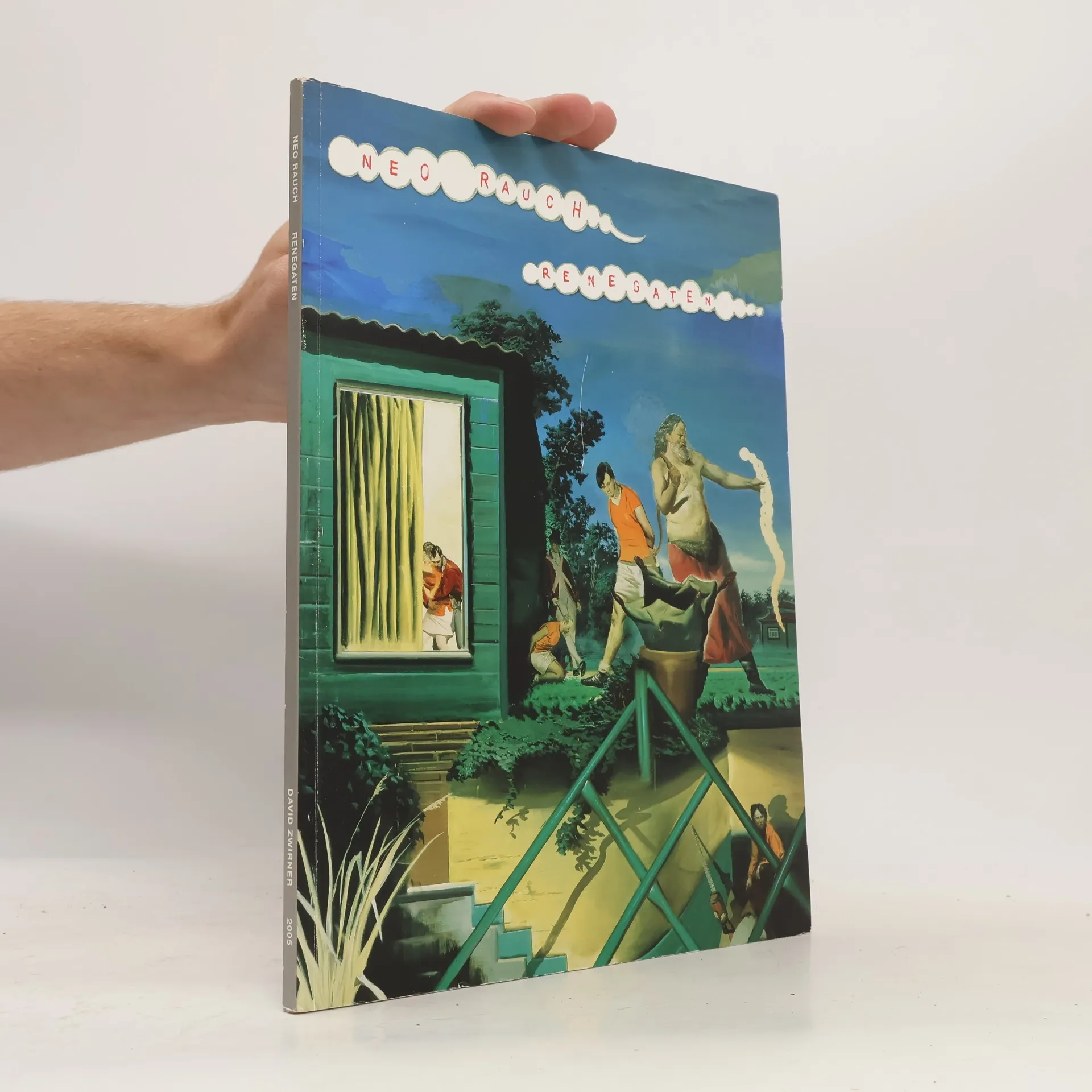
      Educated at the Leipzig Academy by the old school of Social Realist painters, Neo Rauch has emerged as one of its most influential graduates. His work blends industrial symbolism, painterly figuration, and a unique form of Neo-Romanticism, shaped by his experiences with Communist-era advertising in East Germany. This environment of constant fear has significantly influenced his art. The juxtaposition of a proletarian ethic with stoic inactivity gives his paintings a timeless quality. Many compositions feature athletic figures engaged in labor, set against architectural elements, futuristic yet oddly old-fashioned industrial devices, and desolate landscapes. Characters are introduced through vignettes, with their tasks illustrated by props like tools and books. More ambiguous images exist within these scenes, pushing narratives into unfamiliar realms. Each element, whether cartoonish or realistic, is balanced by political and visual authenticity, showcasing the artist's technical prowess and deep connection to his vernacular. Rauch's interest in figures and work-related props allows for formal exploration, reflecting the properties of paint itself. For instance, paint draped over an arm or a rake dragged through grass blurs the line between object and reference to the artist's materials. In Lösung (2005), a series of events unfolds around a window of a flat-roofed home, featuring a couple behind a curtain and multiple simultane

      Neo Rauch