Empire's Endgame
- 160 Seiten
- 6 Lesestunden
An insightful analysis examining race, the state, the media and criminalisation in Britain



An insightful analysis examining race, the state, the media and criminalisation in Britain
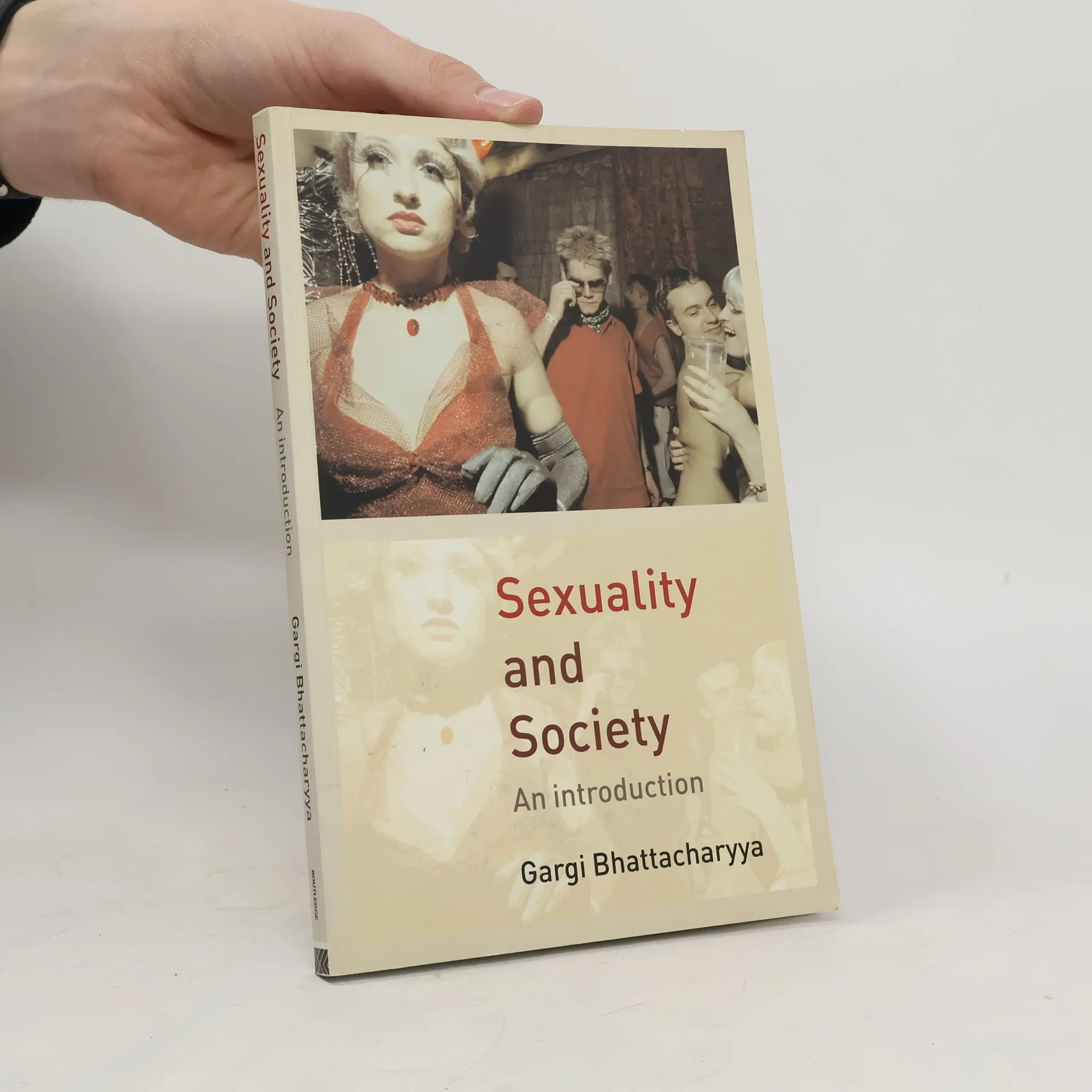
In this broad-ranging introduction to the study of sexuality, Gargi Bhattacharyya guides students through the key theoretical debates in the area from the early history of sexology, through Foucault's technologies of self to Judith Butler on the performance of identity. Bhattacharyya shows how these theoretical positions apply to sexuality as it is experienced in contemporary society, and covers key topics such * the ideology of heterosexuality* sex and the state* sex, race and 'the exotic'* age and sexuality* sex education and pornography.The book argues that the study of sexuality is an essential part of broader debates on gender, race, citizenship and community. Topical and original, it provides a systematic overview of theory combined with up-to-the minute discussion of social and race issues. It gives students a lucid map of the terrain, and an exciting starting point for their own investigations.
Capitalism appears to be endlessly in crisis, but without ever loosening its hold on our lives. New modes of racism and exclusion emerge, but the old ones never go away. We continue to struggle to live and survive in its wake but are unable, still now, to build commonality with each other. In this incisive book, Gargi Bhattacharyya revisits debates about racial capitalism and its violence through differentiation. Taking the four lenses of prisons, borders, debt and platforms, they reveal how this moment of capitalist crisis positions humans as expendable, but differentially so, in a process that remakes longstanding racialized hierarchies. Uncovering practices and techniques embedded in the shifting processes of accumulation and state power, the chapters illuminate how value is extracted from populations through non-wage routes and indebtedness. This engaging introduction to racial capitalism offers an interlocking and insightful analysis of capitalist renewal, essential for students and scholars interested in issues of race, racism and inequality.
What do we do when the world breaks our hearts? Racial capitalism in the age of pandemic continues to crush ever more lives and spirits. Yet, we are told repeatedly to master, to overcome, to be resilient. Beneath this fragile pretence of coping, many of us have grown used to living with profound and fathomless sorrow.In graceful prose, Gargi Bhattacharyya navigates collective grief and how it mingles with personal tragedy. Alongside love and joy, perhaps grief is what makes us human―and while its pain scrapes our wounds, its presence can help us renounce that which exists and build anew. Heartbreak is the class consciousness of our times. So, it is up to us, the heartbroken, to learn again to heal—and remake the world.Gargi Bhattacharyya lives and works in London. Their work includes writing on racism, racial capitalism, austerity and war.