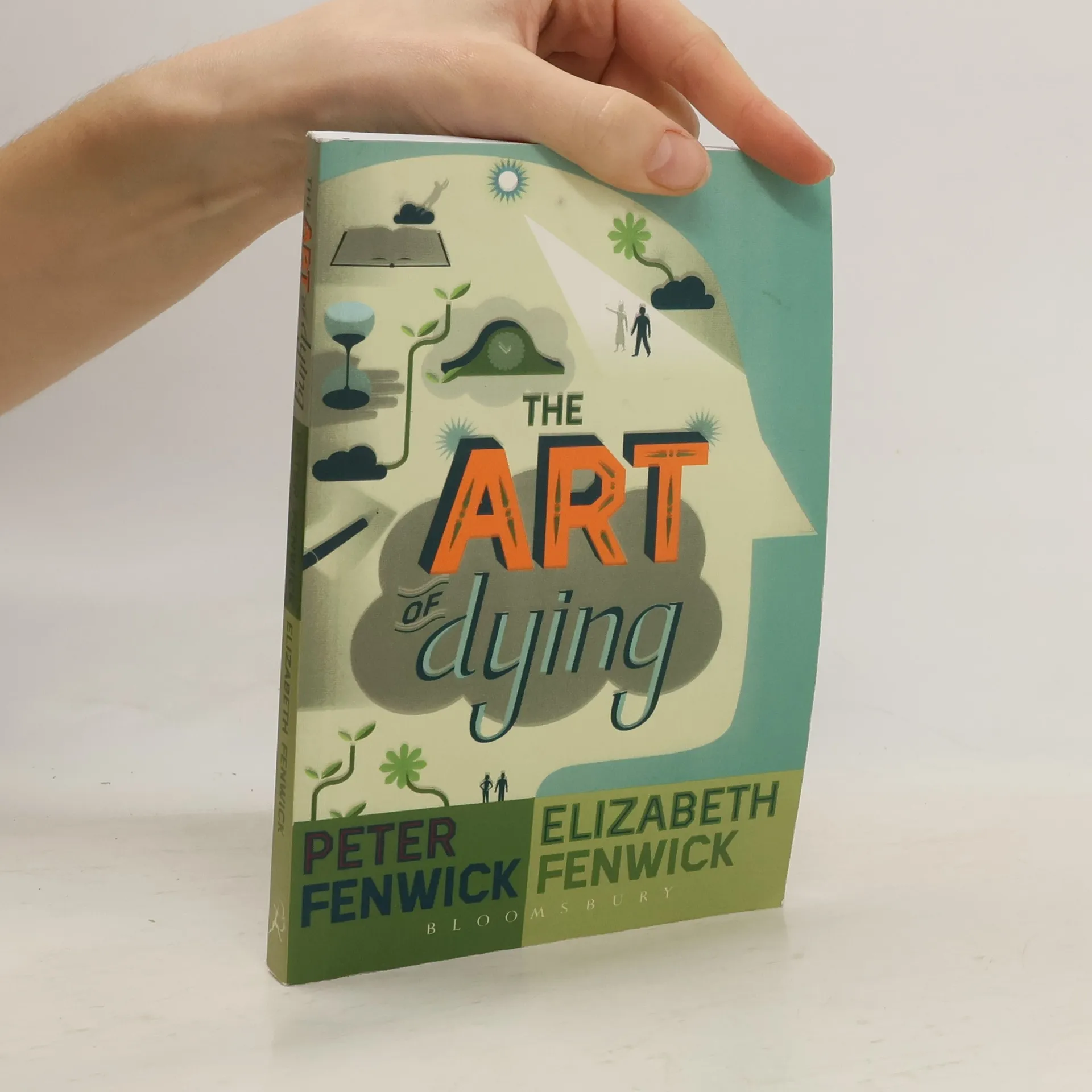
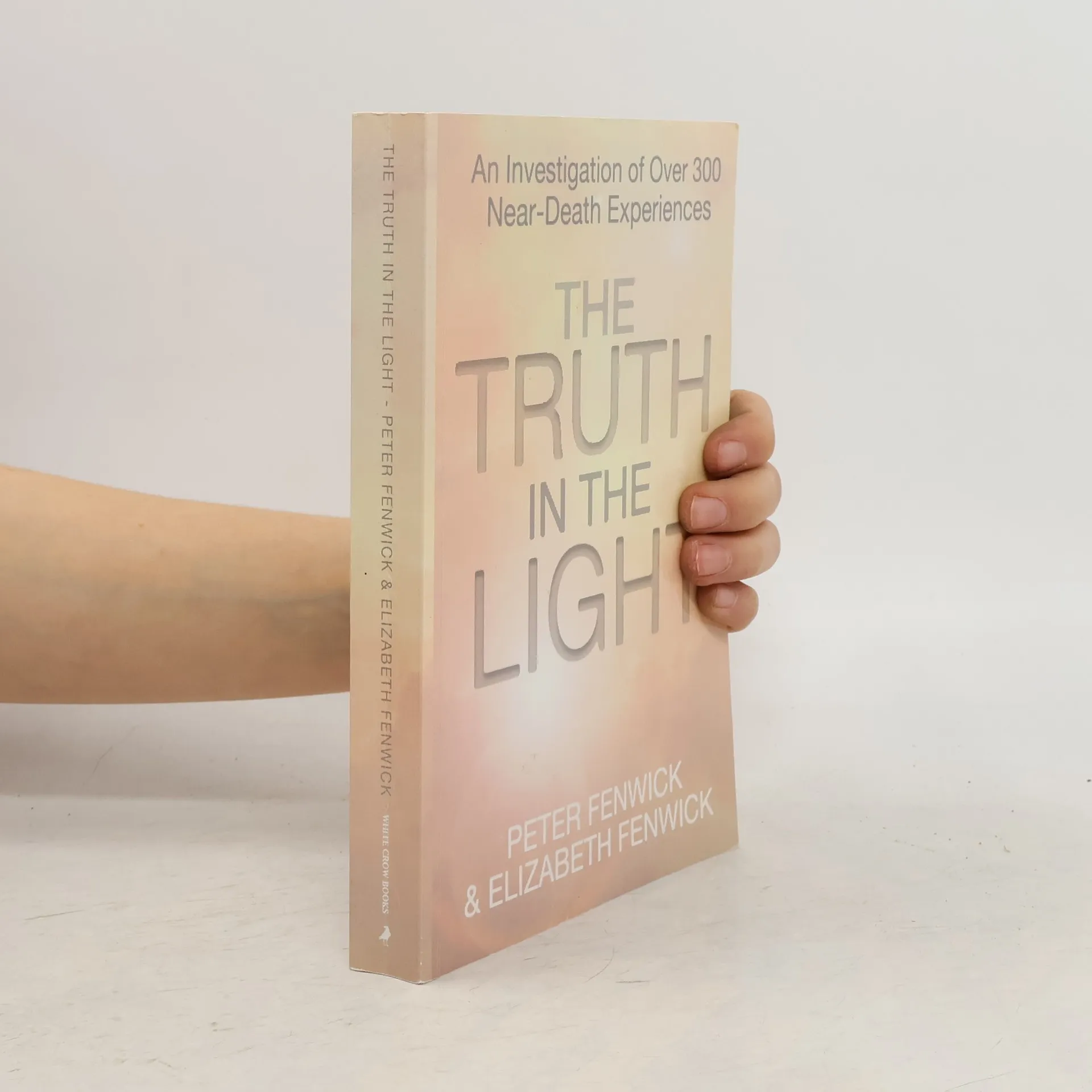
„Die Kunst des Sterbens“ ist ein übersetztes Werk, das Sterbenden, Angehörigen und Pflegepersonal hilft, den Sterbevorgang zu verstehen und sich mit dem Tod auseinanderzusetzen. Peter Fenwick, Neuropsychiater und Experte, untersucht Nahtoderfahrungen und kulturelle Ansätze zum Tod, um neue Perspektiven zu fördern und den Umgang mit dem Sterben zu verbessern.
An Investigation of Over 300 Near-Death Experiences
318 Seiten
12 Lesestunden
Most of us ponder our immortality, and many believe in something beyond death. In Western Judaeo-Christian culture, we learn that virtue is rewarded later and that the universe has moral absolutes. However, science increasingly presents a mechanical universe devoid of absolute morality, where human purpose is limited to cultural and biological contexts. In this data-driven age, we seek evidence, and near-death experiences (NDEs) provide intriguing insights into our concepts of Heaven and Hell. NDEs are notable for their commonality and cross-cultural presence, with surveys suggesting over a million Americans have reported such experiences. This prevalence likely influences our perceptions of life and the afterlife, potentially shaping our ideas about Heaven and Hell. The accounts in this work are first-hand testimonies from individuals who reached out after media coverage sparked their interest in NDEs. We collected detailed responses from 500 participants to understand the NDE phenomenon better. The statistics and personal stories shared here are not just data; they are heartfelt testimonies that enrich our exploration of truth and light. I am grateful to those who shared their experiences, as their contributions are the foundation of this work.
The Art of Dying is a contemporary exploration of achieving a good death, inspired by the medieval Ars Moriendi. Peter Fenwick, a distinguished neuropsychiatrist and expert in brain disorders, focuses on end-of-life phenomena, including near-death experiences and deathbed visions. His research extends to the insights of hospice and palliative care workers and the families of the dying. Fenwick posits that consciousness may exist independently of the brain, a theory that has sparked debate within the scientific community. He argues that our cultural attitudes towards death, often rooted in fear and avoidance, hinder our ability to embrace it as a significant and sacred aspect of life.
The book aims to shift perspectives in Western society, encouraging a more open engagement with death. It examines how various cultures, such as the Tibetan "death system" and the teachings of Swedenborg, approach the dying process, juxtaposing these views with contemporary scientific findings. Fenwick also highlights the experiences of healthcare professionals who seek a deeper understanding of the dying process and the need for training to help patients navigate their final moments. By addressing common barriers to a good death—such as unresolved emotions and unfinished business—this work serves as a valuable resource for coming to terms with death and fostering a more compassionate approach to the end of life.