Nancy L. RosenblumReihenfolge der Bücher (Chronologisch)
Nancy L. Rosenblum erforscht die Komplexität von Demokratie und Politik anhand des alltäglichen Lebens. Ihre Arbeit untersucht, wie sich politische und ethische Prinzipien in unseren sozialen Interaktionen manifestieren. Die Autorin beschäftigt sich mit tiefgreifenden Fragen des bürgerschaftlichen Engagements und der Rolle der Parteinahme in der Gesellschaft. Ihre Analysen bieten aufschlussreiche Perspektiven auf die Funktionsweise der Demokratie in der Praxis.
How the new conspiracists are undermining democracy—and what can be done about it Conspiracy theories are as old as politics. But conspiracists today have introduced something new—conspiracy without theory. And the new conspiracism has moved from the fringes to the heart of government with the election of Donald Trump. In A Lot of People Are Saying, Russell Muirhead and Nancy Rosenblum show how the new conspiracism differs from classic conspiracy theory, how it undermines democracy, and what needs to be done to resist it.
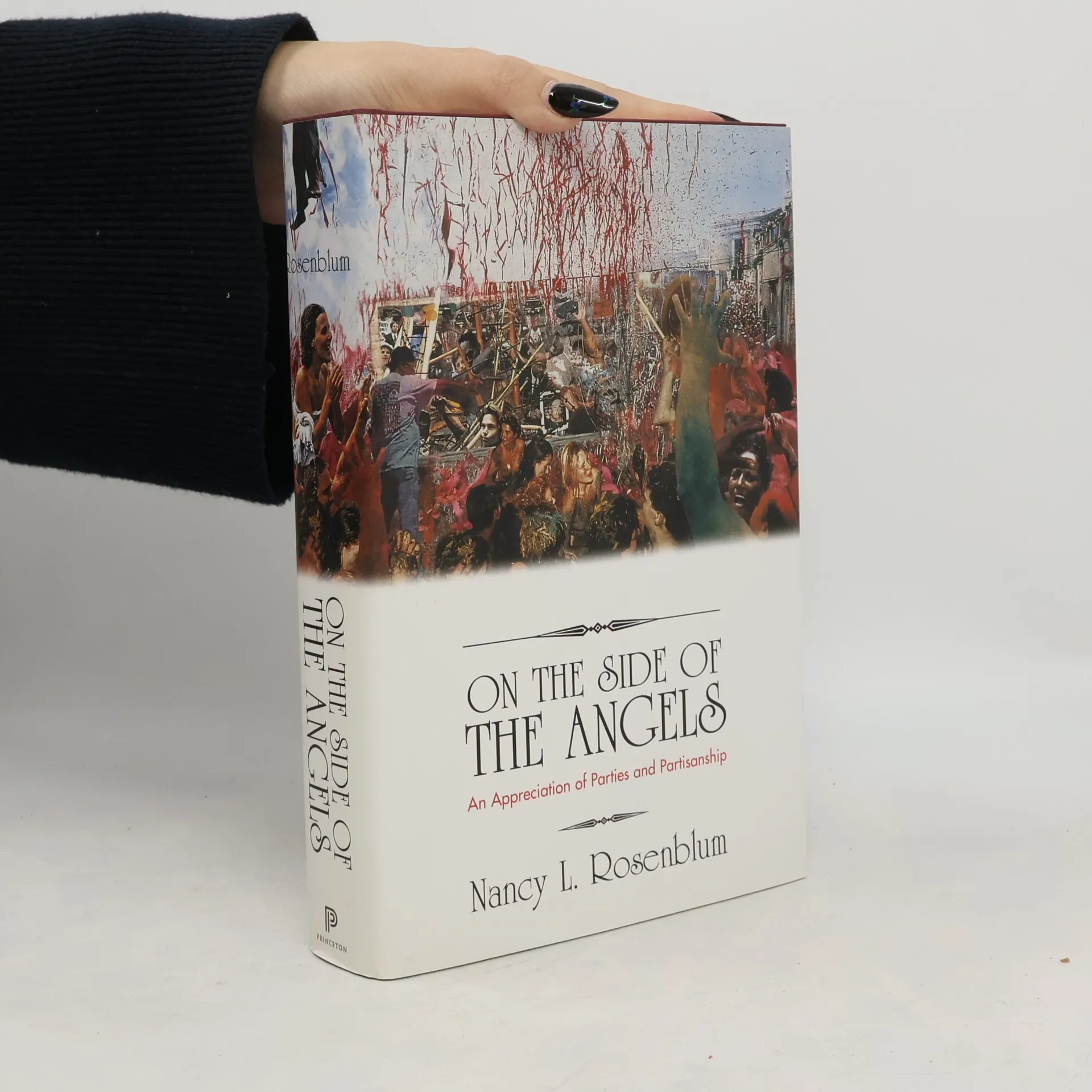
Political parties are central to representative democracy and are often celebrated in political science for their governing and electoral roles. However, many political theorists dismiss parties as mere arenas of ambition, hindering meaningful political participation. This work presents a robust defense of the virtues of parties and partisanship, arguing for their significance in political theory. Nancy Rosenblum navigates between political theory and science, utilizing insights from both to foster an appreciation for parties and the moral uniqueness of partisanship. She explores the history of political thought, highlighting opposition to parties alongside moments of recognition. Rosenblum articulates her theoretical perspective on parties, emphasizing their role in managing rivalries, channeling political energies, and delineating divisions that make pluralist politics functional. She advocates for the identity of "partisan" over the often-celebrated "independent" status and examines the boundaries contemporary democracies should consider in regulating parties. This work provides an ethics of partisanship relevant to discussions of centrism, extremism, and polarization in American politics, ultimately addressing the neglect of parties in political philosophy and enriching the discourse in political and democratic theory.