

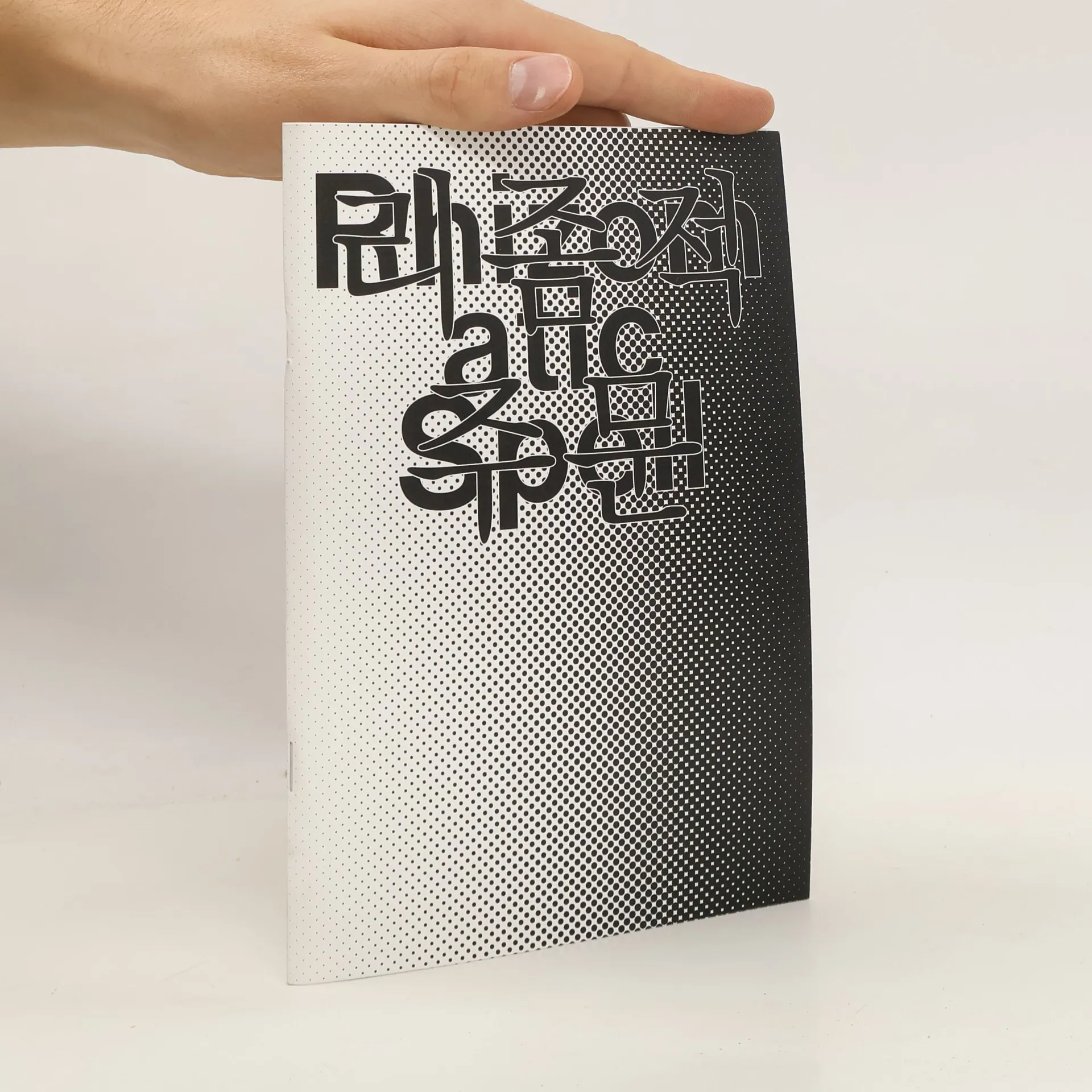
Katalog přináší přehled textů a fotografií z výstavy Rhizomatic Spell. Moderní člověk uvažuje o světě, ve kterém žije, jako o odkouzleném. Tuto myšlenku jsme zdědili od Maxe Webera, který ji převzal z argumentace Friedricha Schillera o odlišnosti života ve starověkémŘecku a moderní době. Stejně jako Schiller i Weber viděl moderní svět jako vysoce racionalizovaný, zbavený záhad a symbolů, a to vše díky technologickému vývoji, který akceleroval během průmyslové revoluce. Racionalizace pronikla skrze náboženství, vědu, ekonomii i státní správu. Všem těmto oblastem dnes vévodí technologie, dokonce i náboženství, k němuž Walter Benjamin přirovnával kapitalismus. Odkouzlení také znamená odcizení člověka. Karl Marx společně s Friedrichem Engelsem popsali, jak se v kapitalistické společnosti práce stala odcizenou, když dělníci již nevlastní výrobní prostředky. Člověk se odcizil světu, o němž si myslel, že jej zná. Technologie vytvářejí nová pouta, jejichž povaha je v lecčems magičtější a mytolo-gičtejší, než tomu bylo dříve. RHIZOMATIC SPELL: ♈️ O XENO-MAGII Eva Skopalová ♋️ RHIZOMATIC SPELL: ON XENO-MAGIC Eva Skopalová ♎️ ASTROLOGICKÝ ROZBOR / THE ORACLE CORPORATION ♐️ DEFINICE MAGIE Henri Hubert & Marcel Mauss ♒️ MAGIE: METAFYZIKA POUTA Laurent de Sutter ♉️ MÝTUS, MAGIE A MYSTICISMUS V INFORMAČNÍM VĚKU Erik Davis UMĚLCI / ARTISTS
Erik Davis Reihenfolge der Bücher (Chronologisch)
Erik Davis ist ein amerikanischer Schriftsteller, dessen Werk von Rockkritik über Kulturanalysen bis hin zu kreativen Erkundungen des esoterischen Mystizismus reicht. Seine Schriften befassen sich mit den komplexen Schnittstellen von Technologie, Bewusstsein und spirituellen Traditionen und enthüllen verborgene Muster und Bedeutungen in der zeitgenössischen Kultur. Davis' Ansatz zeichnet sich durch tiefgehende Recherche und fesselnde Prosa aus, die den Leser durch das faszinierende Terrain der modernen Sinnstiftung führt. Er hat sich als scharfsinniger Beobachter und Denker etabliert, der die ungewöhnlicheren Dimensionen unserer Welt durch seine Schriften und öffentlichen Vorträge beleuchtet.


High Weirdness
- 550 Seiten
- 20 Lesestunden
An exploration of the emergence of a new psychedelic spirituality in the work of Philip K. Dick, Terence McKenna, and Robert Anton Wilson.
33 1/3 - 17: Led Zeppelin Led Zeppelin IV
- 177 Seiten
- 7 Lesestunden
The author of the cult book Techgnosis writes about the big, big Led Zeppelin album. Featuring every heavy metal fan's favourite epic Stairway to Heaven, the huge sound of this album has set the template for rock. Also includes Black Dog and Rock 'n' Roll.
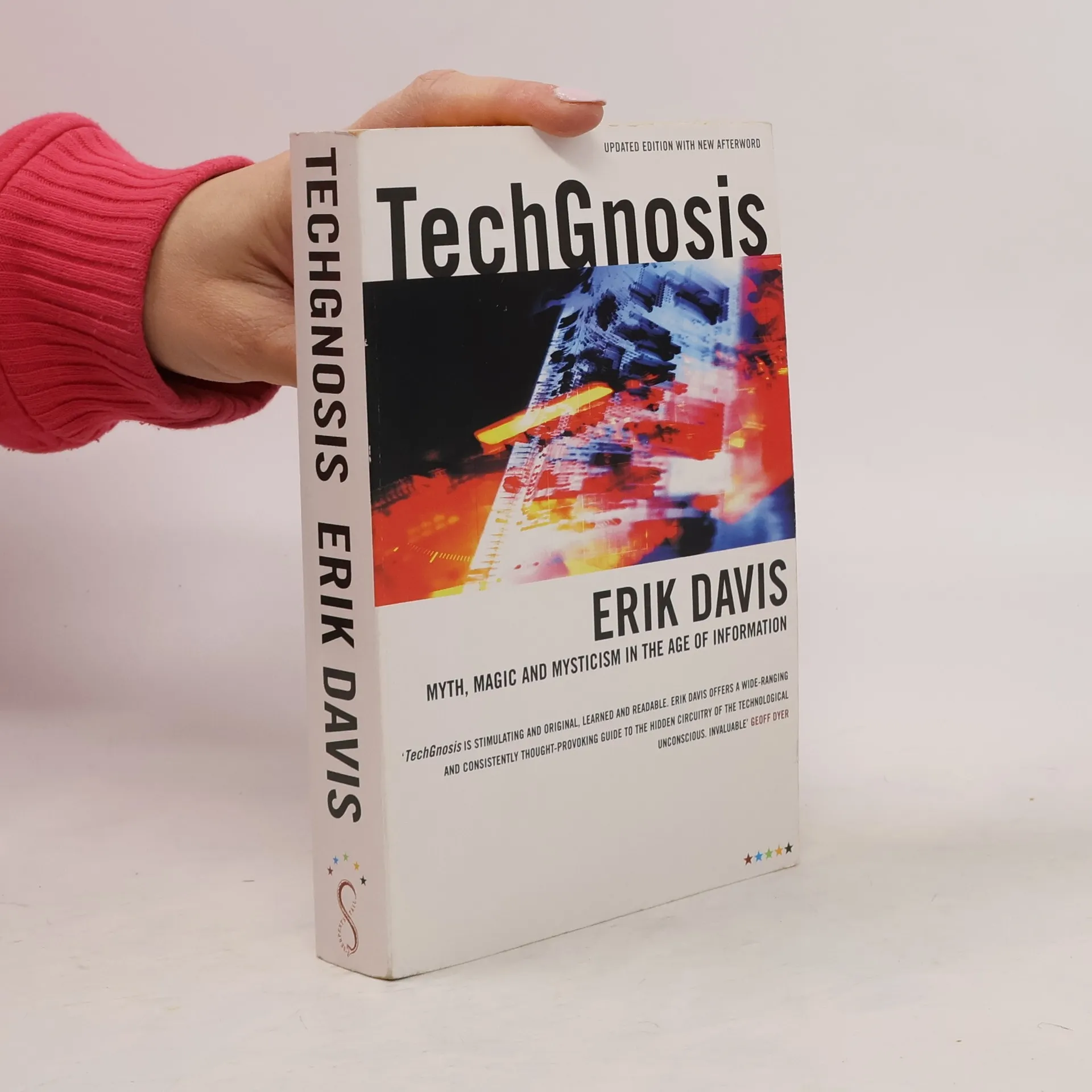
How does our fascination with technology intersect with the religious imagination? In TechGnosis - a cult classic now updated and reissued with a new afterword - Erik Davis argues that while the realms of the digital and the spiritual may seem worlds apart, esoteric and religious impulses have in fact always permeated (and sometimes inspired) technological communication. Davis uncovers startling connections between such seemingly disparate topics as electricity and alchemy; online role-playing games and religious and occult practices; virtual reality and gnostic mythology; programming languages and Kabbalah. The final chapters address the apocalyptic dreams that haunt technology, providing vital historical context as well as new ways to think about a future defined by the mutant intermingling of mind and machine, nightmare and fantasy.
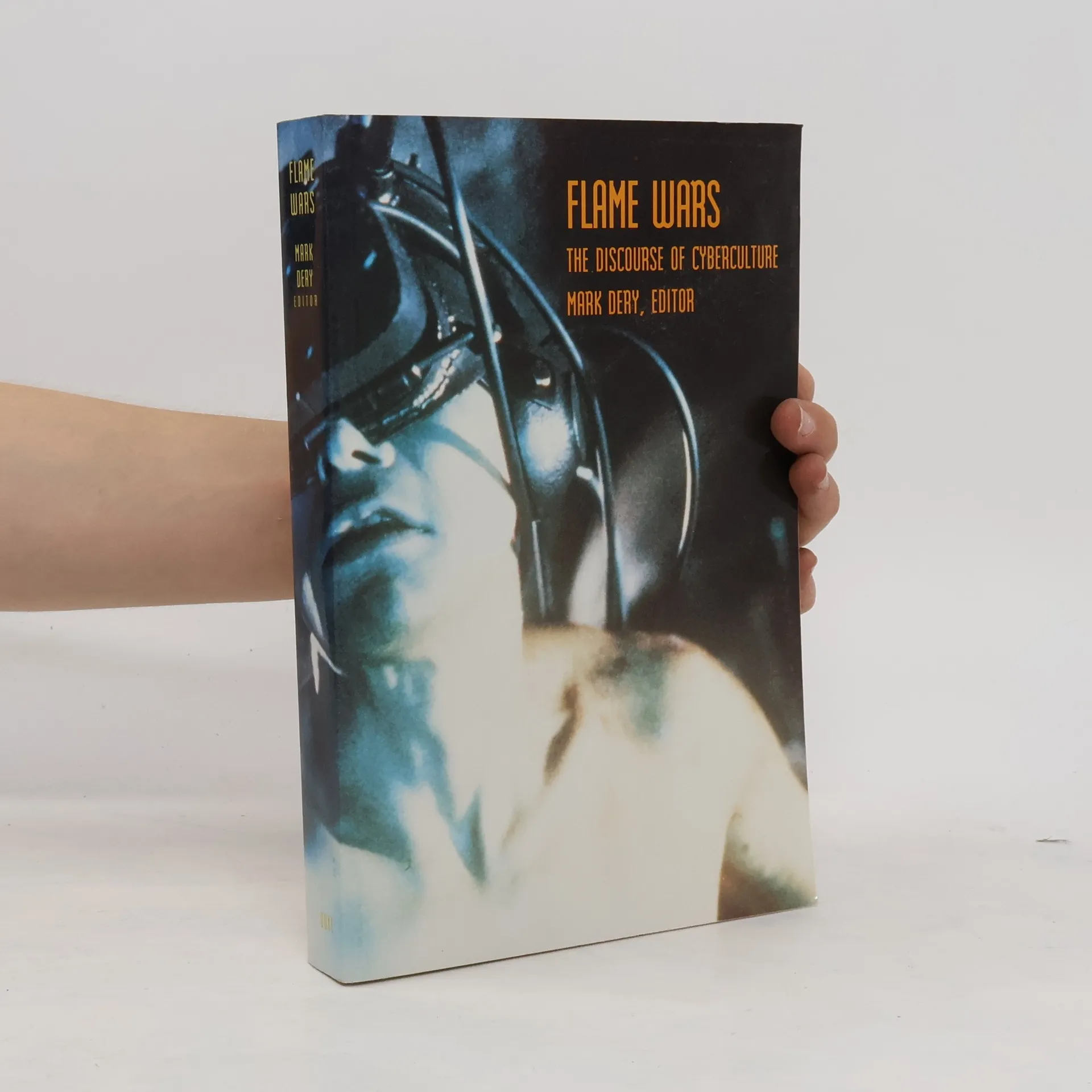
"Flame Wars" explores the verbal battles occurring on electronic bulletin boards, highlighting our growing reliance on technology for communication. As we engage more with machines, we become cyborgian hybrids, reflecting a shift towards a future where virtual communities are commonplace. The essays in this expanded edition reveal the complexities of fringe computer culture, showcasing a diverse array of figures, from flame warriors to technopagans who view computers as tools of the occult. Readers will encounter unique narratives, such as a short story by William Gibson featuring software that self-destructs after a single reading, and the story of Lady El, an African American cleaning woman transformed into a powerful cyborg. The anthology also delves into online swinging, mechanical performance art, and includes an interview with Samuel Delany. The contributors, inspired by Fredric Jameson’s vision of cognitive cartography, aim to map the intricacies of our increasingly wired world. With essays from notable voices like Anne Balsamo, Pat Cadigan, and Erik Davis, this collection offers a thought-provoking glimpse into the intersection of technology, culture, and identity.