John Bester war ein herausragender Übersetzer japanischer Belletristik, dessen Werk die Nuancen und die Schönheit der japanischen Literatur für ein breiteres Publikum einfing. Seine Übersetzungen zeichnen sich durch Genauigkeit und literarische Eleganz aus und bieten den Lesern tiefe Einblicke in die Werke bedeutender japanischer Autoren. Besters Engagement für die Übersetzung trug dazu bei, Meisterwerke der japanischen Fiktion für internationale Leser zugänglich zu machen. Sein literarisches Erbe lebt durch seine präzisen und eindringlichen Übertragungen fort.
Confessions of a Yakuza is a book by Japanese doctor and author Junichi Saga. It recounts a series of stories from the life of his patient Eiji Ijichi, a former Yakuza boss, as told in the last months of his life.The true and fascinating story of one of the last traditional gang bosses in Japan.
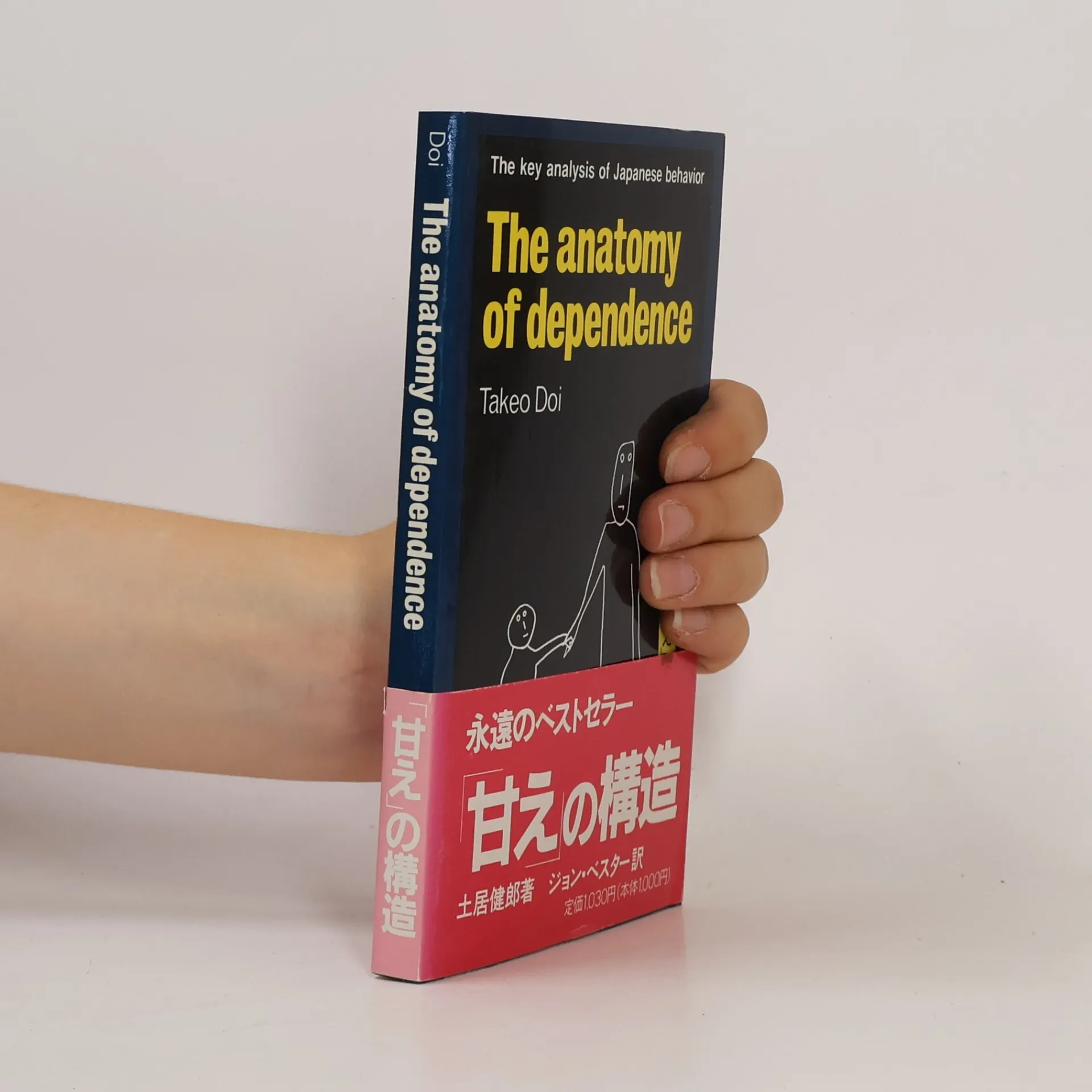
A classic study of the Japanese psyche, this work serves as a foundation for understanding Japanese behavior. Dr. Takeo Doi's exploration began with the realization that a key concept of human emotion, easily articulated in Japanese, eluded translation into Western languages. His essay, The Anatomy of Dependence, offers a profound analysis of the Japanese mind and contributes significantly to psychology across cultures. Originally published in Japan as Amae no Kozo (The Structure of Amae), the focus is on "amae" (indulgence) and its related terms. This concept embodies a central emotion in Japanese life—passive love that nurtures individuals within their groups, be it family, community, or society. Doi contrasts this with Western ideals of self-reliance, highlighting cultural differences in attitudes toward interdependence and the acceptance of weaknesses. Despite these differences, he notes that Western audiences resonate with the emotions described and seek ways to articulate similar needs. While "amae" is more nuanced in Japan, Doi's insights are recognized for their universal relevance. This translation of his pivotal essay is celebrated as a significant contribution, offering valuable insights not only into the Japanese psyche but into the human experience as a whole.
The narrator's settled life of material comfort and easy sexual pleasure is suddenly disturbed by unwelcome memories and premonitions and by the inexplicable new demands of his previously docile women