Dieser Autor widmet sich seit über fünfundzwanzig Jahren dem Schreiben und Lehren von Geschichte. Seine Artikel über Robert E. Lee wurden in The Washington Post und im History News Network veröffentlicht. In seiner Arbeit bemüht er sich, Geschichte für gewöhnliche Leser und Studenten lebendig und zugänglich zu machen. Seine Leidenschaft für den amerikanischen Bürgerkrieg reicht bis in seine Kindheit zurück, und sein nächstes Buch konzentriert sich auf die Schlacht in der Wilderness.
Beautifully illustrated with an array of Japanese art, this work offers a closer look at the rich variety of styles, decoration, motifs and patterns and the sheer craftsmanship of Japanese culture. Opening with an introduction that asks What is Japanese art?, this book presents a selection of striking and fascinating art from Japan, organised into a series of thematic chapters in which the author provides cultural context while pointing out exceptional features.
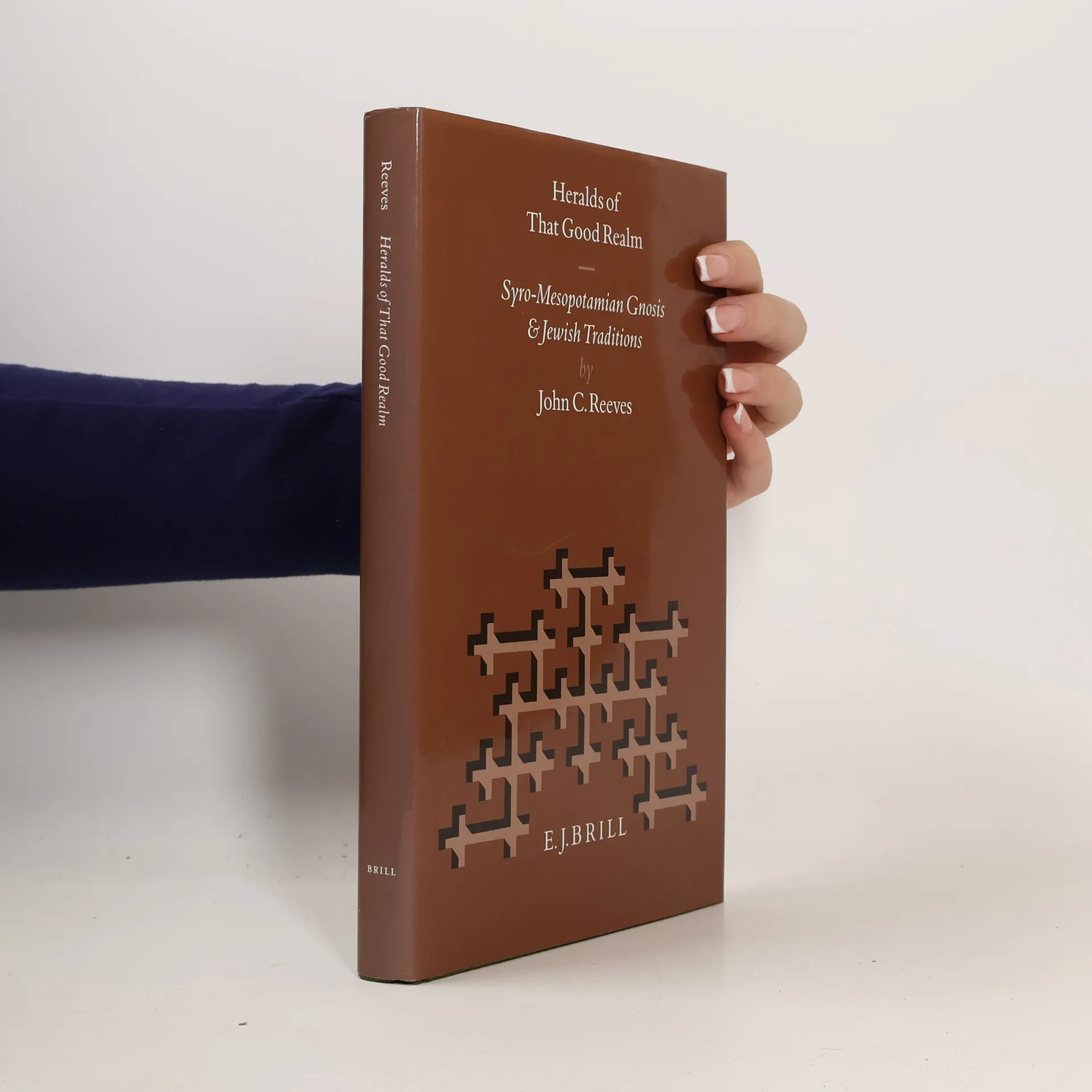
This volume examines the transmission of biblical pseudepigraphic literature and motifs from their largely Jewish cultural contexts in Palestine to developing gnostic milieux of Syria and Mesopotamia, particularly that one lying behind the birth and growth of Manichaeism. It surveys biblical pseudepigraphic literary activity in the late antique Near East, devoting special attention to revelatory works attributed to the five biblical forefathers who are cited in the Cologne Mani Adam, Seth, Enosh, Shem, and Enoch.The author provides a philological, literary, and religio-historical analysis of each of the five pseudepigraphic citations contained in the Codex, and offers hypotheses regarding the original provenance of each citation and the means by which these traditions have been adapted to their present context. This study is an important contribution to the scholarly reassessment of the roles played by Second Temple Judaism, Jewish Christian sectarianism, and classical gnosis in the formulation and development of Syro-Mesopotamian religious currents.