

The collection features thirteen influential essays that showcase Stanley Aronowitz's key theoretical insights. It explores his perspectives on education, labor, and social justice, reflecting his commitment to critical thought and activism. This reader serves as an essential resource for understanding Aronowitz's impact on contemporary theory and his advocacy for transformative social change.
Stanley Aronowitz Reihenfolge der Bücher (Chronologisch)

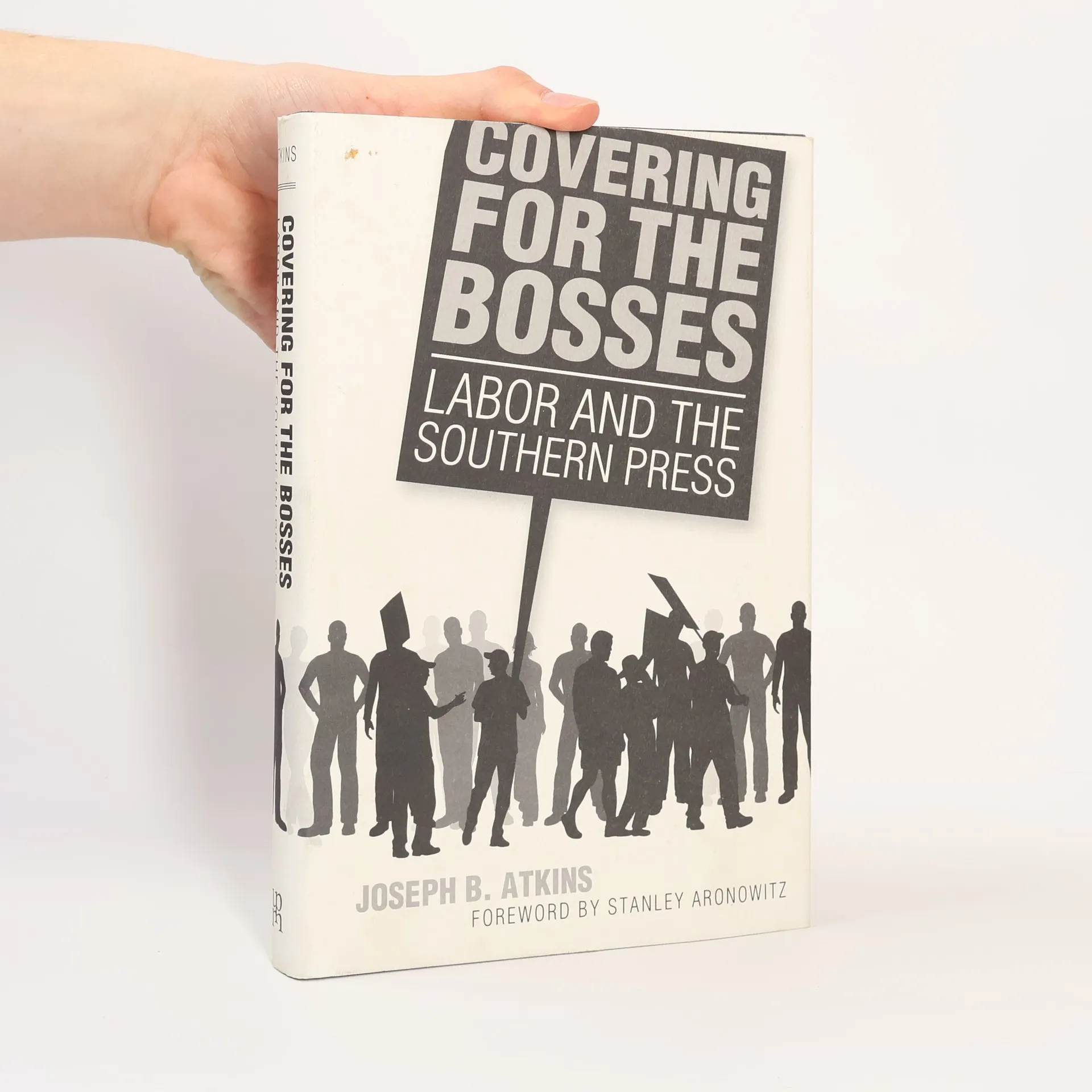
Covering for the Labor and the Southern Press probes the difficult relationship between the press and organized labor in the South from the past to the present day. Written by a veteran journalist and first-hand observer of the labor movement and its treatment in the region's newspapers and other media, the text focuses on the modern South that has evolved since World War II. In gathering materials for this book, Joseph B. Atkins crisscrossed the region, interviewing workers, managers, labor organizers, immigrants, activists, and journalists, and canvassing labor archives. Using individual events to reveal the broad picture, Covering for the Bosses is a personal journey by a textile worker's son who grew up in North Carolina, worked on tobacco farms and in textile plants as a young man, and went on to cover as a reporter many of the developments described in this book. Atkins details the fall of the once-dominant textile industry and the region's emergence as the "Sunbelt South." He explores the advent of "Detroit South" with the arrival of foreign automakers from Japan, Germany, and South Korea. And finally he relates the effects of the influx of millions of workers from Mexico and elsewhere. Covering for the Bosses shows how, with few exceptions, the press has been a key partner in the powerful alliance of business and political interests that keep the South the nation's least-unionized region.
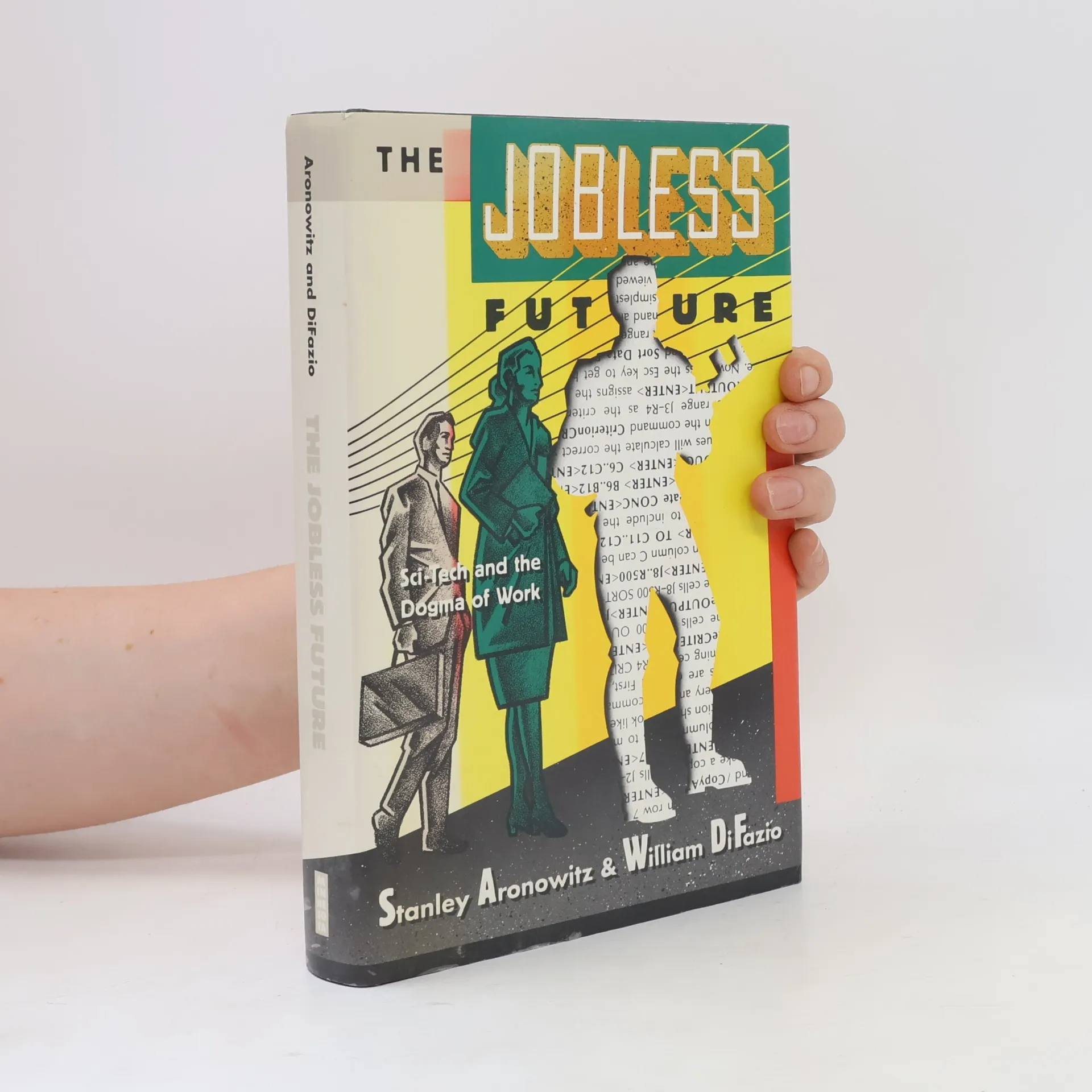
The Jobless Future challenges beliefs in the utopian promise of a knowledge-based, high-technology economy. Reviewing a vast body of encouraging literature about the postindustrial age, Aronowitz and DiFazio conclude that neither theory, history, nor contemporary evidence warrants optimism about a technological economic order. Instead, they demonstrate the shift toward a massive displacement of employees at all levels and a large-scale degradation of the labor force. As they clearly chart a major change in the nature, scope, and amount of paid work, the authors suggest that notions of justice and the good life based on full employment must change radically as well. They close by proposing alternatives to our dying job culture that might help us sustain ourselves and our well-being in a science- and technology-based economic future. One alternative discussed is reducing the workday to fewer hours without reducing pay.