

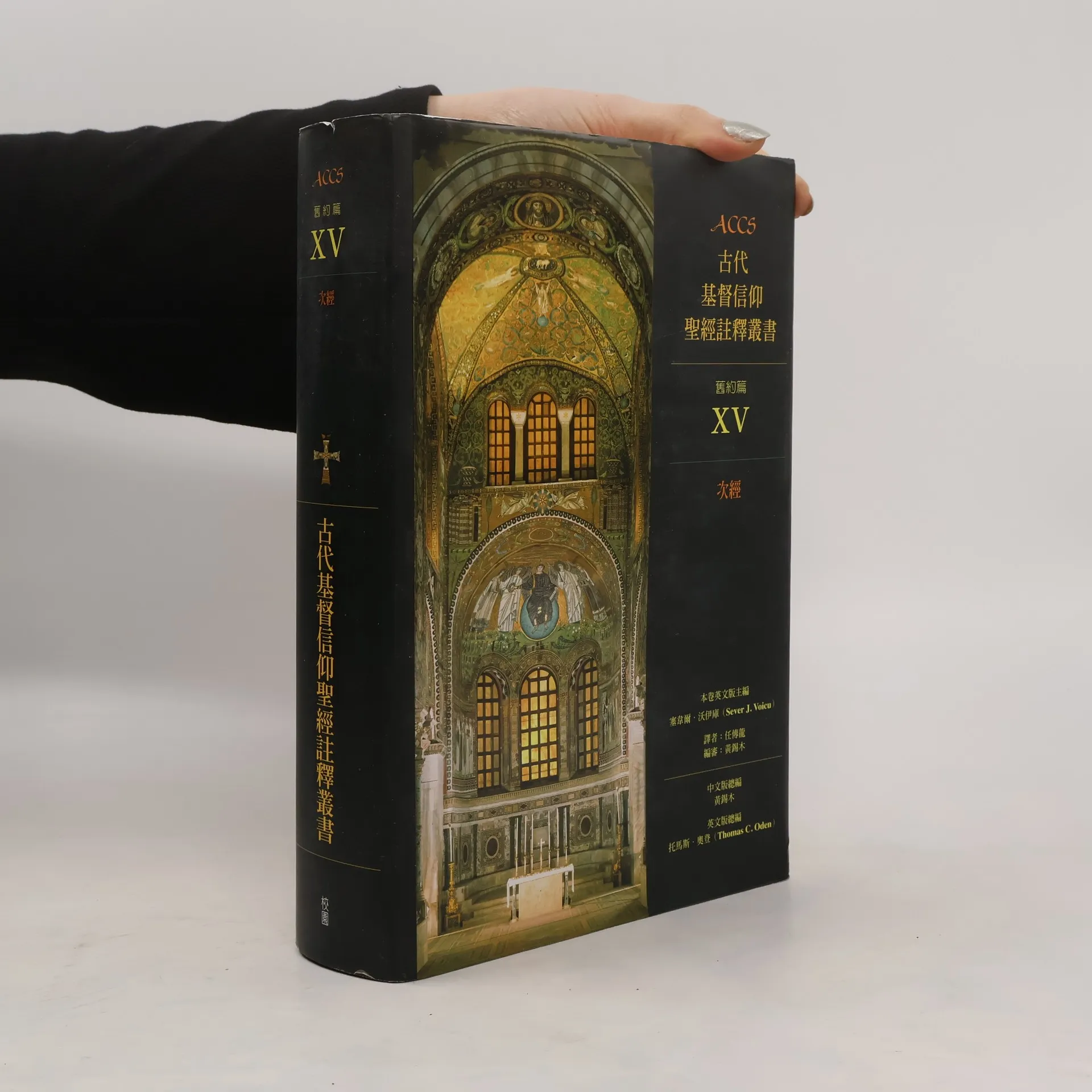

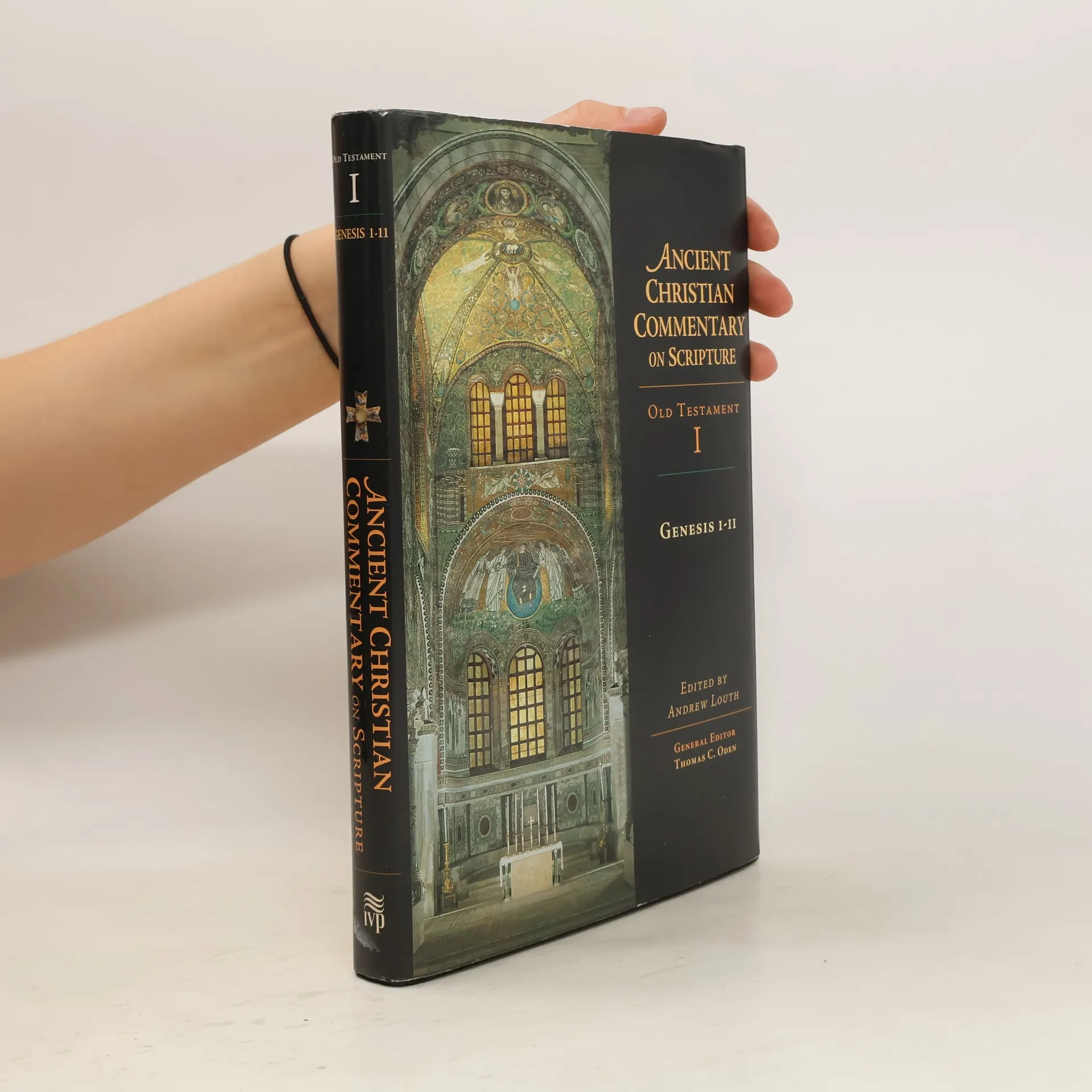
Ancient Christian Commentary on Scripture I. Old Testament. Genesis 1-11
- 204 Seiten
- 8 Lesestunden
The rich tapestry of the creation narrative in the early chapters of Genesis proved irresistible to the thoughtful, reflective minds of the church fathers. Within them they found the beginning threads from which to weave a theology of creation, Fall, and redemption. Following their mentor the apostle Paul, they explored the profound significance of Adam as a type of Christ, the second Adam. The six days of creation proved especially attractive among the fathers as a subject for commentary, with Basil the Great and Ambrose producing well-known Hexaemerons. Similarly, Augustine devoted portions of five works to the first chapter of Genesis. As in previous volumes within the Ancient Christian Commentary on Scripture, the range of comment contained in this volume spans from the first century to the eighth and from East to West, from Greek and Latin speakers to Syriac. This ACCS volume on Genesis 1-11 opens up a treasure house of ancient wisdom that allows these faithful witnesses, some appearing here in English translation for the first time, to speak with eloquence and intellectual acumen to the church today. Especially helpful is the volume editor's provision of Septuagintal alternative readings to the Masoretic text, which are often necessary to understanding the fathers' flow of thought.