
Gratis Versand ab 14,99 €. Mehr Infos.
Bookbot

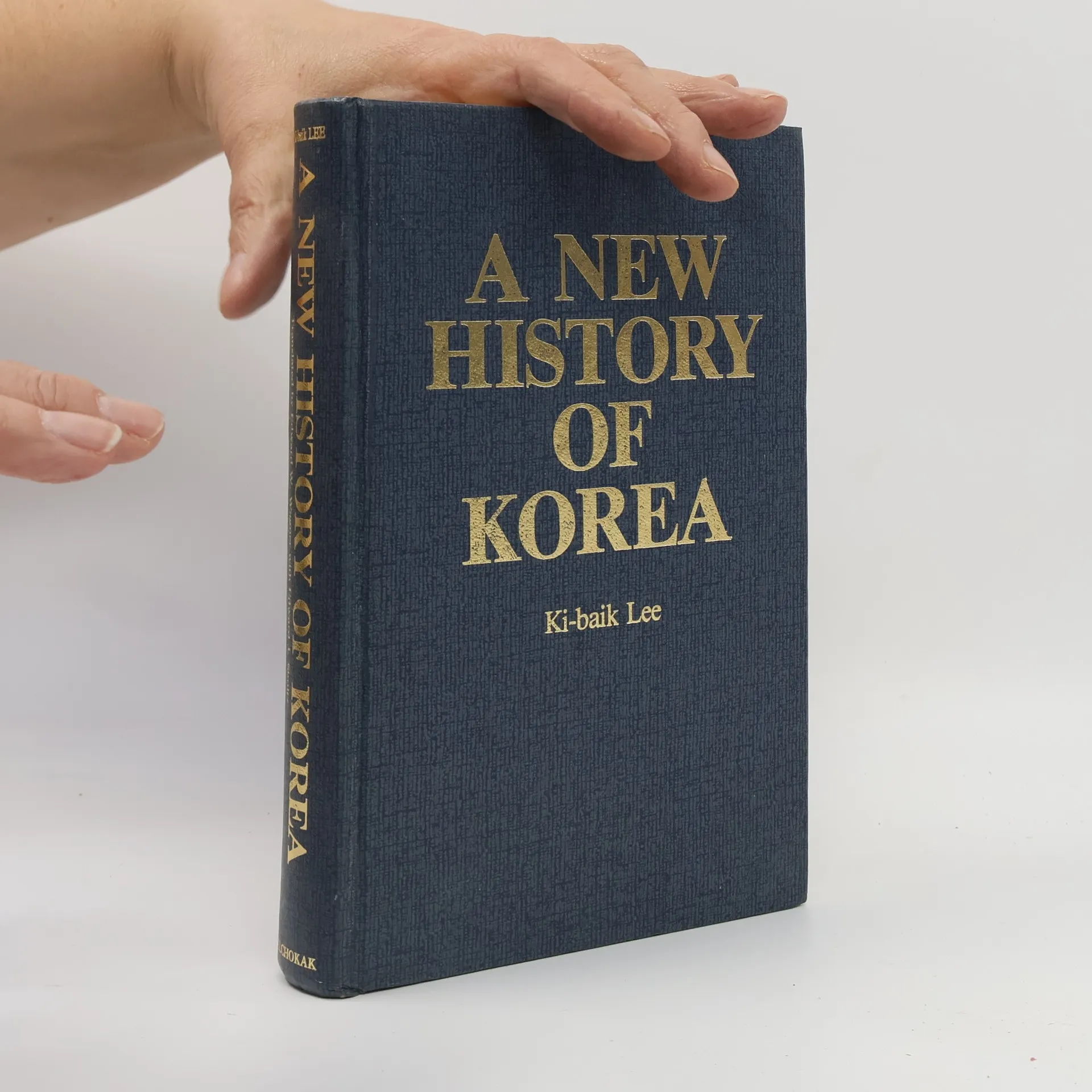
Ki-baik Lee

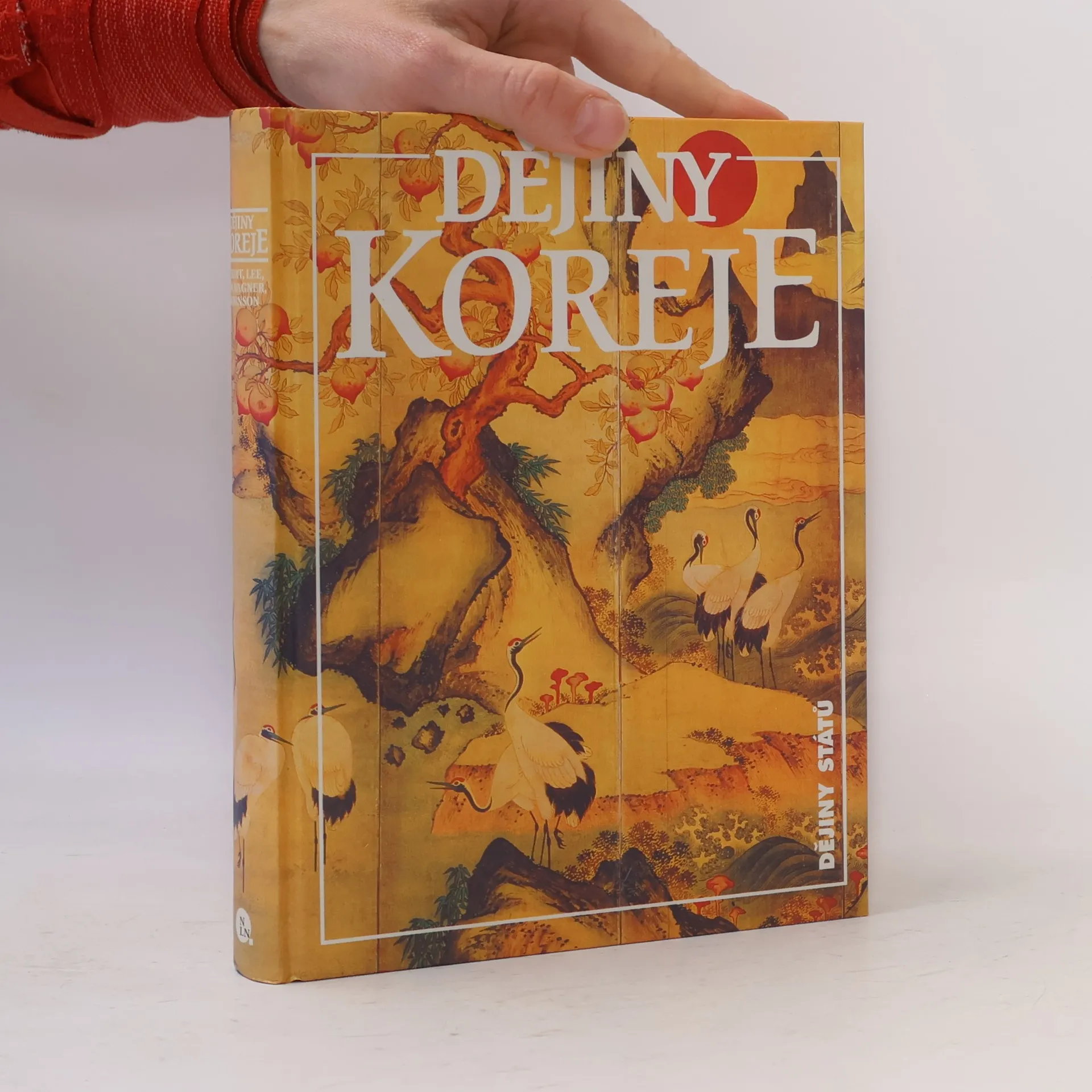
    Dějiny Koreje
    Harvard-Yenching Institute Publications: A New History of Korea
    A New History of Korea
    • A New History of Korea

      • 518 Seiten
      • 19 Lesestunden

      One of the first, most widely-read and respected histories of Korea, Ki-baik Lee's Han'guksa Sillon has been translated into English by Edward W. Wagner. A New History of Korea offers Western readers a distillation of the best scholarship on Korean history and culture from the earliest times to the student revolution of 1960.

      A New History of Korea
      3,7
    • The first English-language history of Korea to appear in more than a decade, this translation offers Western readers a distillation of the latest and best scholarship on Korean history and culture from the earliest times to the student revolution of 1960. The most widely read and respected general history, "A New History of Korea (Han'guksa sillon)" was first published in 1961 and has undergone two major revisions and updatings. Translated twice into Japanese and currently being translated into Chinese as well, Professor Lee's work presents a new periodization of his country's history, based on a fresh analysis of the changing composition of the leadership elite. The book is noteworthy, too, for its full and integrated discussion of major currents in Korea's cultural history. The translation, three years in preparation, has been done by specialists in the field.

      Harvard-Yenching Institute Publications: A New History of Korea
    • Dějiny Koreje

      • 388 Seiten
      • 14 Lesestunden

      Dějiny významného státu Dálneho východu s bohatou a dlouhou minulostí i neméně dramatickou historií novodobou, kterou završilo politicky i vojensky labilní rozdělení na dva státy po korejské válce v roce 1953, pocházejí z dílny kolektivu významných historiků a politologů Harvardovy univerzity. Nejstarší písemné památky dokumentují vznik prvních států na korejském poloostrově v 1. tisícíletí př.n.l., v dalších obdobích se korejská státnost vyvýjela pod vlivem Číny a jejích momentálních zájmů na poloostrově, korejští vládci se často stávali vazaly čínského císaře. Přesto však Korejci dokázali vytvořit svébytné písmo a kulturu, které v ničem nezaostávaly za tvorbou mohutného souseda, a naopak se často stávali prostředníky mezi Čínou a Japonskem, které využívalo strategické polohy korejského poloostrova.

      Dějiny Koreje
      4,5