Focusing on the complexities of grief, Gene Fowler offers a fresh perspective on pastoral care for the bereaved, emphasizing the importance of lament in both biblical and contemporary contexts. He challenges traditional grief models, advocating for a more nuanced understanding that respects individual experiences within congregational settings. Through the integration of psychotherapeutic insights and theological reflections, Fowler equips caregivers with practical tools and compassionate approaches, illustrated by various cultural references, to support those navigating profound loss.
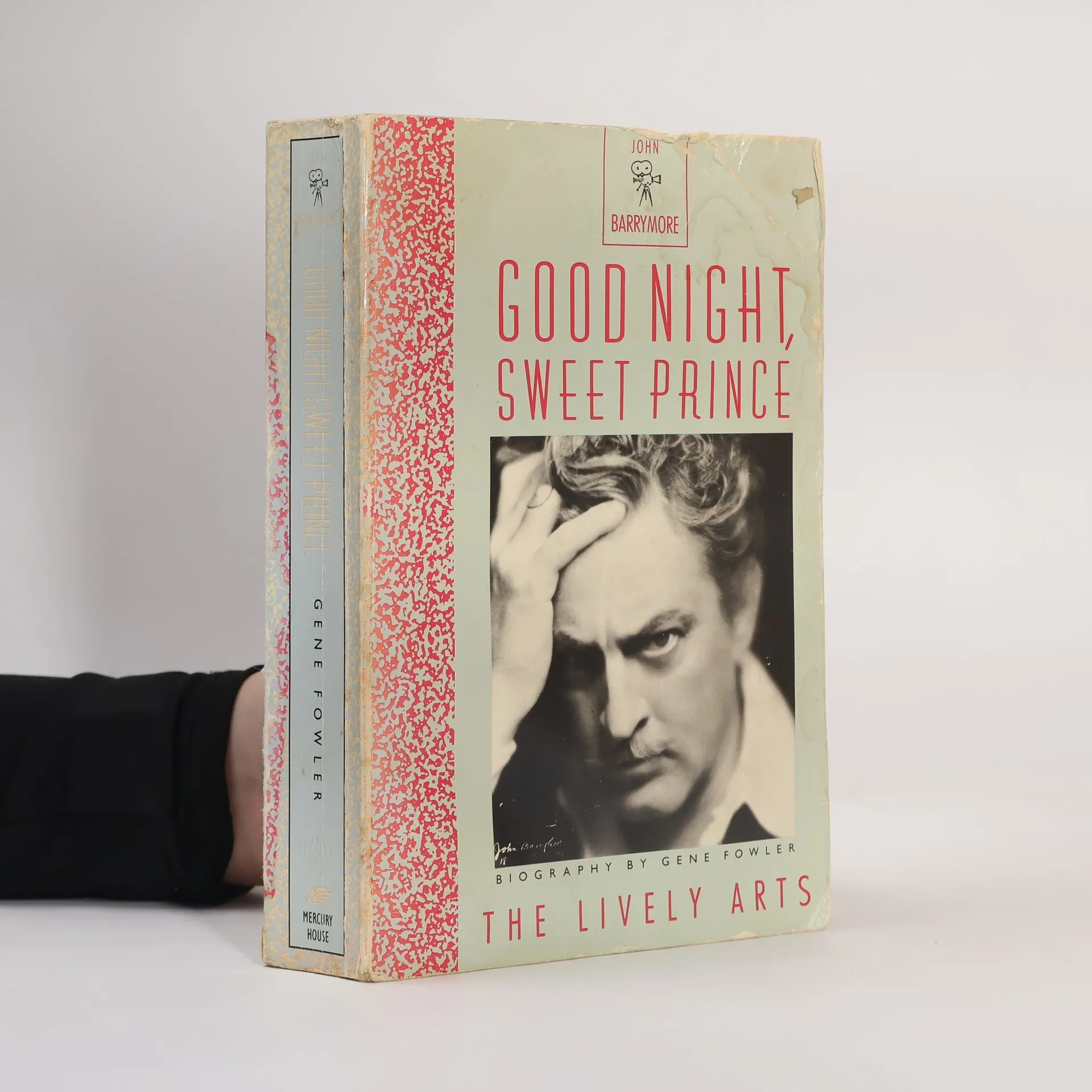
Words alone can scarcely capture the extraordinary contrast between Barrymore's remarkable achievements and his profound struggles. His life, filled with wild passion, heroic debauchery, and artistic triumphs, resembles a grand opera rather than a mere comedy or tragedy. Gene Fowler, a close friend, narrates this story with warmth and affection, yet he refrains from offering excuses for Barrymore's flaws. Instead, he respects the actor's immense talent, acknowledging how often it was squandered. Fowler avoids sensationalism and morbid fascination, choosing instead to portray Barrymore as a complex figure whose greatness did not always align with sensibility.
Humor permeates the narrative, reflecting Barrymore's wit and his connections with contemporaries. The book also captures the theatrical world, spanning from influential figures like John Drew and Maurice Barrymore to the dazzling era of Hollywood. It includes intense moments, such as the opening night of Hamlet, alongside idyllic times and those when Barrymore's happiness crumbled, leading to his downfall. Fowler's insights are enriched by access to Barrymore's papers and journal, featuring previously unpublished passages from the actor's private autobiography, which add depth to this engaging human history.