
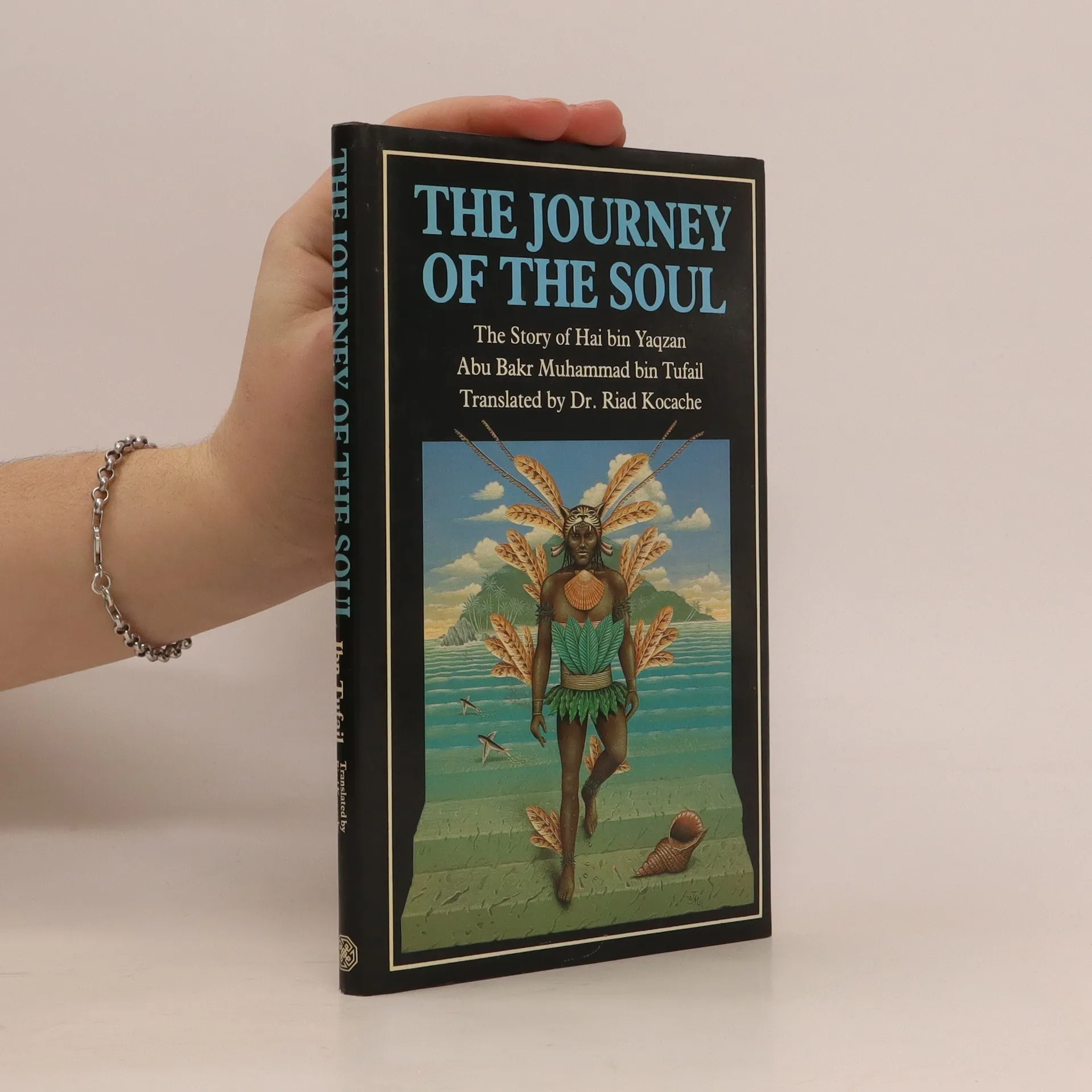
حي بن يقظان هي قصة رمزية تتناول حياة الإنسان في بحثه عن الحكمة والوصول إلى حقيقة الوجود لتبقى روحه معلقة بالجانب الإلهي وحده، وهي في ذلك نص أدبي يعتبره الكثيرون أصل فنون القصّ العربية بما تحويه من لغة وسرد وخيال أدبي وفلسفي على مستوى في غاية العمق. تنتمي قصة حي بن يقظان في الأصل إلى تراث ما قبل الحضارة الإسلامية ثم اختفت قرونا طويلة لتعاود الظهور على يد الشيخ الرئيس ابن سينا للمرة الأولى باللغة العربية. ثم يمر زمان حتى يعيد كتابتها ابن طفيل الذي نقلها إلى حيز الرواية مضيفا إليها أسئلة جديدة كانت تشغله كواحد من أهم فلاسفة الأندلس، ثم يقدمها للمرة الثالثة تحت عنوان الغربة الغريبة شيخ الإشراق السهروردي الذي حمّلها مفاهيمه الصوفية معتبرا عمل ابن سينا فصله الأول الذي يكمل عليه. أما الصورة الرابعة فقد ألفها العالم والطبيب ابن النفيس مؤكدا على حسها الروائي ومطلقا عليها اسما جديدا هو فاضل بن ناطق. في هذا الكتاب نقرأ النصوص الأربعة التي يعيد تحقيقها الدكتور يوسف زيدان صاحب العديد من المؤلفات في مجال الفلسفة والتصوف، كما يقدم لها بدراسة وافية عن المؤلفين الأربعة وظروف تأليف كل منهم لقصته وكيف اختلف عرض القصة ذاتها لدى كل واحد
Denys Johnson-Davies Reihenfolge der Bücher (Chronologisch)
Denys Johnson-Davies war ein herausragender Übersetzer aus dem Arabischen ins Englische, der die Werke wichtiger arabischer Autoren der westlichen Welt zugänglich machte. Seine Übersetzungen werden für ihre Genauigkeit und literarische Sensibilität geschätzt und erfassen den Geist der Originalwerke. Johnson-Davies beschäftigte sich mit einer breiten Palette von Genres, von Romanen und Kurzgeschichten bis hin zu Poesie und Drama. Durch sein umfangreiches Werk hat er die internationale Literaturszene maßgeblich bereichert.


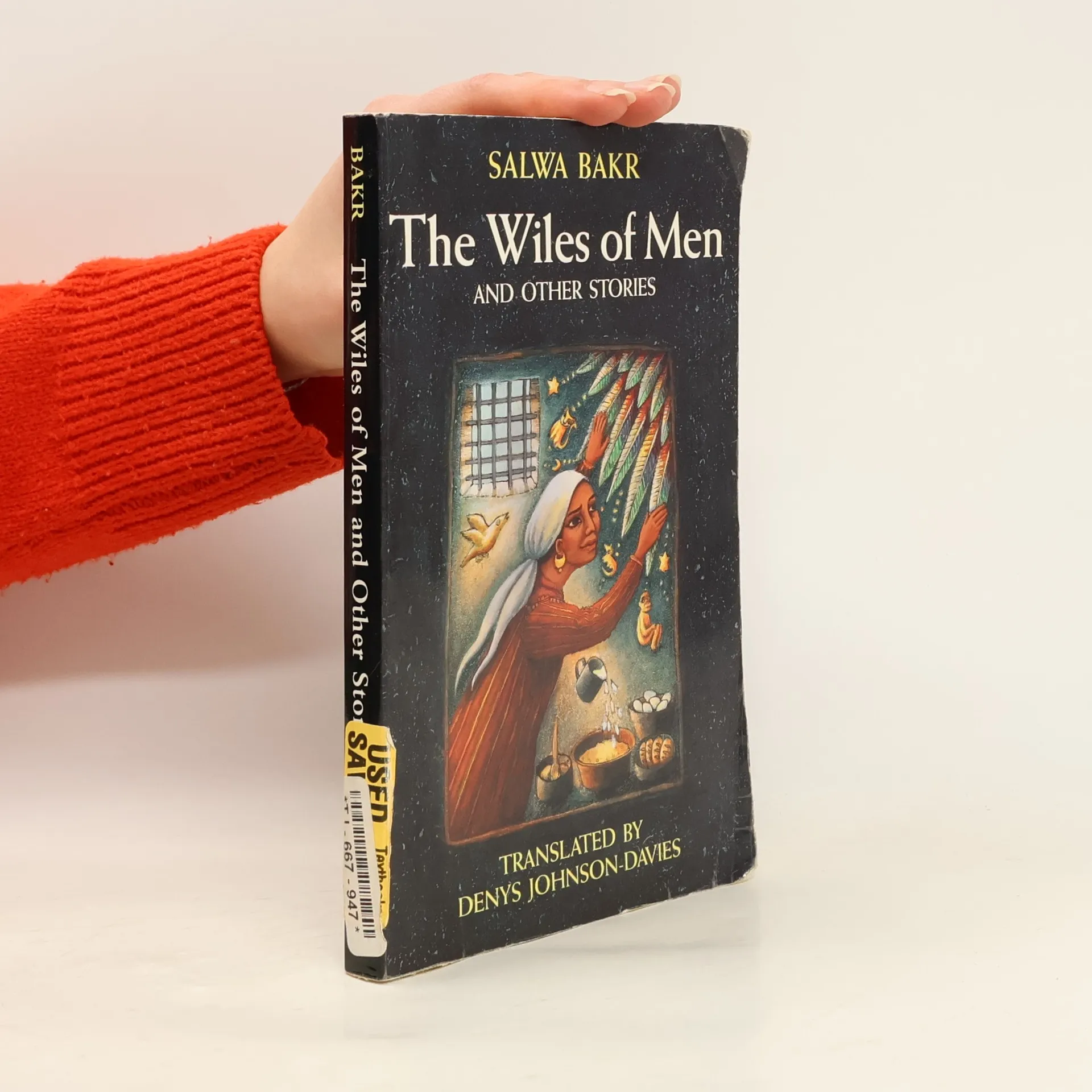
The Wiles of Men and Other Stories
- 200 Seiten
- 7 Lesestunden
"Here, finally, is some writing with a genuine purchase on things of worth. The collection of pithy short stories, filled with a sad wonder, tells of contemporary Egyptians . . . timorously rebelling against the conformism of life along the Nile." ?Observer ". . . Bakr emerges as a fine observer of her country's times, with a vision which remains, for all its engagement, quirky and distinctively personal." ? Times Literary Supplement Set among the poor of contemporary Cairo, these thirteen stories and one short novella tell of women struggling to provide themselves with the basic necessities of life. They explore the limits of self-awareness, the pressures to conform, and some of the strange paths to escape that women resort to in a conservative society shot through with social and sexual prejudice and preconceptions.