

This book is about grandparenting as a Christian vocation for the afternoon and evening of life. The author presents the unconditional love of a grandparent as indicative of a vocation, a calling from God. He explores the vocation of grandparent in all of its multiple dimensions of being and doing, including play and joy and laughter. Each chapter includes questions for personal or group reflection.
James D Olson Reihenfolge der Bücher (Chronologisch)
James Olson ist ein Philosoph mit Management-Ausbildung, dessen Studien sich mit Wirtschaft, Ingenieurwesen, Kunst, östlichen und westlichen Religionen, Yoga, Qigong, Psychologie, Sprache, Neuro-linguistischer Programmierung, Philosophie und Gehirnperspektiven befassten. Olson hat sein Leben lang daran gearbeitet, sein Verständnis von materiellen Dingen, Ideen und spirituellen Energien zu vereinen, indem er harmonische Konzepte annimmt und widersprüchliche eliminiert. Er schöpft aus einem Fundament konservativer Bauern- und christlicher Werte und integriert ergänzende östliche Religionsperspektiven, liberale europäische Ansichten, altägyptische Weisheit, wissenschaftliche Fakten, Geschäftsethik und moderne spirituelle Erkenntnisse. Seine Mission ist es, durch seine Befürwortung des Ganzhirn-Denkens die männlichen und weiblichen Energien des Planeten in ein größeres Gleichgewicht und damit in einen friedlicheren Zustand zu bringen.


To Catch a Spy
- 256 Seiten
- 9 Lesestunden
In To Catch a Spy: The Art of Counterintelligence, former Chief of CIA counterintelligence James M. Olson offers a wake-up call for the American public, showing how the US is losing the intelligence war and how our country can do a better job of protecting its national security and trade secrets.
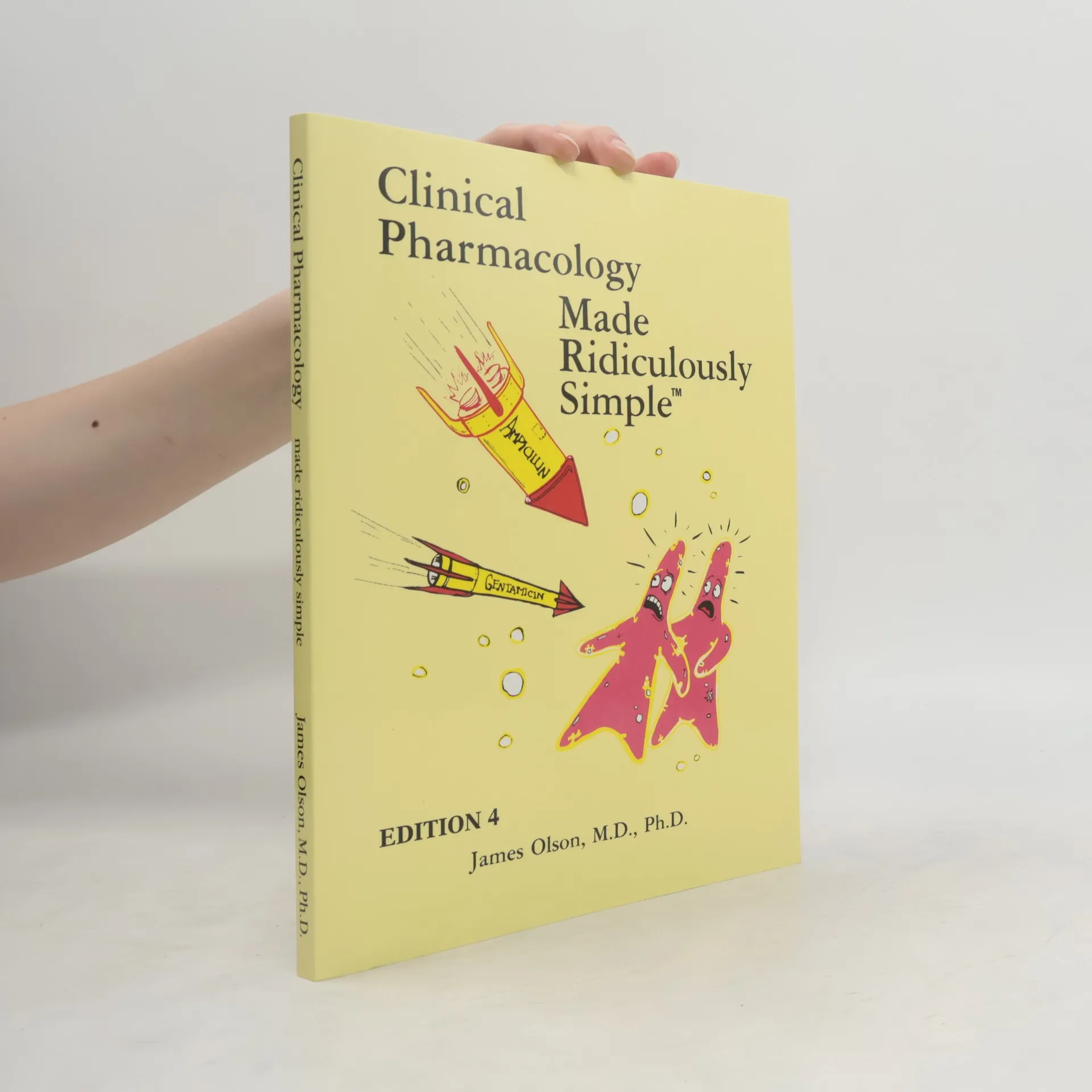
Clinical Pharmacology Made Ridiculously Simple
- 180 Seiten
- 7 Lesestunden
A concise overview of the most important principles in clinical pharmacology, with drug comparisons in clear chart format. The book blends the essentials of basic pharmacology and clinical pharmacology so that transition from classroom to clinic is less abrupt. The text that surrounds the tables emphasize key issues pertaining to therapeutic rationale, basic pharmacologic principles and clinical use of drugs. Topics include Principles of Pharmacology (Pharmacokinetics, drug actions at multiple levels, drug interactions, tolerance, dependence and withdrawal), Peripheral Nervous System, Central Nervous System, Cardiovascular and Hematology Drugs, Respiratory Drugs, GI Drugs, Anti-Infective Agents, Anticancer drugs, Anti-Inflammatory and Immunomodulating Agents, and Endocrine System Drugs. Principles of pharmacology -- Peripheral nervous system -- Central nervous system -- Cardiovascular and hematology drugs -- Respiratory drugs -- Gastrointestinal agents -- Anti-infective agents -- Anticancer drugs -- Anti-inflammatory and immunomodulating agents -- Endocrine system