In questo manuale, frutto di una lunga esperienza di ricerca teorica edempirica, Olivier Blanchard segue due obiettivi: da un lato fare il punto sualcuni dei più importanti problemi economici odierni, dall'altro trasmetterel'idea secondo cui la macroeconomia è una scienza che deve, al tempo stesso,mantenere una rilevanza esterna e avere una coerenza interna.
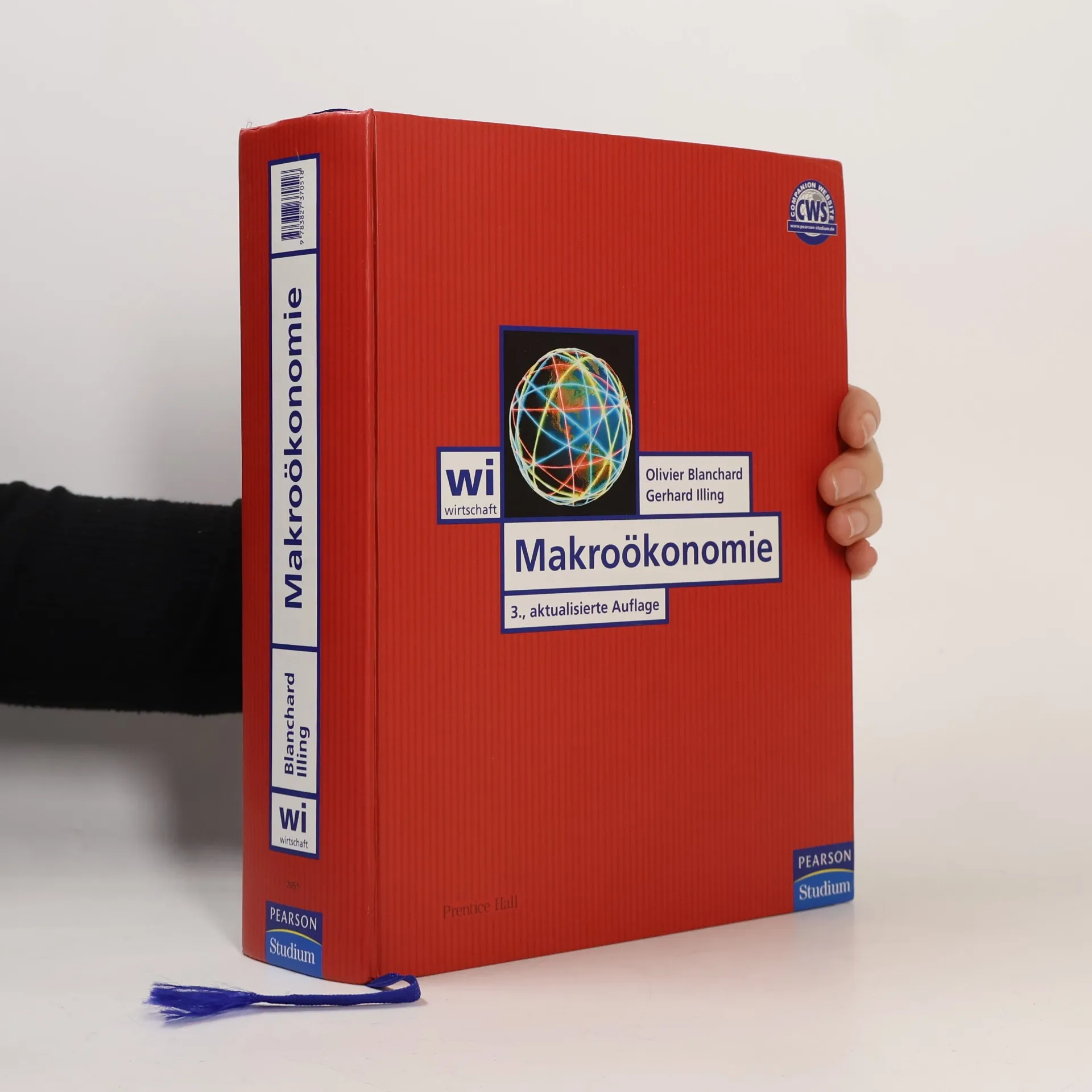
Dieser internationale Klassiker der Makrookonomie motiviert Studenten durch aktuelle makrookonomische Fragestellungen und zahlreiche Beispiele sowie Fallstudien. Die deutsche Ausgabe, adaptiert von Gerhard Illing, enthält einen neu verfassten Abschnitt zu Wirtschaftskrisen, der eine umfassende Analyse der aktuellen Finanzkrise bietet. Zunächst werden die Grenzen konventioneller Geldpolitik in der Liquiditätsfalle thematisiert, gefolgt von einer Diskussion über die Deflation während der Weltwirtschaftskrise. Der Fokus liegt auf der Krise im Euroraum, die anhand praktischer Beispiele in Fokusboxen analysiert wird. Unkonventionelle Geldpolitik, die Herausforderungen der Fiskalpolitik und der einheitlichen Geldpolitik der EZB sowie verschiedene Optionen zur Bankenrettung werden ausführlich behandelt. Zu diesem Lehrbuch ist ein Übungsbuch verfügbar, das zusätzliche Übungen zur Makrookonomie bietet. Online-Extras für Dozenten umfassen alle Abbildungen aus dem Buch, einen Foliensatz für den Unterricht und Lösungen zu den Übungen. Für Studenten stehen Lösungen zu den Verständnisfragen, weiterführende Links und Active Graphs zu 21 Kapiteln zur Verfügung.
Quattro proposte concrete per valorizzare il talento e rendere il nostro Paese più ricco e più giusto
377 Seiten
14 Lesestunden
«Ho iniziato a scrivere Meritocrazia cinque anni fa. Oggi sono ancora più convinto di allora che non vi è nessuna ragione per cui l’Italia non possa risalire la china. Le risorse ci sono, il paese è ricco di una storia straordinaria e di bellezze senza eguali, gli italiani sono pieni di ingegno e hanno la flessibilità necessaria per sopravvivere in questo secolo, così pieno di incertezze. E in Italia, se li sappiamo individuare, i “semi del merito e delle regole” abbondano.Oggi gli italiani vogliono cambiare: è un desiderio forte, che cresce ogni giorno, anche se forse non abbiamo ancora raggiunto quel livello di crisi necessario per realizzare la rivoluzione di cui ha bisogno il nostro paese.»Roger Abravanel (dalla Postfazione alla nuova edizione)