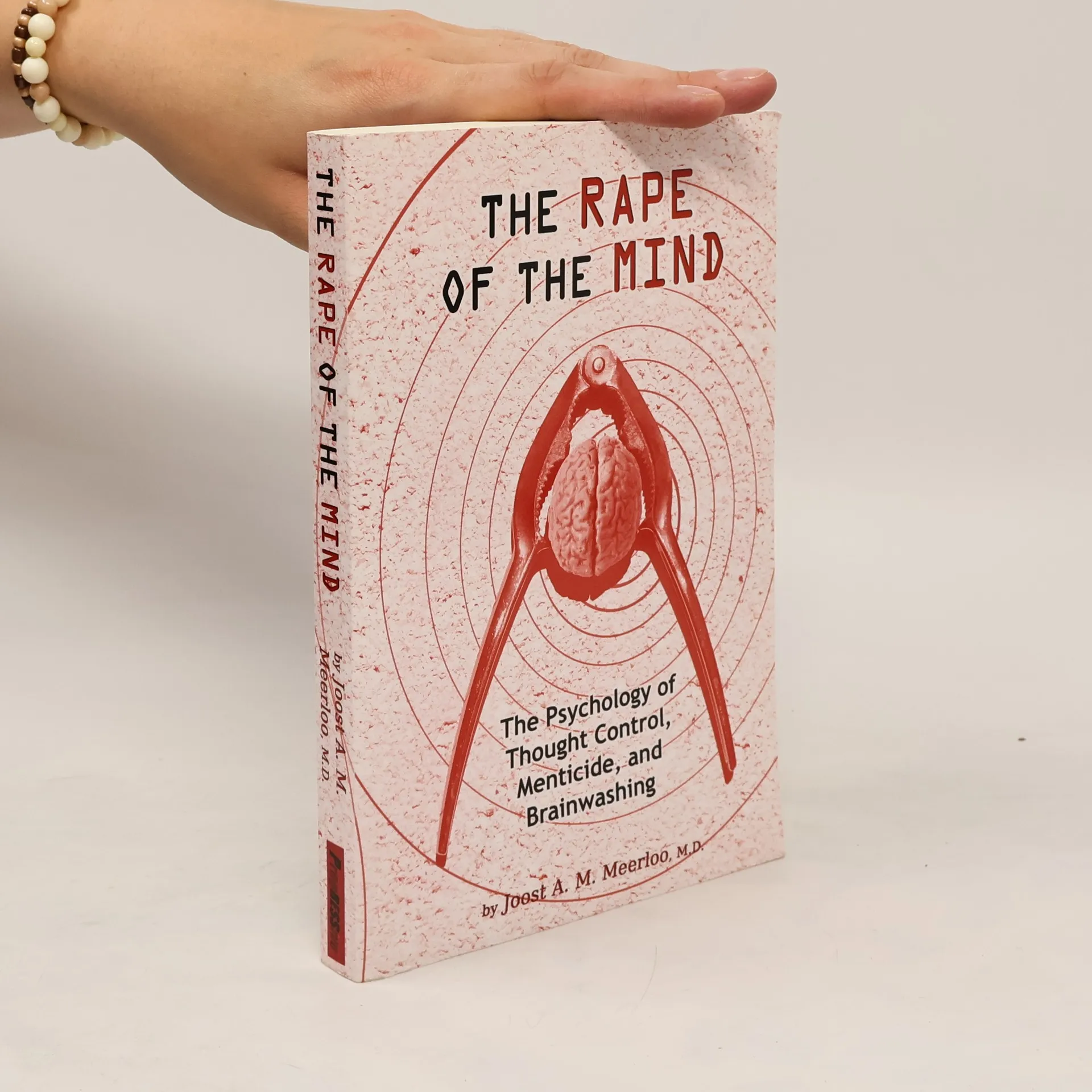
Joost Abraham Maurits Meerloo spezialisierte sich auf Gedankenkontrolstechniken, die von totalitären Regimen eingesetzt wurden. Seine literarische Arbeit befasst sich mit den tiefgreifenden psychologischen Mechanismen, die das menschliche Verhalten prägen, insbesondere im Kontext von Unterdrückung und Propaganda. Meerloo untersuchte die Methoden, mit denen Einzelpersonen und ganze Gesellschaften manipuliert werden, und bot Einblicke in die Psychologie von Macht und Unterwerfung. Seine Analysen liefern zeitlose Perspektiven auf die Anfälligkeit des menschlichen Geistes für äußere Einflüsse und die Bedeutung kritischen Denkens.
Meerloo's asserts that totalitarian methods can turn anyone into a "traitor." He goes far beyond the direct military implications of mental torture to describe how culture unobtrusively shows symptoms of pressurizing people's minds.
In 1933 Meerloo began to study the methods by which systematic mental pressure brings people to abject submission, and by which totalitarians imprint their subjective "truth" on their victims' minds. In "The Rape of the Mind" he goes far beyond the direct military implications of mental torture to describing how our own culture unobtrusively shows symptoms of pressurizing people's minds. He presents a systematic analysis of the methods of brainwashing and mental torture and coercion, and shows how totalitarian strategy, with its use of mass psychology, leads to systematized "rape of the mind." He describes the new age of cold war with its mental terror, verbocracy, and semantic fog, the use of fear as a tool of mass submission and the problem of treason and loyalty, so loaded with dangerous confusion. The "Rape of the Mind" is written for the interested layman, not only for experts and scientists.