


Bookbot

Anna-Maria Klingmann

    World of malls
    Brandscapes
    5. Schuljahr, Schülerarbeitsheft
    • World of malls

      • 272 Seiten
      • 10 Lesestunden

      The catalogue World of Malls is devoted to a type of building that was invented in the United States just less than sixty years ago and quickly spread throughout the world. Due to urban planning’s increasing orientation toward the automobile, the mall became a substitute for lost urbanity. Yet what direction is the development of the shopping mall taking today? On the one hand, there continue to be spectacular new openings in America, Asia, the United Arab Emirates, and Europe. At the same time, however, many malls are empty, and some are being converted and repurposed. There is hardly any other building typology that is being discussed as controversially: does the shopping mall mean the death of the city, or does it stimulate its revitalization? In their essays, urban planners, economists, and architectural historians such as Anette Baldauf, Bob Bruegmann, Dietrich Erben, Richard Longstreth, Alain Thierstein, June Williamson, and Sophie Wolfrum examine the transformation processes of the shopping mall from the twentieth to the twenty-first century. (German edition ISBN 978-3-7757-4138-5) Exhibition: Architekturmuseum der TU München in der Pinakothek der Moderne, 13.7.–22.10.2016

      World of malls2016
      4,4
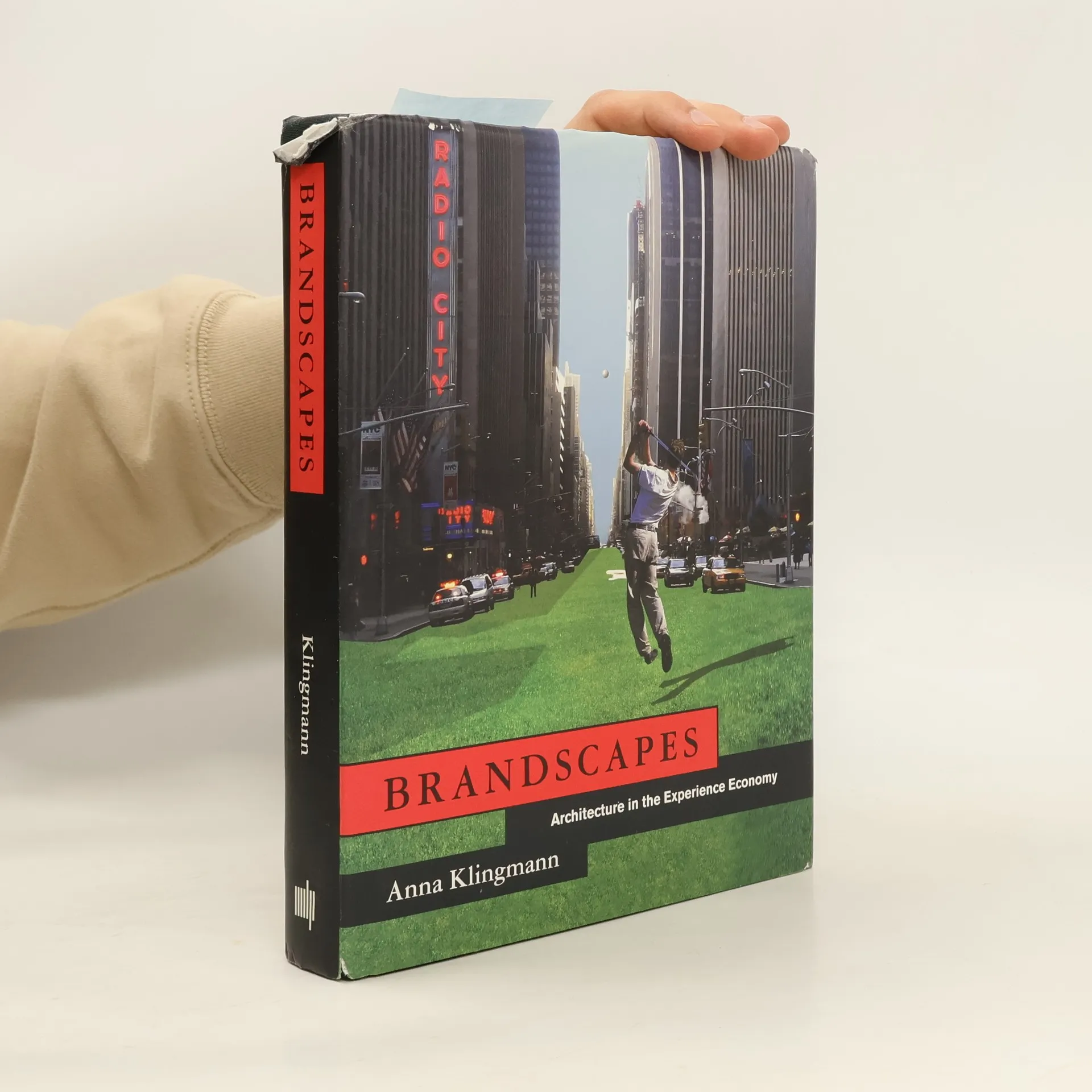
    • Brandscapes

      Architecture in the Experience Economy

      • 364 Seiten
      • 13 Lesestunden

      In the twenty-first century, cities should be viewed as brandscapes, with buildings serving as advertisements and destinations rather than mere objects. The experience economy emphasizes sensations and lifestyles over physical products. In this context, Anna Klingmann critically examines the practice of branding in architecture, discussing its potential benefits and drawbacks. She posits that architecture can leverage branding concepts not just for marketing but as a strategic tool for economic and cultural transformation. Branding reflects identity—of cities and enterprises alike—illustrated by how places like New York, Bilbao, and Shanghai have used architecture to enhance their images and spur economic growth. Klingmann explores various brandscaping examples, from Disneyland and Las Vegas to Prada's architect-designed stores and Niketown's banalities. However, she warns of the dangers associated with brandscapes, such as prioritizing signature buildings over comprehensive urban interventions, leading to a culture of imitation. As experiences become commodified and the global landscape homogenized, architects face the challenge of creating meaningful transformations. Klingmann advocates for a branding approach that differentiates places from within, emphasizing the integration of ecology, economics, and social well-being to foster self-sufficiency and act as catalysts for cultural and economic change.

      Brandscapes2007
      4,0