Julian Savulescu ist ein australischer Philosoph und Bioethiker, der sich auf praktische Ethik spezialisiert hat. Seine Arbeit befasst sich eingehend mit den ethischen Auswirkungen modernster Technologien und medizinischer Forschung. Er setzt sich mit komplexen moralischen Fragestellungen rund um Klonen, Stammzellen und andere wissenschaftliche Fortschritte auseinander. Savulescus philosophischer Ansatz verbindet umfassendes medizinisches Wissen mit rigoroser ethischer Analyse, um die Möglichkeiten und Konsequenzen zukünftiger Entwicklungen zu untersuchen.
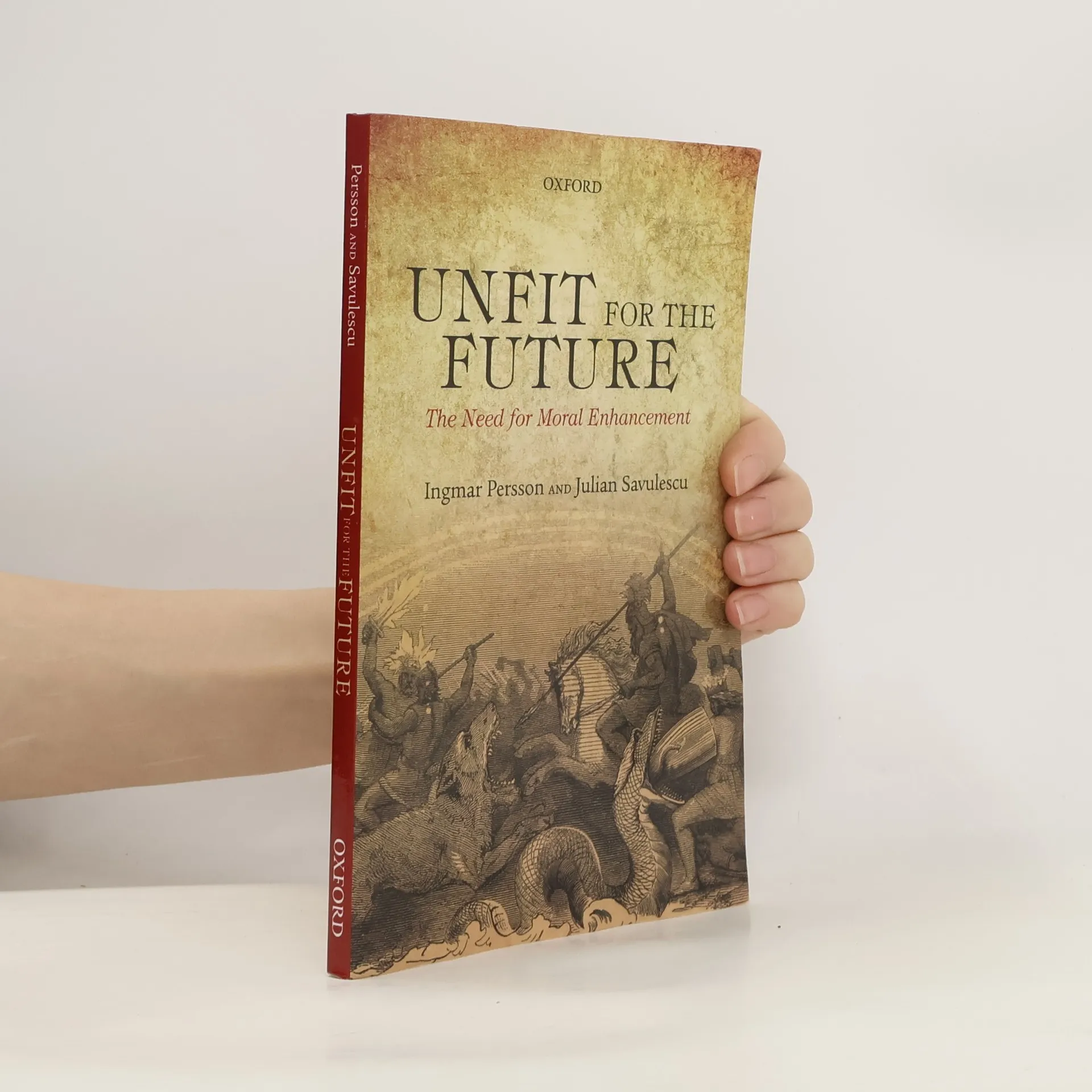
Unfit for the Future argues that the future of our species depends on radical
enhancement of the moral aspects of our nature. Population growth and
technological advances are threatening to undermine the conditions of
worthwhile life on earth forever. We need to modify the biological bases of
human motivation to deal with this challenge.
Is there a pill for love or an "anti-love drug" to help us move on from an ex? This book explores how certain psychoactive substances, like MDMA, could assist couples in overcoming relationship challenges and enhancing their bond, while others might aid in severing emotional ties during breakups. These substances already exist and could transform our understanding of love. The authors advocate for research into "love drugs" and "anti-love drugs," examining their ethical implications for individuals and society. Western medicine often overlooks the interpersonal effects of drug interventions, raising questions about why we remain uninformed about their impact on romantic relationships and how to reform research norms to better consider these dynamics. Ethicists Brian D. Earp and Julian Savulescu emphasize the urgency of addressing these issues. Biochemical interventions in love are not distant possibilities; our intimate connections are already affected by medications intended for other uses. Ongoing studies aim to determine if artificial brain chemicals can improve couples therapy, while some conservative groups are testing drugs to suppress romantic feelings among children and vulnerable sexual minorities. The implications are significant, and this book equips us with scientific insights and ethical frameworks to decide whether such medications should play a role in our lives.