Die Reise der Bilder
Hitlers Kulturpolitik, Kunsthandel und Einlagerungen in der NS-Zeit im Salzkammergut
- 368 Seiten
- 13 Lesestunden




Hitlers Kulturpolitik, Kunsthandel und Einlagerungen in der NS-Zeit im Salzkammergut
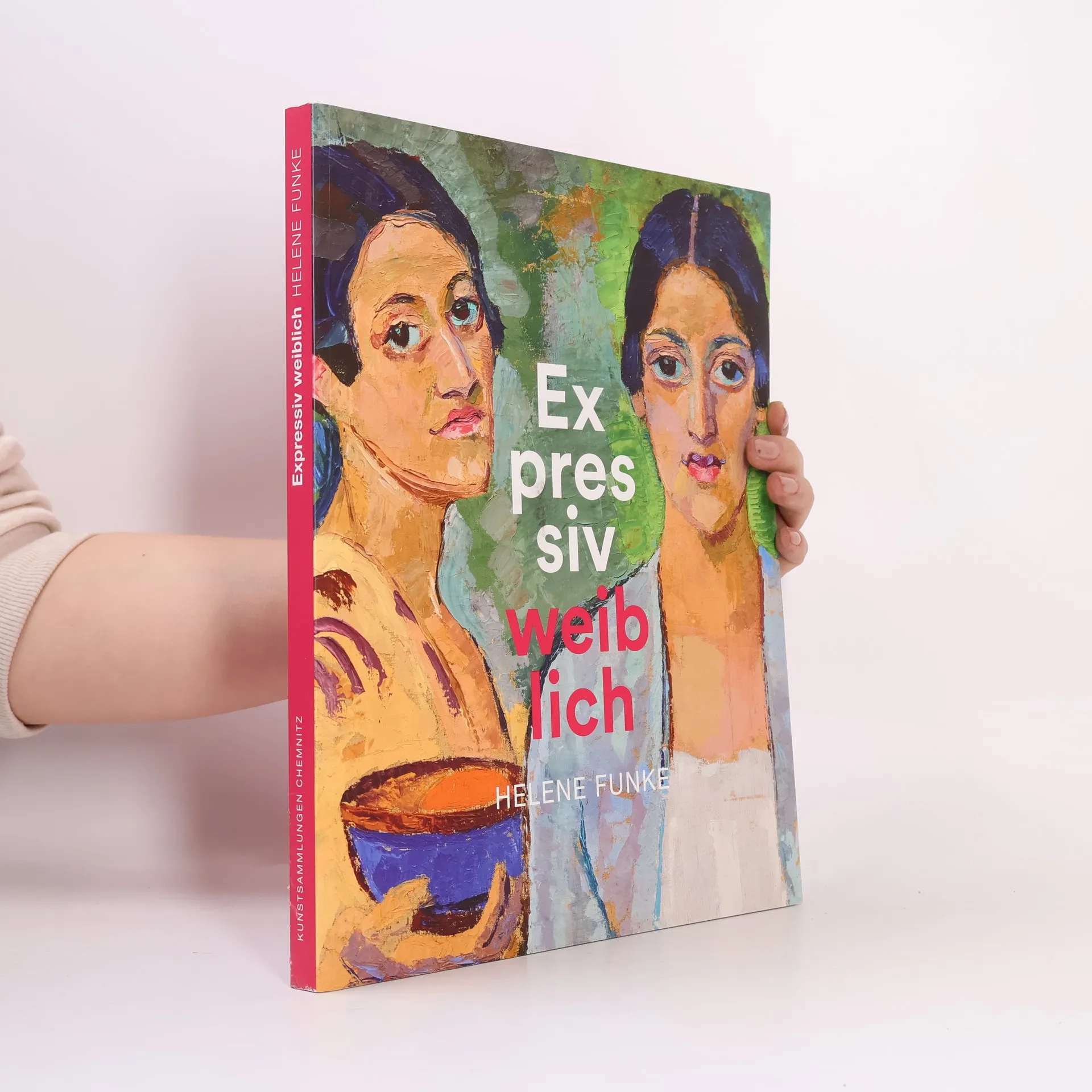
Helene Funke, deren 150. Geburtstag 2019 gefeiert wird, begründete eine eigenständige Form des Expressionismus. Sie studierte neben Gabriele Münter an der Damen-Akademie in München, stellte mit Matisse und Picasso in den Pariser Salons aus und feierte Erfolge als vielfach ausgezeichnete Malerin und Grafikerin neben Klimt und Schiele in Wien. Ungewöhnliche Bildnisse von Frauen und Frauengruppen wurden ihr Markenzeichen: Sie löste die Frau aus ihrer passiven Rolle, machte sie zur aktiven Beobachterin und selbstbewussten Akteurin innerhalb eines weiblichen Kollektivs. Zu ihrer Zeit war Funke die einzige moderne Künstlerin aus Chemnitz, die internationale Beachtung erlangte. Trotz ihrer über 40 Ausstellungsbeteiligungen von Paris über Hamburg bis Stockholm starb Funke 1957 verarmt und vergessen in Wien, ihr künstlerischer Nachlass wurde verstreut. Erst seit einigen Jahren wird ihr Werk wiederentdeckt. Exhibition: Kunstsammlungen Chemnitz, Germany (04.11.2018 - 13.01.2019).
Super mom or childless? It almost looks as if there were no such thing any longer as motherhood pure and simple, as if all that is left is the choice between perfectionism and eschewal. Nevertheless, motherhood has many aspects: joy, an intense experience of life, love relationship, learning, exulation, on the one hand, and, on the other, frustration, being weighed down by expectations and the fear of being inadequate to the task. In the 19th century motherhood was never called into question even if in actual reality the rewards often fell woefully short of projected ideals. It was only the advent of career openings for women that created alternatives to motherhood as a fulfilled life. Nor did we have to wait for 1960s feminist art to produce realistic portrayals of the mother's role, but we find renderings of social reality and individual conflicts already as early as the beginning of the 20th century. The catalog showcases not only shifts in the stereotypes of motherhood from 1900 to today but also the changes in the perspective from which children see their mothers.