

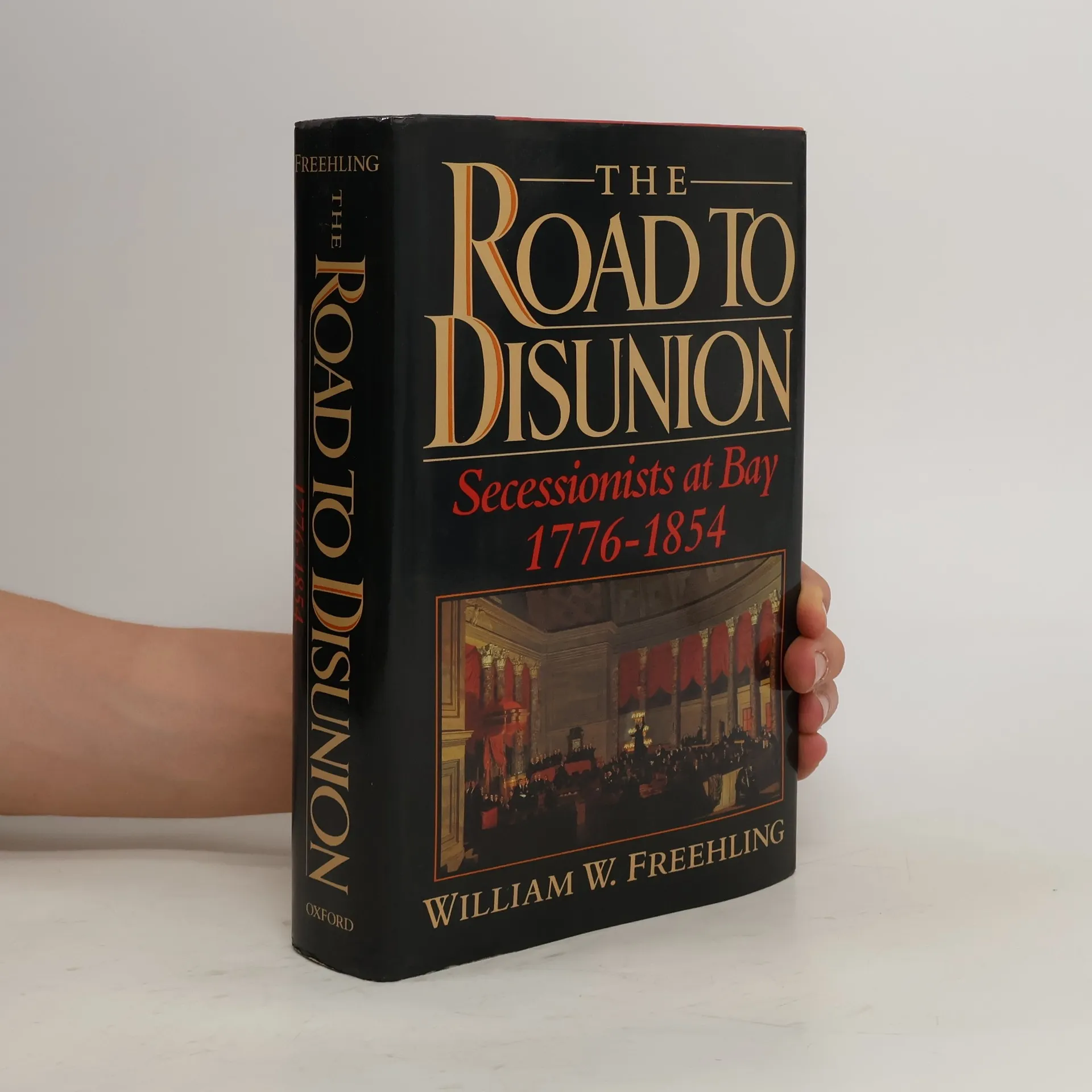
This is the first volume of a detailed study of the American South's road to disunion, offering a social history of the antebellum South from 1776 to 1854. The dramatic events leading to secession are related, and there are profiles of the major figures of the era.
William W. Freehling Bücher
William W. Freehling ist emeritierter Professor der Geisteswissenschaften.
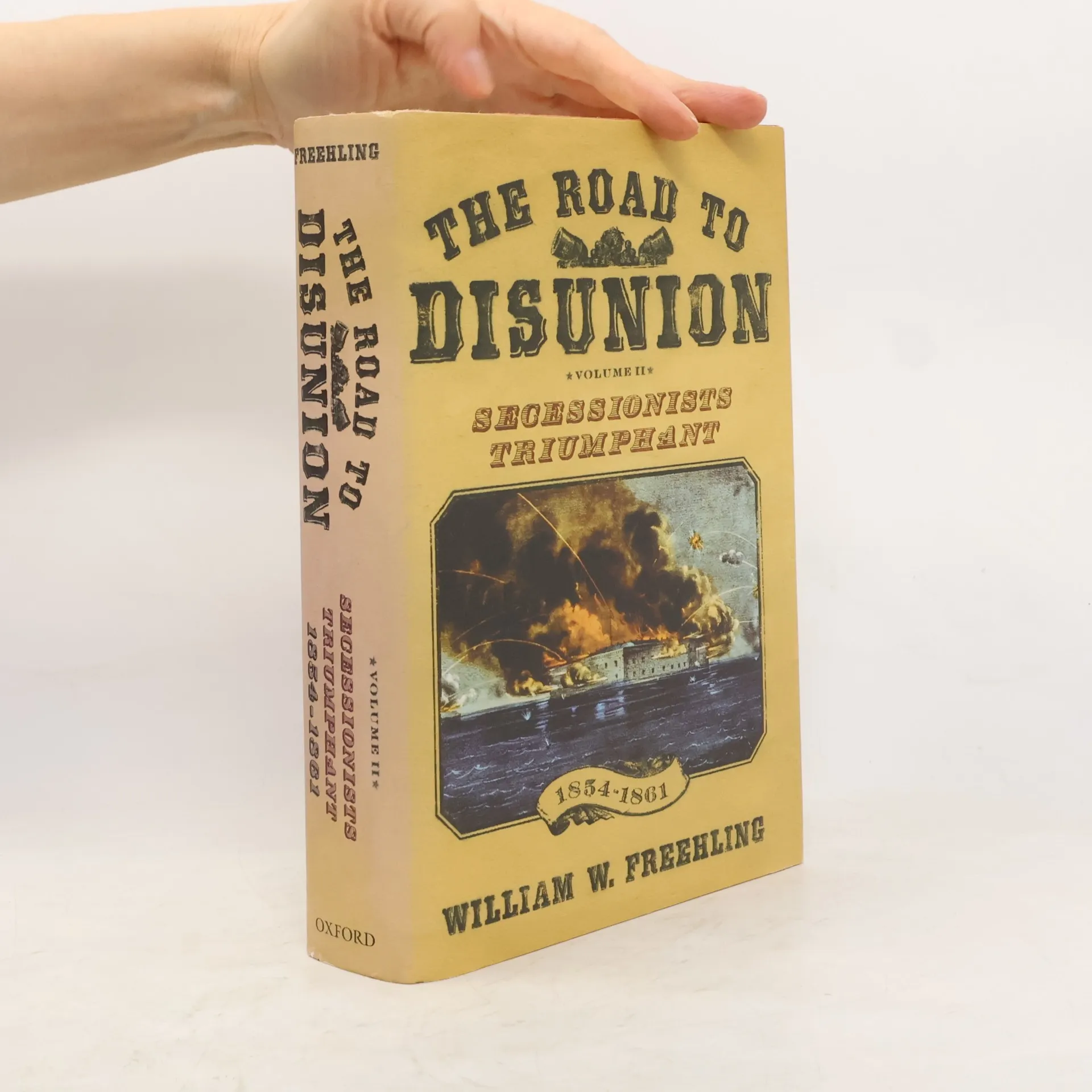
One of the great questions of American history is why the Southern states seceded from the Union, leading to the Civil War. Acclaimed historian William W. Freehling offers a new perspective in this final volume of his monumental history. With a powerful narrative and memorable portraits, Freehling skillfully recounts key moments on the path to war, including the violence in Bleeding Kansas, Preston Brooks's assault on Charles Sumner, the Dred Scott Decision, and John Brown's raid on Harper's Ferry. Initially, most Southerners took a cautious stance after Lincoln's election, waiting to see his actions, particularly regarding the South. However, the extreme fringe in the South quickly gained influence, starting in South Carolina and Mississippi, and began advocating for secession. This book is the first to fully document how this determined minority seized control of the secessionist agenda, propelled by a series of fortuitous events. Freehling provides compelling profiles of key leaders, many from the South Carolina elite, and evokes a world rich with fascinating characters and places. This long-awaited sequel to the award-winning Secessionists at Bay concludes a significant contribution to our understanding of the Civil War, offering a vivid portrait of the final years of the antebellum South.
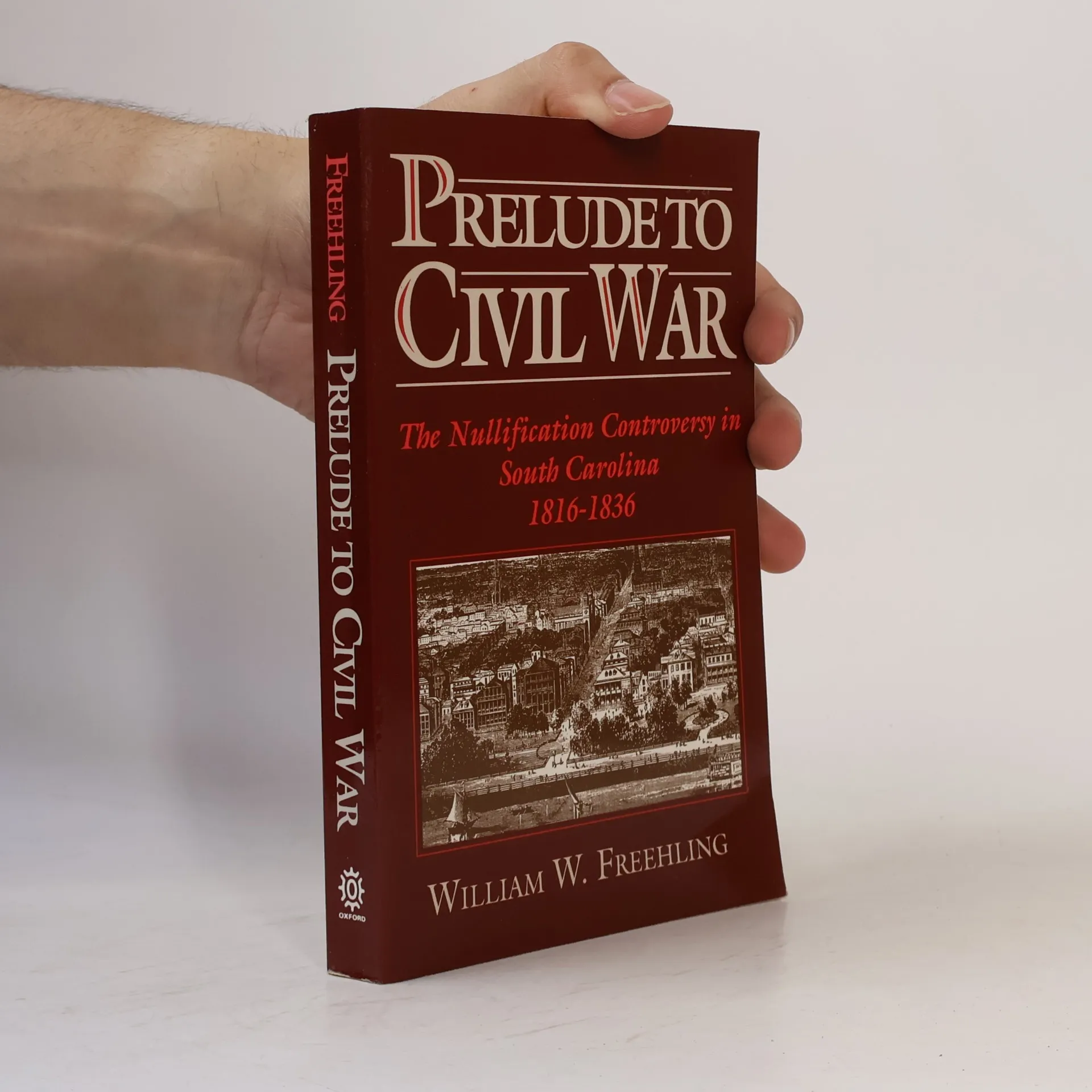
Prelude to Civil War
The Nullification Controversy in South Carolina 1816-1836
- 395 Seiten
- 14 Lesestunden
When William Freehling's work first appeared in 1965, it was celebrated as a brilliant study of the Civil War's origins, receiving accolades from various publications and historical societies, including the Allan Nevins History Prize and the Bancroft Prize. Now reissued, it remains the definitive work on the subject and a cornerstone of ante-bellum studies. The narrative focuses on the Nullification Controversy in South Carolina, detailing how aristocratic planters transitioned from a life of prosperity to one marked by economic distress, guilt over slavery, and fear of rebellion between 1816 and 1836. This shift led South Carolina's political leaders to adopt increasingly radical states' rights doctrines, culminating in their attempts to nullify federal law and even contemplate secession. The book introduces a vivid cast of characters, including John C. Calhoun, who sought to preserve both slavery and the Union; President Andrew Jackson, who threatened military action; and Denmark Vesey, who nearly executed a slave conspiracy. Freehling's work revises previous historical theories, illustrating how the fear of abolitionists and their influence in Congress fueled South Carolina's leaders to suppress discussions about slavery. Written in an engaging style, it is essential reading for understanding the roots of the conflict that ultimately tore the Union apart.