Gratisversand in ganz Deutschland!
Bookbot

Nicholas Crane

    Nicholas Crane ist ein englischer Geograph, Entdecker, Schriftsteller und Moderator, dessen Werke oft aus seiner Leidenschaft für Entdeckung und Reisen schöpfen. Sein Schreiben konzentriert sich auf Geographie, Geschichte und Kultur und verwebt persönliche Erfahrungen mit einem tiefen Verständnis der Welt um uns herum. Cranes Bücher und Fernsehprogramme zeichnen sich durch fesselnde Erzählungen und die Fähigkeit aus, Lesern und Zuschauern die Schönheit und Komplexität der Welt näher zu bringen.

    Nicholas Crane
    Latitude
    Mercator
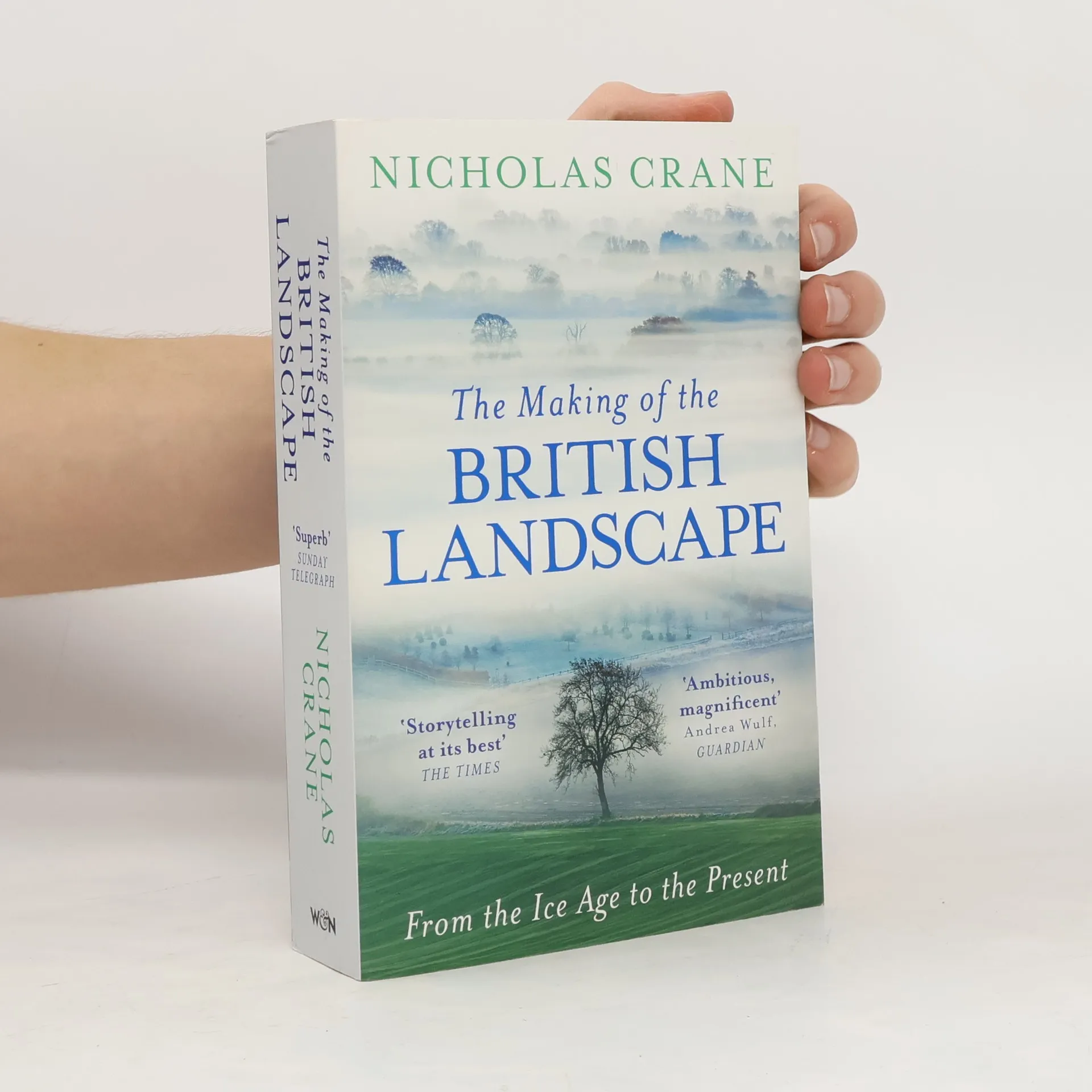
    The Making Of The British Landscape
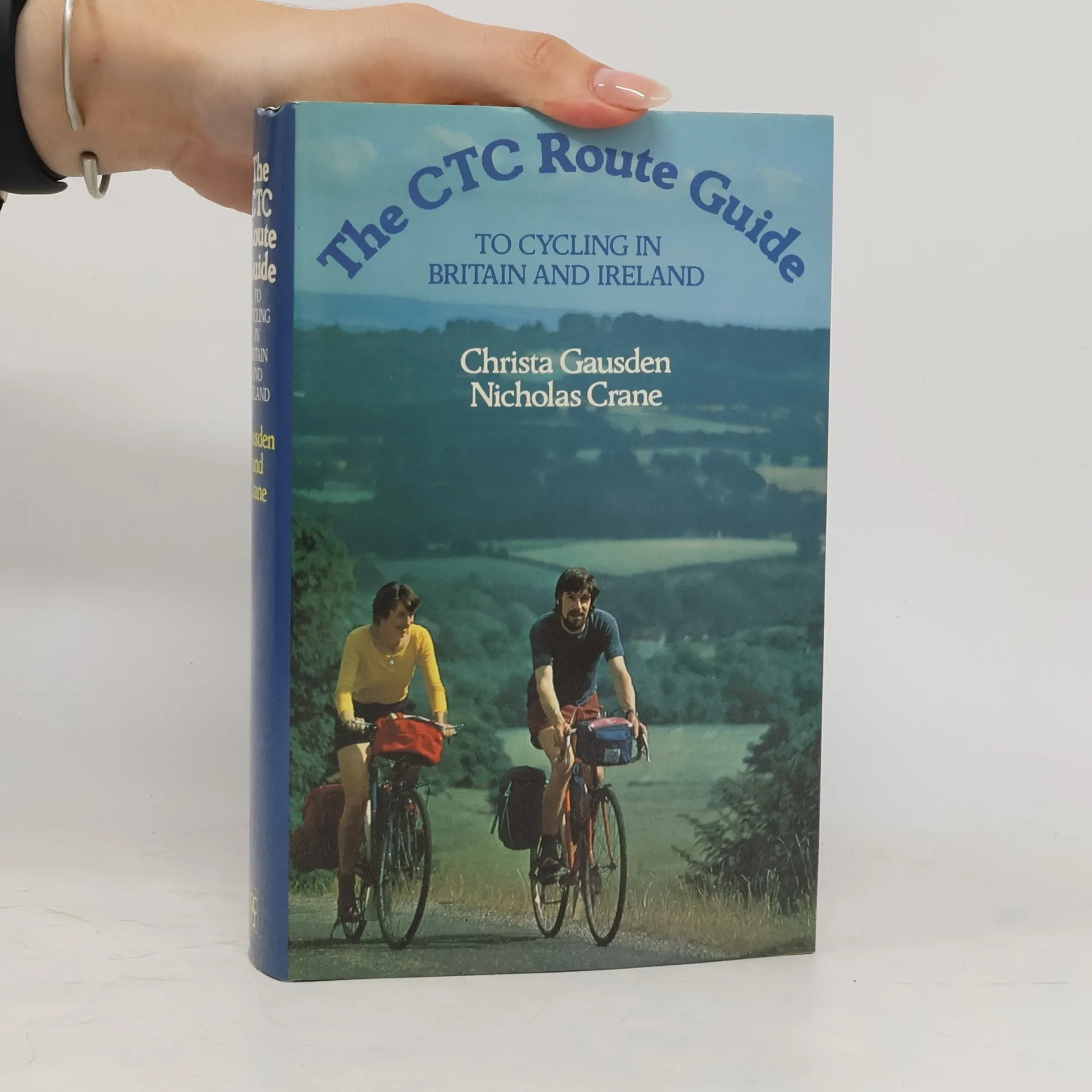
    Radwandern in Europa
    Breitengrad
    Mein großer bunter Weltatlas
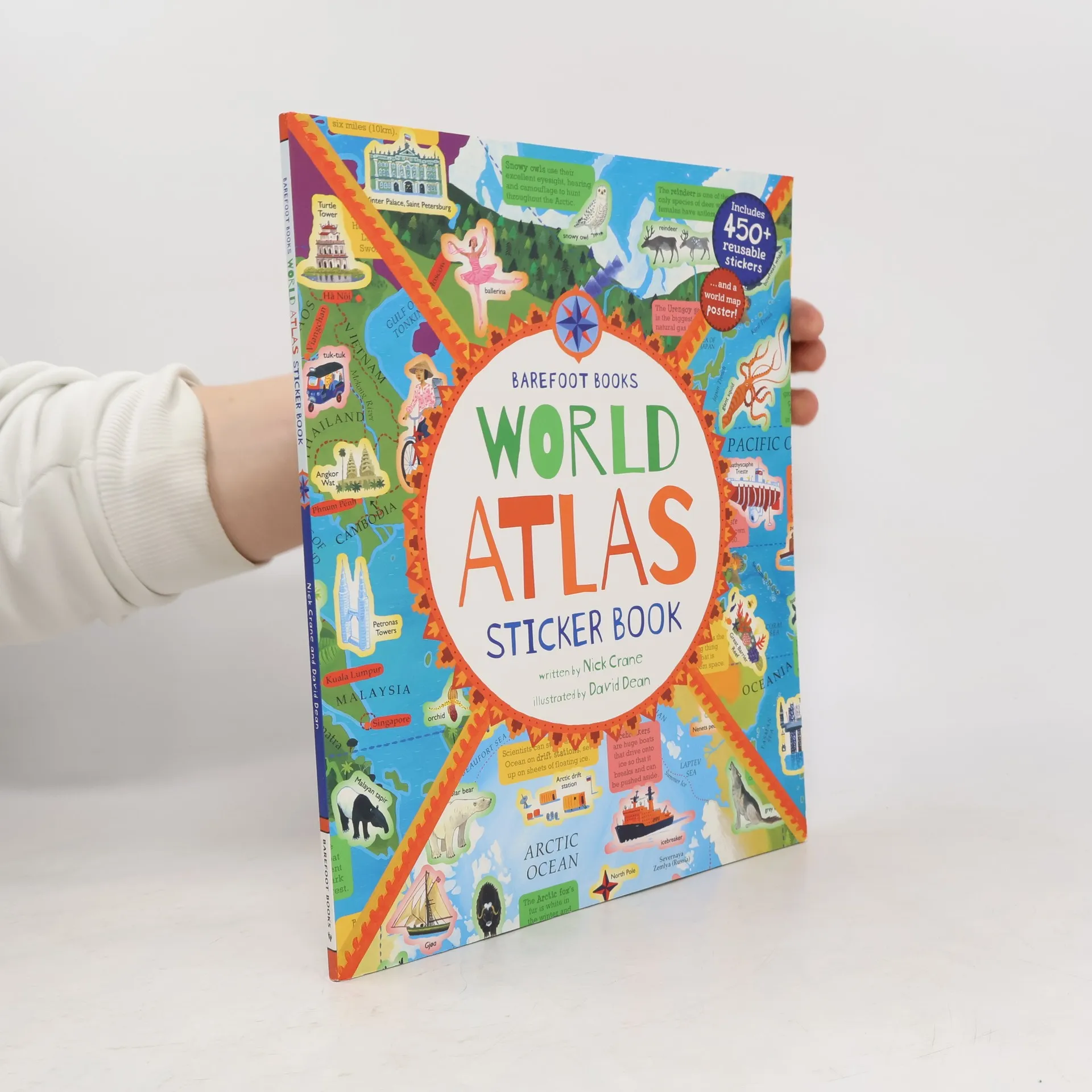
    • Komm mit auf eine faszinierende Reise! Entdecke die Wunder unseres Planeten von Australien bis Amerika, vom Nordpol bis zur Antarktis. Dieser Atlas führt Kinder ab 5 Jahren einmal rund um den Globus und zeigt dabei auf vielfältige und überraschende Weise, wie wertvoll die Erde ist, welche Geheimnisse es noch zu entdecken gilt und wie wichtig es ist, unsere Umwelt zu schützen und zu bewahren. - aufgeteilt in geografische Regionen - leicht verständliche Sachinformationen über die Tierwelt, kulturelle und historische Besonderheiten und Umweltschutz - mit zahlreichen Klappen und Ausklappseiten - mit ausführlichem Glossar - mit großer Weltkarte zum Herausnehmen Für alle zukünftigen Entdecker unserer wunderbaren Welt!
      Mein großer bunter Weltatlas
    • Breitengrad

      Die wahre Geschichte der Abenteurer, die unsere Welt formten

      3,7(6)Abgeben
      Breitengrad
    • The Making Of The British Landscape

      • 384 Seiten
      • 14 Lesestunden
      4,0(209)Abgeben

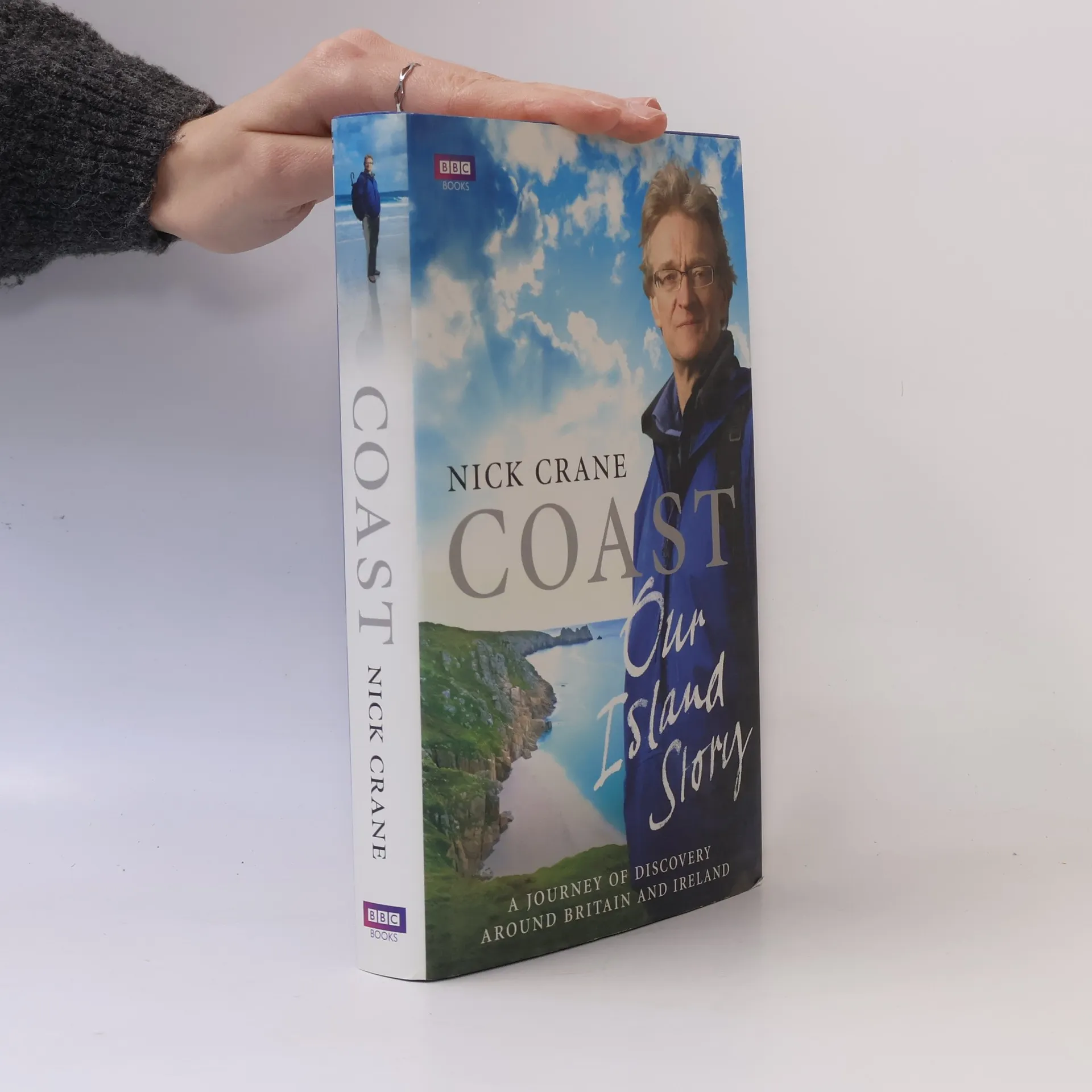
      The history of 12,000 years of the British landscape, from the Ice Age to the twenty-first century, by prizewinning author Nicholas Crane, co-presenter of COAST.

      The Making Of The British Landscape
    • Mercator

      The Man Who Mapped the Planet

      • 397 Seiten
      • 14 Lesestunden
      3,2(10)Abgeben

      Gerard Mercator (1512 1594) was born at the dawn of the Age of Discovery, when the world was beginning to be discovered and carved up by navigators, geographers and cartographers. Mercator was the greatest and most ingenious cartographer of them all: it was he who coined the word atlas and solved the riddle of converting the three dimensional globe into a two dimensional map while retaining true compass bearings. It is Mercator's Projection that NASA are using today to map Mars. How did Mercator reconcile his religious beliefs with a science that would make Christian maps obsolete? How did a man whose imagination roamed continents endure imprisonment by the Inquisition? Crane brings this great man vividly to life, underlying it with the maps themselves: maps that brought to a rapt public wonders as remarkable as today's cyber world.

      Mercator
    • An almost forgotten moment in history, a tale for our times, this is the true story of the mission to discover the shape of the Earth. They knew the world wasn't a sphere. Either it stretched at the poles or it bulged at the equator. But which? They needed to know because accurate maps saved lives at sea and made money on land. But measuring the Earth was so difficult that most thought it impossible. The world's first international team of scientists was sent to a continent of unmapped rainforests and ice-shrouded volcanoes where they attempted to measure the length on the ground of one degree of latitude. Beset by egos and disease, storms and earthquakes, mutiny and murder, they struggled for ten years to reach the single figure they sought. Latitude is an epic story of survival and science set in mountain camps and remote observatories. It is also a story of exploration in which an unruly gaggle of misfits made breakthroughs in rubber and platinum, gravity and fogbows, quinine and Inca archaeology. A breathtaking tale of courage in adversity, it is celebrated today as the first modern exploring expedition

      Latitude
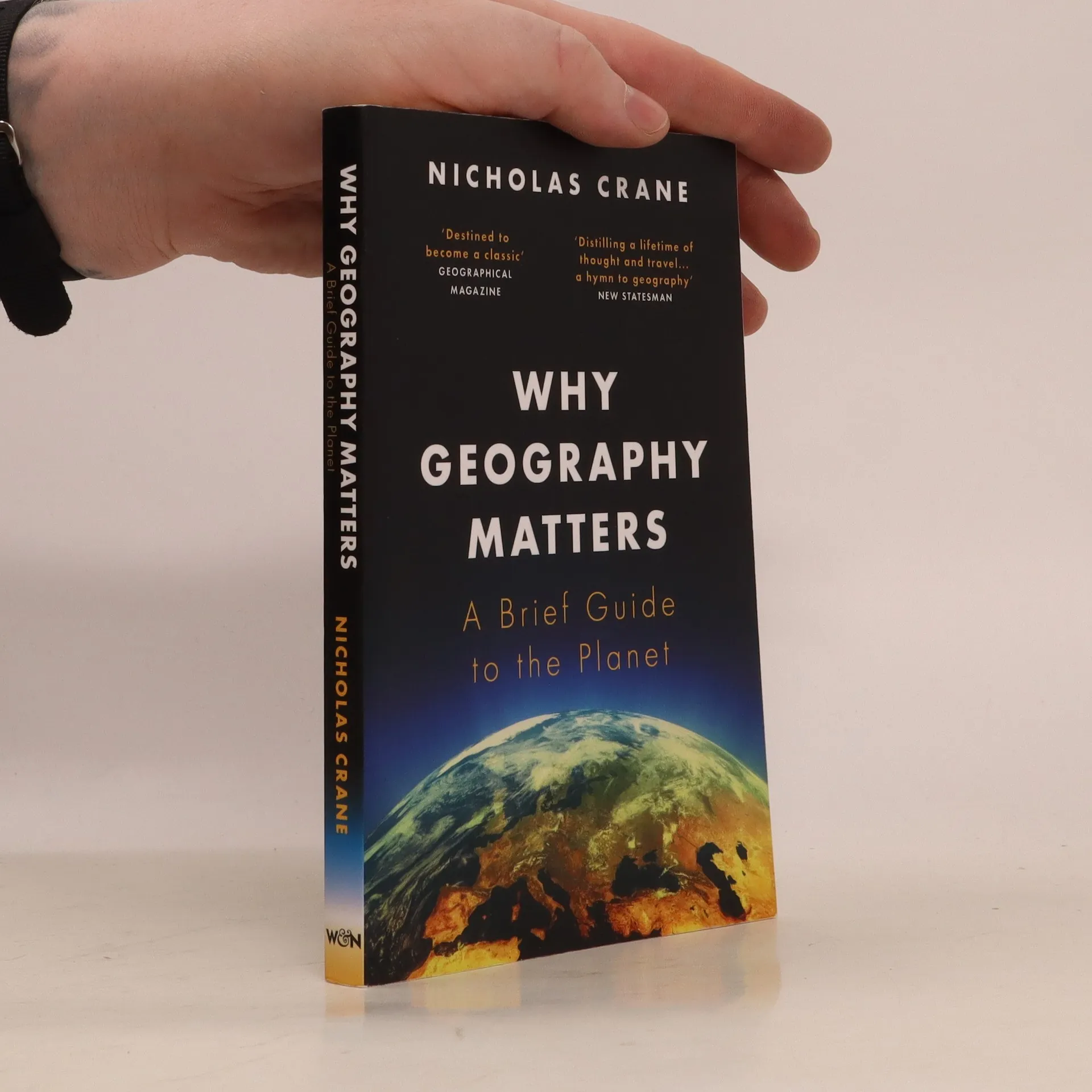
    • One word binds us all: geography. We are all geographers, human beings who care about the places we think of as 'home' - our habitat. And yet we have lost touch with the connection between our actions and the state of the planet that we all share. We need a new narrative that restores the connections between humanity and the Earth. We are being confronted by a daily barrage of geographical stories on climate change, geopolitics, population growth, migration, dwindling resources, polluted oceans and natural hazards. These are planetary concerns affecting all people and all places. They are challenges which can be addressed through geography. In this short but powerful book, Nicholas Crane makes the compelling case that never has geography been so important. On this finite orb, with its battered habitat, sustained in dark space by a thin, life-giving atmosphere, we have reached a point in our collective geographical journey where knowledge is the best guarantor of the future. [NOTE: published in hardback as YOU ARE HERE]

      Why Geography Matters. A Brief Guide to the Planet
    • Sám – i když se teprve nedávno oženil – a s odhodláním zdolat cestu jen po svých se Nicholas Crane pouští do neobyčejného dobrodružství: sedmnáct měsíců dlouhou pouť přes pásma hor, která se táhnou Evropou od španělského mysu Finisterre až do tureckého Istanbulu. S deštníkem, který mu jako jediný dělal společnost, zdolal Pyreneje a ve stopách Roberta Louise Stevensona přešel Ceveny. V zimě vystoupil na Mont Blanc, překonal Alpy a putoval dál přes zalesněné Karpaty a balkánská pohoří, potýkal se s bouřkami i suchem, zápolil se sto let starými mapami. Na své dlouhé pouti, při níž odhaluje i některé temnější odkazy evropských dějin, se setkal s mnoha barvitým postavami, k nimž patřili ovčáci, výrobci sýra, jeden značně nespolečenský medvěd hnědý a prostitutka, která se nenechala jen tak snadno odbýt. Toto klasické vyprávění je strhujícím příběhem o houževnaté vytrvalosti a oslavou lidí i oblastí existujících na samém okraji moderního světa.

      Pěšky napříč Evropou: Od španělského mysu Finisterre přes vrcholky hor až do tureckého Istanbulu