

The book explores the evolution of democratic values from the 1700s, tracing their origins and significance. It includes a new section addressing contemporary challenges posed by anti-democratic movements, highlighting how social theorists in the 2020s are reexamining these values to effectively counter threats to democracy. The updated content provides a historical context while engaging with current societal issues, making it relevant for understanding the ongoing struggle for democratic principles.
Charles Lemert Bücher
Charles Lemert ist ein amerikanischer Sozialtheoretiker und Soziologe, dessen Werk sich mit kritischen Fragen der modernen Gesellschaft auseinandersetzt. Seine Analysen zeichnen sich durch ein tiefes Verständnis der gesellschaftlichen Kräfte aus, die unsere Welt prägen. Durch seine Schriften bietet Lemert tiefgründige Einblicke in gegenwärtige Herausforderungen und eröffnet den Lesern neue Perspektiven zum Verständnis sozialer Realität. Sein schriftstellerischer Stil ist klar und zugänglich.
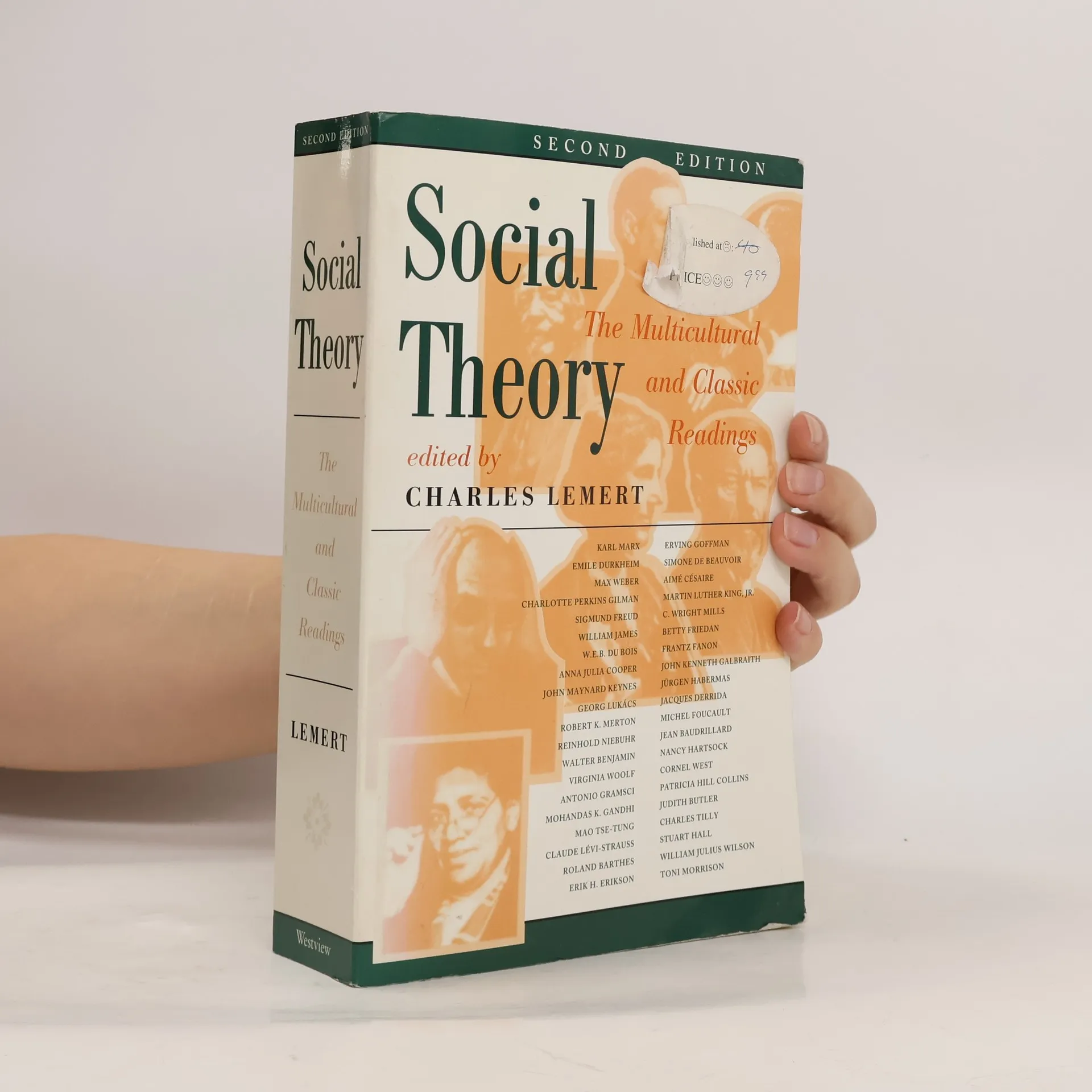

This first truly multicultural anthology collects important, readable texts representative of the full range of social theory as it has developed from the nineteenth century to the present. Now that social theory is practiced in many disciplines, it is time to reflect on the variety of theories being read today and the earlier sources that are customarily neglected. If today we read Donna Haraway, Henry Louis Gates, and Michel Foucault, we should also read and understand Charlotte Perkins Gilman and W.E.B. Du Bois, alongside Weber, Simmel, William James, and others of their contemporaries from the end of the nineteenth century.This book, therefore, sets a wider gauge for the understanding of the history of social thought than could have been possible before. It brings texts together in unexpected and exciting ways: those of Parsons and Dorothy Smith, Merton and Lacan, Wallerstein and Frantz Fanon, James Coleman and Molefi Asante. Extensive introductory essays by the editor situate the writings in their times, identifying the currents of social change that shaped fundamental questions of modern and postmodern life. The second edition includes new readings, a new section covering the postmodern controversies of recent years, and a postscript that addresses the changes and directions in social theory.