


Gratis Versand ab 16,99 €. Mehr Infos.
Bookbot

William Easterly

    7. September 1957

    William Easterly ist ein Wirtschaftsprofessor, dessen Arbeit kritisch die Determinanten des langfristigen Wirtschaftswachstums, die politische Ökonomie der Entwicklung und die Wirksamkeit ausländischer Hilfe untersucht. Seine Forschung befasst sich mit den oft unbeabsichtigten Folgen westlicher Hilfsbemühungen, hinterfragt deren tatsächliche Auswirkungen und beleuchtet, warum Versuche, die Bedingungen in der Entwicklungswelt zu verbessern, ins Leere laufen können. Gestützt auf umfangreiche Erfahrungen in Entwicklungsregionen und seine Zeit bei der Weltbank bietet Easterly eine differenzierte Perspektive auf die Komplexität der globalen Entwicklung. Seine Analysen zielen darauf ab, die Realitäten hinter Entwicklungsstrategien und deren praktische Ergebnisse aufzudecken.

    The Tyranny of Experts
    Reinventing foreign aid
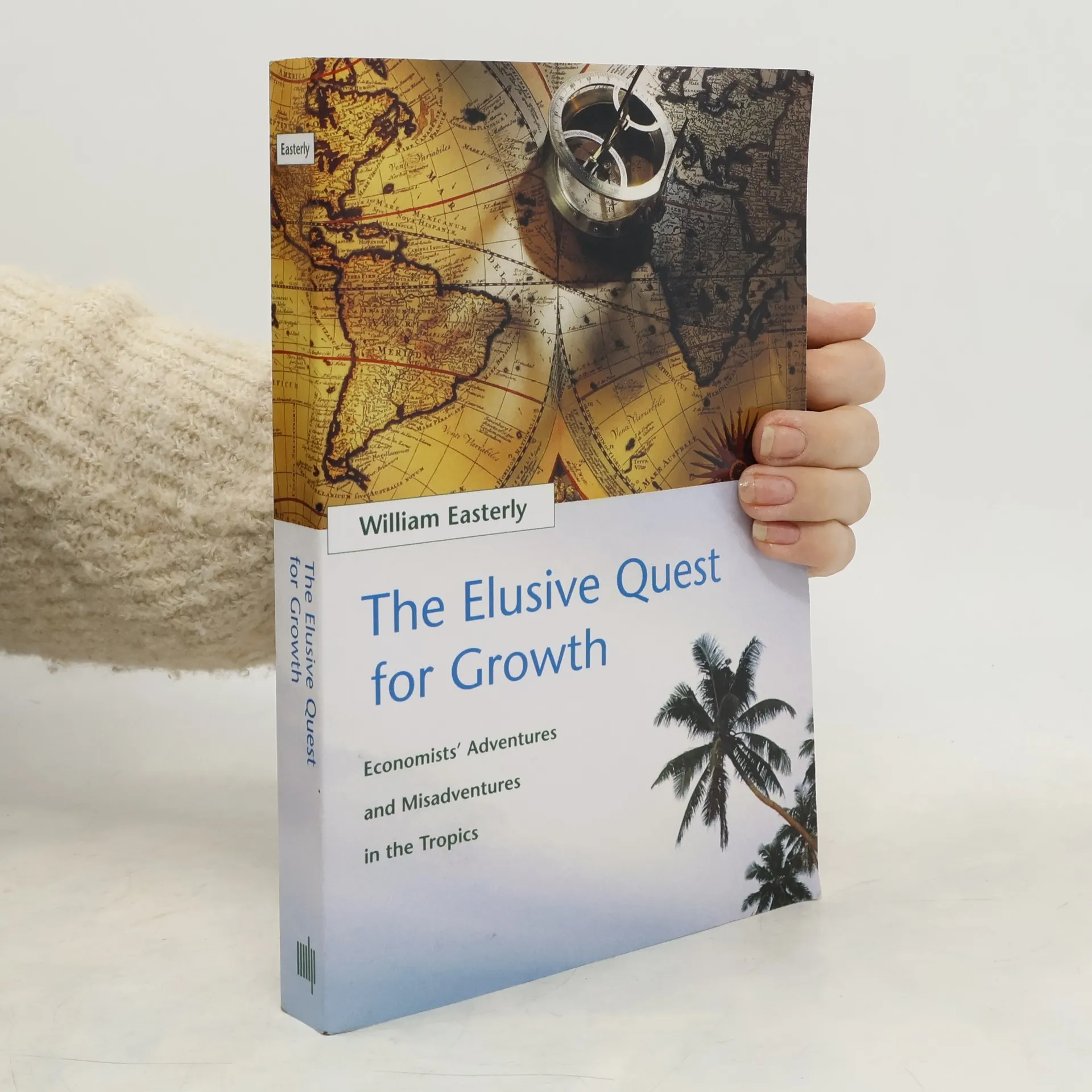
    The Elusive Quest for Growth
    The Elusive Quest for Growth : Economists' Adventures and Misadventures in the Tropics
    Wir retten die Welt zu Tode
    • Wir retten die Welt zu Tode

      • 388 Seiten
      • 14 Lesestunden

      Der renommierte US-Ökonom und Entwicklungsexperte William Easterly kritisiert so genannte »Planer«, die aus der Ferne utopische, aber nicht praktikable Pläne verordnen, ohne zu erkennen, was tatsächlich gebraucht wird. Stattdessen fordert er mehr Unterstützung für »Sucher«. Sie zielen auf konkrete Maßnahmen vor Ort und lenken Hilfsgelder dorthin, wo Selbsthilfe in überprüfbaren Schritten geleistet wird. Easterly zeigt anhand vieler Beispiele und Fakten: medizinische Versorgung, Bildung und Ernährung können für Millionen Menschen wirksam verbessert werden, wenn Entwicklungsgelder konsequenter wie unternehmerische Investitionen behandelt werden.

      Wir retten die Welt zu Tode
      3,9
    • Since the end of World War II, economists have tried to figure out how poor countries in the tropics could attain standards of living approaching those of countries in Europe and North America. Attempted remedies have included providing foreign aid, investing in machines, fostering education, controlling population growth, and making aid loans as well as forgiving those loans on condition of institutional reforms. None of these solutions has delivered as promised. The problem is not the failure of economics, William Easterly argues, but the failure to apply economic principles to practical policy work.In this book Easterly shows how these solutions all violate the basic principle of economics, that people -- private individuals and businesses, government officials, even aid donors -- respond to incentives. Easterly first discusses the importance of growth. He then analyzes the development solutions that have failed. Finally, he suggests alternative approaches to the problem. Written in an accessible, at times irreverent, style, Easterly's book combines modern growth theory with anecdotes from his fieldwork for the World Bank.

      The Elusive Quest for Growth : Economists' Adventures and Misadventures in the Tropics
      4,1
    • The Elusive Quest for Growth

      • 356 Seiten
      • 13 Lesestunden

      Why economists' attempts to help poorer countries improve their economic well- being have failed.

      The Elusive Quest for Growth
      4,0
    • The Tyranny of Experts

      • 394 Seiten
      • 14 Lesestunden

      An economist describes how tactics to fight global poverty have actually resulted in suppressing the rights of the poor and argues for a new model of development in third world countries that will address unchecked state power and retain individual freedoms. 40,000 first printing.

      The Tyranny of Experts
      3,9