


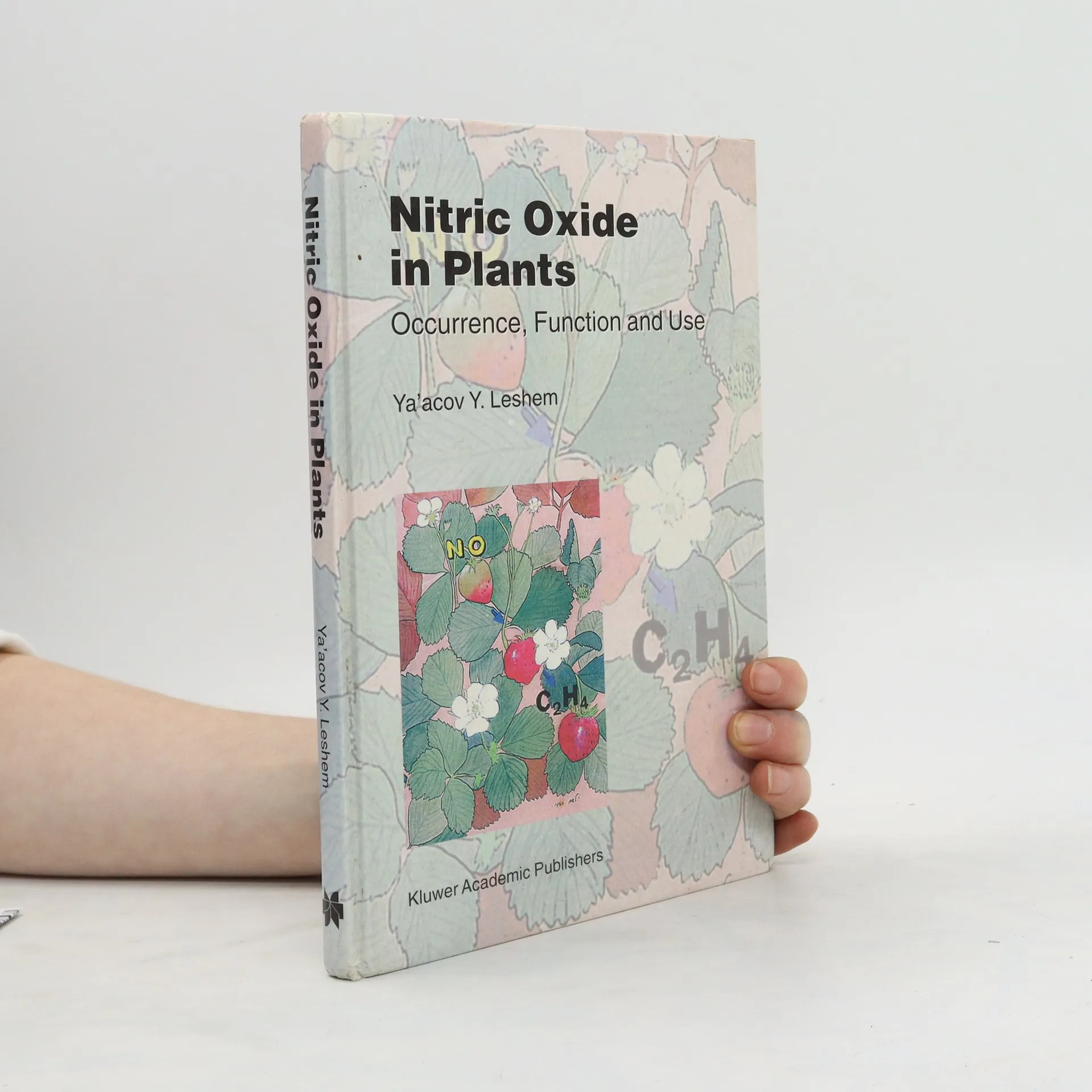
Nitric Oxide in Plants
- 180 Seiten
- 7 Lesestunden
This book - the first published on this topic in plants - presents the reader with an overview of recent research on nitric oxide (NO) in plants, which, in view of its empirical interest and its growth regulatory potential, is in the forefront of scientific endeavor in plant science. Subject matter is divided into two Part 1 deals with NO and peroxynitrite biochemistry and regulative mechanisms as presently known in the Plant Kingdom and outlines some of the problems still awaiting clarification. Emphasis is placed on ethylene emission regulation, postharvest control, plant phytopathology and environmental stress tolerance. A further topic is plant NO, like Viagra, related to cyclic nucleotide turnover.Part 2 deals with environmental aspects of NO as an atmospheric pollutant and discusses endogenous means which plants at times employ to cope with this particular type of stress, and how their coping mechanisms may be harnessed for purposes of depollution and augmentation of nitrogen fertilization.The text, accompanied by a wealth of illustrations and annotated references, is intended for lecturers, advanced students and research scientists at universities and research institutes dealing with plant sciences and agriculture, as well as for environmental researchers.