
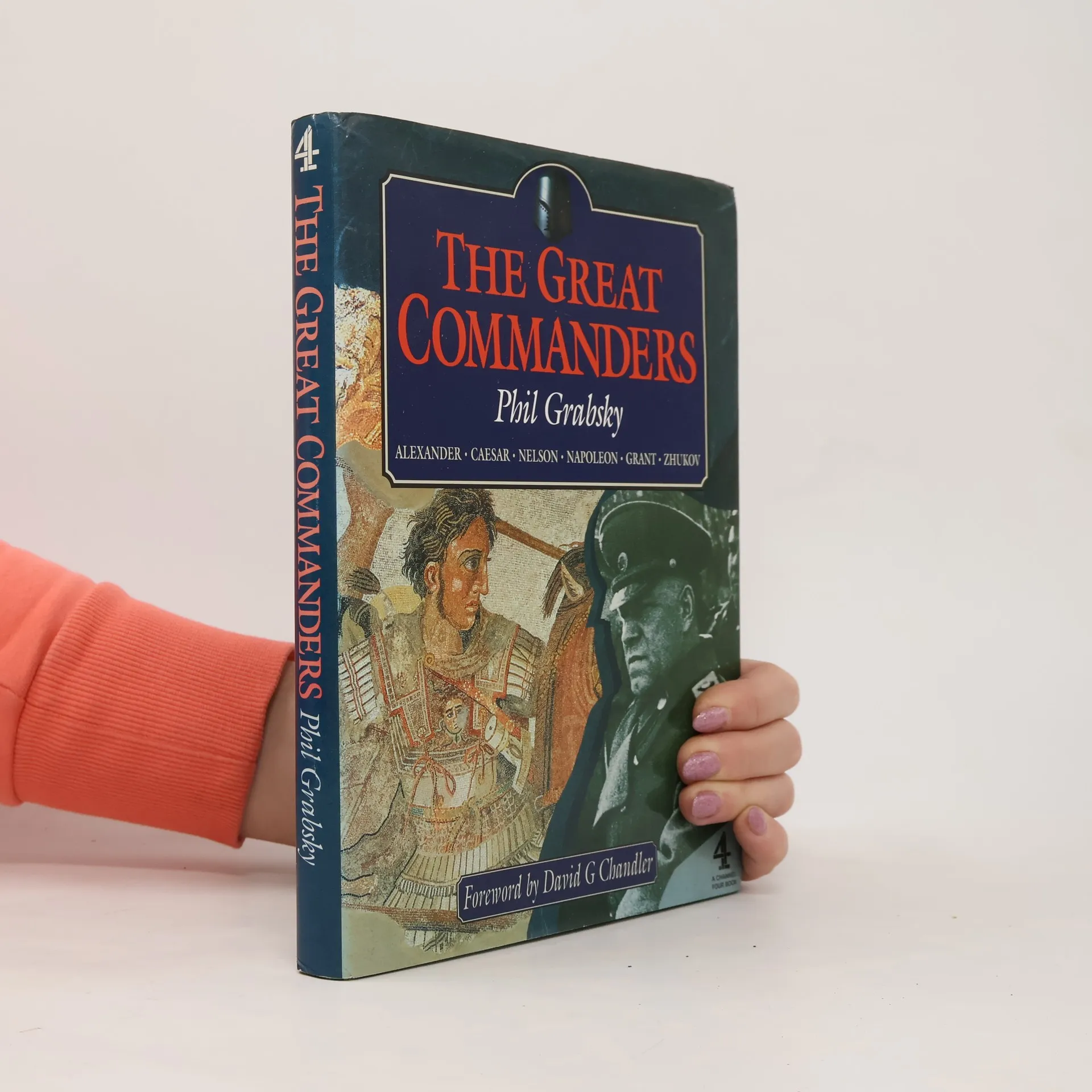
Focusing on the lives of six influential leaders, the narrative explores the intricate balance of public and private personas within the Roman Empire. Beginning with Julius Caesar, it chronicles 600 years of political intrigue and power dynamics that shaped a civilization whose impact is foundational to Western culture. Through these stories, the book reveals the complexities of leadership and the enduring legacy of Roman governance.
Phil Grabsky Reihenfolge der Bücher
Phil Grabsky ist ein preisgekrönter Dokumentarfilmer und Schriftsteller mit einer über 30-jährigen Karriere. Er und sein Unternehmen Seventh Art Productions produzieren Filme für Kino, Fernsehen und DVD. Sein jüngstes Projekt ist die Schaffung einer äußerst erfolgreichen und einzigartigen Kunstmarke namens EXHIBITION ON SCREEN.


- 2022
- 2001
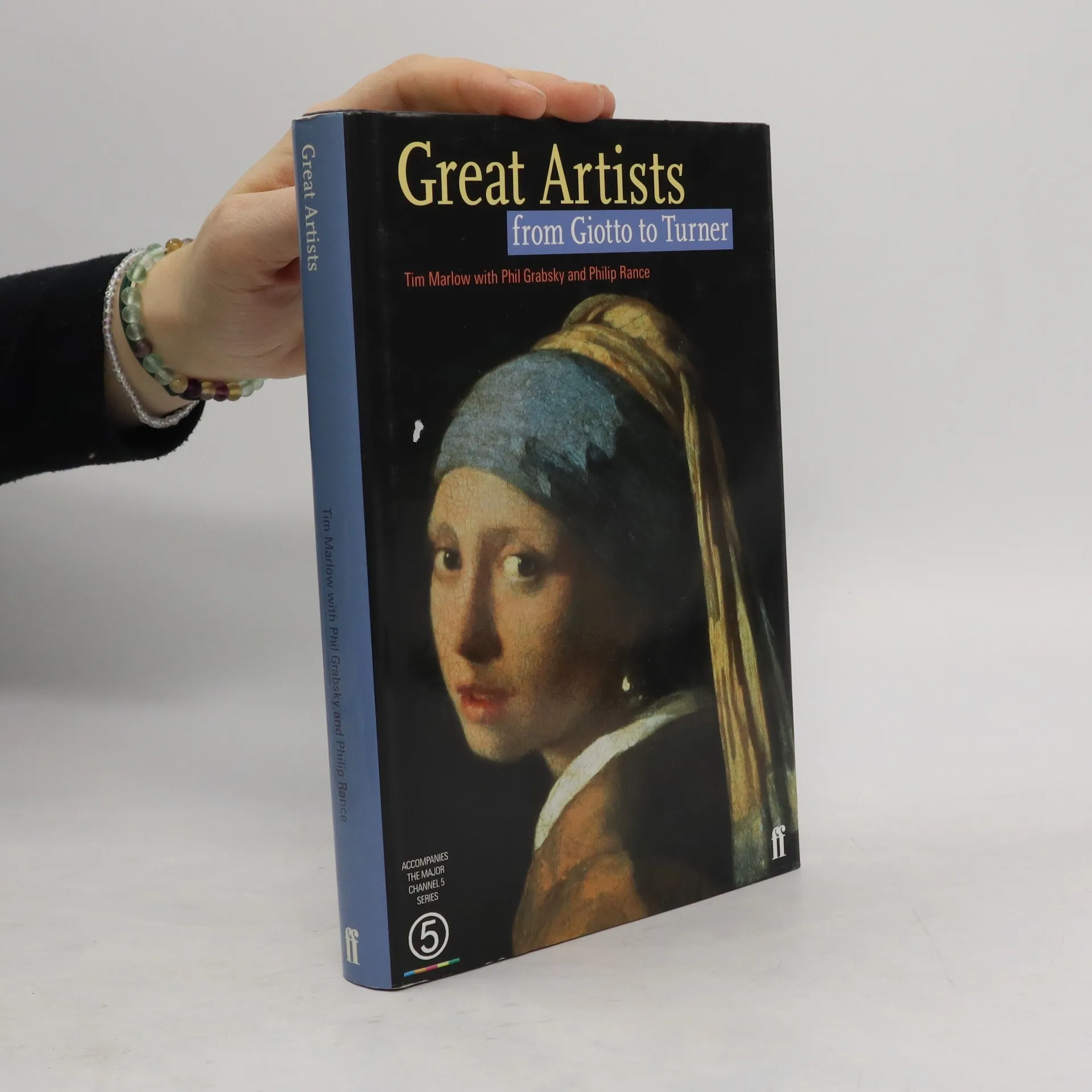
Great Artists
- 319 Seiten
- 12 Lesestunden
A perfect introduction for anyone interested in the rich history of Western Art. Great Artists takes its readers on a journey through the history of art, beginning in the thirteenth century with Giotto, and ending in the twentieth century with Picasso. Along the way the major painters of Western art are considered, placed in their social context, and discussed in terms of the most recent scholarship. The book explores how and why these painters were significant in changing how the world was seen and represented. Intelligent and accessible, this book ties in with a 15-part Channel 5 TV series from the authors, and is the ideal gift for would-be connoisseurs seeking a pathway into the lives of the great painters.
- 1999
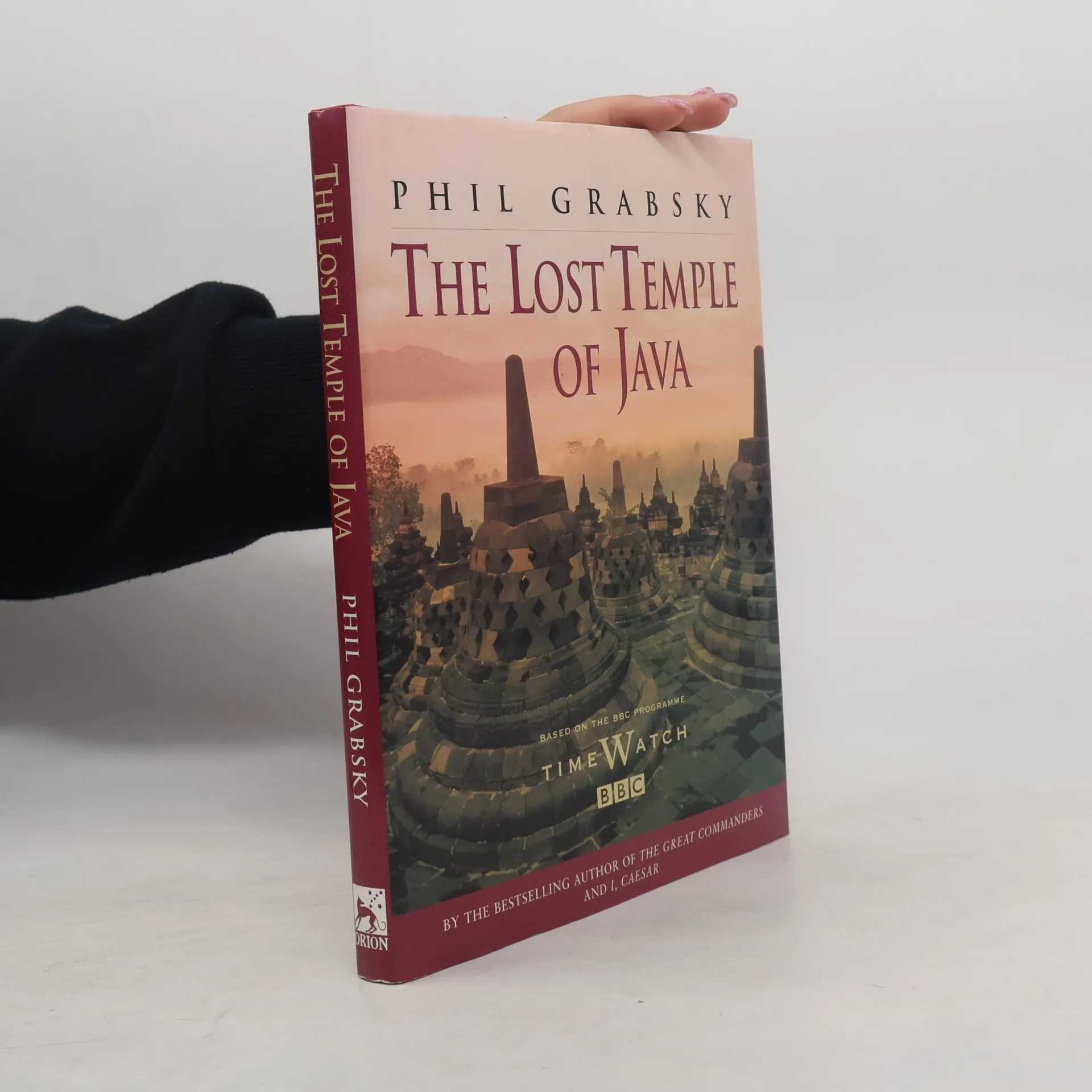
The Lost Temple of Java
- 144 Seiten
- 6 Lesestunden
Uncover the many mysteries of the long-missing "eighth wonder of the world." Built by a now-forgotten civilization that flourished even as Europe languished in the Dark Ages, Borobudur in Central Java is the world's largest Buddhist temple, erected out of 1.6 million blocks of worked volcanic stone and containing three miles of relief carvings and 504 statues of Buddha. Yet, for 1,000 years it lay deserted, until Java's Lieutenant-Governor Sir Thomas Raffles decided to investigate rumors of a huge structure located deep in the jungle--and found this awe-inspiring edifice. Who built it? How was it constructed? And, why was it abandoned so soon after completion? A fascinating tale of what is now one of Asia's biggest tourist attractions.