
Bookbot

Glending Olson Bücher

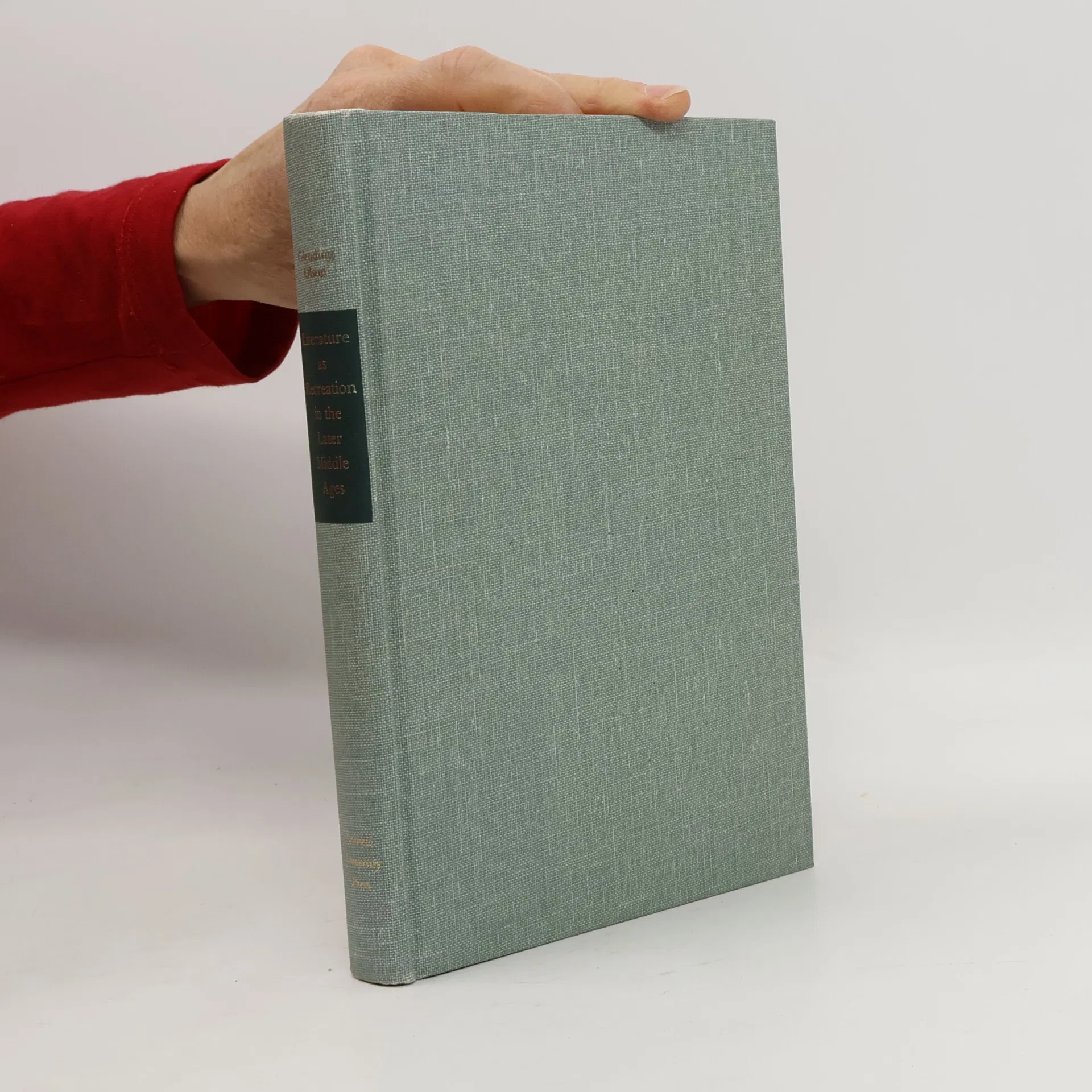
    Literature as Recreation in the Later Middle Ages
    The Canterbury Tales
    • The Canterbury Tales

      Lektüre mit Audio-Online

      The procession that crosses Chaucer's pages is as full of life and as richly textured as a medieval tapestry. The Knight, the Miller, the Friar, the Squire, the Prioress, the Wife of Bath, and others who make up the cast of characters -- including Chaucer himself -- are real people, with human emotions and weaknesses. Chaucer's genius bursts forth from every page of The Canterbury Tales. According to the General Prologue, each pilgrim was meant to tell two tales on the way to Canterbury and two on the way back. Although he never finished this enormous project and the completed tales were not finally revised, the work remains a cornerstone of English literature. Scholars are uncertain about the order of the tales, and since the printing press had yet to be invented when Chaucer wrote, The Canterbury Tales has been preserved in several handwritten manuscripts. This collection captures the diversity of medieval society and explores themes of love, morality, and the human condition through its vivid storytelling.

      The Canterbury Tales
      4,0
    • This book studies attitudes toward secular literature during the later Middle Ages. Exploring two related medieval justifications of literary pleasure--one finding hygienic or therapeutic value in entertainment, and another stressing the psychological and ethical rewards of taking time out from work in order to refresh oneself--Glending Olson reveals that, contrary to much recent opinion, many medieval writers and thinkers accepted delight and enjoyment as valid goals of literature without always demanding moral profit as well. Drawing on a vast amount of primary material, including contemporary medical manuscripts and printed texts, Olson discusses theatrics, humanist literary criticism, prologues to romances and fabliaux, and Chaucer's <i>Canterbury Tales</i>. He offers an extended examination of the framing story of Boccaccio's <i>Decameron</i>. Although intended principally as a contribution to the history of medieval literary theory and criticism, <i>Literature as Recreation in the Later Middle Ages</i> makes use of medical, psychological, and sociological insights that lead to a fuller understanding of late medieval secular culture.

      Literature as Recreation in the Later Middle Ages