

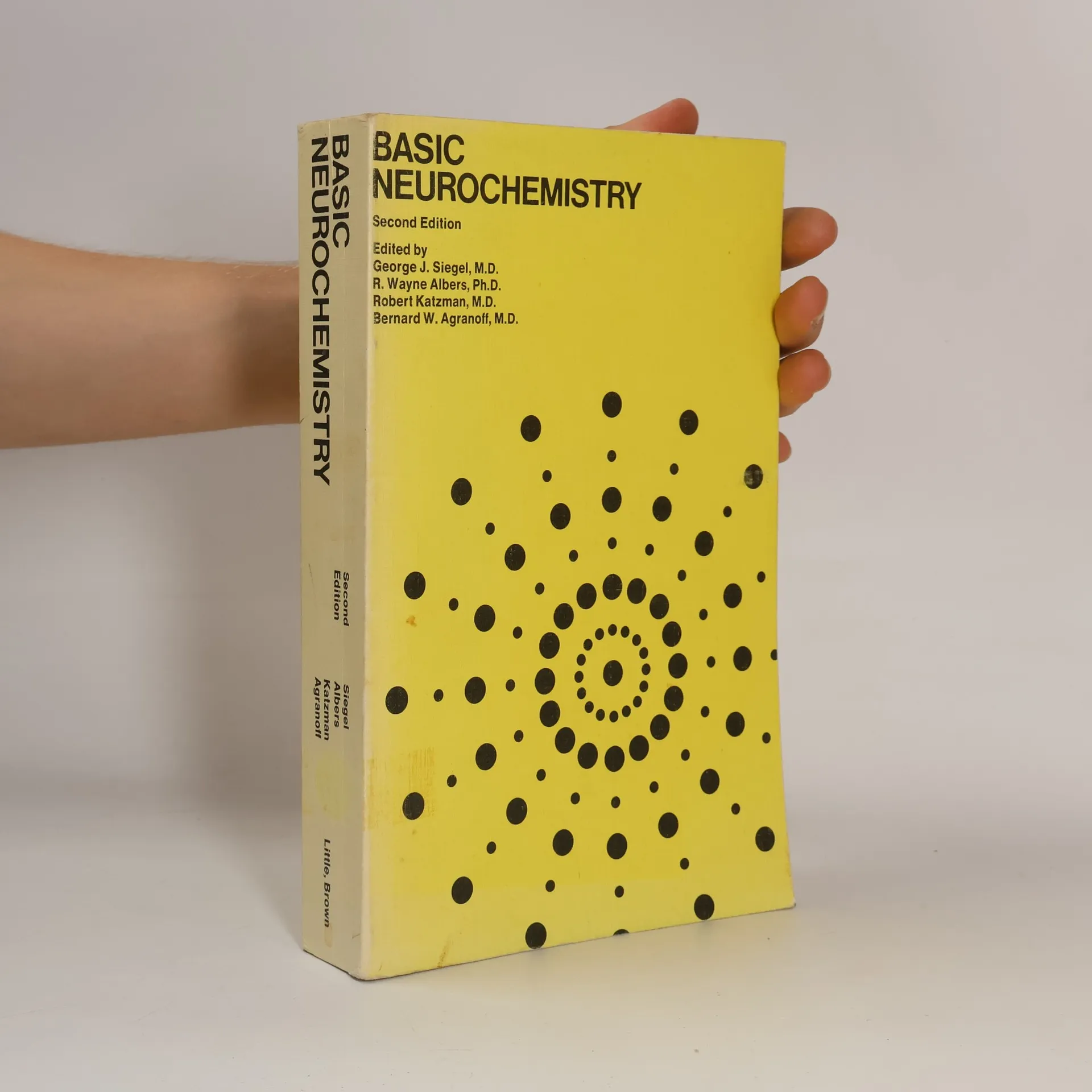
The Eighth Edition of this classic text on neurochemistry has been thoroughly updated and revised, continuing its legacy as the global standard for the biochemistry of the nervous system for over forty years. It serves as an essential resource for postgraduate trainees and educators in neurology, psychiatry, and basic neuroscience, as well as for medical and graduate students. This edition reflects advancements in the field, offering current insights into biochemical and cellular processes related to brain function and neurological diseases, making it invaluable for continuing medical education and qualifying exams. The text bridges basic and clinical neuroscience, highlighting connections between neurochemistry and neurologic diseases. Key updates include expanded coverage on intracellular trafficking, stem cells, adult neurogenesis, lipid messengers, major neurodegenerative and psychiatric disorders, addiction, pain, hearing and balance, learning and memory, sleep, myelin structure, autism, and neuroimmunology. Notable features include a completely updated text with new authors and chapters, over 400 revised figures in color, 61 comprehensive chapters, and translational science boxes that emphasize the integration of basic and clinical neuroscience. A companion website is also available for additional resources.
Robert Katzman Bücher
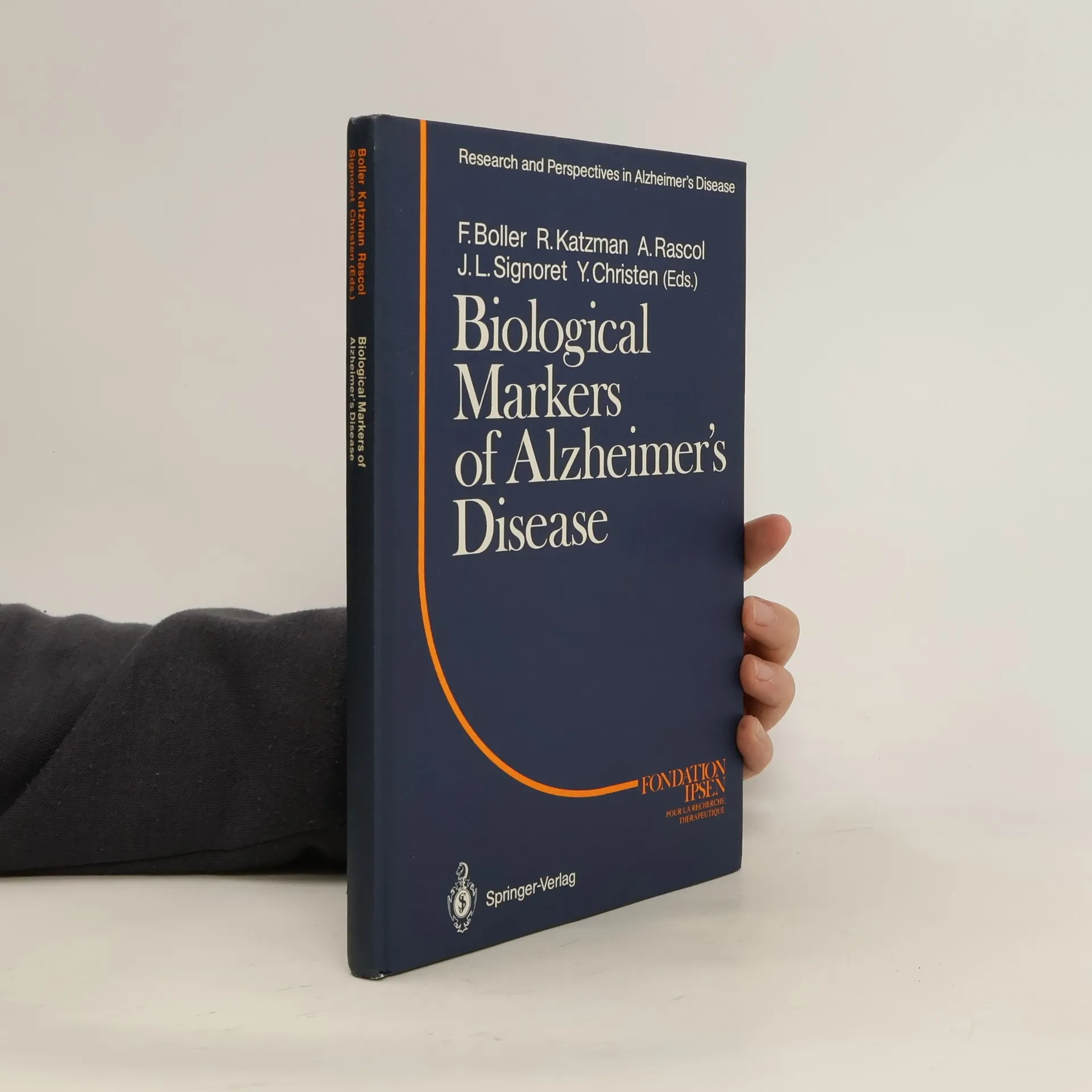
This volume presents the proceedings of the symposium held in Toulouse on April 24, 1989, on the topic "Biological Markers of Alzheimer's Disease. " This sym posium was the fourth of a continuing and successful series of Colloques Medecine et Recherche organized by the Fondation IPSEN pour la Recherche Therapeutique, addressing various aspects of contemporary research in the field of Alzheimer's disease (AD). The series started in September 1987 with "Im munology and Alzheimer's Disease," followed 6 months later in Paris by "Gene tics and Alzheimer's Disease" and in September 1988 in Montpellier by "Neuronal Grafting and Alzheimer's Disease. " The present symposium was organized for the purpose of gathering the most current ideas concerning biological markers of AD. The papers presented at this symposium may be roughly subdivided into three groups. The first deals with the markers of AD at the level of the brain itself. These markers are studied either through the cerebrospinal fluid or through techniques such as nuclear magnetic resonance (NMR) - approaches which respectively aim at demonstrating the cerebral changes indicated by the debris resulting from the disease, or studying the possible neurochemical abnormalities that occur in the earlier stages of AD.
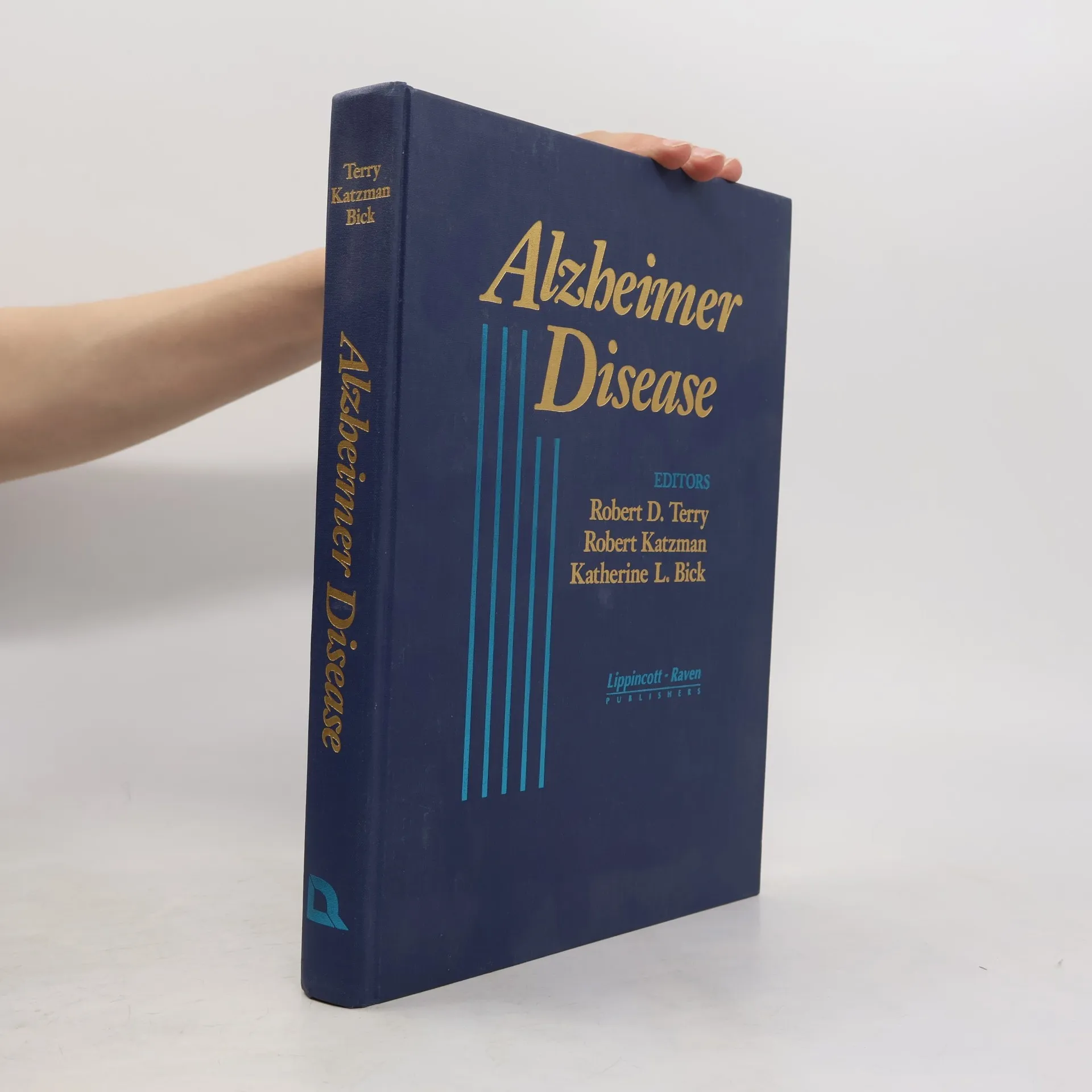
Alzheimer Disease
- 472 Seiten
- 17 Lesestunden
Written by the world's foremost authorities on Alzheimer disease from all relevant basic science fields and clinical specialties, this landmark volume is the definitive reference on Alzheimer disease (AD). The book provides an in-depth review of current concepts on every aspect of AD--from its molecular and cellular bases to its inheritance patterns, signs and symptoms, associated anatomic and biochemical pathologies, diagnosis, and therapy. Coverage includes diagnostic criteria, neuropsychology, clinical genetics, epidemiology, and MRI, CT, and PET imaging. Noted investigators discuss current theories on the cell types vulnerable to damage in AD; the underlying alterations in neurotransmitters, neuropeptides, neurotrophic factors, receptors, and signal transduction mechanisms; the protein constituents of the neuritic plaques and neurofibrillary tangles; the molecular genetics of AD; and the role of trace elements in its pathogenesis. The book concludes with timely reviews of clinical trials and experimental therapeutics.