Die Klöster
- 319 Seiten
- 12 Lesestunden
Geschichte


Christopher Brooke war ein britischer Mediävist mit Schwerpunkt auf Kirchengeschichte. Seine Arbeiten tauchten in die Komplexität des mittelalterlichen religiösen Lebens und seine gesellschaftlichen Auswirkungen ein. Brooke erforschte die spirituelle und institutionelle Landschaft der Epoche mit Strenge und Einsicht. Seine Forschung beleuchtet die Gestaltung des mittelalterlichen Europas.


Geschichte
This reissued edition serves as an essential research tool for scholars of medieval religious history, featuring significant corrections that enhance its academic value. It offers a comprehensive overview of the period's religious practices and beliefs, making it a vital resource for understanding the complexities of medieval spirituality and its historical context.
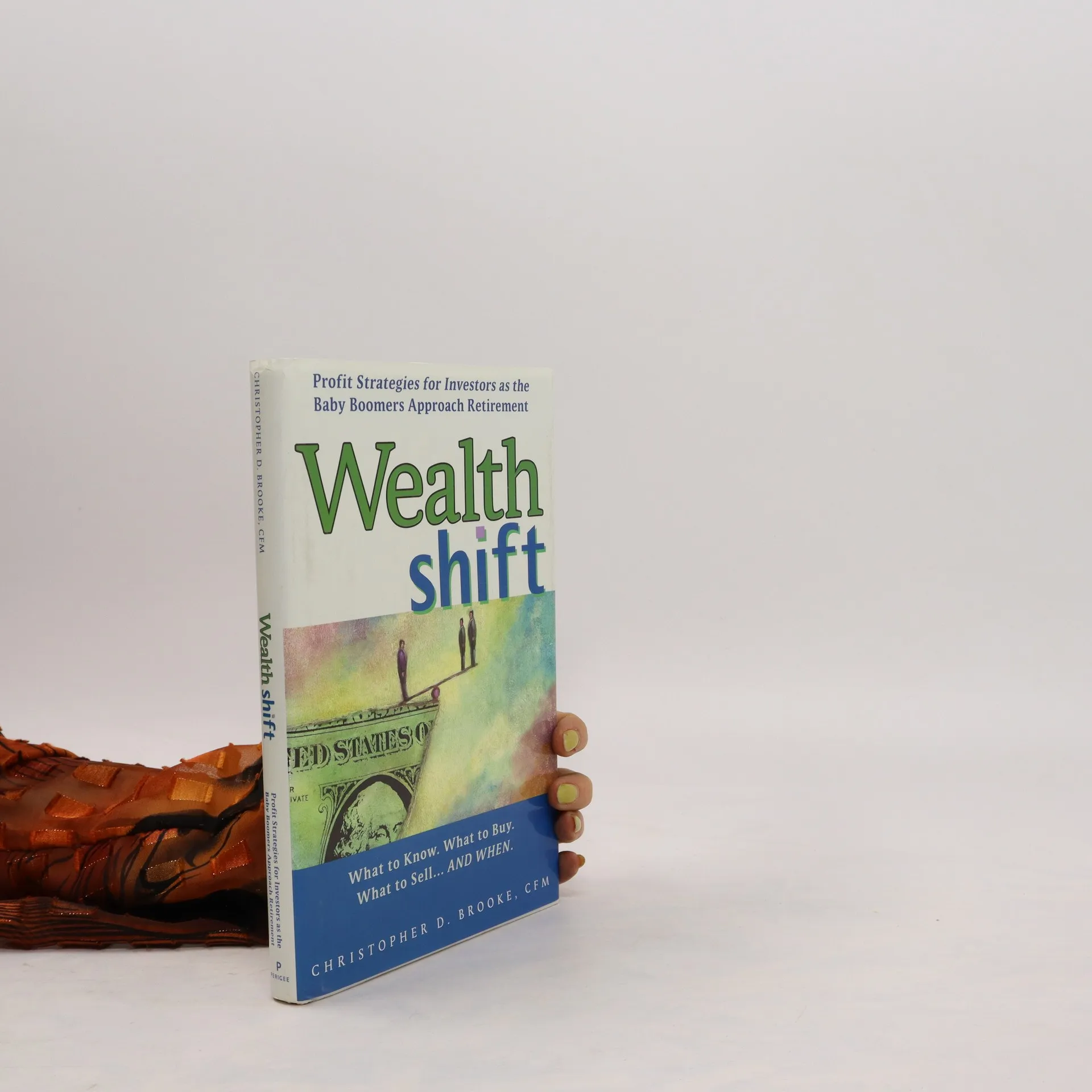
A practical handbook for retired investors and those approaching retirement explores the ways in which a shift from a "wealth accumulation" to a "wealth preservation" approach affects investment strategy, discussing a variety of retirement investment options, including real estate, health care, leisure, construction, entertainment, and the future of stocks, bonds, and dividends.
Tours monasteries in all parts of the world and traces the development of the monastic ideal from Saint Anthony to contemporary theologians.
This book serves as a comprehensive continuation of its predecessor, exploring the evolution and impact of religious leadership in England and Wales from 1216 onwards. It delves into the lives and contributions of notable figures in the ecclesiastical hierarchy, examining their roles in shaping religious, social, and political landscapes during the medieval period. Rich in historical detail, it provides insights into the dynamics of power within the Church and its influence on society.
Concentrating on arguments in moral psychology surrounding the foundations of human sociability and self-love, this book details how the engagement with Roman Stoicism shaped early modern political philosophy. It offers interpretations of Lipsius and Rousseau.
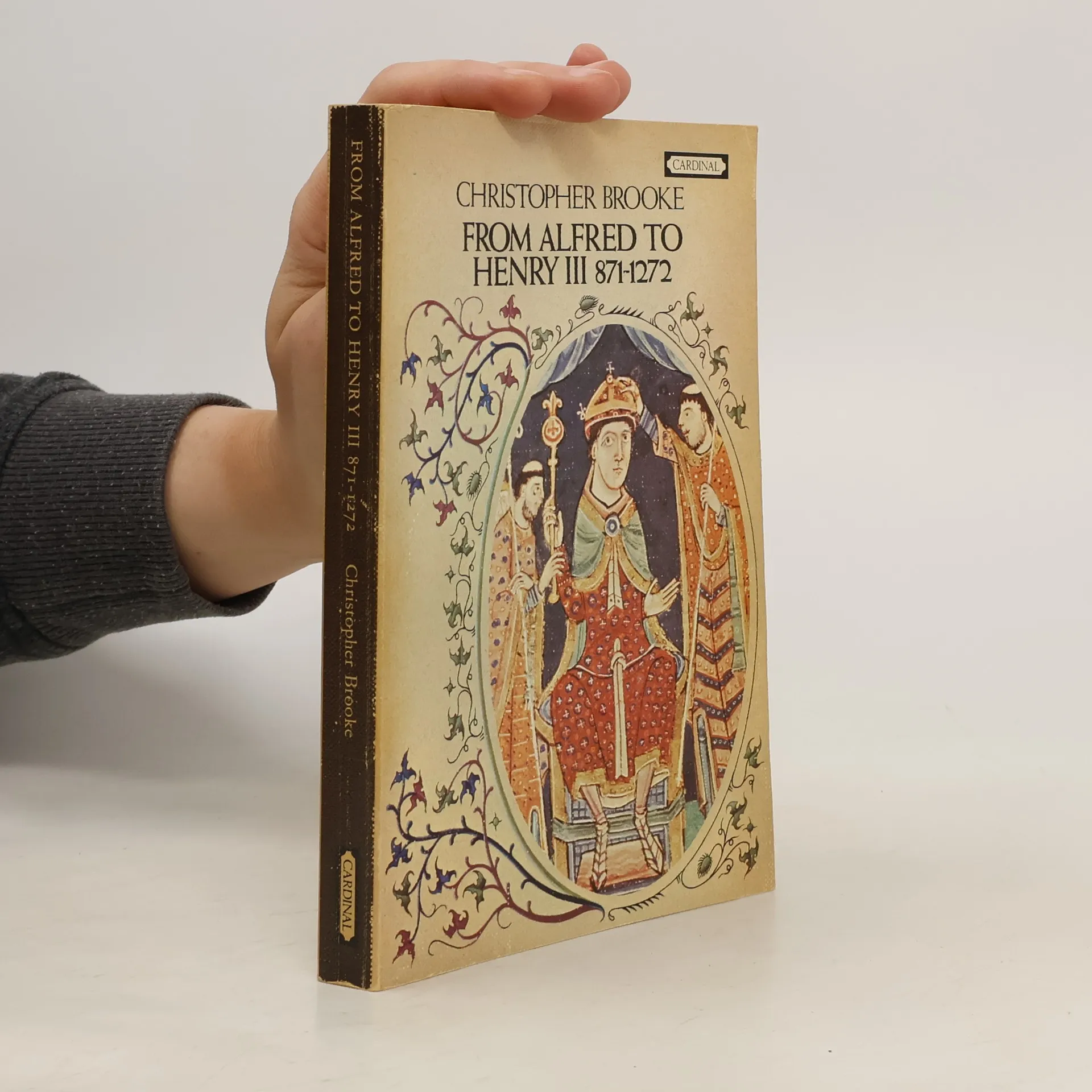
The 400 years covered by this volume saw two Danish invasions and the Norman Conquest of England. Each conquest carried with it extensive political and social changes. Alfred began the work of creating a unified kingdom out of the shambles of the smaller kingdoms that had fallen under Viking raids. The ninth and tenth centuries saw the settlement of the Danes and the eleventh the emergence of a strong monarchy under the Danish King Cnut. "With the English kingdom grew up the first semblance of national institutions," writes Professor Brooks--institutions of central and local government which made the English monarchy among the most mature in the Europe of its time.... These established institutions were not destroyed by the Normans; they adapted and developed them. Although England had had close ties with the continent before the Conquest, after 1066 English cultural and social life was greatly enriched through the French influence. During this time the Church was finding new inspiration in monastic and papal reform and a great intellectual revival culminated in the creation of universities. Professor Brooke describes all the cultural and political developments of these years and shows how the reign of Henry III ushered in a "great age of art and architecture" and a "new attitude to government," which began to work by consent of the governed.
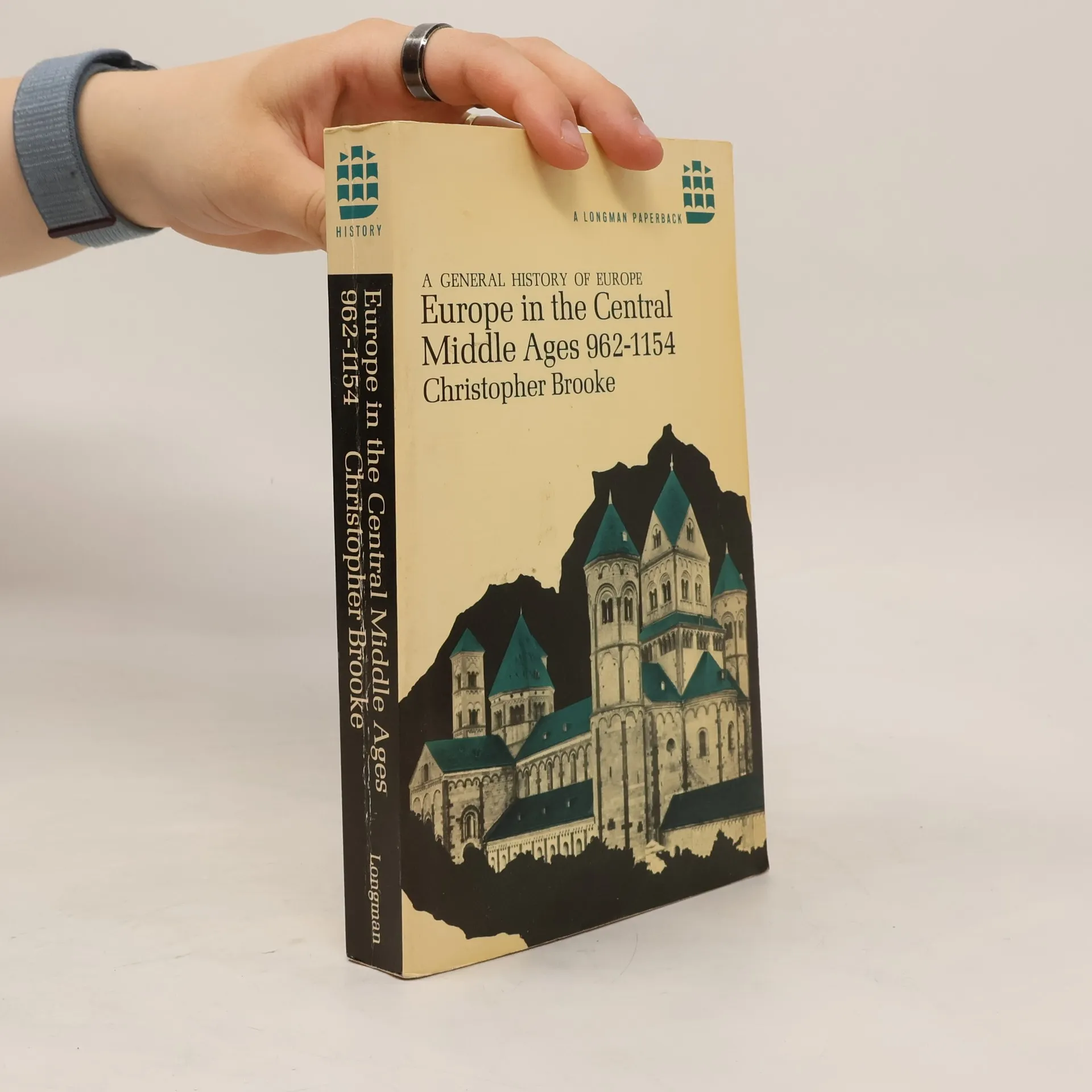
An introduction which explores the emergence of the distinctive character of medievel Europe from 962-1154. The text covers key themes including the reform and revival of the Papcy, the heyday of the medieval Empire, the rise of the Normans and the early Crusades.
Exploring the origins and development of monastic life, this book delves into its historical significance and influence on modern spiritual seekers. Through thorough research, it highlights the practices and philosophies that have shaped monastic communities and their enduring relevance in contemporary spirituality. Readers will gain insights into how these ancient traditions continue to inspire and guide individuals on their personal journeys.
This classic exploration of the history of English kings and kingship from the sixth to the twelfth century has now been brought up-to-date for a new generation of readers.
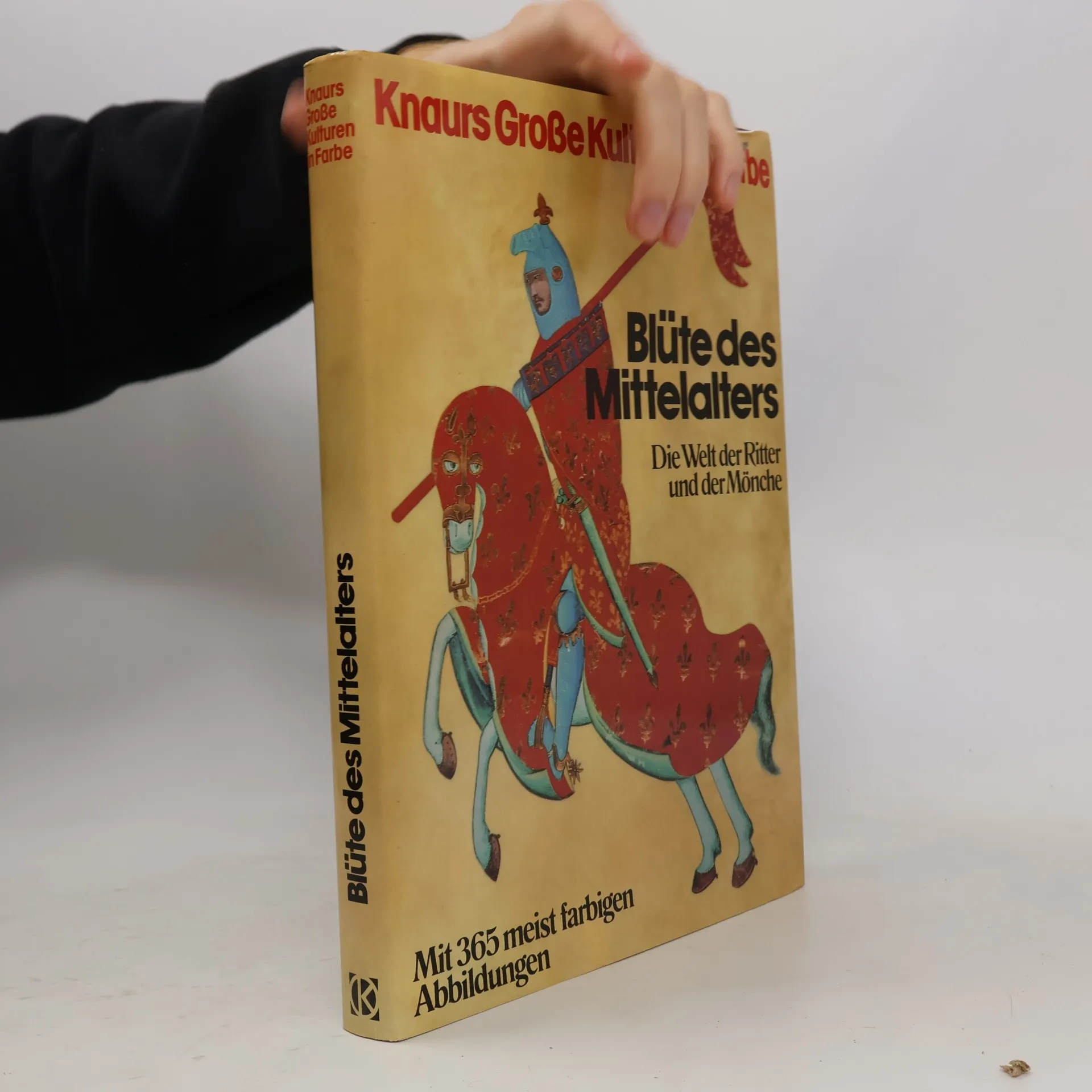
In neun Kapiteln wird das mittelalterliche Leben in allen seinen Schattierungen ungemein lebendig und anschaulich dargestellt. In Bild und Text ersteht vor unseren Augen jene trotz Krieg und Grausamkeit, Not und Tod so farbenprächtige und blühende Welt - das abendländische Mittelalter: Ritter-und Kaiserherrlichkeit - Die beschaulich-stille Welt der Klöster und Mönche - Glühende Frömmigkeit - Üppiger Lebensgenuß und demütige Todeserwartung - Aufblühende Wissenschaft und Bürgerfleiß - Kaufleute und Geldwirtschaft - Könige und Burgen.