Exploring the enigmatic Second Law of thermodynamics, Stephen Wolfram delves into its historical context and significance, revealing how it emerges from computational processes. Drawing on recent advancements in physics, he presents a clear resolution to its mysteries, linking the law to our role as observers. With a personal narrative spanning five decades, the book is richly illustrated and offers insights into the foundational principles of science, making it accessible to anyone curious about this pivotal concept.
Stephen Wolfram Reihenfolge der Bücher (Chronologisch)
29. August 1959
Stephen Wolfram ist ein visionärer Denker, der für seine tiefgreifende Erforschung der Natur der Berechnung und ihres Potenzials zur Neugestaltung unseres Weltverständnisses bekannt ist. Seine Arbeit konzentriert sich auf die Aufdeckung einfacher, universeller Prinzipien, die Komplexität in natürlichen und künstlichen Systemen steuern. Wolfram untersucht, wie unerwartete und weitreichende Ergebnisse aus diesen grundlegenden Regeln abgeleitet werden können, wodurch eine elegante Struktur unter verschiedenen Phänomenen aufgedeckt wird. Sein Ansatz ermutigt zur Neubewertung wissenschaftlicher Grundlagen und zur Entdeckung verborgener Verbindungen zwischen scheinbar zusammenhanglosen Bereichen.

Das Geheimnis hinter ChatGPT
Wie die KI arbeitet und warum sie funktioniert
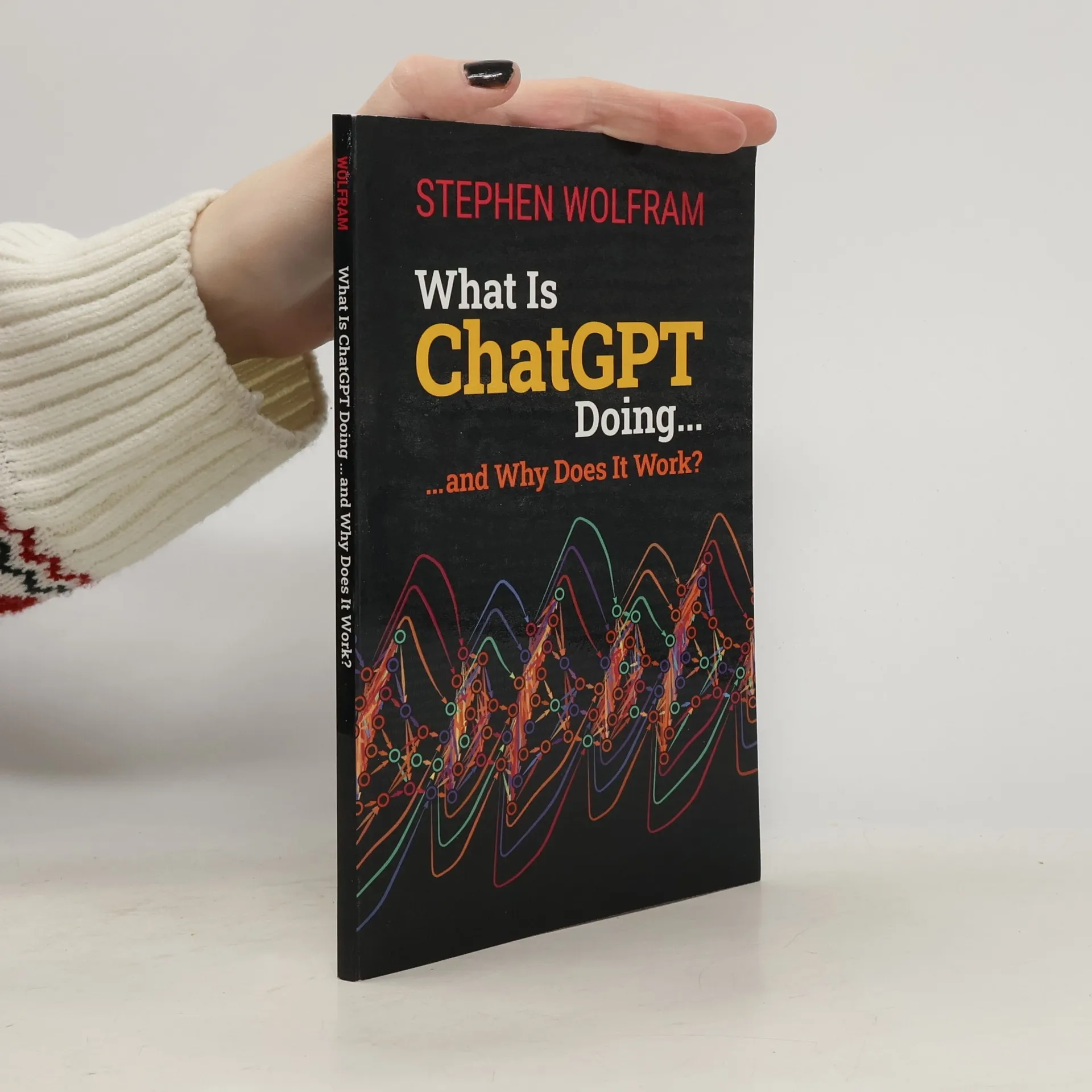
What Is ChatGPT Doing ... and Why Does It Work?
- 112 Seiten
- 4 Lesestunden
Nobody expected this--not even its creators: ChatGPT has burst onto the scene as an AI capable of writing at a convincingly human level. But how does it really work? What's going on inside its "AI mind"? In this short book, prominent scientist and computation pioneer Stephen Wolfram provides a readable and engaging explanation that draws on his decades-long unique experience at the frontiers of science and technology. Find out how the success of ChatGPT brings together the latest neural net technology with foundational questions about language and human thought posed by Aristotle more than two thousand years ago.
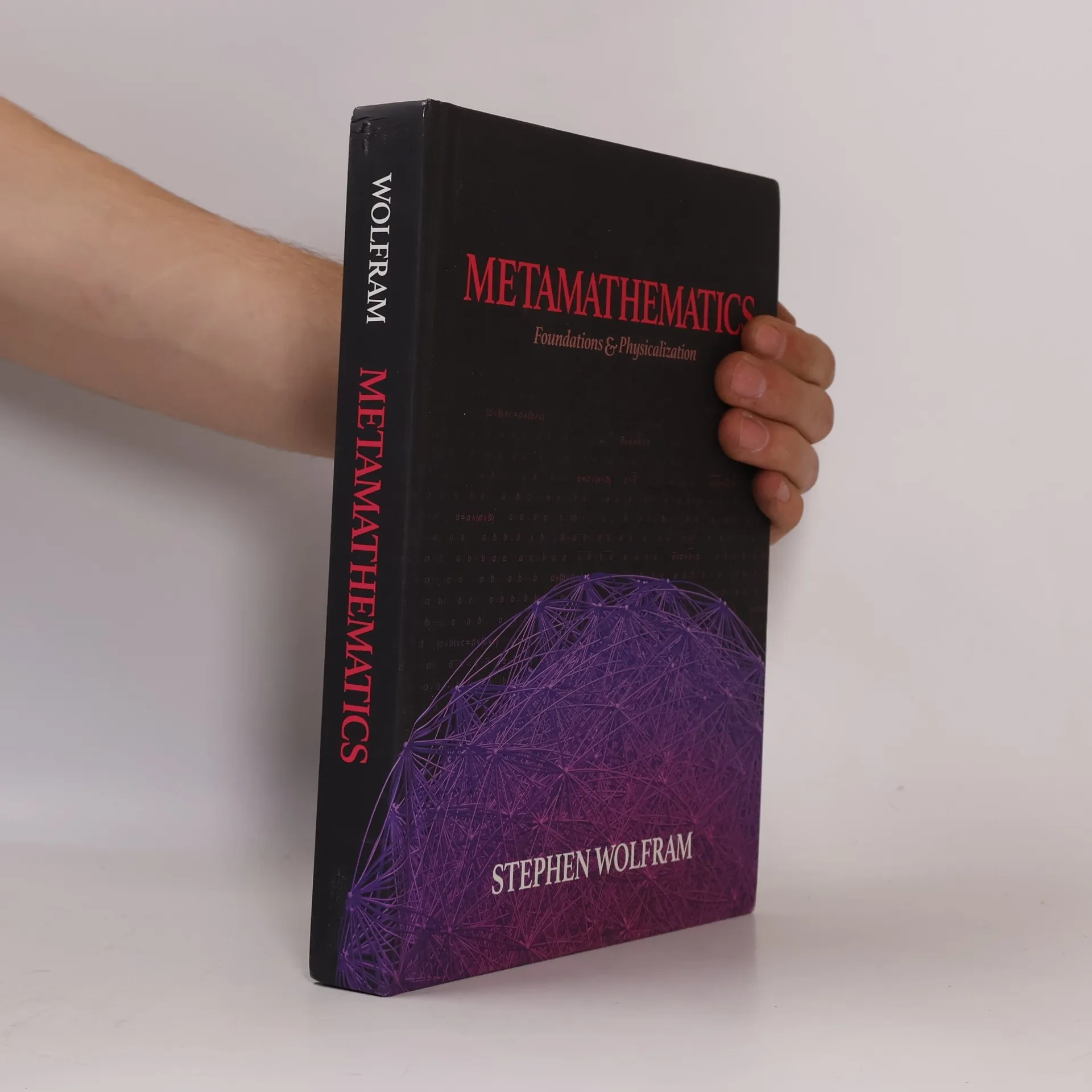
""What is mathematics?" is a question that has been debated since antiquity. This book presents a groundbreaking and surprising answer to the question-showing through the concept of the physicalization of metamathematics how both mathematics and physics as experienced by humans can be seen to emerge from the unique underlying computational structure of the recently formulated ruliad. Written with Stephen Wolfram's characteristic expositional flair and richly illustrated with remarkable algorithmic diagrams, the book takes the reader on a unprecedented intellectual journey to the center of some of the deepest questions about mathematics and its nature-and points the way to a new understanding of the foundations and future of mathematics, taking a major step beyond ideas from Plato, Kant, Hilbert, Gödel and others"--
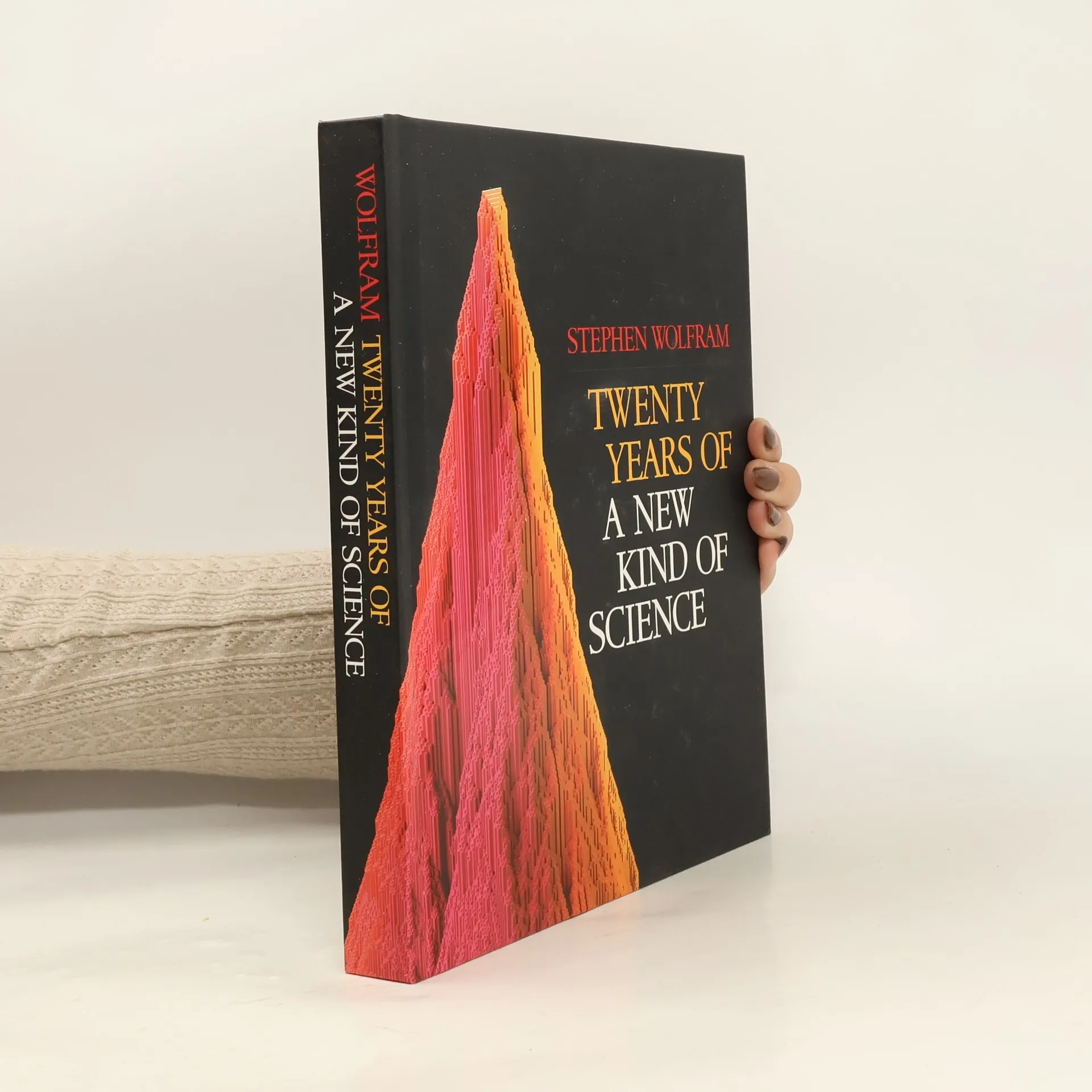
Twenty Years of a New Kind of Science
- 384 Seiten
- 14 Lesestunden
When Stephen Wolfram's groundbreaking A New Kind of Science was published in 2002, its exploration and analysis of the computational universe of simple programs launched a scientific revolution. Twenty years later, the ideas and results of the book have found countless applications across science, technology and elsewhere—including the recent Wolfram Physics Project and its breakthrough in fundamental physics—and the book has indeed spawned what can only be described as a new kind of science.Here Wolfram reflects on the first two decades of A New Kind of Science, discussing some of the major implications that have emerged so far, as well as his far-reaching new thinking building on the conceptual framework developed in A New Kind of Science. Written in Wolfram's popular and accessible style, the book provides a window into one of the most vibrant intellectual developments of our time.Recognizing A New Kind of Science's significance not only in science but also in the arts, the book includes a gallery of pieces created over the past 20 years by artists inspired by the book.
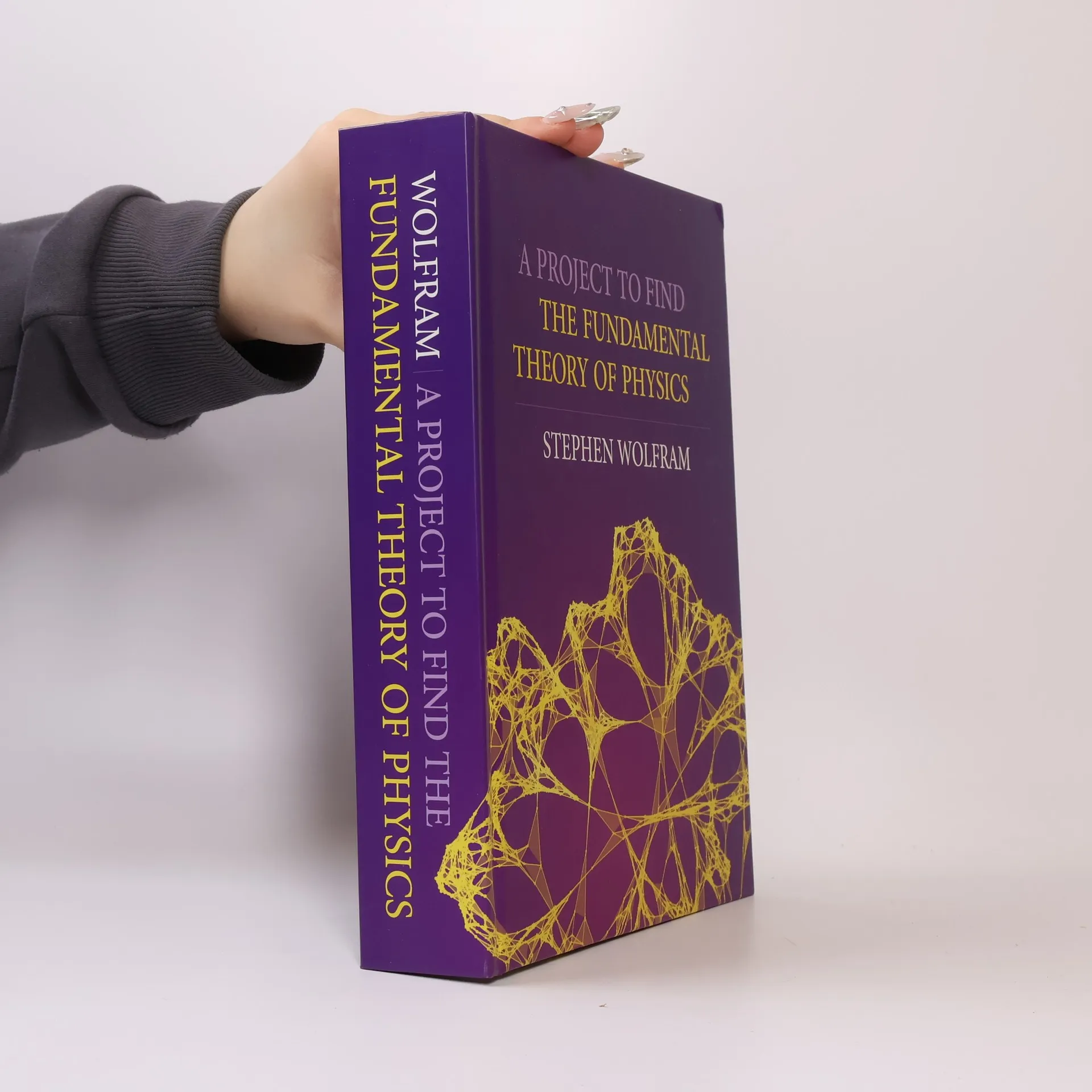
A Project to Find the Fundamental Theory of Physics
- 816 Seiten
- 29 Lesestunden
Released alongside the launch of the Wolfram Physics Project, this book provides a unique opportunity to learn about a historic initiative in science right as it is happening. The Wolfram Physics Project is a bold effort to use breakthrough new ideas and the latest in physics, mathematics and computation to find the fundamental theory of physics, often viewed as the ultimate goal in all of science. Written with Stephen Wolfram's characteristic expositional flair, the book includes both an accessible introduction to the project and its background, as well as core technical documents, and breathtaking visualizations that bring to life a dramatic new understanding of how our universe works.
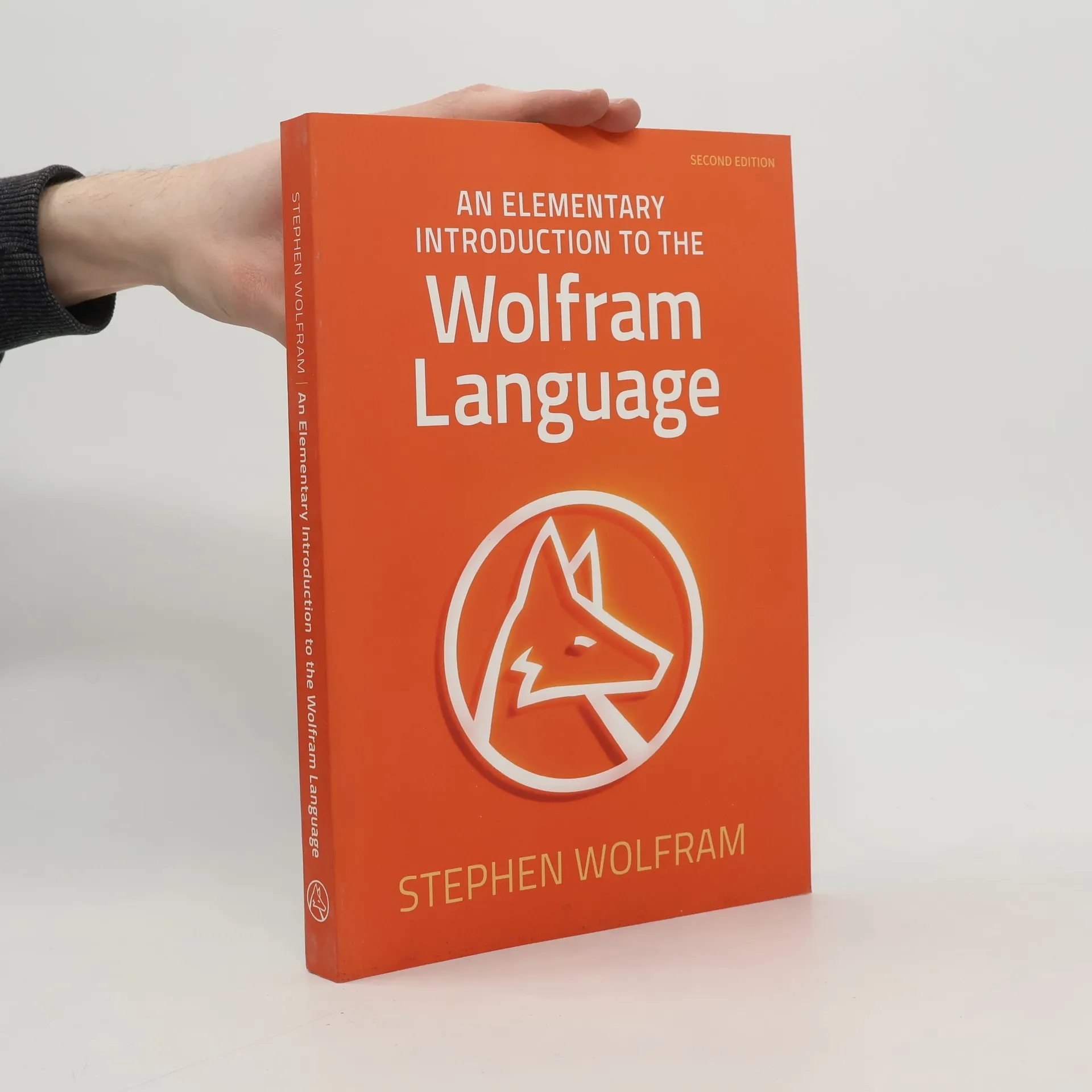
The Wolfram Language represents a major advance in programming languages that makes leading-edge computation accessible to everyone. Unique in its approach of building in vast knowledge and automation, the Wolfram Language scales from a single line of easy-to-understand interactive code to million-line production systems. This book provides an elementary introduction to the Wolfram Language and modern computational thinking. It assumes no prior knowledge of programming, and is suitable for both technical and non-technical college and high-school students, as well as anyone with an interest in the latest technology and its practical application.
An Elementary Introduction To The Wolfram Language
- 328 Seiten
- 12 Lesestunden
The Wolfram Language represents a major advance in programming languages that makes leading-edge computation accessible to everyone. Unique in its approach of building in vast knowledge and automation, the Wolfram Language scales from a single line of easy-to-understand interactive code to million-line production systems. This book provides an elementary introduction to the Wolfram Language and modern computational thinking. It assumes no prior knowledge of programming, and is suitable for both technical and non-technical college and high-school students, as well as anyone with an interest in the latest technology and its practical application.
Das Ende der Gleichungen?. Ein Dialog mit Dietmar Dath.
- 120 Seiten
- 5 Lesestunden
Stephen Wolfram diskutiert die Auswirkungen der Mathematisierung auf die Wissenschaft und schlägt vor, Naturvorgänge eher als Computerprogramme denn als Differentialgleichungen zu betrachten. Im Gespräch mit Dietmar Dath erläutert er seine Entdeckungen und deren Bedeutung für verschiedene Disziplinen wie Evolutionsbiologie und Kognitionsforschung.
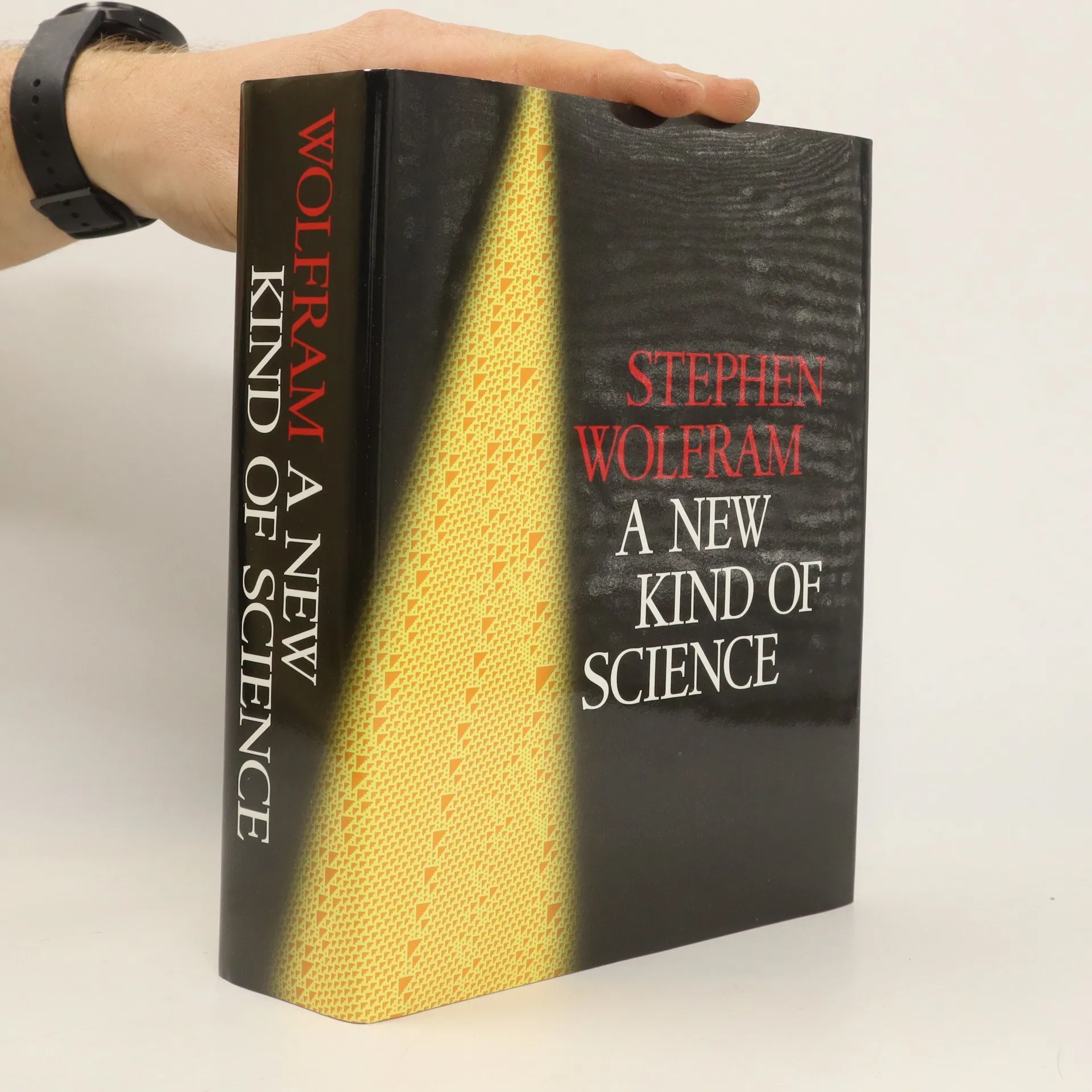
Starting from a collection of simple computer experiments—illustrated in the book by striking computer graphics—Stephen Wolfram shows how their unexpected results force a whole new way of looking at the operation of our universe.Wolfram uses his approach to tackle a remarkable array of fundamental problems in science, from the origins of apparent randomness in physical systems, to the development of complexity in biology, the ultimate scope and limitations of mathematics, the possibility of a truly fundamental theory of physics, the interplay between free will and determinism, and the character of intelligence in the universe.
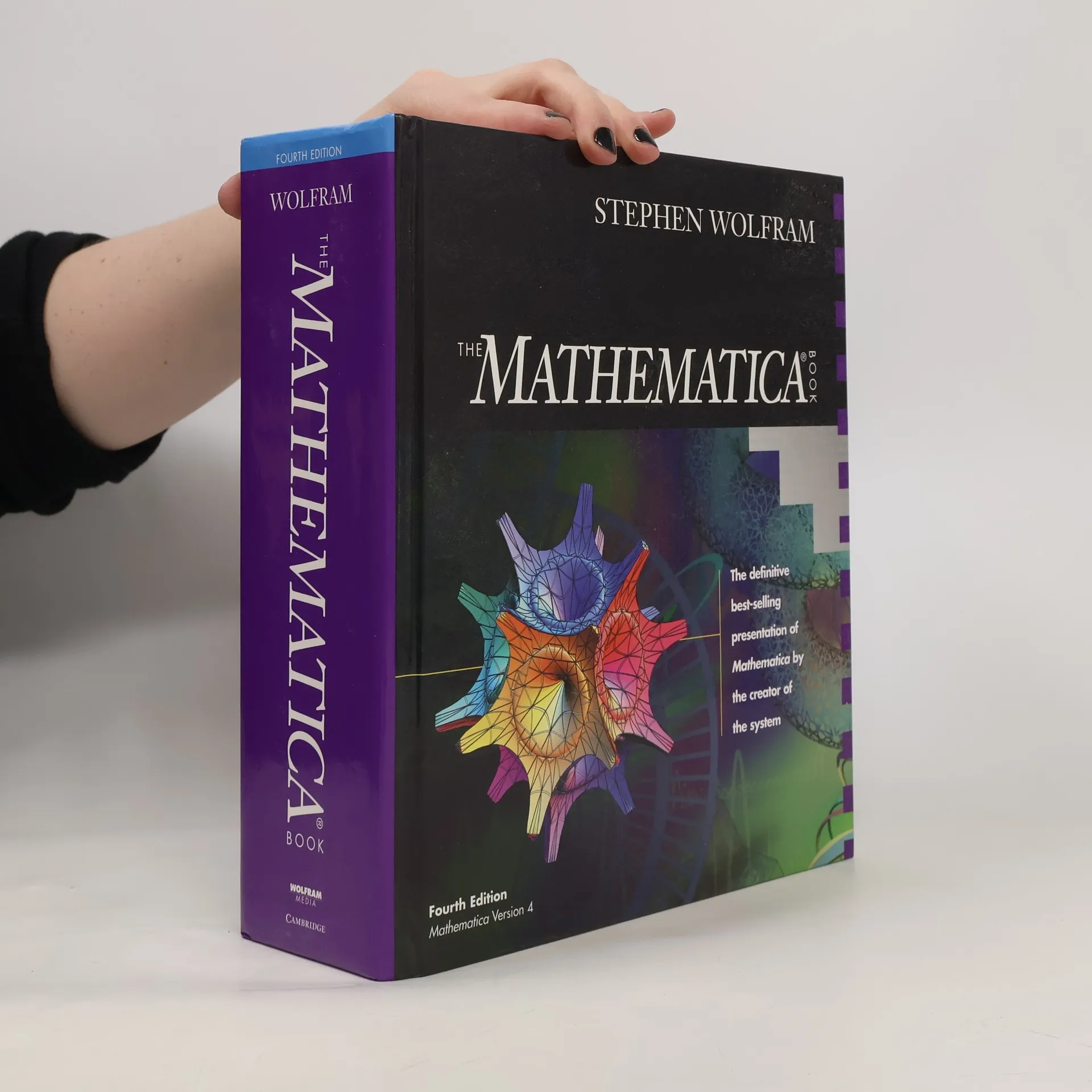
The Mathematica Book
- 1470 Seiten
- 52 Lesestunden
Written by the creator of the system, The Mathematica Book includes both a tutorial introduction and complete reference information.
The Mathematica Book, Version 3, Third Edition
- 1429 Seiten
- 51 Lesestunden
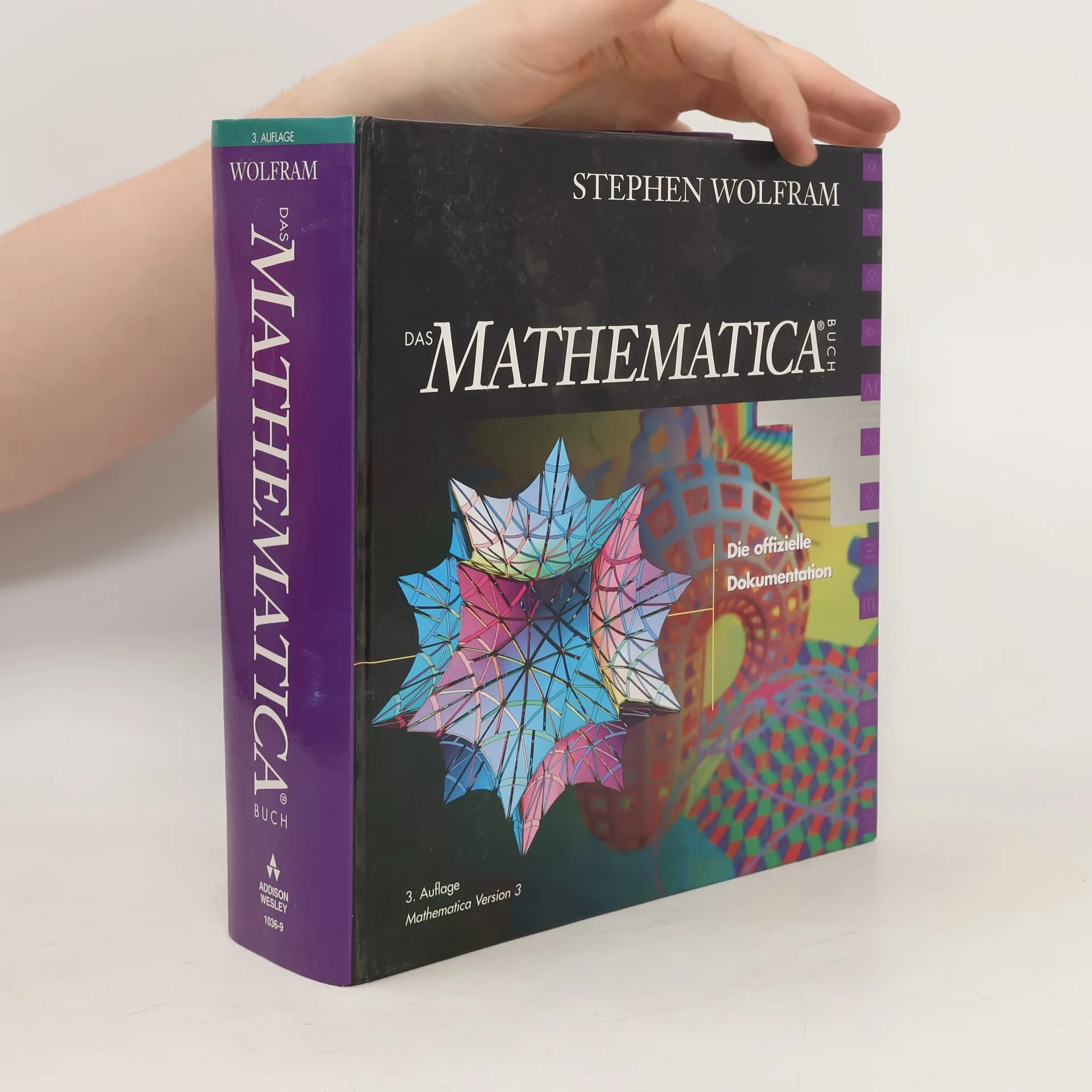
With over a million users around the world, the Mathematica ® software system created by Stephen Wolfram has defined the direction of technical computing for nearly a decade. With its major new document and computer language technology, the new version, Mathematica 3.0 takes the top-power capabilities of Mathematica and make them accessible to a vastly broader audience. This book presents this revolutionary new version of Mathematica. The Mathematica Book is a must-have purchase for anyone who wants to understand the revolutionary opportunities in science, technology, business and education made possible by Mathematica 3.0. This encompasses a broad audience of scientists and mathematicians; engineers; computer professionals; quantitative financial analysts; medical researchers; and students at high-school, college and graduate levels. Written by the creator of the system, The Mathematica Book includes both a tutorial introduction and complete reference information, and contains a comprehensive description of how to take advantage of Mathematica's ability to solve myriad technical computing problems and its powerful graphical and typesetting capabilities. Like previous editions, the book is sure to be found well-thumbed on the desks of many technical professionals and students around the world.
Das Mathematica-Buch
- 1499 Seiten
- 53 Lesestunden
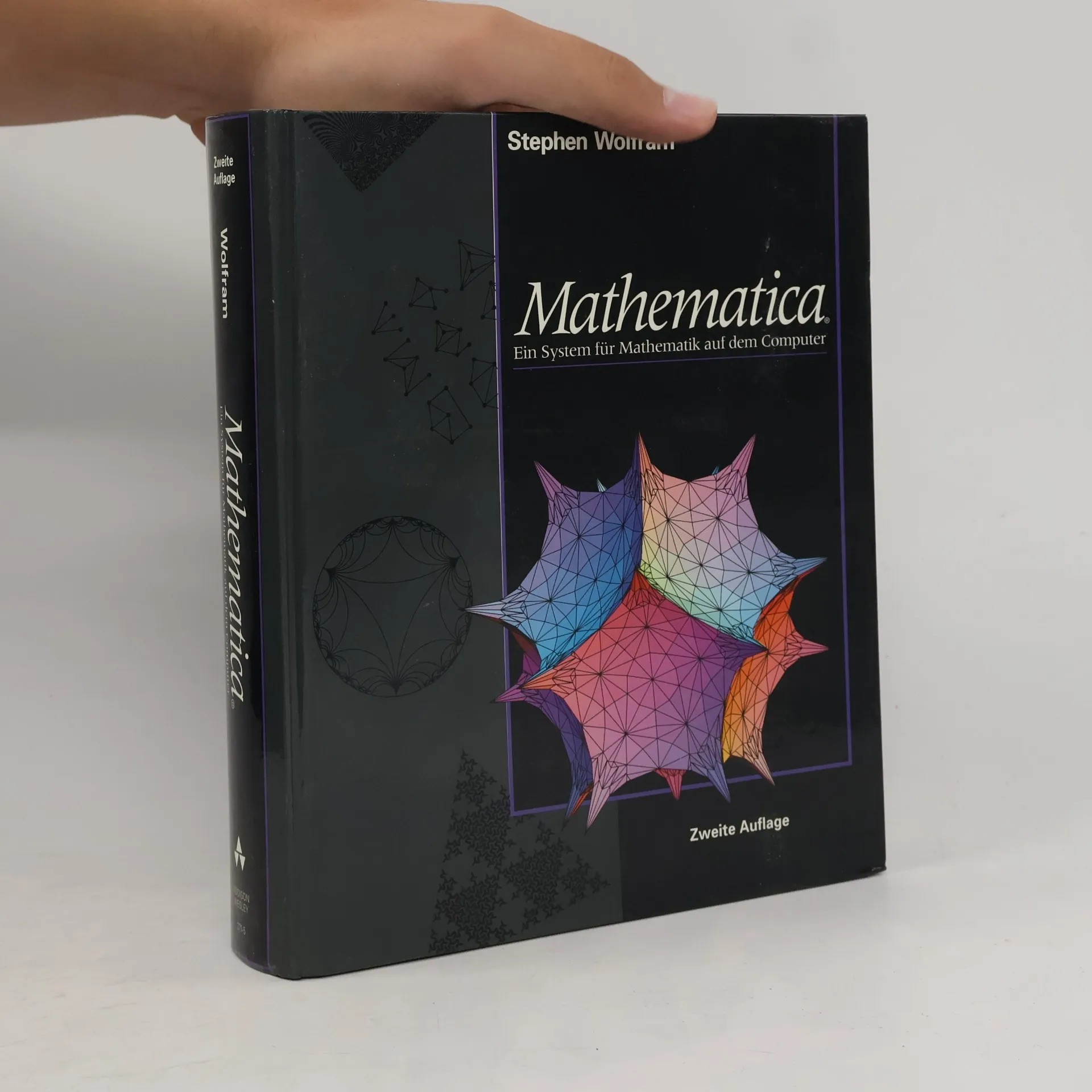
Mathematica
- 993 Seiten
- 35 Lesestunden
Dieses Buch behandelt alle neuen Funktionen von Mathematica und dient als das wichtigste Benutzerhandbuch und Nachschlagewerk für Mathematica. Es ist für alle Benutzer von Mathematica unerlässlich.