

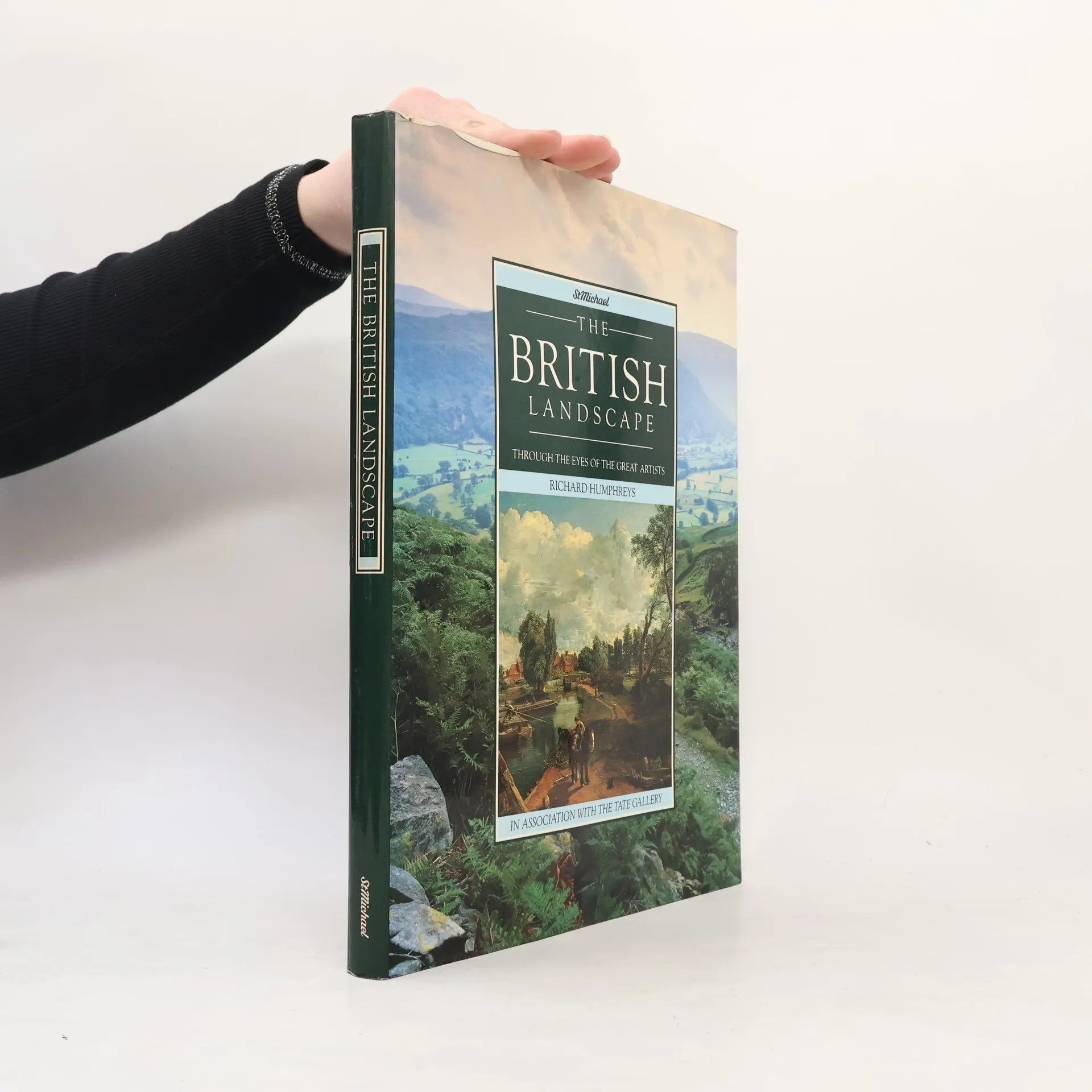
Richard Humphreys bringt eine einzigartige Perspektive ein, die von seinen Erfahrungen geprägt ist, darunter seine Dienstzeit auf Atomraketen-U-Booten. Dieser Hintergrund prägt sein Schreiben und bietet den Lesern tiefe Einblicke in Themen, die oft der Öffentlichkeit verborgen bleiben. Sein Debütwerk ist der Höhepunkt jahrelanger Beobachtung und Reflexion, mit dem Ziel, die Komplexität der menschlichen Natur und der Widerstandsfähigkeit angesichts von Widrigkeiten zu erforschen. Humphreys bringt eine authentische und eindringliche Stimme in die Literatur ein.
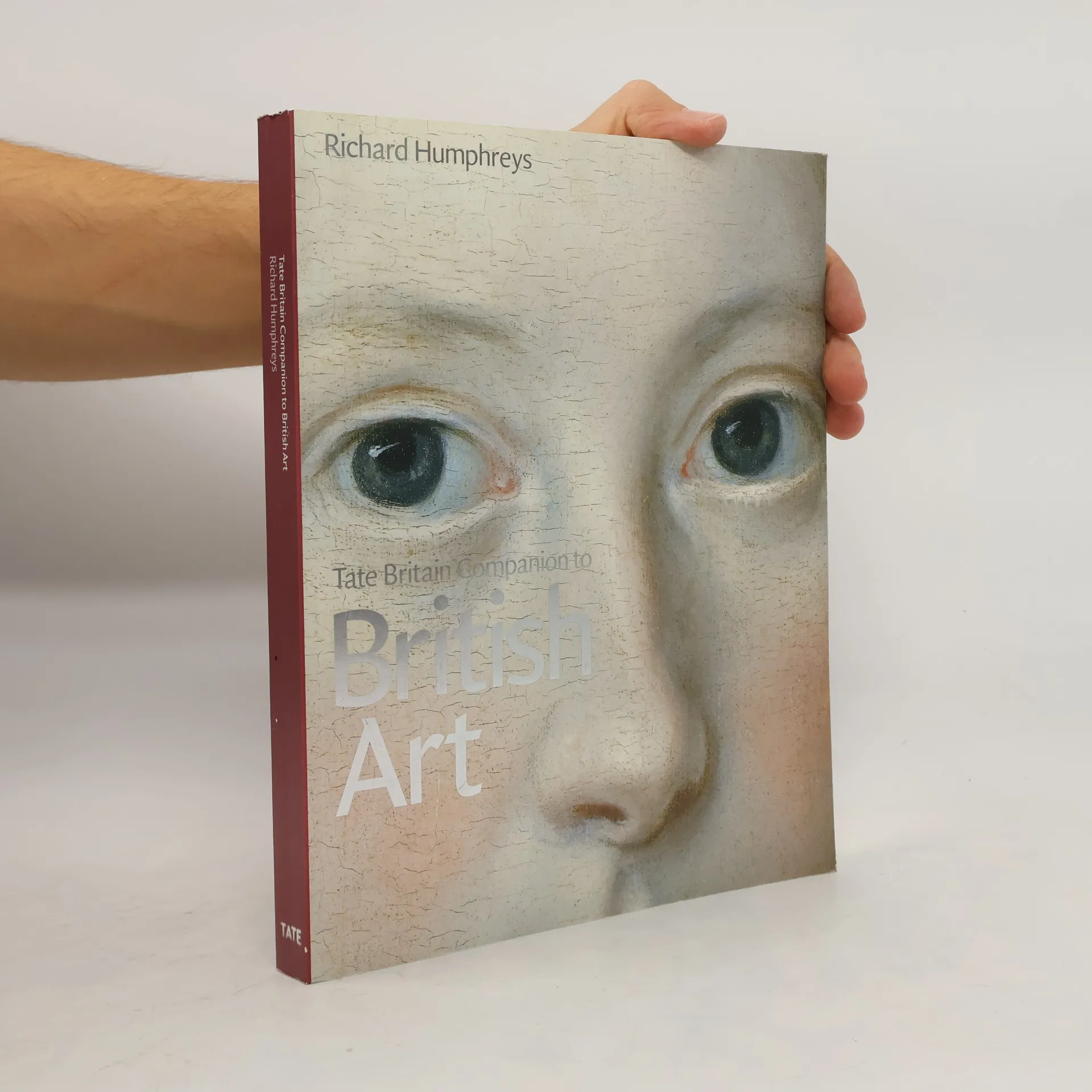
This handbook celebrates the relaunch of Tate Britain in October 2001 various works from the collection by artists such as Hogarth, Turner and Rosetti. Contemporary artists are also included in an attempt to to bring the story up to date and testify to the diversity of British art.
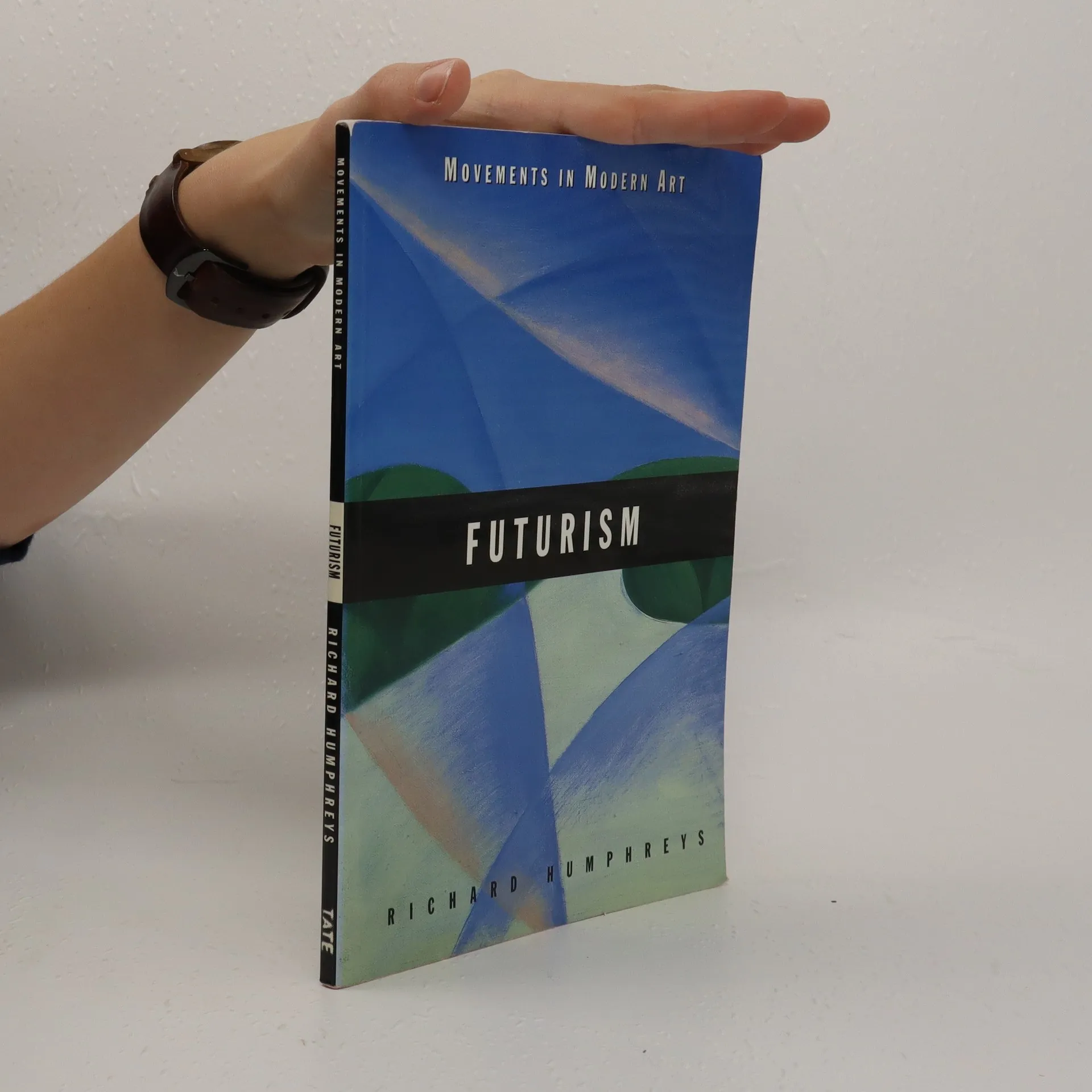
Futurism, brainchild of the Italian writer and impresario, F.T. Marinetti, was the defining avant-garde art movement of the 20th century. This book traces it from its origins in dissident underground politics in 1909 to its ultimately fatal relationship with Mussolini's regime between the wars.
Based on the first-hand experiences of a man who served on a submarine during the Cold War, this account provides a candid, visceral, and entertaining glimpse into life in one of the most extreme man-made environments. Richard Humphreys, who grew up in the heart of Britain, embarked on a journey that led him to the Royal Navy submarine service, serving from 1985 to 1990 during a time of heightened tensions with Russian submarines. This thrilling narrative explores the unique challenges of living underwater, away from the media's gaze, where the Cold War was at its most intense.
The book focuses on the emotional and psychological aspects of life in a confined space, rather than a strictly military perspective. It vividly captures the experience of sharing a 430ft x 33ft steel tube with 140 other men, enduring a world devoid of natural light, and coping with the monotony of the same food and air. The disorientation of never knowing one’s exact location and the claustrophobia of such close quarters are central themes. Drawing inspiration from bestselling works that reveal hidden professions, this honest portrayal offers readers a gritty insight into a unique way of life that few will ever experience.
An engaging examination of one of the Royal Academy's most important
treasures, the painting described by Lucian Freud as the greatest painting in
the world.