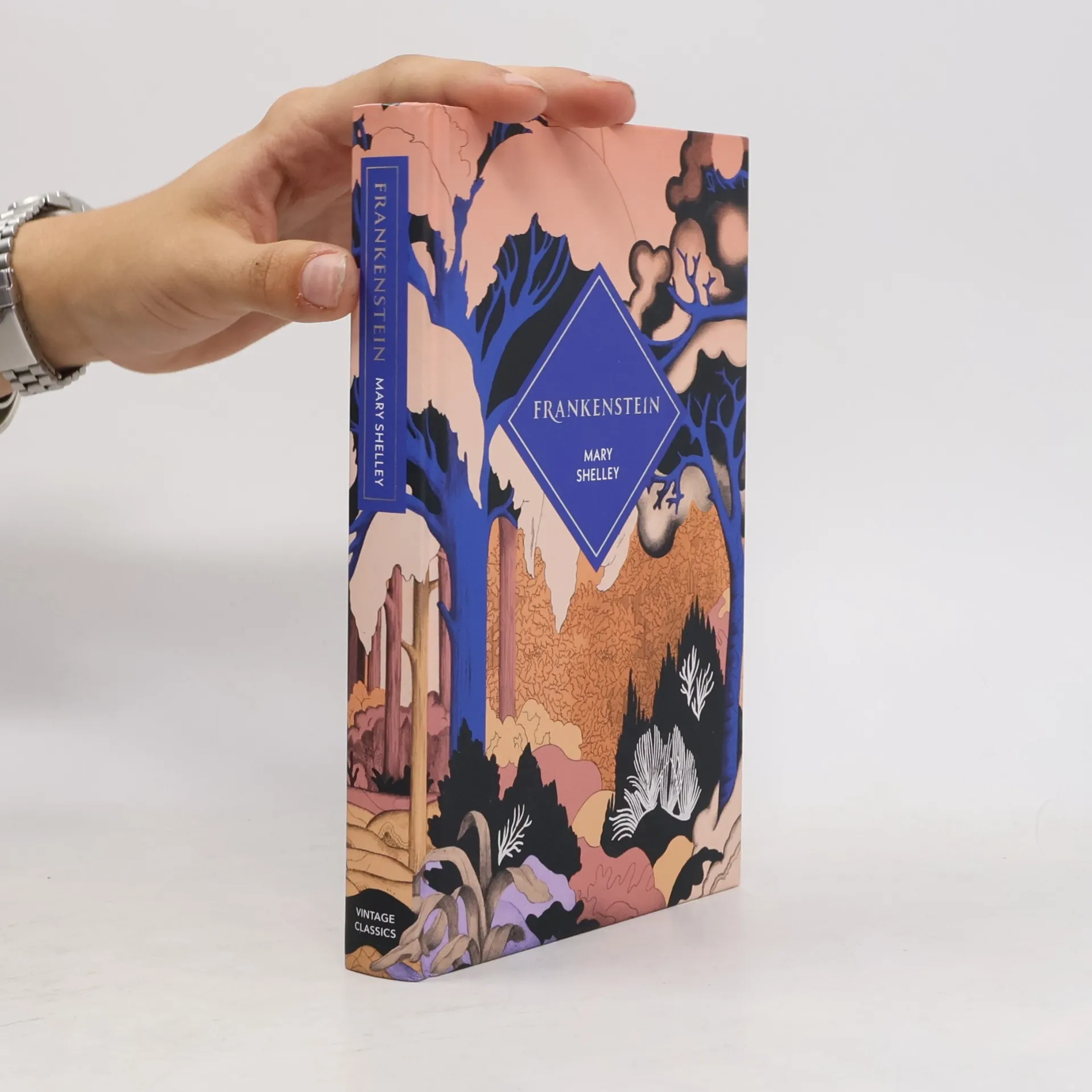
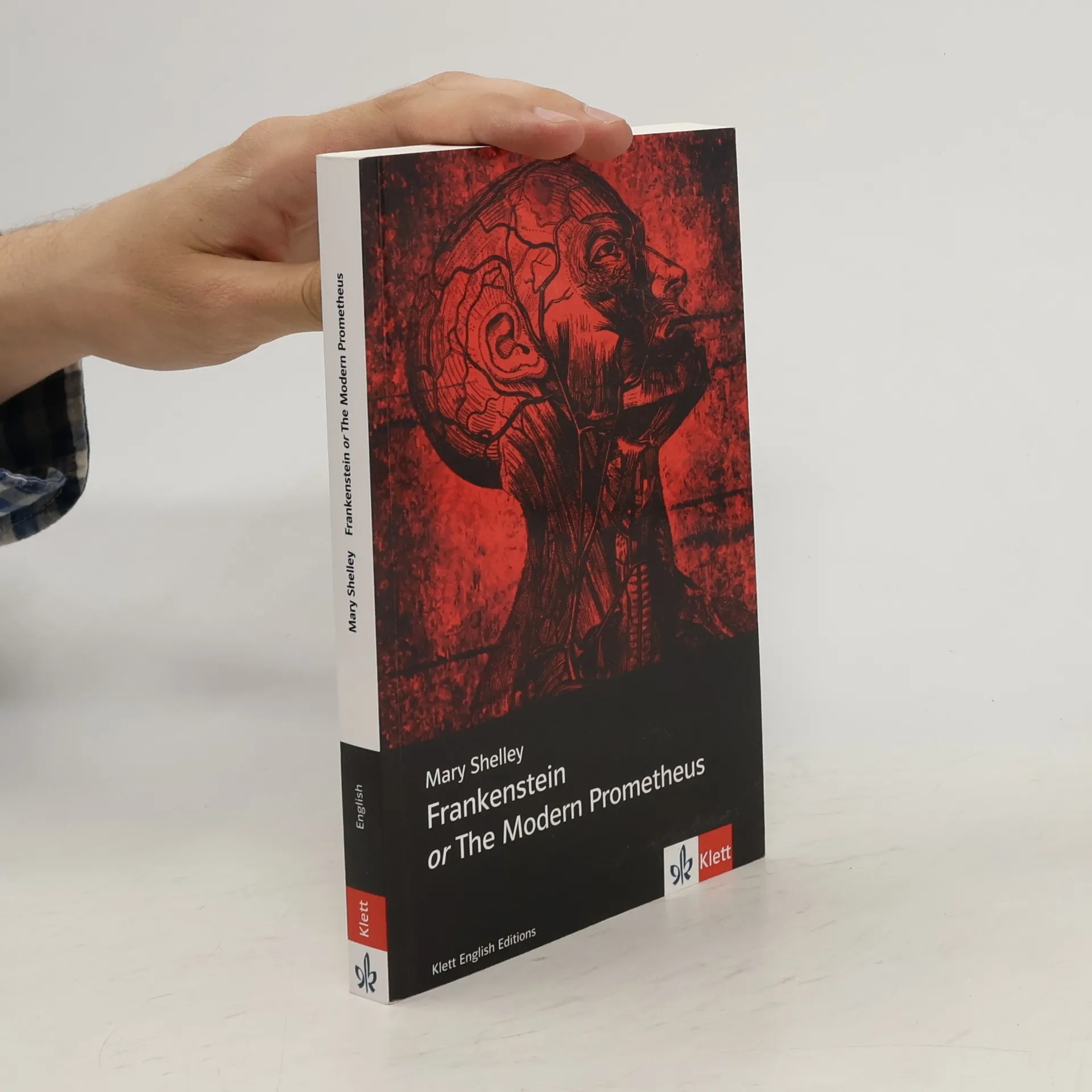
Mary Shelley’s haunting adventure about ambition and modernity run amok. Obsessed by creating life itself, Victor Frankenstein plunders graveyards for the material to fashion a new being, which he shocks into life by electricity. But his botched creature, rejected by Frankenstein and denied human companionship, sets out to destroy his maker and all that he holds dear. This chilling gothic tale, begun when Mary Shelley was just nineteen years old, would become the world’s most famous work of horror fiction and remains a devastating exploration of the limits of human creativity.
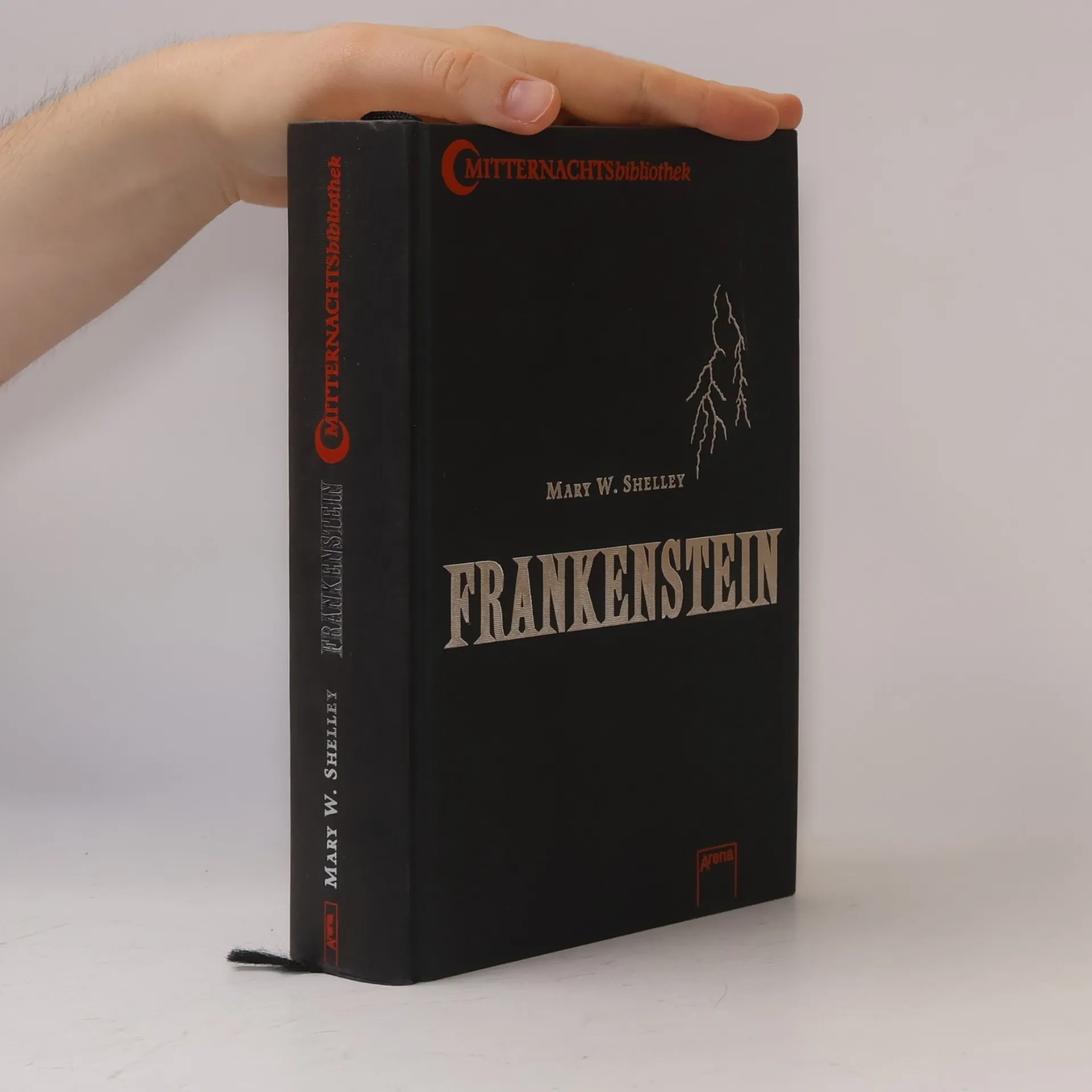
Vollständige deutsche, überarbeitete und kommentierte Fassung mit Vorwort zu Autorin und Werk Einer der wichtigsten Schauerromane ("Gothic fiction") der Literaturgeschichte. In einem Atemzug zu nennen mit Dracula oder den Werken von H.P. Lovecraft und Edgar Allan Poe. 1818 unter denkwürdigen Umständen von einer blutjungen 20-jährigen geschrieben, erzählt diese Novelle die Geschehnisse um den genialen Viktor Frankenstein, der einen künstlichen Menschen erschafft. Es ist der Kampf des Menschen mit Gottes Werk. Schliesslich muss auch Frankensteins faustischer Pakt misslingen. Das Monster entkommt. Weltbekannt durch zahlreiche Verfilmungen; die bekannteste mit Boris Karloff in der Rolle seine Lebens. Gelistet in Harenbergs "Das Buch der 1000 Bücher" Umfang: 263 Normseiten bzw. 285 Buchseiten.
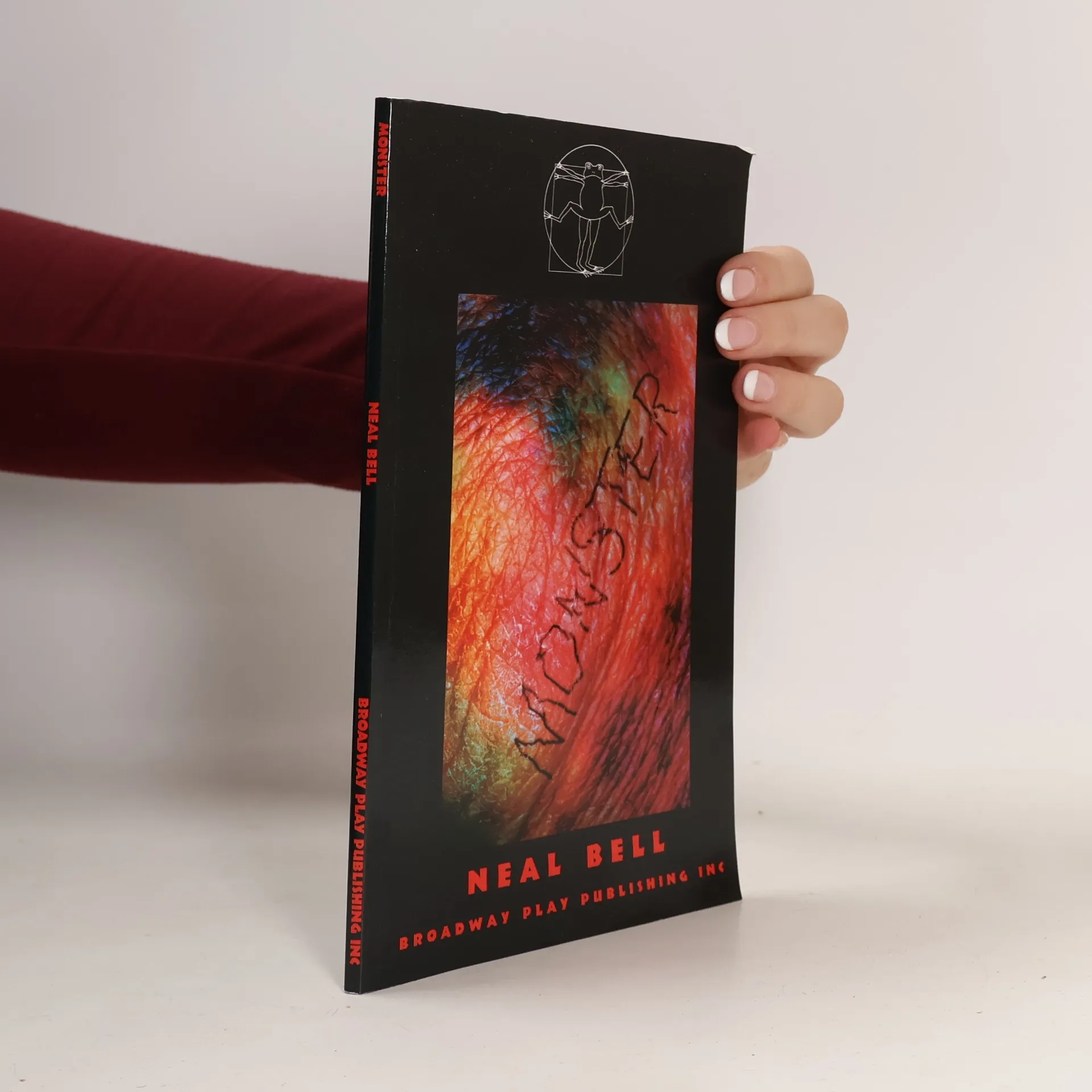
“MONSTER, a slick and streamlined new stage adaptation of the Frankenstein saga written by Neal Bell...is faithful to Shelley, if not in all the exhaustive details, then at least insofar as it seizes on its thematic highlights. Mr Bell’s adaptation plucks the major events from the narrative, and his language treads a colorful a mixture of fanciful poetics, glib wisecrackery and an occasional Anglo-Saxon obscenity that lends a contemporary tint to things.”Bruce Weber, The New York Times “...a lean literate version of Shelley’s often much-embroidered classic. Exploring Shelley’s psychosexual undertones, Bell’s version is more creepy than shocking in effect. He also provides a viable new conclusion for the novel’s open-ended narrative.”Michael Sommers, The Star-Ledger “Starting from Shelley’s original, but with a sharp eye for cogency and a sharp ear for the turn of a phrase, [Neal Bell] has managed to locate the philosophic germ inside each of the horror myth’s iconic scenes. The scare is still there, but it now has other functions than merely frightening your inner child with fantasies of impotence, rape and castration on a dark and stormy night. If you really want to frighten yourself, there’s always today’s paper; if you want a dramatic story that makes you think about the meaning and purpose of life, you should probably go and see MONSTER.”Michael Feingold, Village Voice
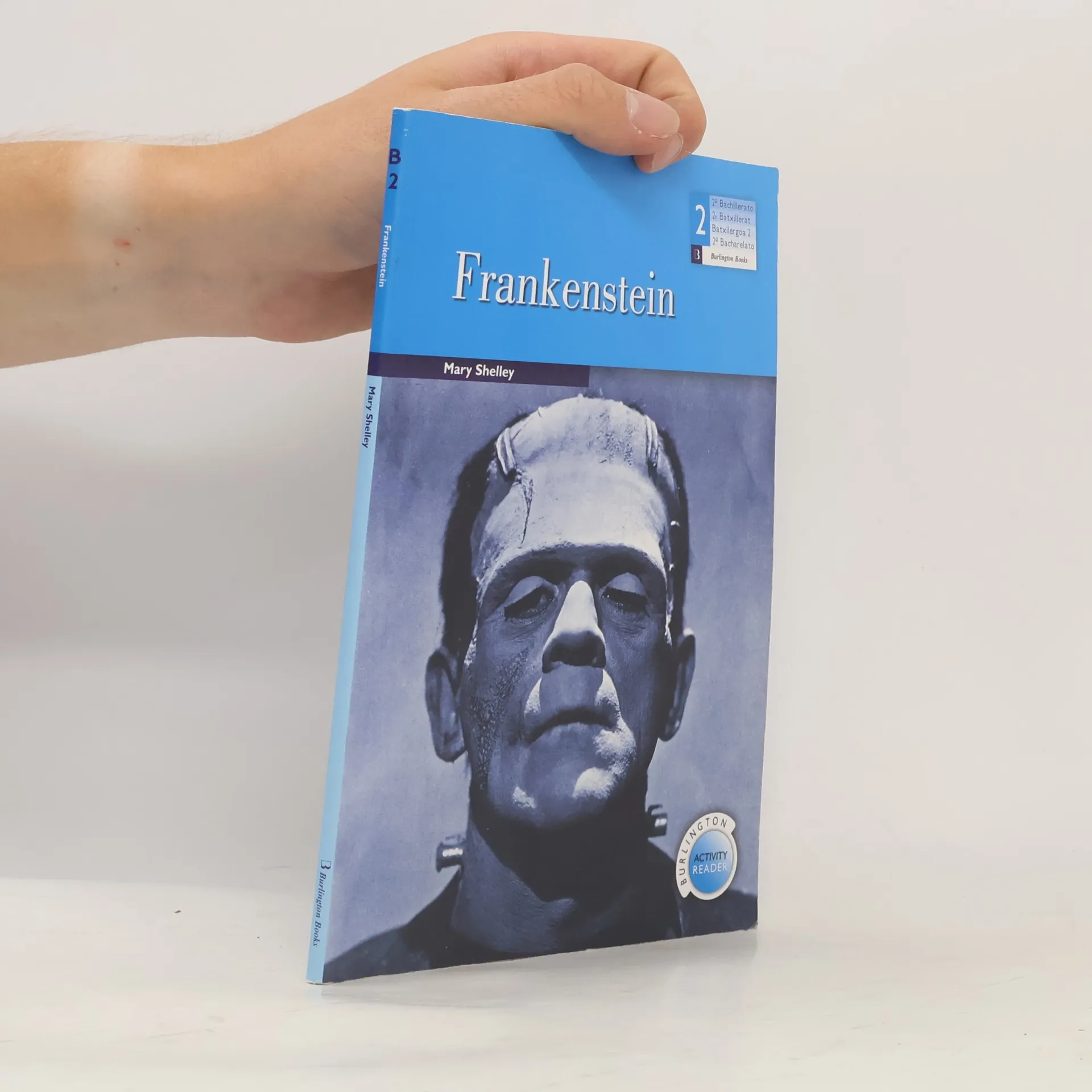
Presents the famous story of a young man who thinks he can change the world by making better human beings. Instead he creates a living monster with a mind of its own. This book contains activities designed to support the KS3 Framework for Teaching English and help students to meet the Framework objectives. schovat popis
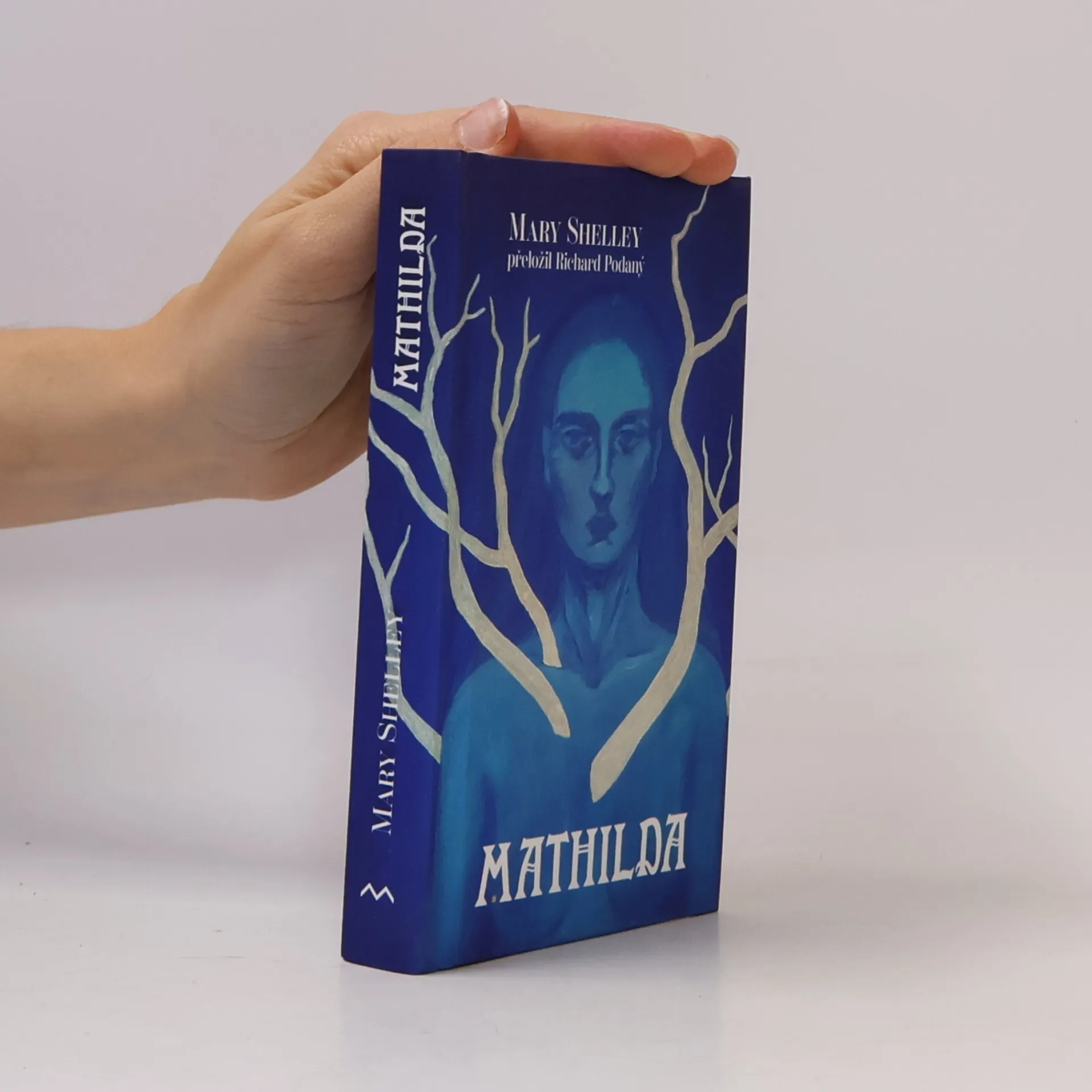
Mathilda, napsaná v roce 1819, ale poprvé vydaná až o sto čtyřicet let později, je intimním a zneklidňujícím ponorem do nitra dívky, jejíž život je poznamenán ztrátou matky a odloučením od světa. S protagonistkou, která kvůli narušenému vztahu s otcem čelí v této temné novele zničujícímu citovému poutu, prozkoumává Mary Shelley, autorka slavného Frankensteina, nejzazší hranice samoty a tíhu vyřčených tajemství. Text nese gotické rysy, ovšem i feministický podtón: Mathilda se sice ocitá v pasti tragických okolností, jakkoli se však cítí ztracená a bezradná, nalézá v sobě sílu svůj příběh pravdivě odvyprávět. V novele přitom jako by zaznívaly ozvěny autorčina života, jejich vlastních vnitřních zápasů, bolestných ztrát i složitých vztahů.
Los dos relatos breves que se incluyen en este volumen, El mortal inmortal y Transformación, exploran cuestiones apuntadas en su obra más famosa: el deseo de inmortalidad, lo sobrenatural, la tentación del pacto con el diablo y la soberbia de la razón humana ante el progreso material. Con inesperados toques de humor, Mary Shelley sigue indagando en los temas que caracterizan su innovadora producción literaria.