Marija Alseikaite Gimbutas Reihenfolge der Bücher (Chronologisch)
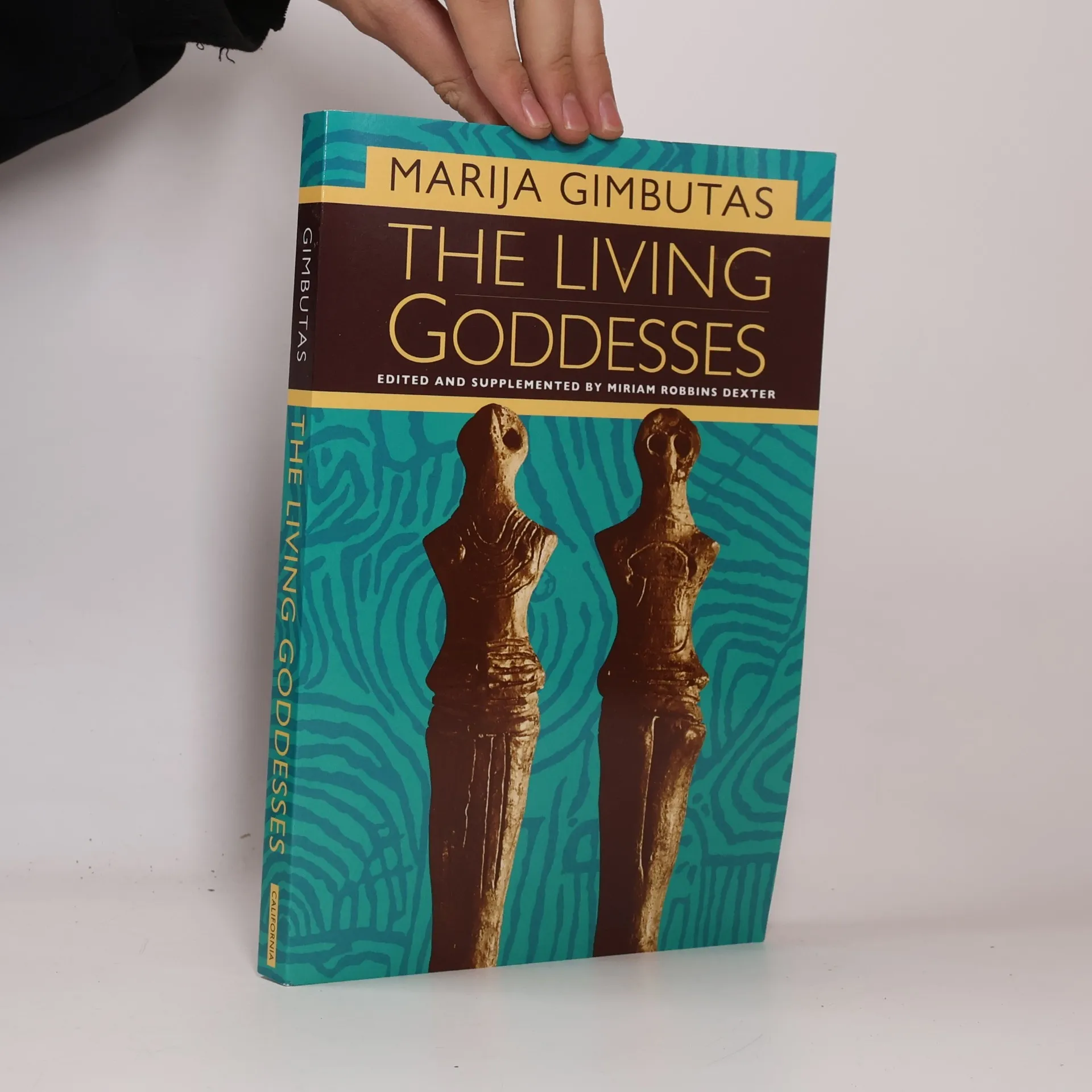



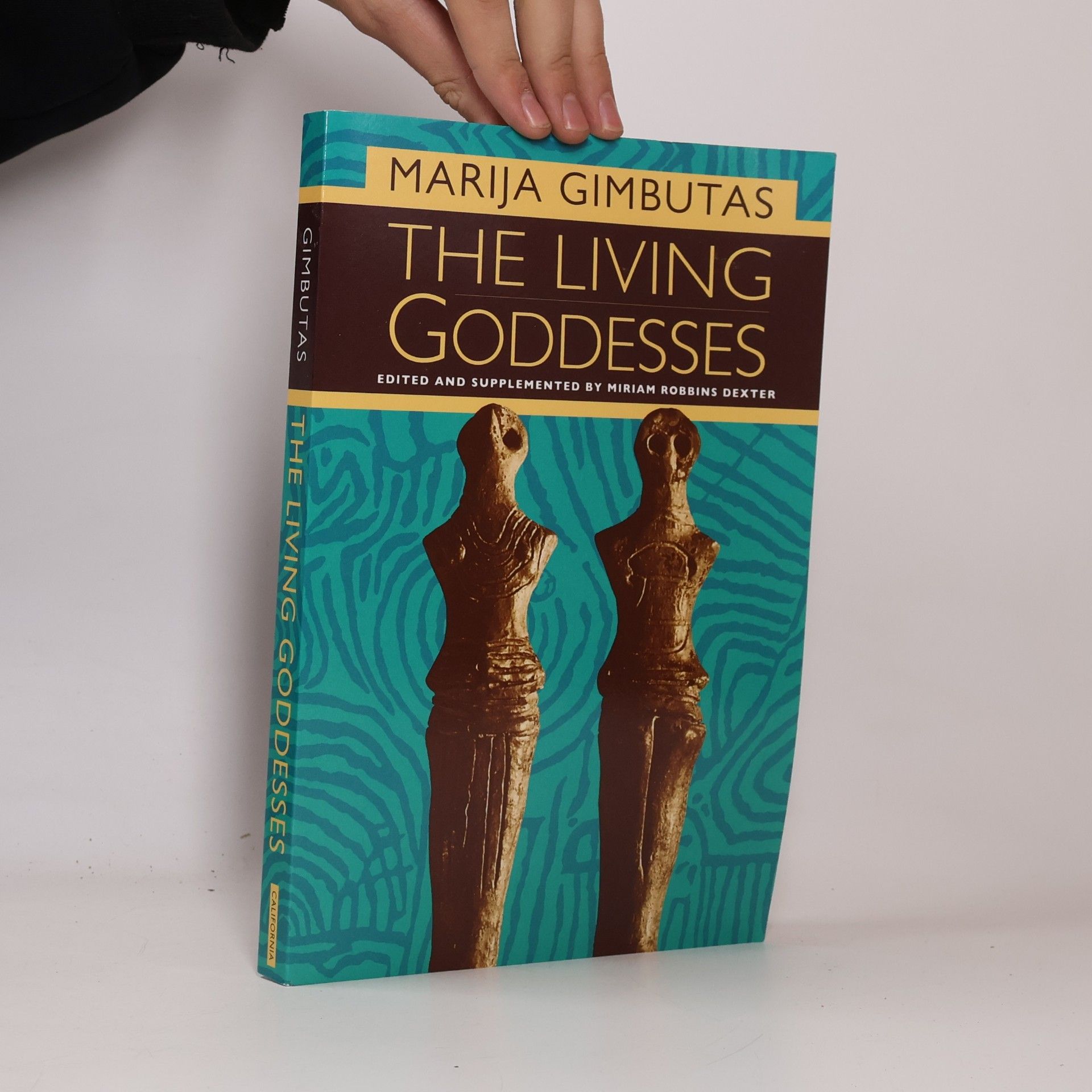
Marija Gimbutas wrote and taught with rare clarity in her original - and originally shocking - interpretation of prehistoric European civilization. This text contains the distillation of her studies, combined with new disco veries, insights, and analysis. schovat popis
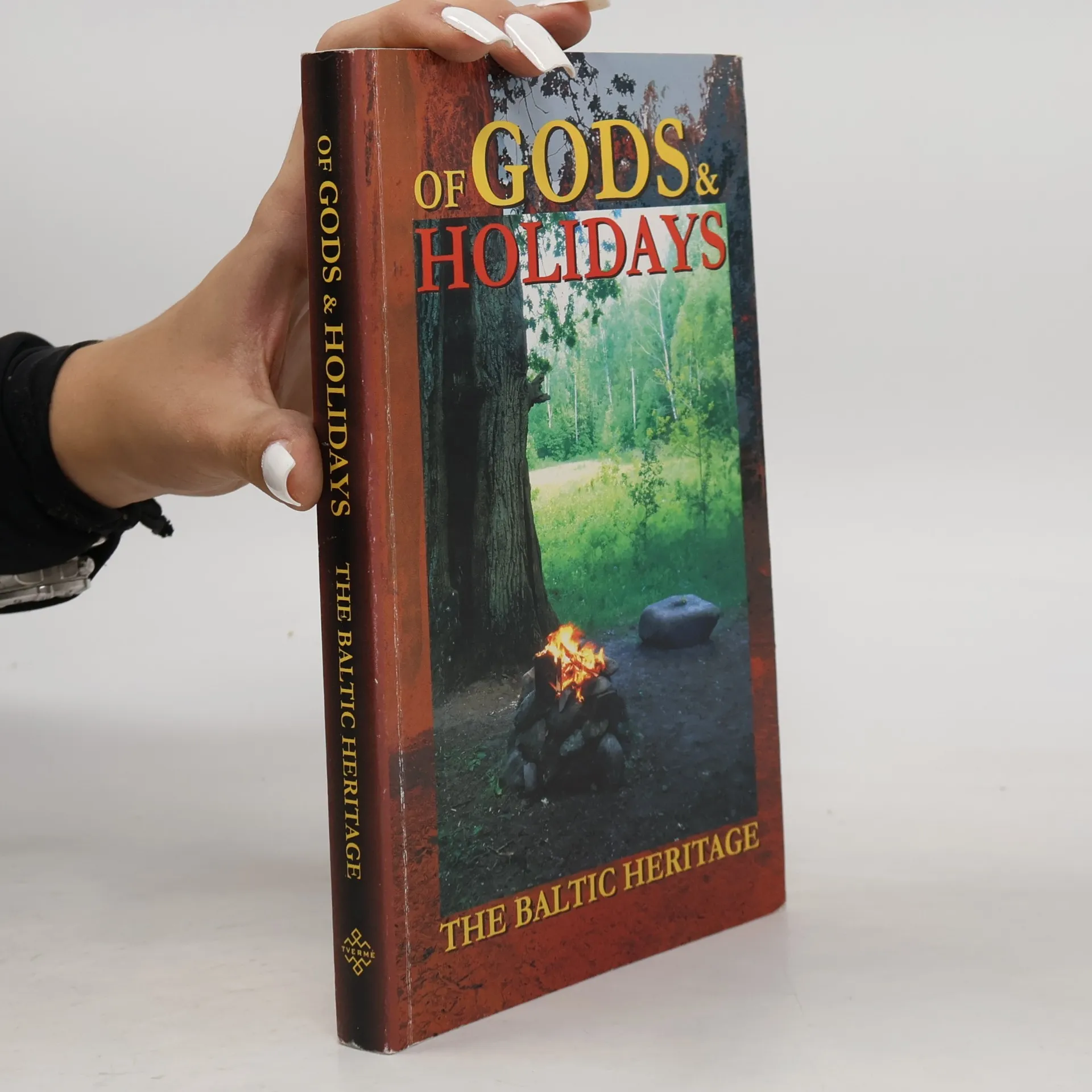
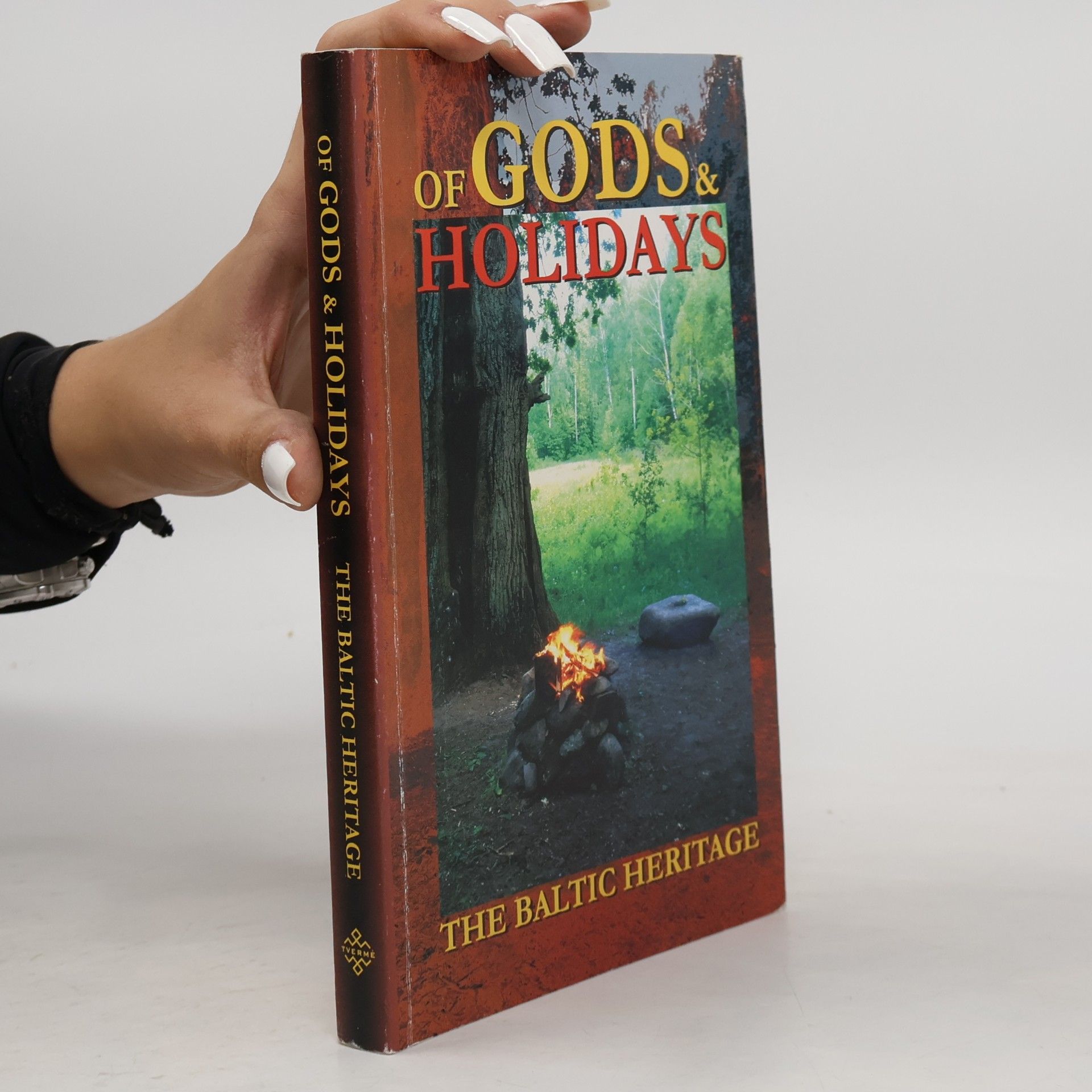
Christian cathedrals were built in places hallowed by millennia of pagan worship, feasts and holidays where altered by suffusing them with Christian content. This happened overall in Europe, the Baltic experience is unique in that the changes occurred later. Many centuries later. As a result, in Baltic cultures the evidence of the pagan foundation can be discerned more clearly.This book presents a collection of articles, which outline the structure of the Baltic religious systems, and describes the holidays that grew out of it. In a final section it is shown that in the Baltic lands the ancient religions have not vanished entirely. They have re-appeared in interesting forms and again assert their influences.
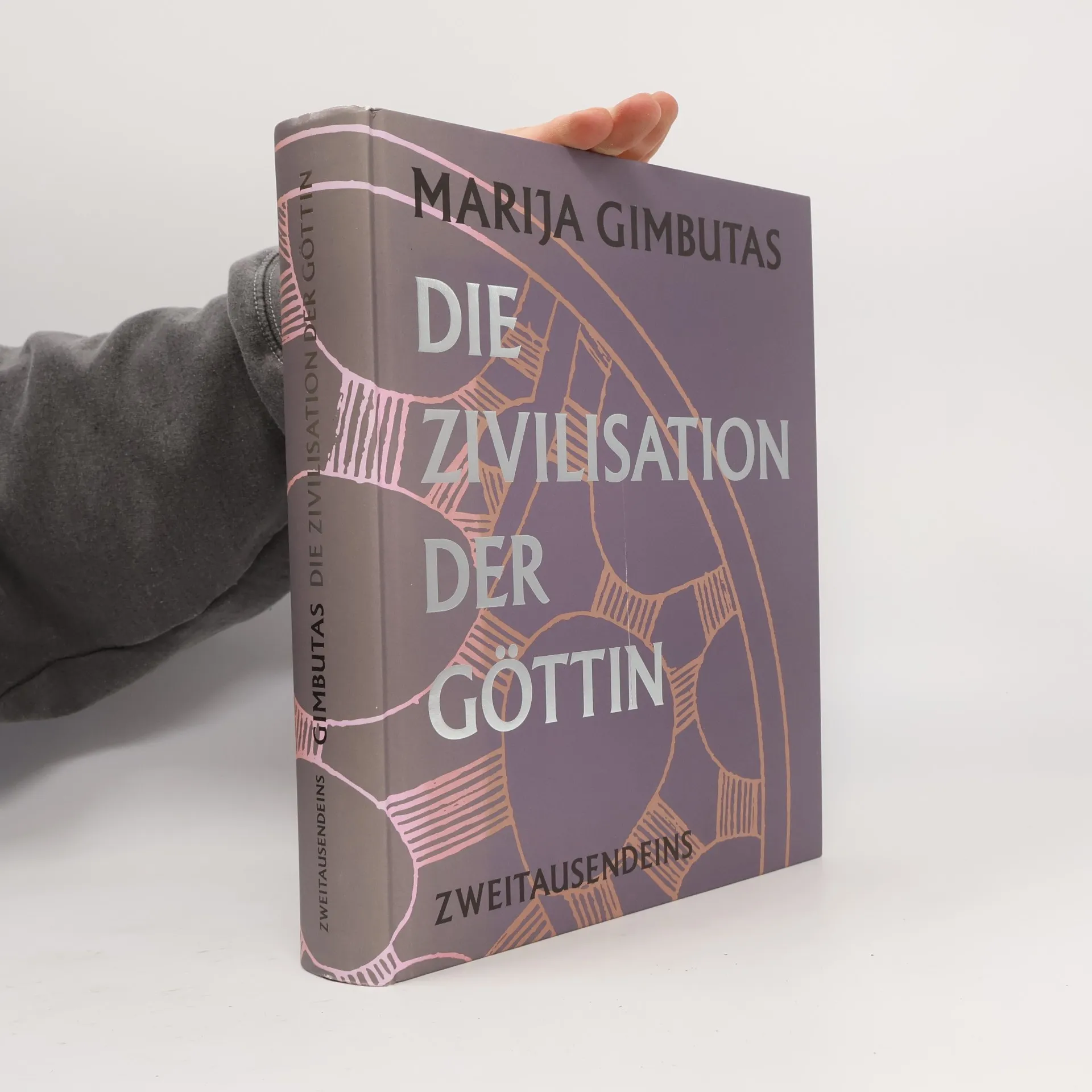
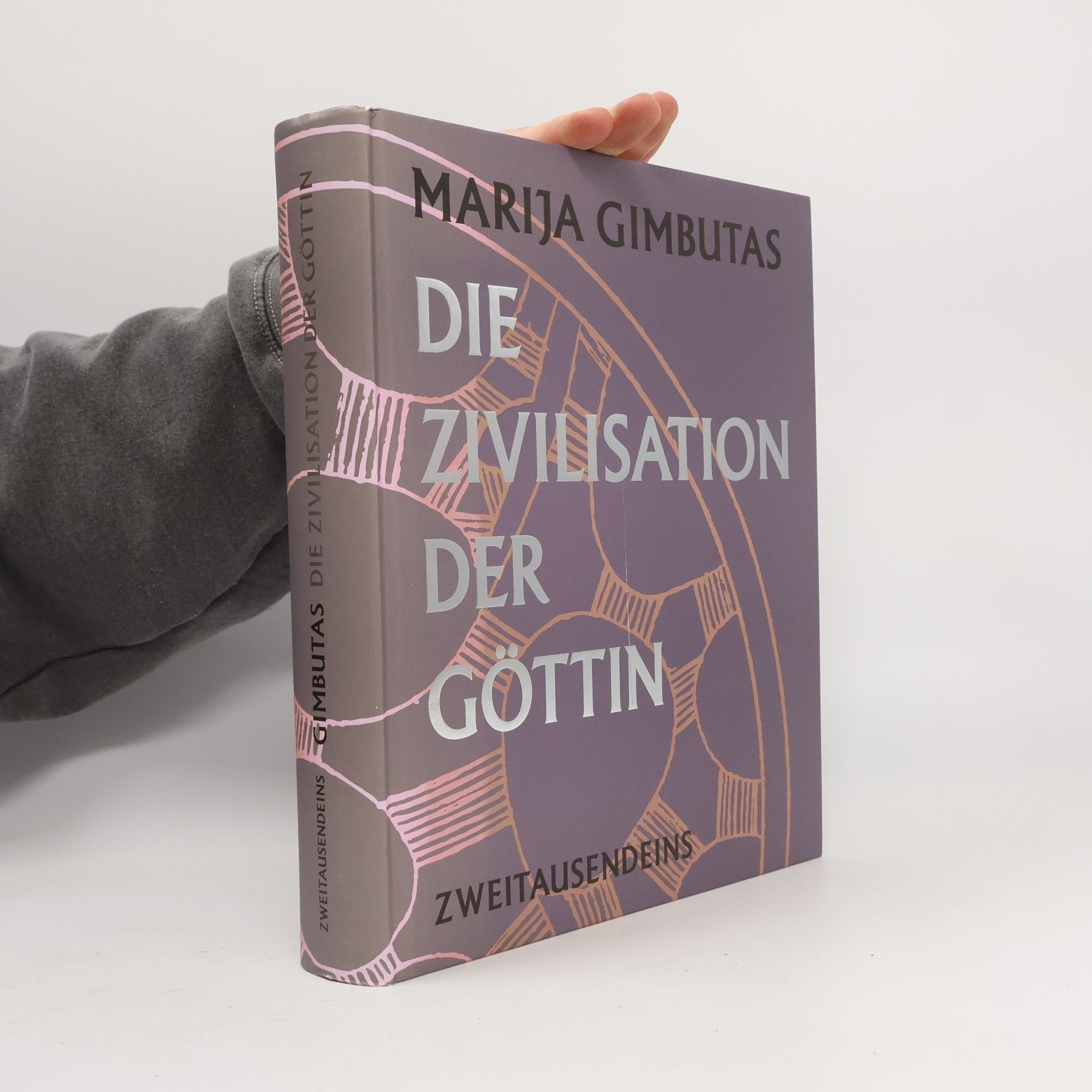
Die Zivilisation der Göttin
- 560 Seiten
- 20 Lesestunden
Dieses Buch präsentiert eine klassische Beleuchtung der neolithischen, göttinnenzentrierten Kultur und bietet ein Bild einer komplexen Welt, das Beweise für die matriarchalen Wurzeln der Zivilisation liefert.

Archaeolingua Series Minor - 6: Das Ende Alteuropas
Der Einfall von Steppennomaden aus Südrussland und die Indogermanisierung Mitteleuropas
- 135 Seiten
- 5 Lesestunden
A summary in German of the author's well-known views concerning the Indo- Europeanization of Europe by three waves of kurgan pastoralists from the eastern steppes. This impact resulted in a decline of the autochthonous cultures and languages of ancient Europe. The successive stages of this process are described in this book. The social structure and economy of the Indo-Europeans are also illustrated by the relevant reconstructible vocabulary, and the belief system of the Indo-Europeans is contrasted with that of the previous culture. The explicative power of Gimbutas' theory is based on an integration of arguments derived from archaeology, comparative linguistics and mythology. This is the author's last publication; she died in 1994. German text.

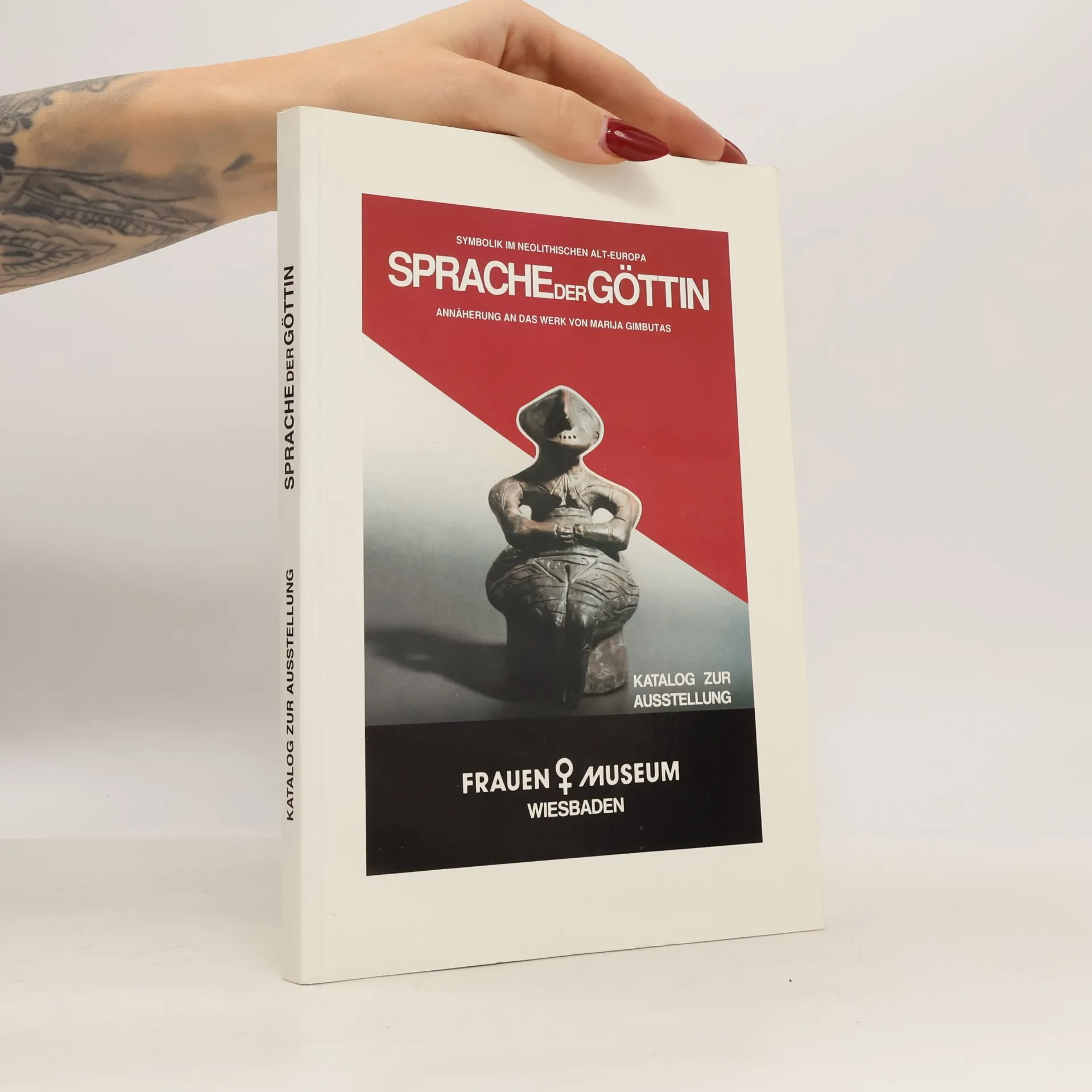
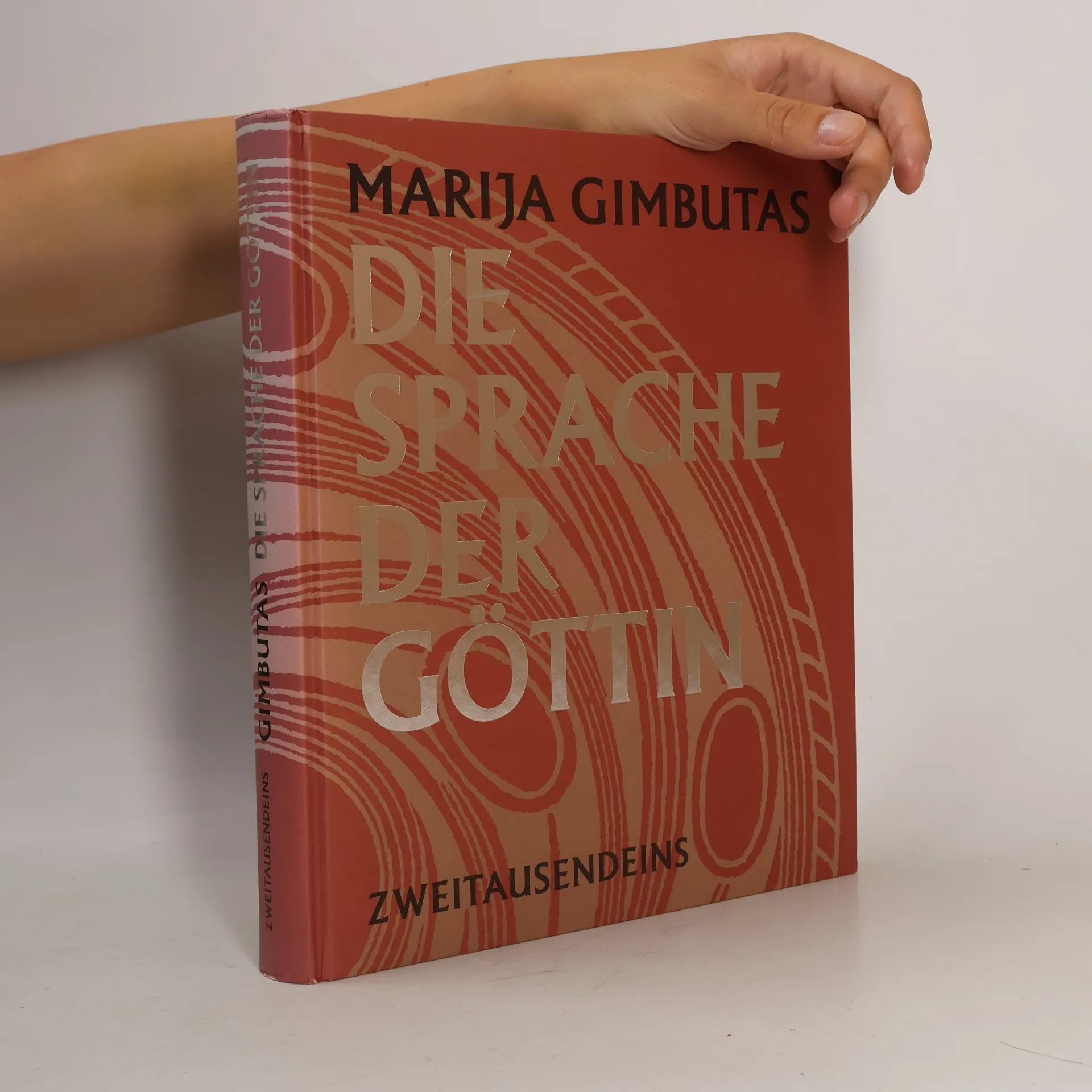
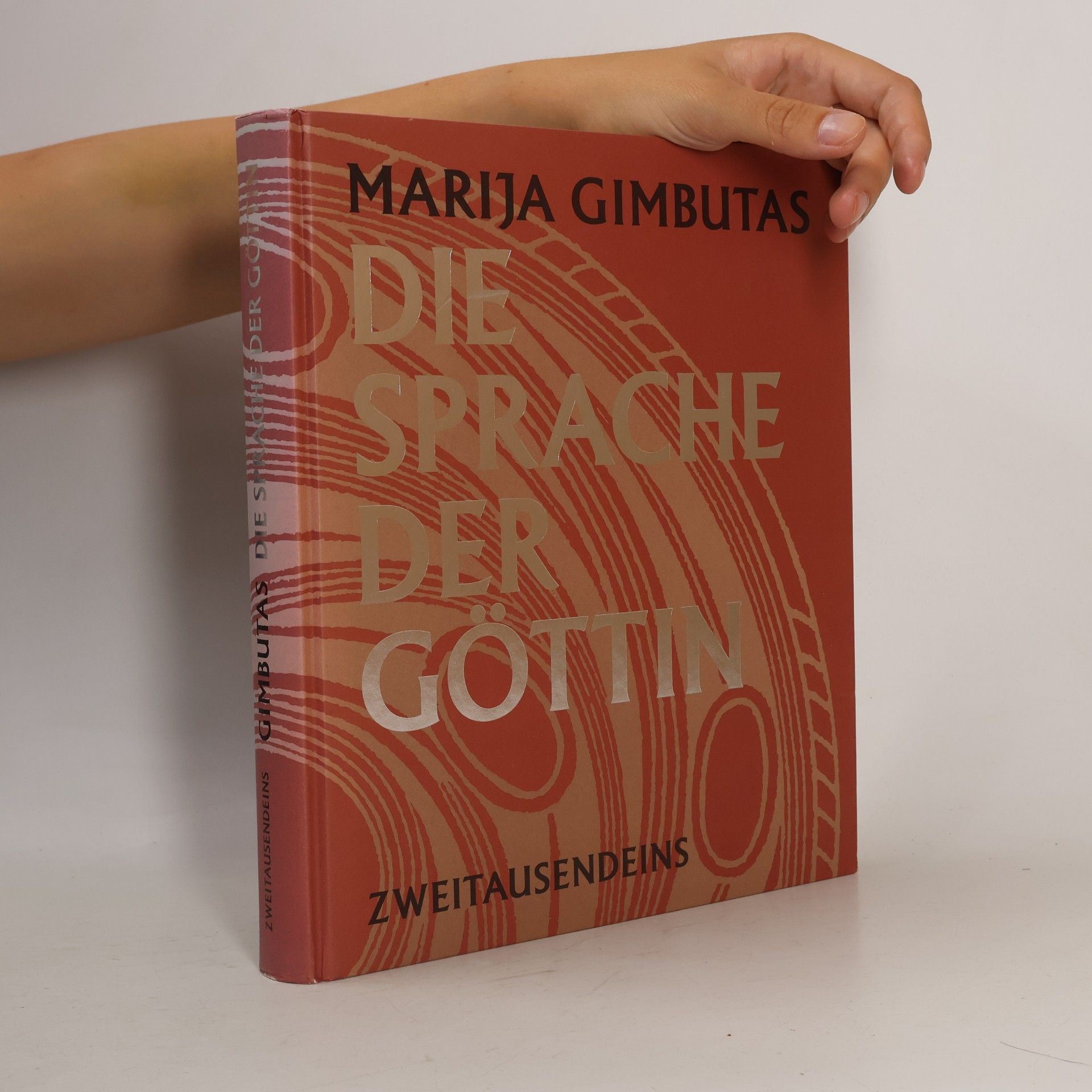
Die Sprache der Göttin. Das verschüttete Symbolsystem der westlichen Zivilisation
- 416 Seiten
- 15 Lesestunden
Dies ist eine faszinierende Studie über die antiken Völker, die im Gebiet der Ostsee lebten. Das Buch enthält Hunderte von Zeichnungen und Fotos verschiedener archäologischer Funde, die ausführlich diskutiert werden. Die Autorin, gebürtige Litauerin, ist weltweit bekannt für ihre bahnbrechenden Studien über die Herkunft der Indoeuropäer und insbesondere für ihre einzigartige Theorie einer göttinnenzentrierten alt-europäischen Kultur.

Göttinnen und Götter im Alten Europa
- 312 Seiten
- 11 Lesestunden
Gimbutas schildert auf wissenschaftlichen Grundlagen ein Weltbild, in dem das mitteleuopäische Neolithikum von einer Religion der „Großen Göttin“ geleitet gewesen und von patrilinearen Horden aus dem Kurgangebiet überfremdet worden sei. Sie beweist das Vorhandensein eines reichhaltigen Pantheons an Göttinnen, welche sich im Paläolithikum herausbildeten, anhand einer Vielzahl und oft selten publizierter archäologischer Funde aus der vor-indo-europäischen Zeit. Aus dem Inhalt: - Die Zivilisation des Alten Europa und seine Bedeutung - Die Realität der neolithischen Künstler - Rituelle Kleidung - Die Maske - Altäre und die Rolle von Figurinen - Kosmogonische und kosmologische Motive - Die Herrin des Wassers: die Vogel- und die Schlangengöttin - Die Göttin des Lebens, des Todes und der Wiedergeburt - Die schwangere Vegetationsgöttin - Der Jahres-Gott: Phallus, Stier und Dionysus - Das heilige Kind Deutsche Erstausgabe!