Abstrakt
- 240 Seiten
- 9 Lesestunden




Mensch und Gesellschaft in Zeiten der Pandemie
Bereits jetzt hat die COVID-19 Pandemie tiefe Spuren auf allen Ebenen menschlichen Handelns und Empfindens hinterlassen. Was die bestmögliche Bewältigung der Situation betrifft, liegt es nicht nur an den Regierungen, Expert*innen und Mitarbeiter*innen in Gesundheitssystemen, sondern letztlich an jedem einzelnen, richtig zu handeln. Das Verständnis für die psychologischen Hintergründe und die gesellschaftlichen Zusammenhänge ist dabei von wesentlichem Nutzen. Dieses essential soll im Sinne einer gemeinsamen und gelingenden Bewältigung ebenfalls einen Beitrag dazu leisten.
The first book on master photographer Ernst Haas’s work dedicated to both his classic and newly discovered New York City color photographs of the 1950s and 60s. Ernst Haas’s color works reveal the photographer’s remarkable genius and remind us on every page why we love New York. When Ernst Haas moved from Vienna to New York City in 1951, he left behind a war-torn continent and a career producing black-and-white images. For Haas, the new medium of color photography was the only way to capture a city pulsing with energy and humanity. These images demonstrate Haas’s tremendous virtuosity and confidence with Kodachrome film and the technical challenges of color printing. Unparalleled in their depth and richness of color, brimming with lyricism and dramatic tension, these images reveal a photographer at the height of his career.
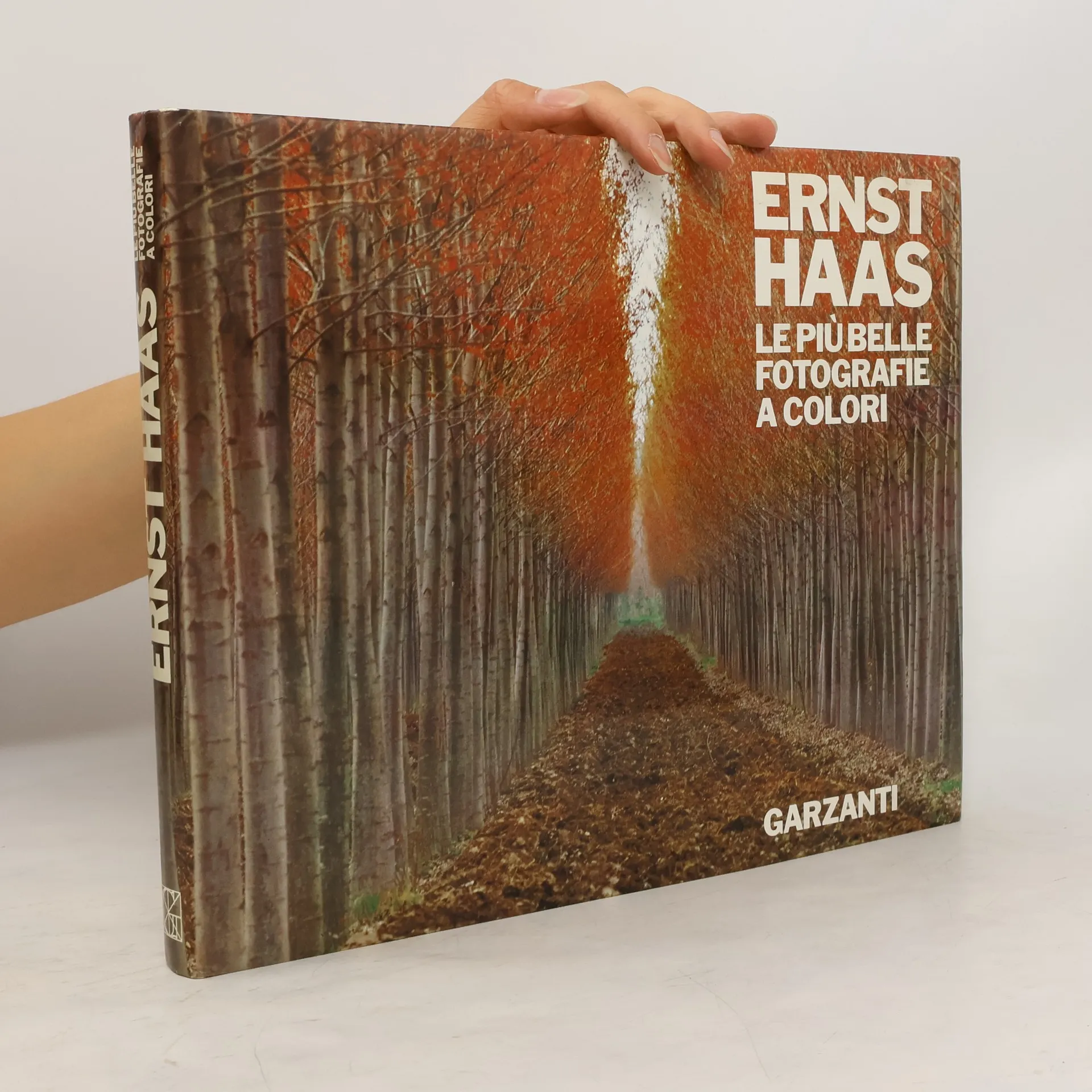
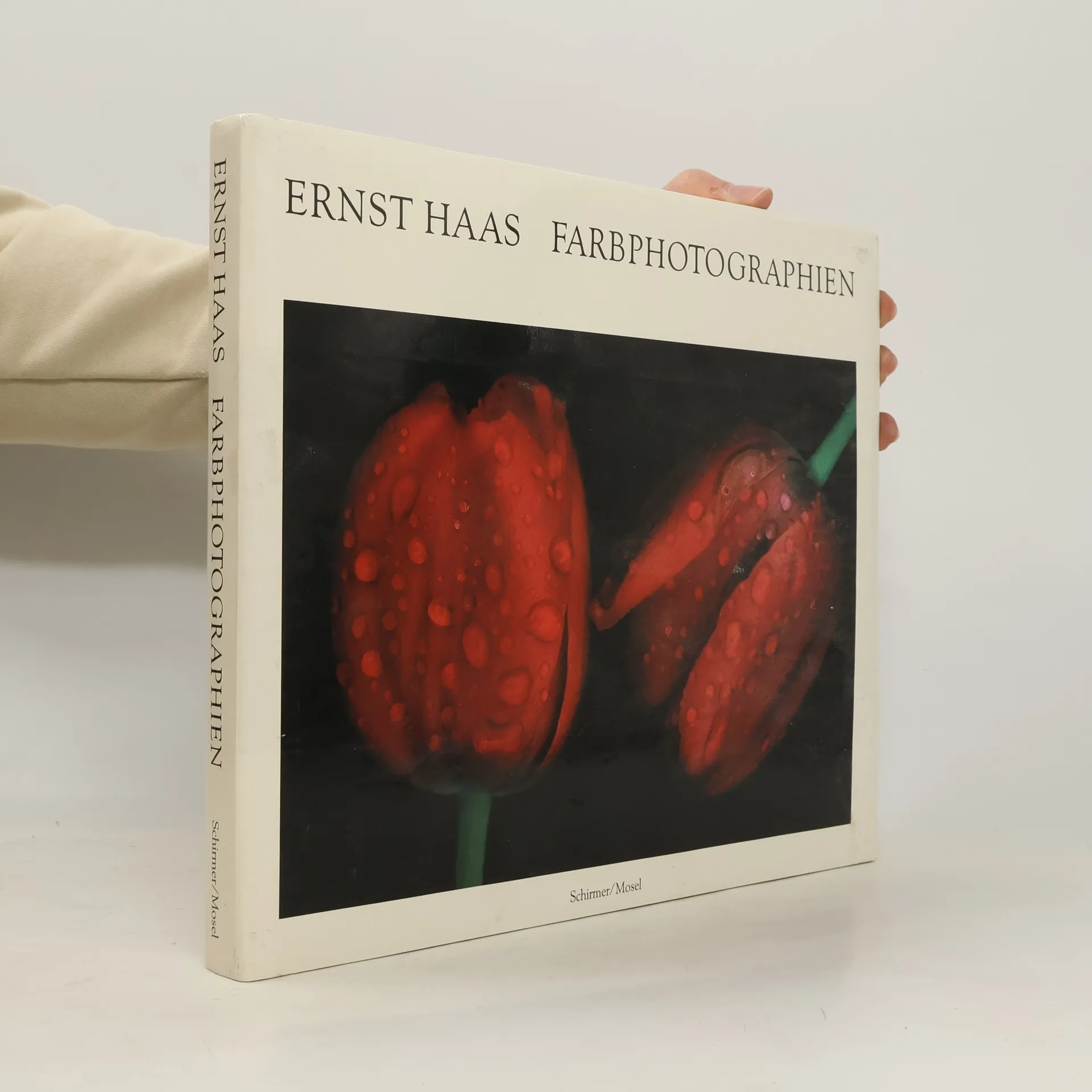
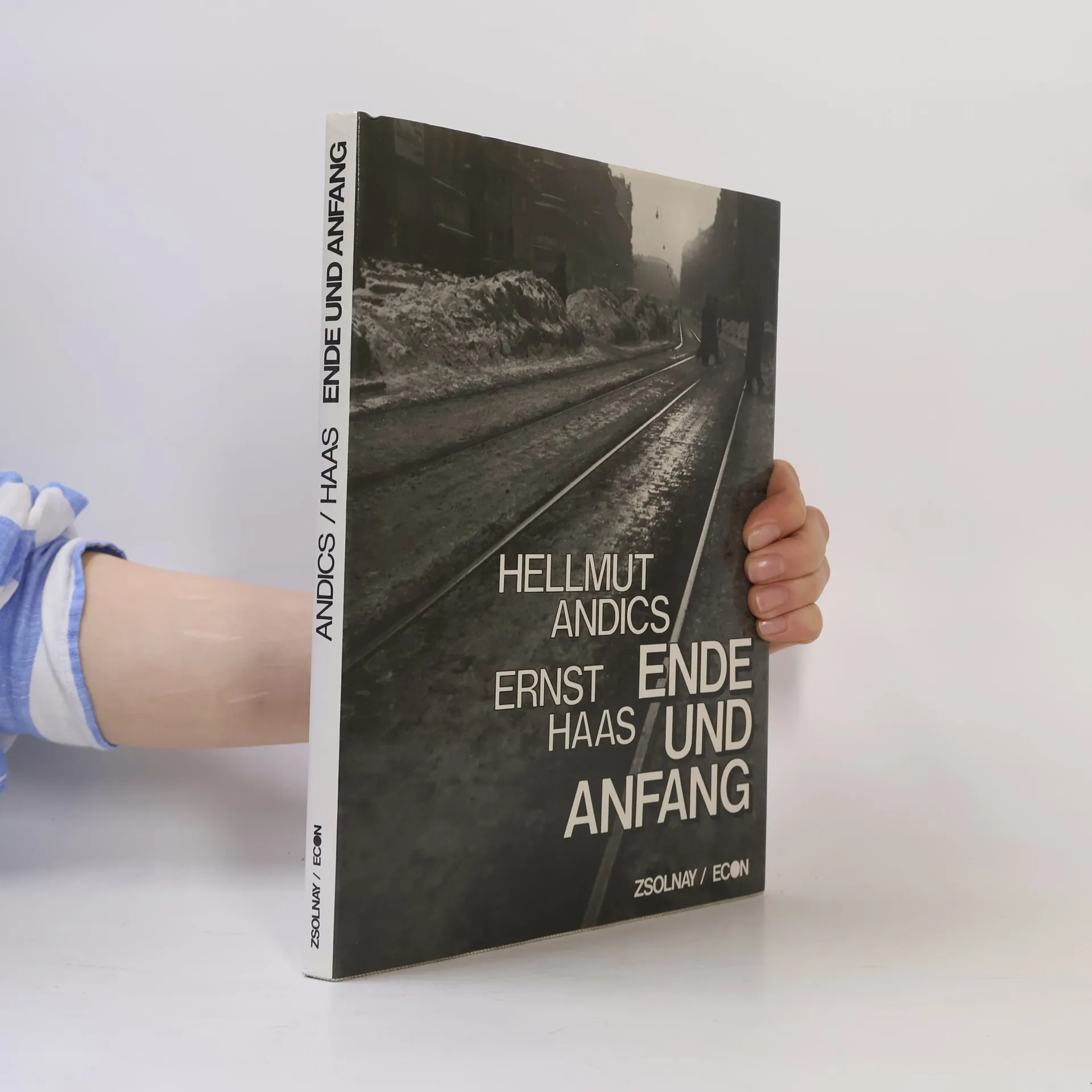
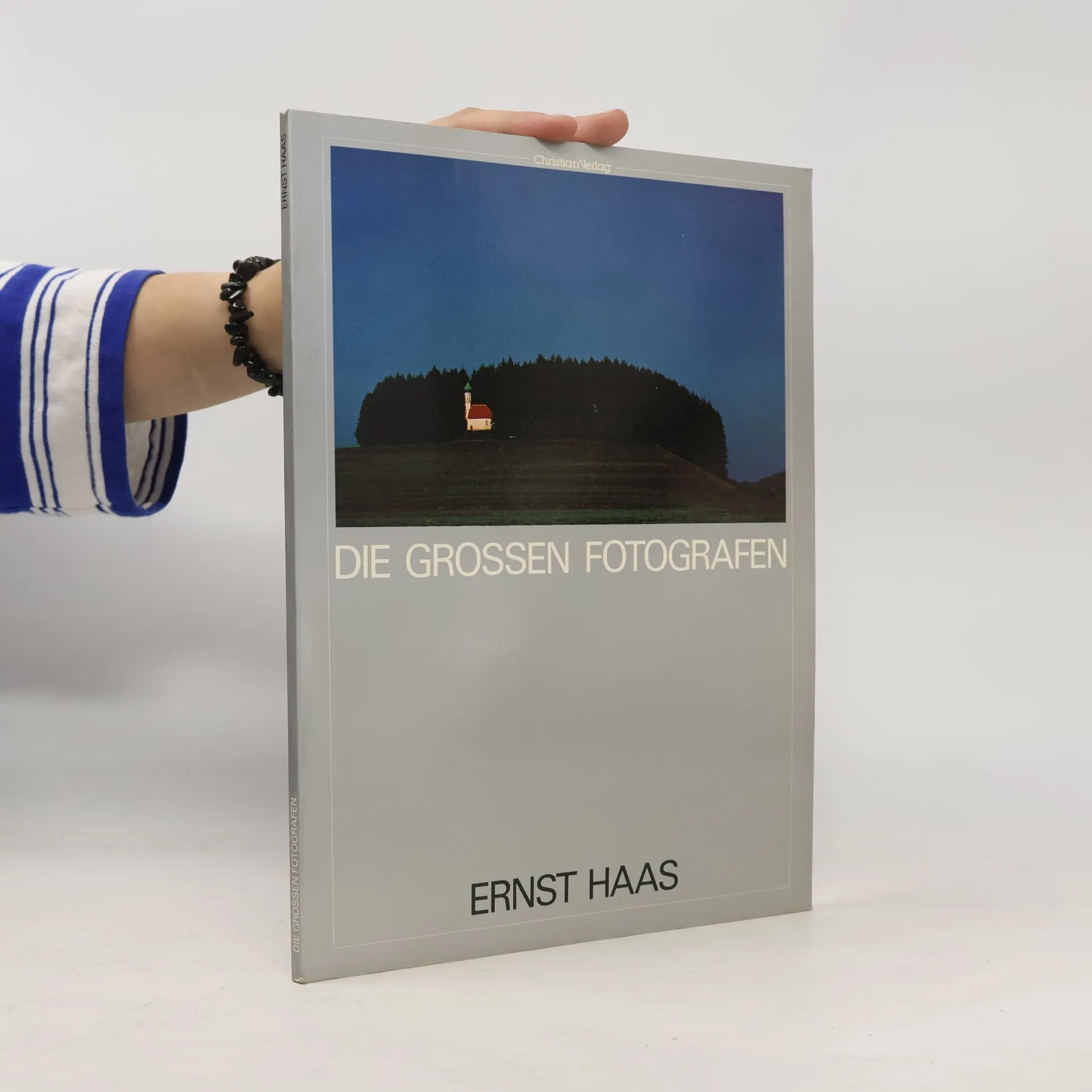
Ernst Haas is one of the most renowned photographers of the twentieth century, celebrated for his vibrant color photography that captivated the illustrated press for decades. His work, featured in influential magazines across Europe and America, led to a plethora of popular books. Despite this acclaim, recent critics have labeled his color photography as "overly commercial" and lacking seriousness, which has impacted his reputation compared to younger contemporaries like Eggleston, Shore, and Meyerowitz. However, a hidden facet of Haas's artistry reveals a more radical sensibility. Alongside his commissioned work, he created personal images that are edgy, complex, and ambiguous—far removed from the accessible style that garnered him fame. These unprinted and unexhibited works, believed to be misunderstood, showcase a depth rivaling that of his peers. Born in Vienna in 1921, Haas began photography post-war, gaining attention for his work on returning POWs. He declined a staff position at Life Magazine to maintain his independence and joined Magnum in 1949, forming connections with notable photographers. His experimentation with color positioned him as a leading figure in the 1950s, culminating in a solo exhibition at MoMA in 1962. Haas published numerous books, including the highly successful "The Creation." He received the Hasselblad award in 1986, the year he passed away.
Focusing on the International Labor Organization, this influential work presents a comprehensive analysis of neo-functionalism, a theory of transnational integration. It systematically explores the dynamics of global institutions and has become a classic reference in comparative politics and international relations, particularly in the context of European integration. Originally published in 1964, the book has gained renewed relevance post-Cold War, addressing contemporary issues in global governance and international relations, complemented by a new introduction from notable scholars.
The book is a facsimile reprint, which means it reproduces the original work as closely as possible. Readers should be aware that it may contain imperfections, including marks, notations, marginalia, and flawed pages, reflecting its historical context and authenticity.
Focusing on the European Coal and Steel Community as a pivotal case study, this classic work explores the dynamics of community formation beyond national borders. Ernst Haas examines how the ECSC influenced political loyalties and expectations, positioning it as a foundational example for understanding the pre-history of the European Union. Originally published in 1958, this seminal volume is essential for those interested in the evolution of European integration and the mechanisms that foster collaboration among nations.
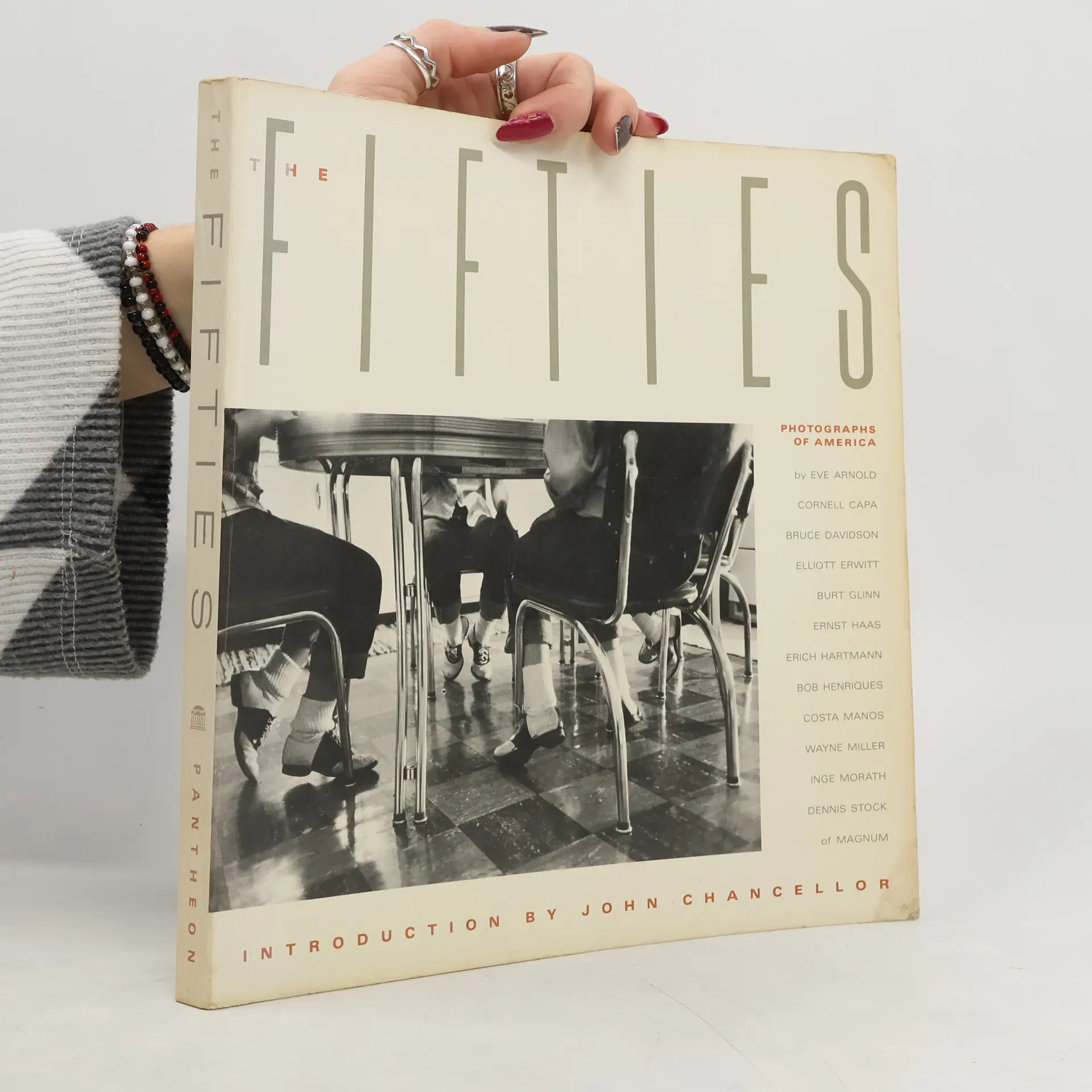
A collection of black & white photographs showing life in the US during the decade of the 1950's.
Dieses Buch betrachtet die Filmstills von Ernst Haas (1921-86), einem der bedeutendsten Fotografen des 20. Jahrhunderts, der die Grenzen zwischen Fotografie und bewegtem Bild überschreitet. Haas arbeitete mit verschiedenen renommierten Regisseuren und stellte Kinogenres von Spannung über Western bis hin zu Komödien und Musicals dar. Er verlieh seinen Stills eine zeitliche, filmische Dimension, die beim Betrachten in Sequenzen Bewegung und Erzählung erzeugt. Seine Meisterschaft in Farbe, Licht und Bewegung führte dazu, dass er häufig große Gruppenaktionen fotografierte, von den Schlachtszenen bis zu den Tänzen in Musicals. On Set bietet eine neuartige Perspektive auf die Sets und die Stars, die Haas fotografierte, und enthüllt eine wenig bekannte, aber entscheidende Dimension seines Schaffens.
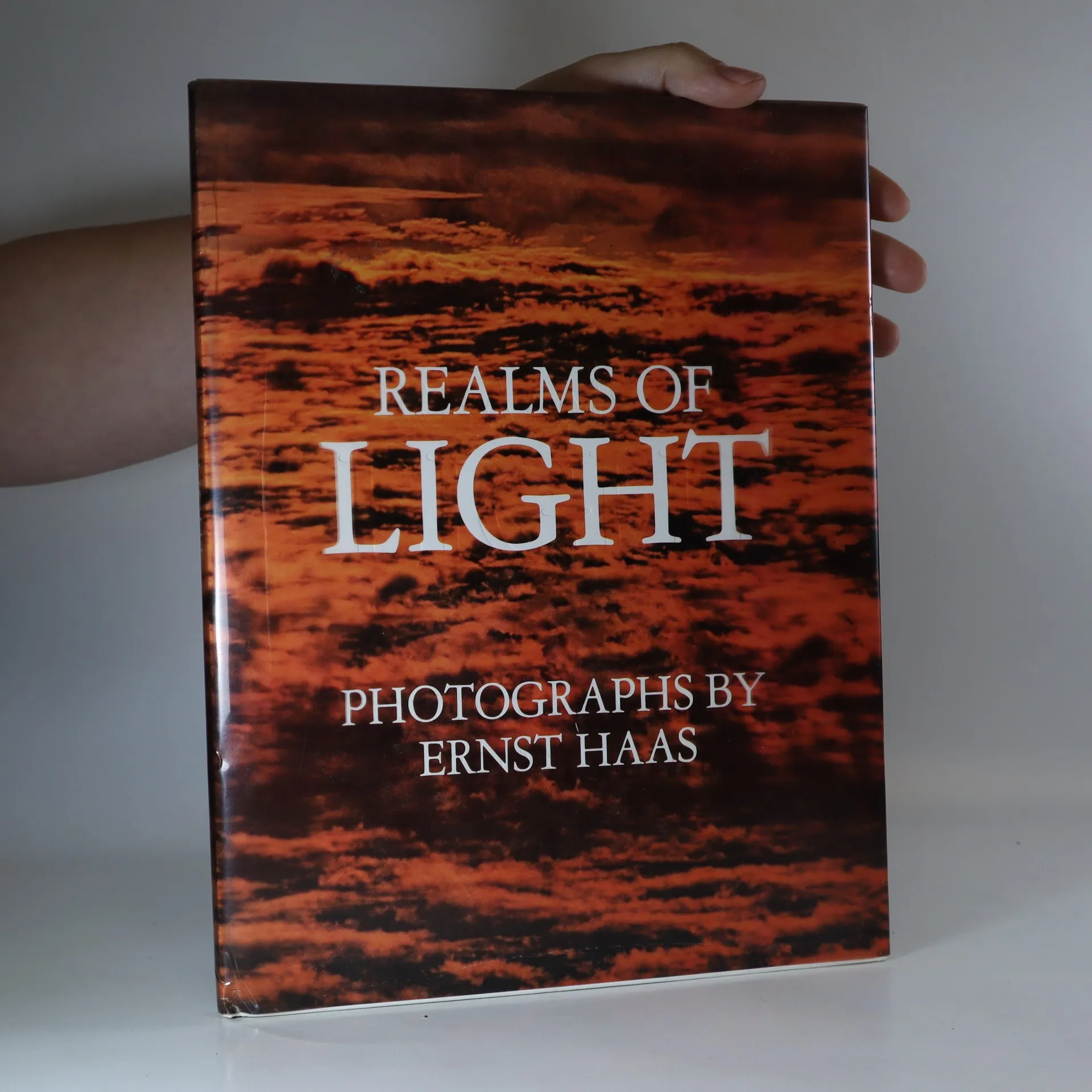
Ernst Haas' photographs, chosen for their evocation of color and light, opposite poetry from the ancient to the Coleridge, Thoreau, Dickinson, Plato, Milton, Sandburg, Dante, etc. 108 pages; 40 full-page color photographic plates, 4 plates printed on transparent acetate; 9.5 x 12 inches.
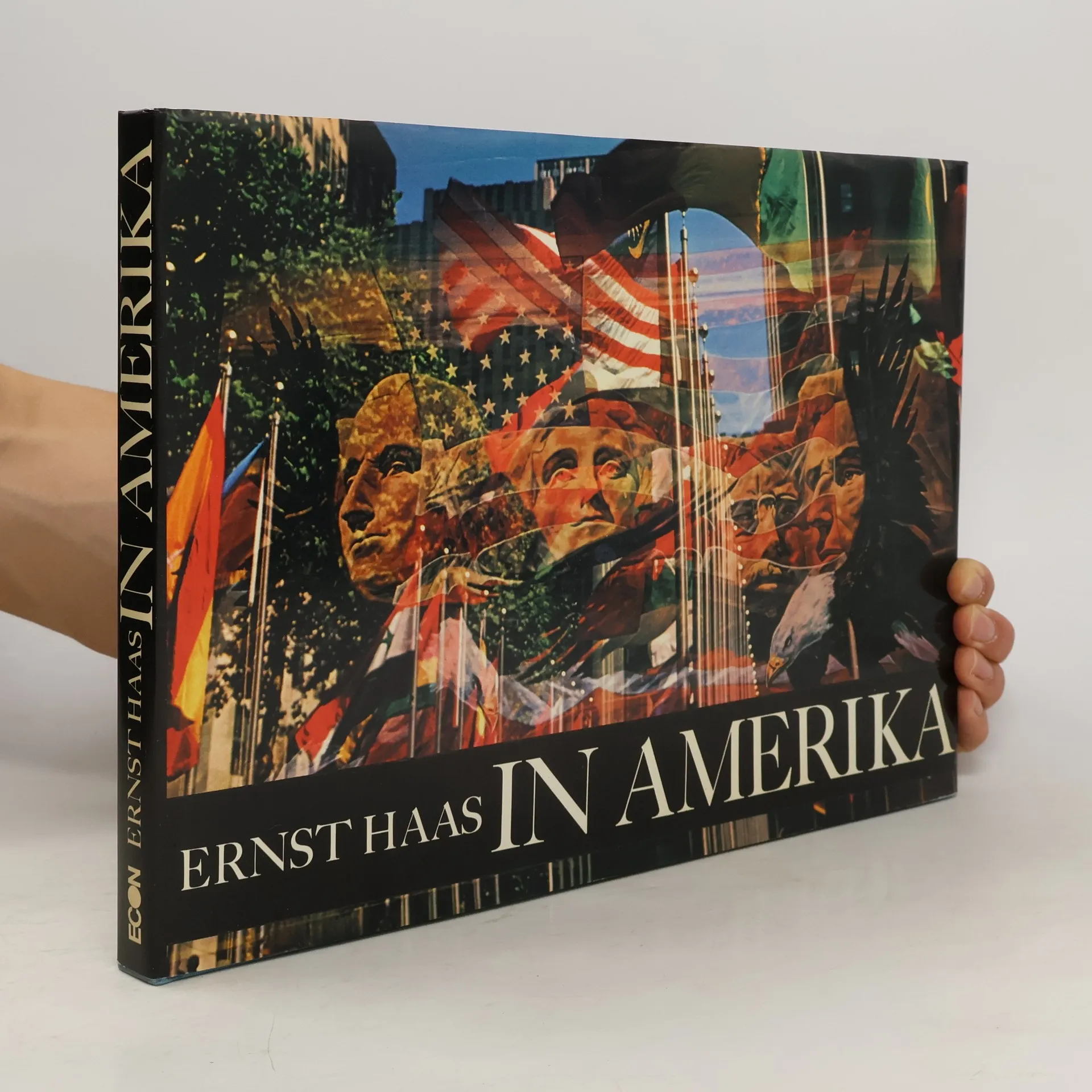
Eine außergewöhnliche Sammlung von Bildern, die in Amerika aufgenommen wurden, vom "höchsten Dichter der Farbkamera". Haas, ursprünglich aus Österreich, bietet einzigartige Einblicke in die natürlichen Phänomene, von Menschen geschaffenen Kreationen und die Menschen dieses riesigen Landes, was Haas gerne als "lebendige Americana" bezeichnet.
Photos von Haas, Ernst Zahlr., tls. farb. Abb. 184 S. N.-A. fPr
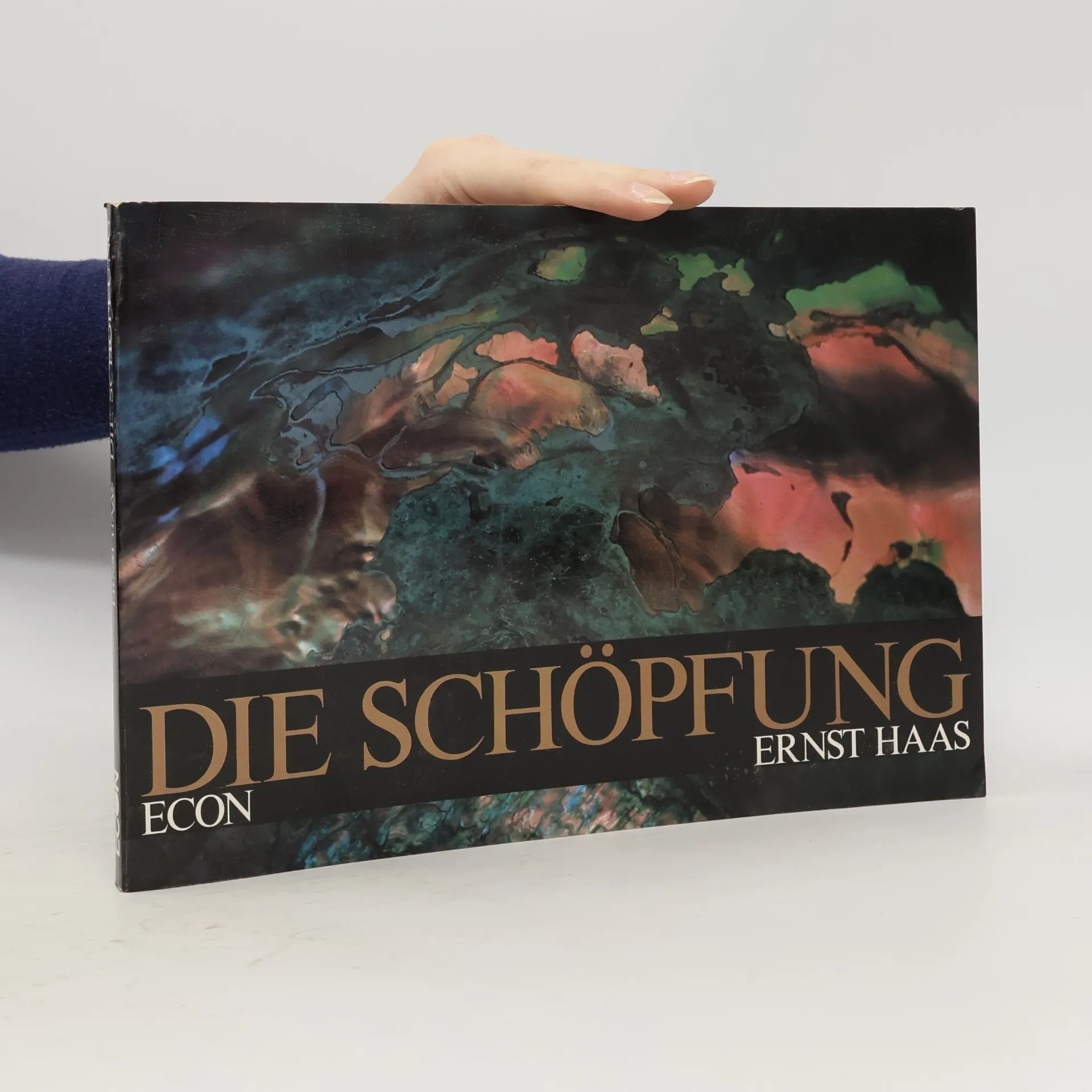
Farbige Fotografien zeigen die Schönheit der Elemente, der Jahreszeiten, der Pflanzen und der Tiere.