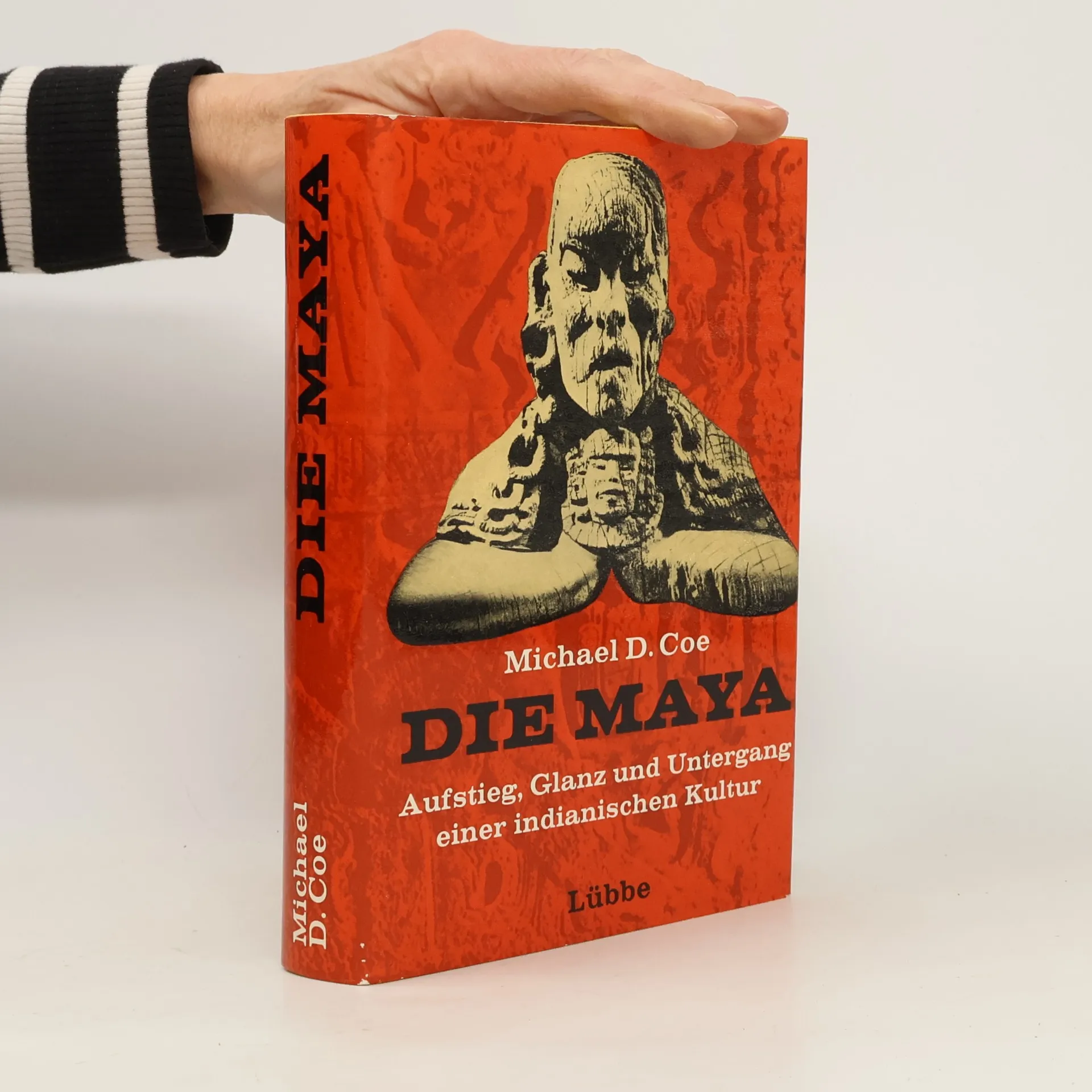
Die Maya
- 292 Seiten
- 11 Lesestunden
s/t: Aufstieg, Glanz & Untergang einer indianischen Kultur


Michael D. Coe war ein amerikanischer Archäologe und Anthropologe, der für seine umfassende Arbeit über die Maya-Zivilisation bekannt war. Er war ein führender Experte für die Maya-Kultur, ihre Hieroglyphen und gesellschaftlichen Strukturen, der die antike Welt einem breiten Publikum näherbrachte. Coes Schriften tauchen tief in die Komplexität der Maya-Zivilisation ein und bieten den Lesern eine fesselnde Erkundung ihrer Geschichte und Errungenschaften.
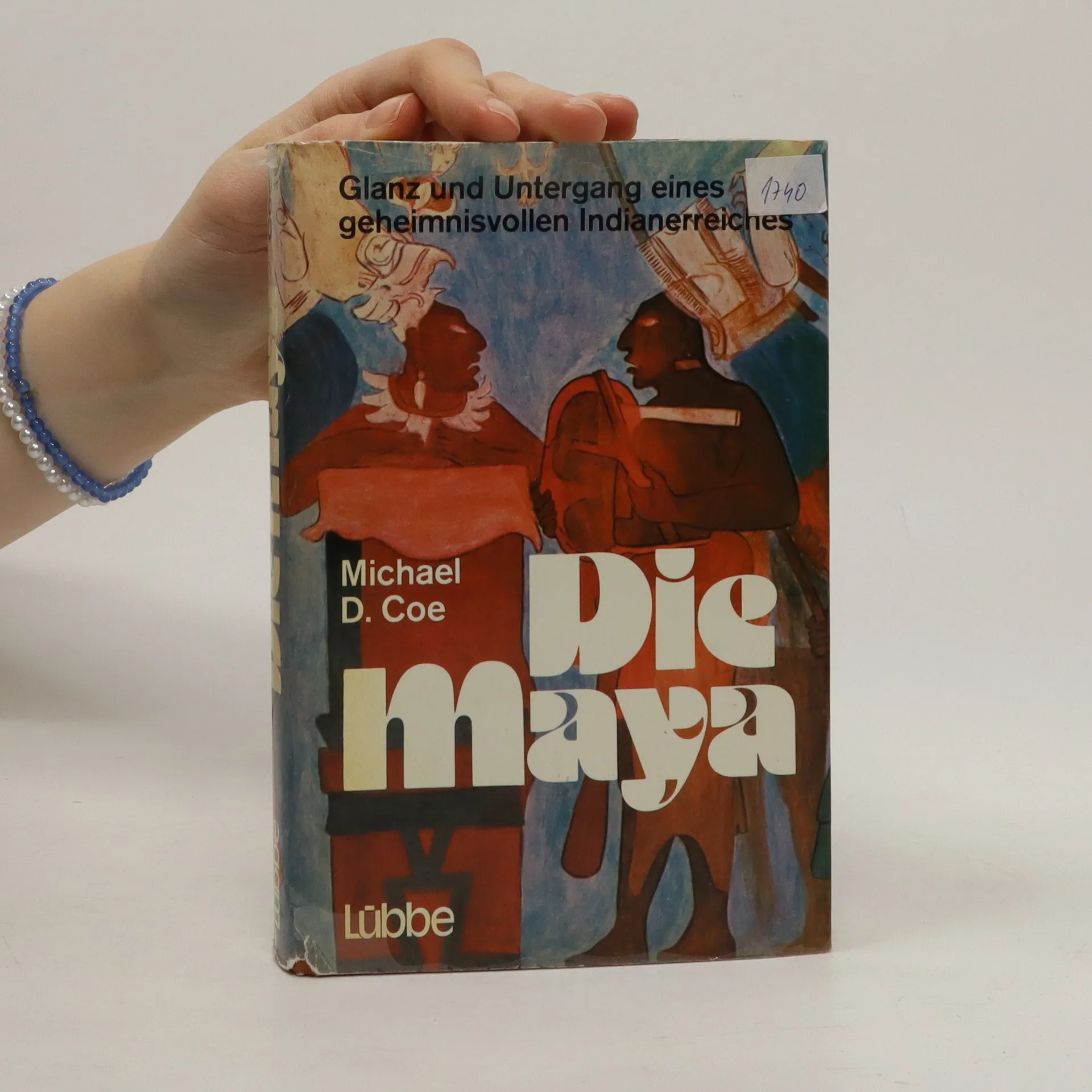

s/t: Aufstieg, Glanz & Untergang einer indianischen Kultur
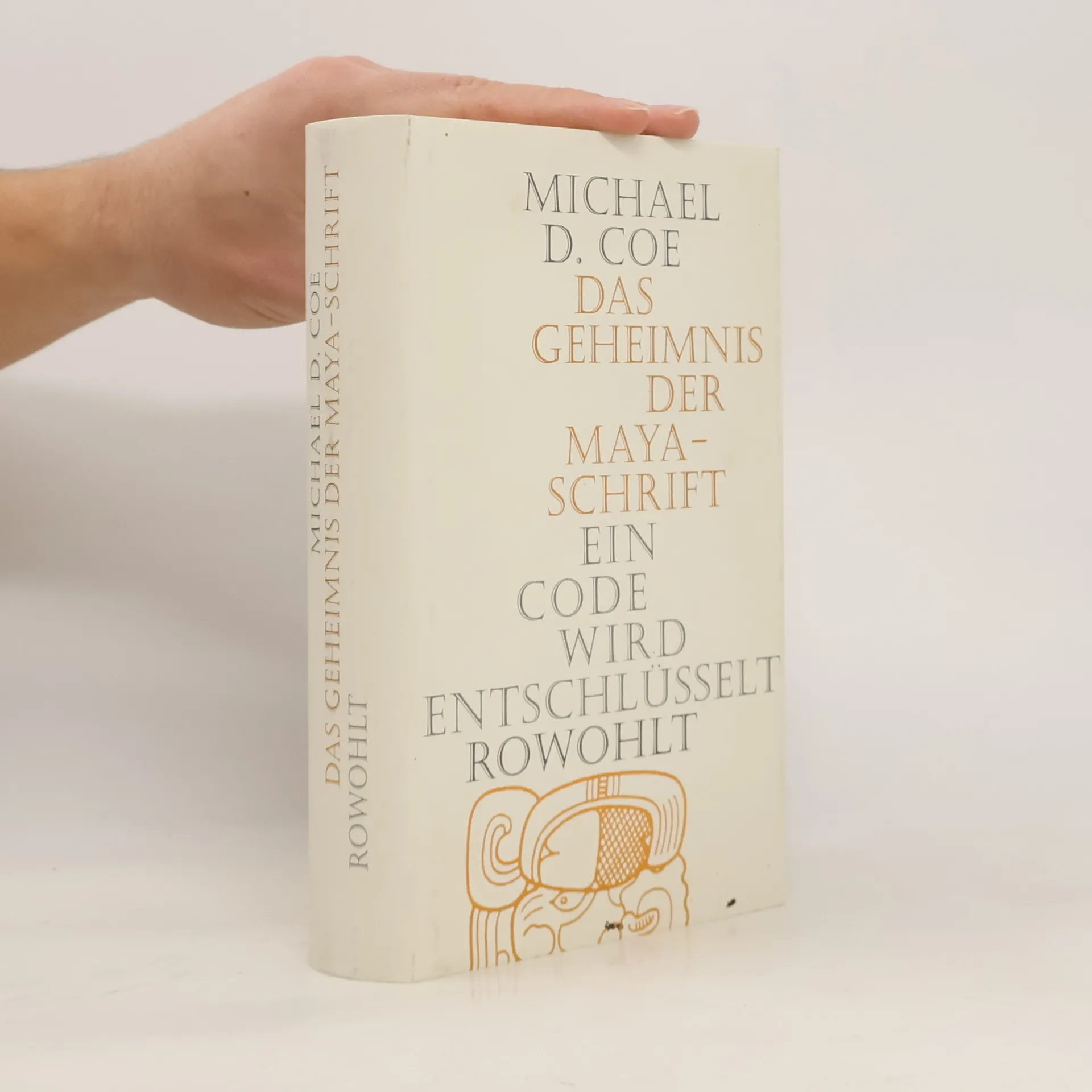
Michael D. Coe ist Professor für Ethnologie an der Yale Universität und Experte auf dem Gebiet der präkolumbischen Archäologie. Die vorliegende Veröffentlichung liest sich wie eine Detektivgeschichte und ist zugleich ein sachkundiger Bericht über eines der aufregendsten Abenteuer unserer Zeit: die Entschlüsselung der Maya-Schrift.
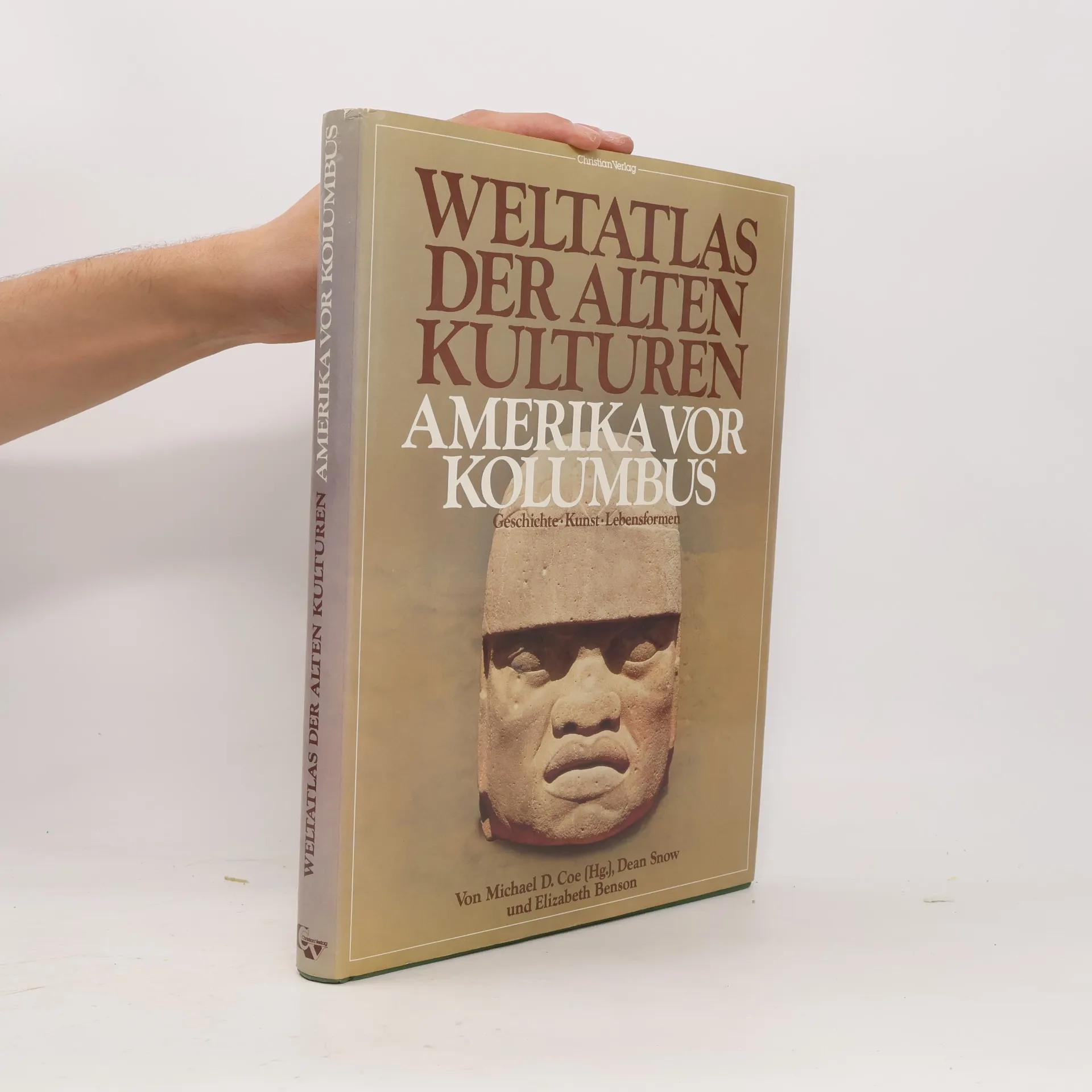
Das Buch fasst die Ergebnisse von zwei Jahrhunderten archäologischer, historischer und anthropologischer Forschungen zusammen und beschäftigt sich mit den ersten amerikanischen Zivilisationen. Es verfolgt die Chronologie von der ursprünglichen Besiedlung über verschwundene Kulturen und Zivilisationen und interpretiert die Geschichte der Völker sowie die Geschichte der ersten Kulturzentren von der Antarktis bis Feuerland. Der Atlas enthält Karten, chronologische Übersichten, geografische und namenskundliche Register.
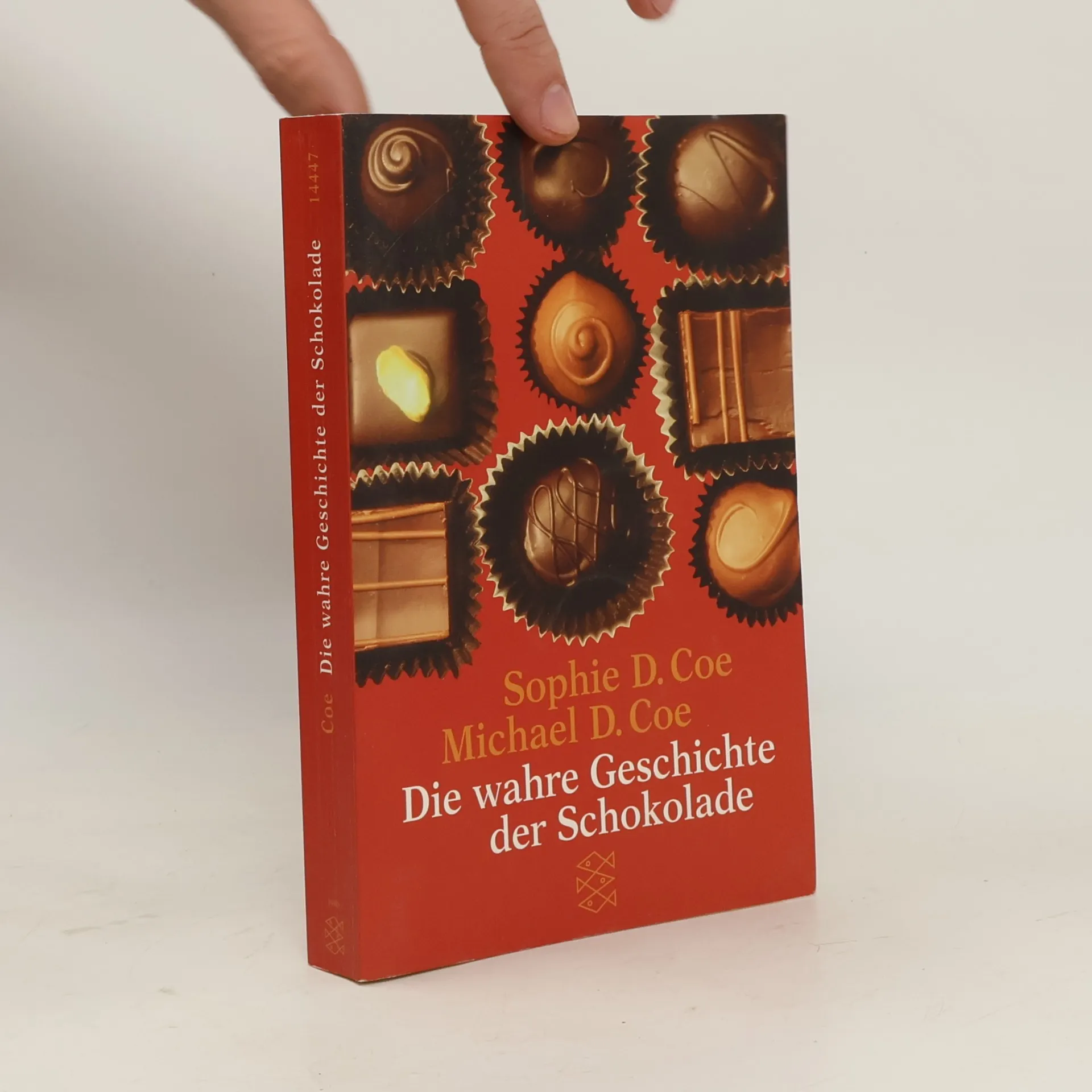
Dieses Buch entführt uns in die faszinierende Geschichte der Schokolade, die vor dreitausend Jahren in den Hochkulturen der Maya und Azteken begann. Wir erfahren von der Kultivierung der Kakaopflanze und dem Aufstieg der Schokolade zum Luxusgut der Maya. Die einzigartigen und rätselhaften Schriftzeichen auf den Schokoladengefäßen der Maya werden entschlüsselt. Der Schokoladenkult der Azteken wird lebendig, für die Schokolade lebenswichtig war und Kakaobohnen als Geld dienten. Spanische Eroberer lernten erst allmählich, diesen Schatz zu schätzen. Wir begegnen geschickten jesuitischen Kaufleuten, die mit Schokolade reich wurden, und erleben das besondere Vergnügen, mit Cosimo de' Medici süße Schokolade mit Jasminaroma zu genießen. Der Marquis de Sade glaubte fest an die aphrodisische Wirkung der Schokolade, die bis in die heutige Zeit nachwirkt. Der Niedergang der Schokolade als Luxusgut und ihr Aufstieg zur beliebten Tafelschokolade sind den Holländer van Houten und englischen Quäkern wie den Cadburys zu verdanken. Unser heutiger „Schokoladenriegel für zwischendurch“ verrät nur wenig von dieser atemberaubenden Geschichte, die hier wie in einem Roman erzählt wird und Einblicke in die Mentalitäten und das Alltagsleben von den mittelamerikanischen Hochkulturen bis heute bietet.
Aufstieg, Glanz und Untergang einer indianischen Kultur
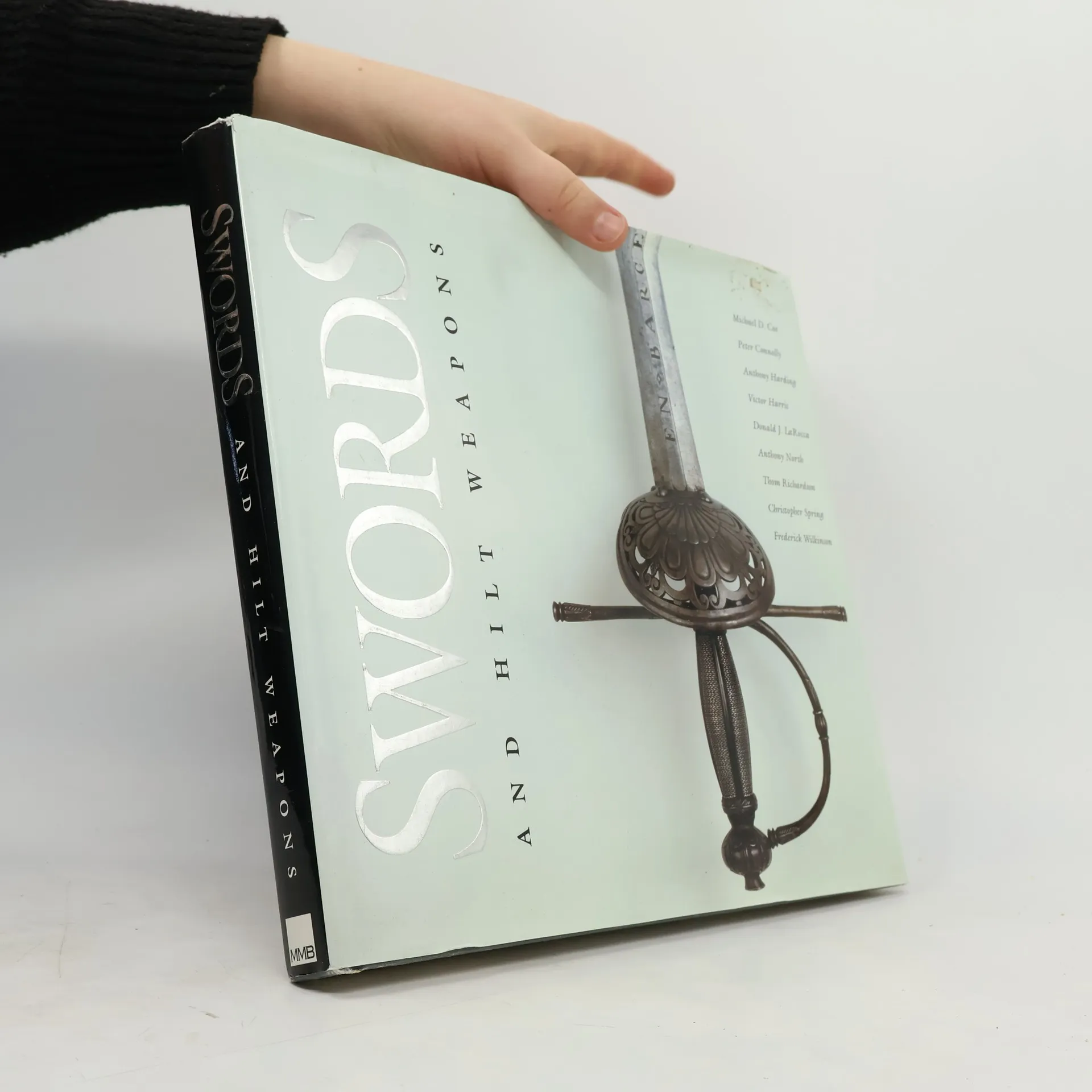
A guide to nearly 4000 years of sword making from the Bronze Age to World War II. On the basis of technical excellence and cultural significance, emphasis is given to European, Islamic and Japanese weapons. It also covers those of Africa, Mesoamerica, China, Central Asia and Indonesia.
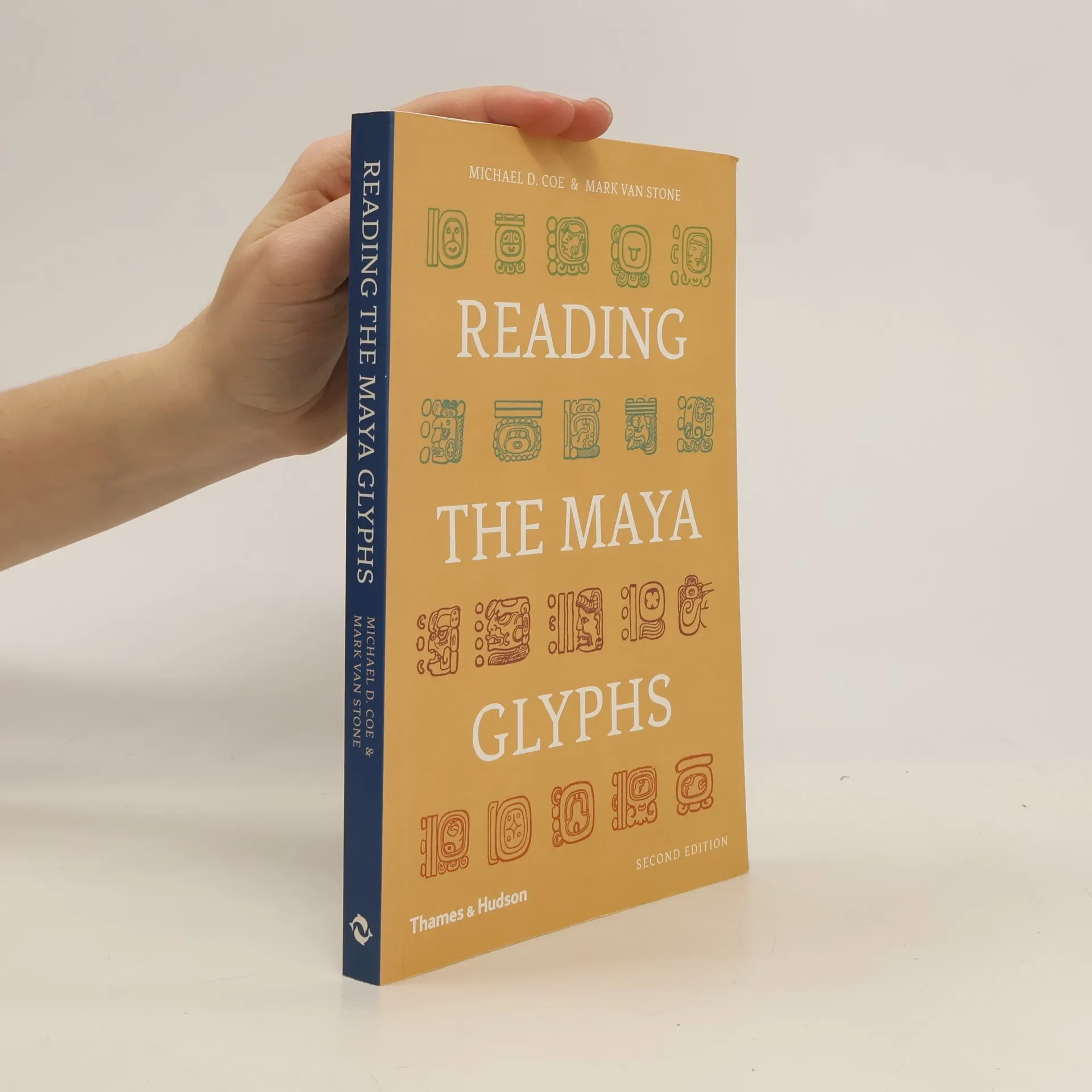
The breaking of the Maya code has completely changed our knowledge ofthis ancient civilization, and has revealed the Maya people's long andvivid history.
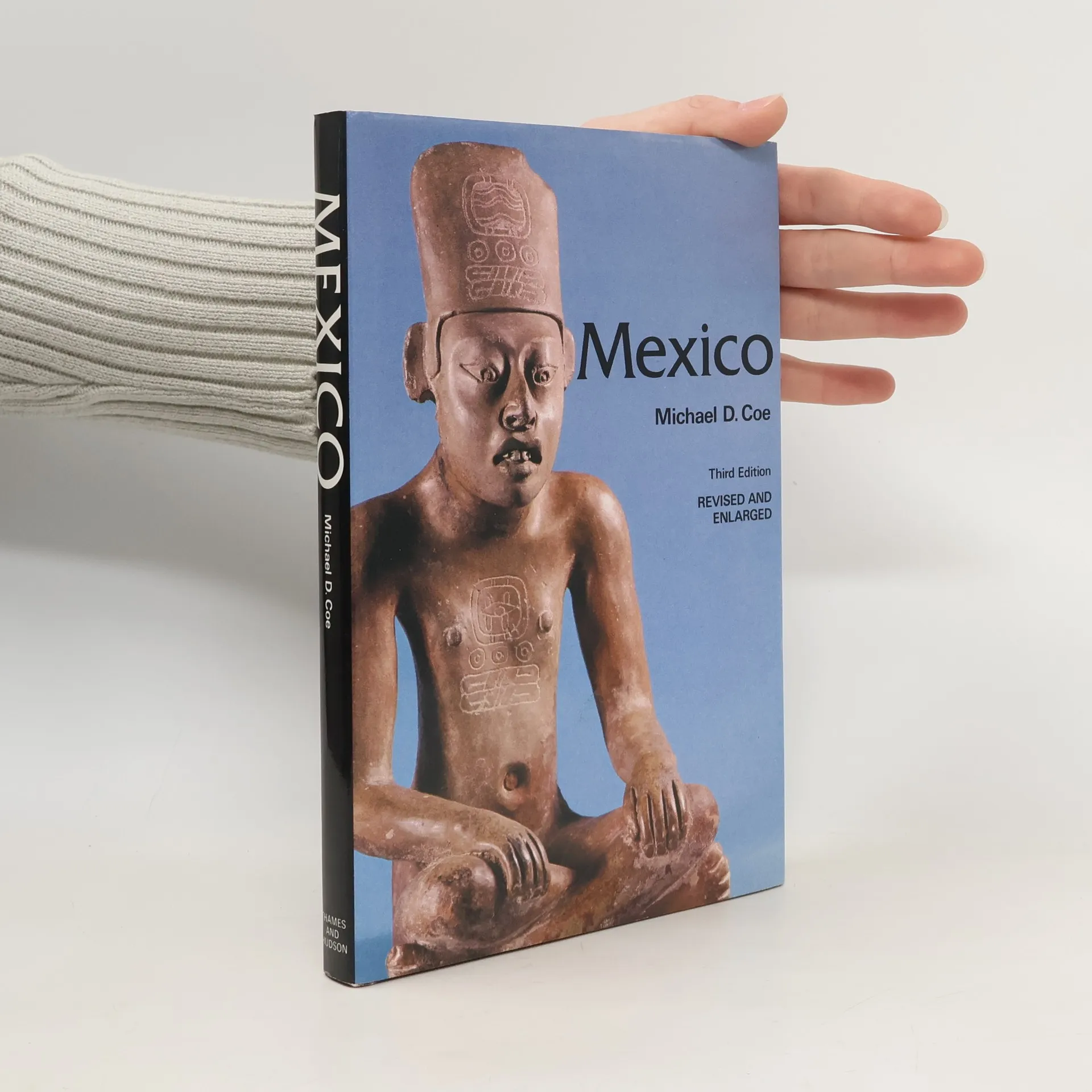
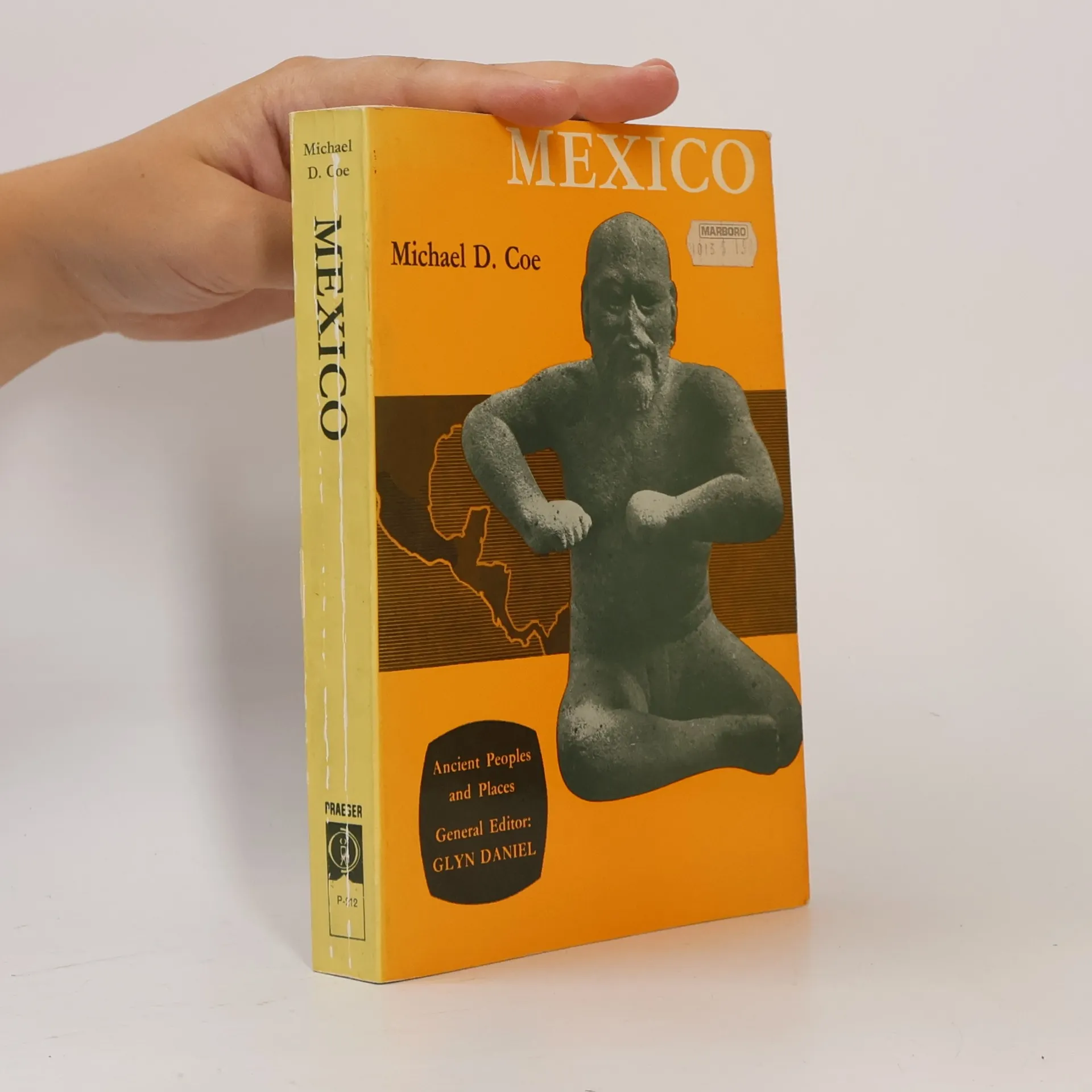
Michael D. Coe’s Mexico is recognized as a readable and authoritative introduction to the region’s ancient civilizations. This companion to The Maya incorporates new findings in various disciplines. The origin of maize-farming has been solved, and new discoveries shed light on Mexico’s earliest civilization, the Olmec culture. At Teotihuacan, recent investigations in the earliest monumental pyramid indicate the antiquity of certain sacrificial practices and the symbolism of the pyramid. Expanded information on the Huastec region of the northeastern Gulf of Mexico is included, while discoveries in the sacred precinct of the Aztec capital Tenochtitlan have led to a refined understanding of the history and symbolism of this area.
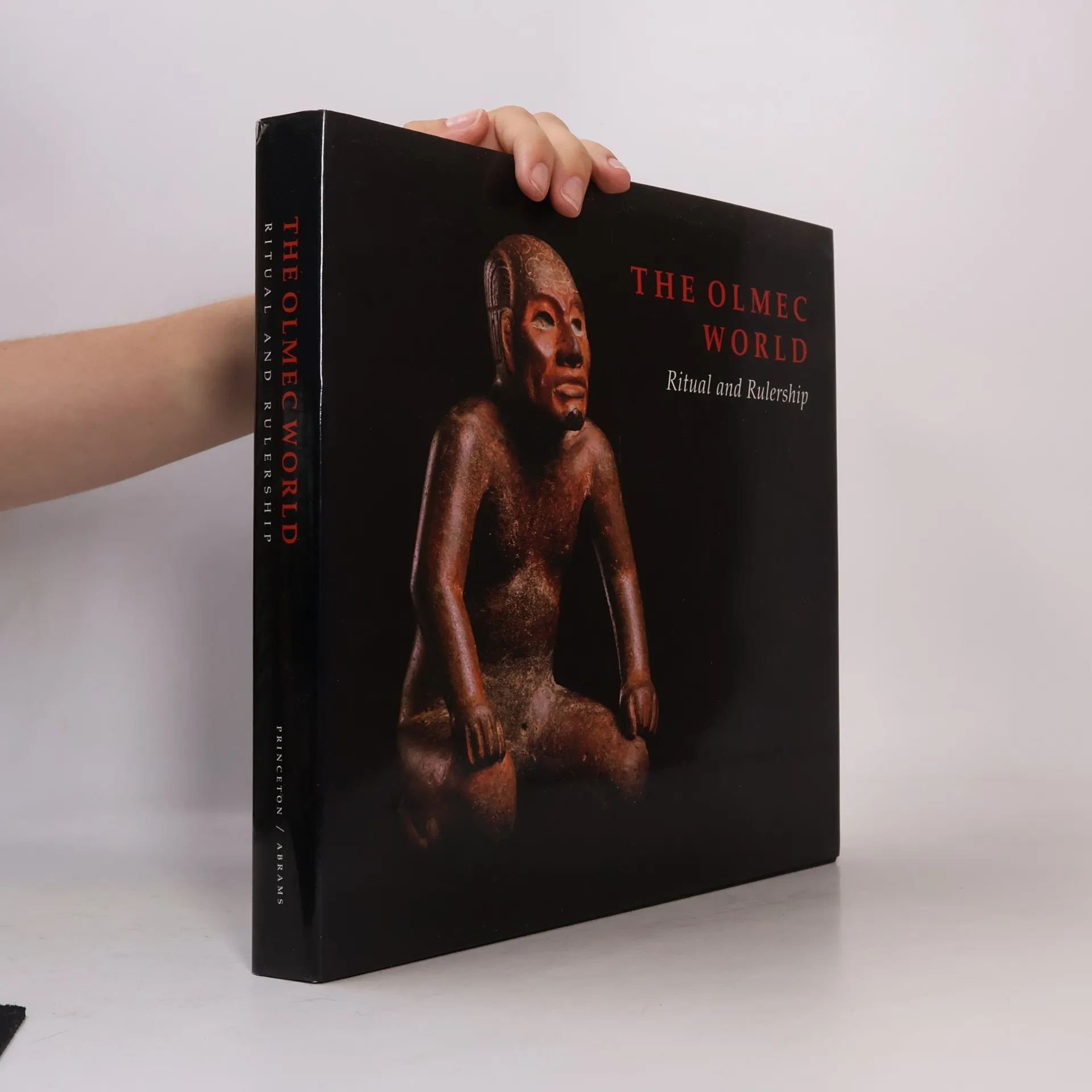
Between 1400 and 400 BC, in what is now Mexico and Central America, the Olmec people created a magnificent culture, one too often overshadowed by those of the Maya and the Aztec. This catalogue accompanies an exhibition of over 250 Olmec works of art - ceramic, jade and stone - on display at the Art Museum, Princeton University in December 1995, and travelling to the Museum of Fine Arts, Houston. Essays by prominent scholars offer interpretations of such topics as the power of objects within the context of the Olmec ritual system. These identify and illustrate the fundamental themes of Olmec small-scale sculpture, the sacred role of the maize in Olmec ideology, and the relationship of Olmec culture to later civilizations. An illustrated glossary of motifs and symbols is provided to clarify the often highly abstract style and encoded iconography of the Olmec. The book also includes precise mineralogical descriptions of the lithic materials they used.
Storia e segreti di una civiltà scomparsa
Il libro «I Maya» è considerato da tempo la migliore introduzione generale al più grande antico civiltà del Nuovo Mondo. Il professor Coe getta nuova luce sulla Periodo Preclassico, analizzando l'ascesa di città come Nakbé ed El Mirador durante il primo millennio a.C. Il capitolo sulla Periodo Classico Tardivo si riferisce al sovraffollamento e alla deforestazione, considerandoli, sulla base delle testimonianze, le principali cause del catastrofico crollo dei Maya della regione meridionale nel IX secolo d.C. Tuttavia, il centro dell'interesse del libro rimane la gloriosa Periodo Classico, con la sua maestosa arte e architettura. Vengono coperte completamente le nuove scoperte nei siti archeologici del Periodo Classico, come Copán e Dos Pilas, così come le innovazioni nel campo dell'epigrafia, che continuano a gettare nuova luce sulla storia dinastica e sulla cosmologia dei Maya. La civiltà dei Maya può essere crollata più di mille anni fa, ma la cultura dei Maya rimane viva. In un capitolo finale, il professor Coe rende omaggio ai sei milioni di Maya moderni, custodi di tante antiche tradizioni, il cui lungo combattimento contro le persecuzioni e l'estinzione continua fino ad oggi.