Gratisversand in ganz Deutschland!
Bookbot

Jay Liebowitz

    Developing Informed Intuition for Decision-Making
    Achieving Digital Transformation Through Analytics and AI
    Building Organizational Intelligence
    DIGITAL TRANSFORMATION FOR THE UNIVERSITY OF THE FUTURE
    Business Analytics
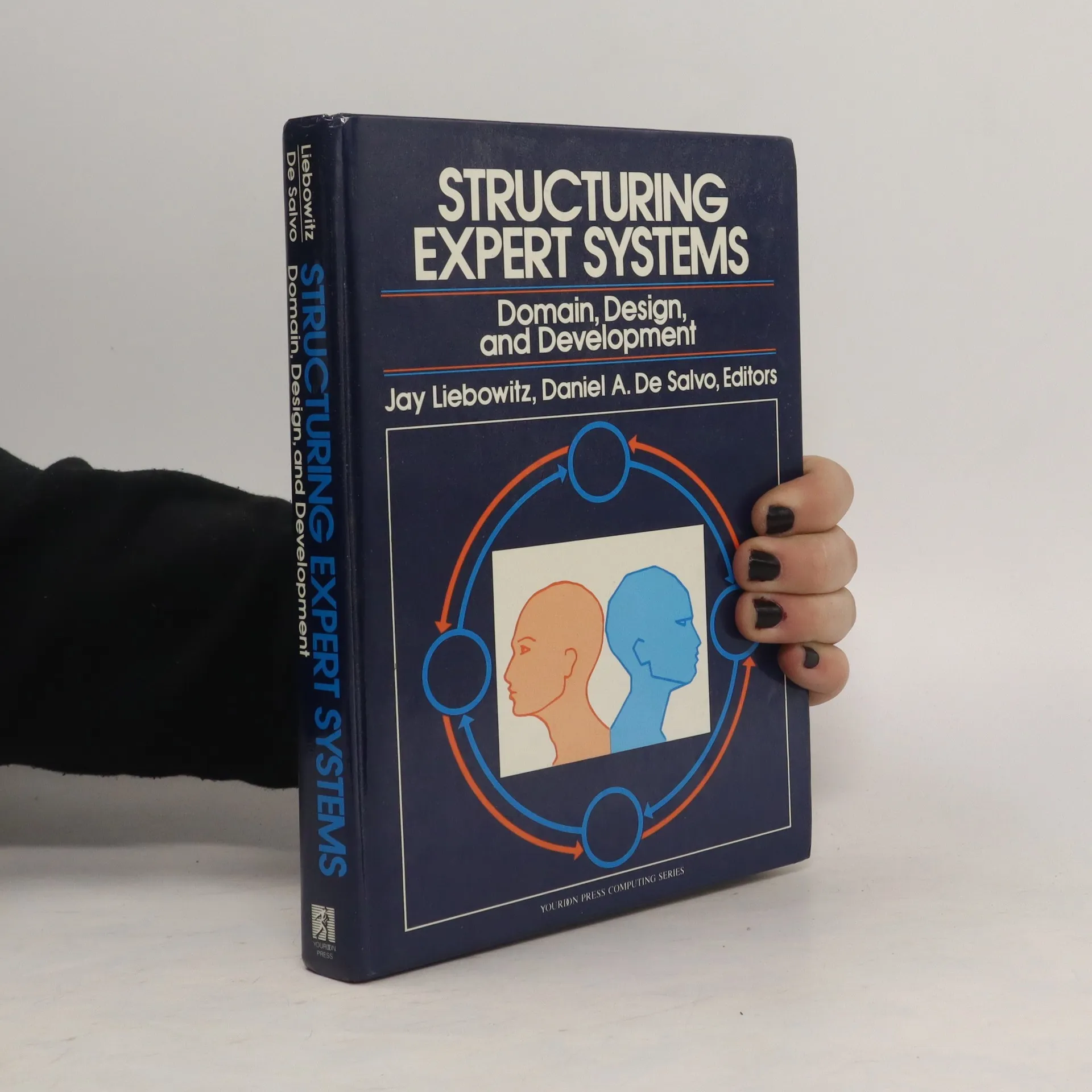
    Structuring Expert Systems
    • Business Analytics

      • 276 Seiten
      • 10 Lesestunden
      3,8(5)Abgeben

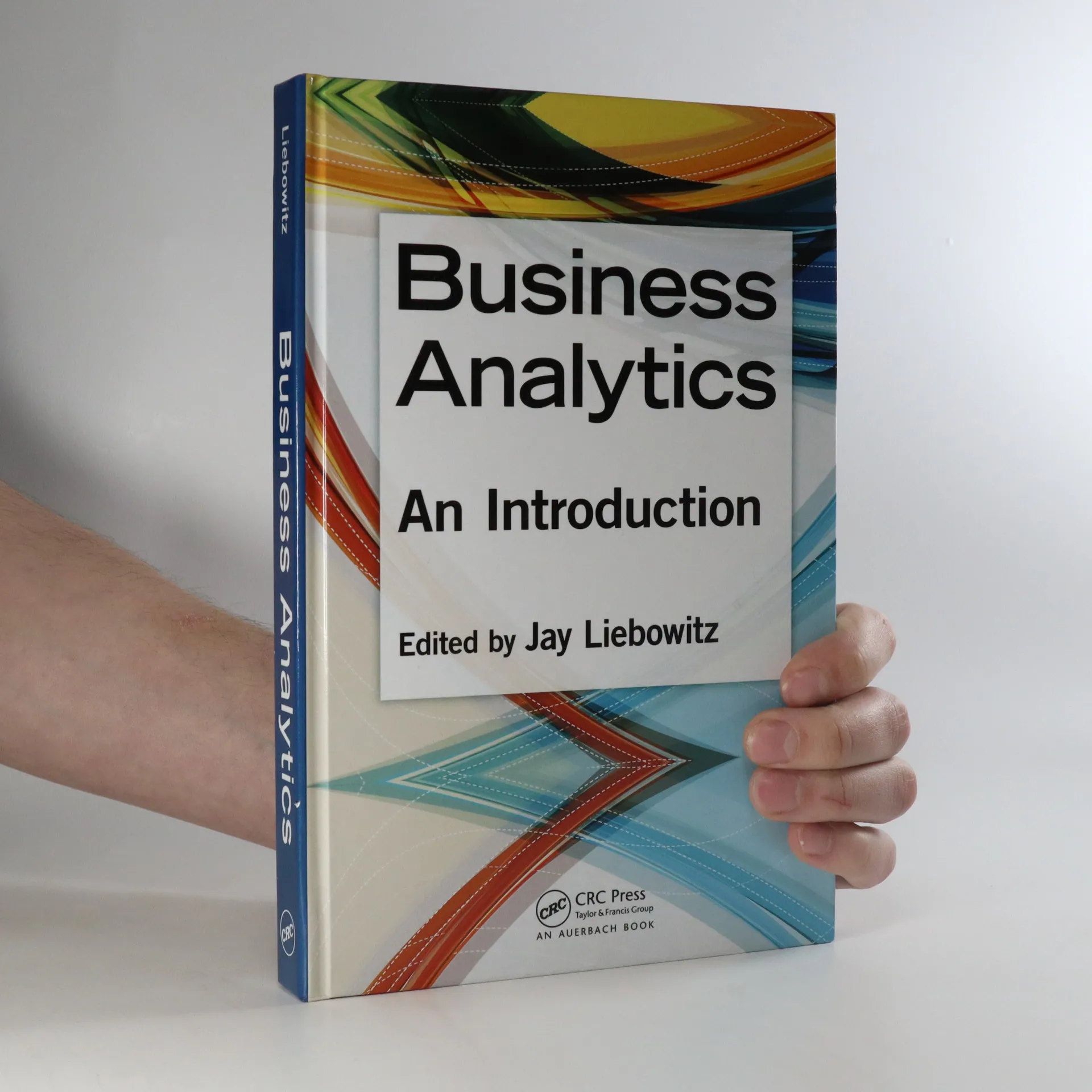
      Together, Big Data, high-performance computing, and complex environments create unprecedented opportunities for organizations to generate game-changing insights that are based on hard data. Business Analytics: An Introduction explains how to use business analytics to sort through an ever-increasing amount of data and improve the decision-making capabilities of an organization. Covering the key areas of business analytics, the book explores the concepts, techniques, applications, and emerging trends that professionals across a wide range of industries need to be aware of. Better detection of fraud through visual analytics or better prediction of the likelihood of someone getting an infection while in the hospital are just a few examples of where analytics can play a positive role. As the field of business analytics continues to emerge rapidly, there is a need for a reliable textbook and reference on the subject. Filling this need, this book is suitable for graduate-level students and undergraduate seniors. It maintains a focus on only the key areas so the material can be covered adequately in a one-semester or one-quarter course. Each chapter includes software-generic exercises, labs, and associated answers to the exercises/labs. Author Jay Liebowitz recently had an article published in The World Financial Review. www.worldfinancialreview.com/?p=1904

      Business Analytics
    • The book explores the critical role of digital transformation in higher education, particularly in response to the COVID-19 pandemic. It examines how universities that effectively embraced technology and adapted their operations thrived, while others struggled. Key aspects discussed include the necessary technologies, processes, cultural shifts, and leadership strategies essential for institutions to succeed in a rapidly changing educational landscape. This insightful analysis provides a roadmap for universities aiming to thrive in the future.

      DIGITAL TRANSFORMATION FOR THE UNIVERSITY OF THE FUTURE
    • Focusing on the crucial need for effective knowledge management, this book provides a comprehensive overview of innovative methods for creating, organizing, and retrieving knowledge within organizations. Jay Liebowitz explores concepts that enhance organizational intelligence, offering practical insights and strategies. It serves as an essential guide for leaders and professionals aiming to improve knowledge management practices, ensuring that organizations can thrive in a competitive environment.

      Building Organizational Intelligence
    • Focusing on the intersection of Analytics, AI, and digital transformation, this book addresses the challenges and opportunities presented by the rapid growth of data in organizations. Amid the GenAI trend, it explores critical topics like prompt engineering, large language models, and AI ethics. Featuring contributions from global experts in AI implementation and business innovation, the volume provides insights into leveraging data to enhance organizational strategies and navigate the complexities of digital transformation.

      Achieving Digital Transformation Through Analytics and AI
    • Focusing on the development of key traits essential for becoming an "informed intuitant," the book offers insights through case studies and examples of individuals who exemplify this concept. It highlights the importance of intuitive awareness in achieving success, providing practical guidance for readers seeking to enhance their own intuition and decision-making abilities.

      Developing Informed Intuition for Decision-Making
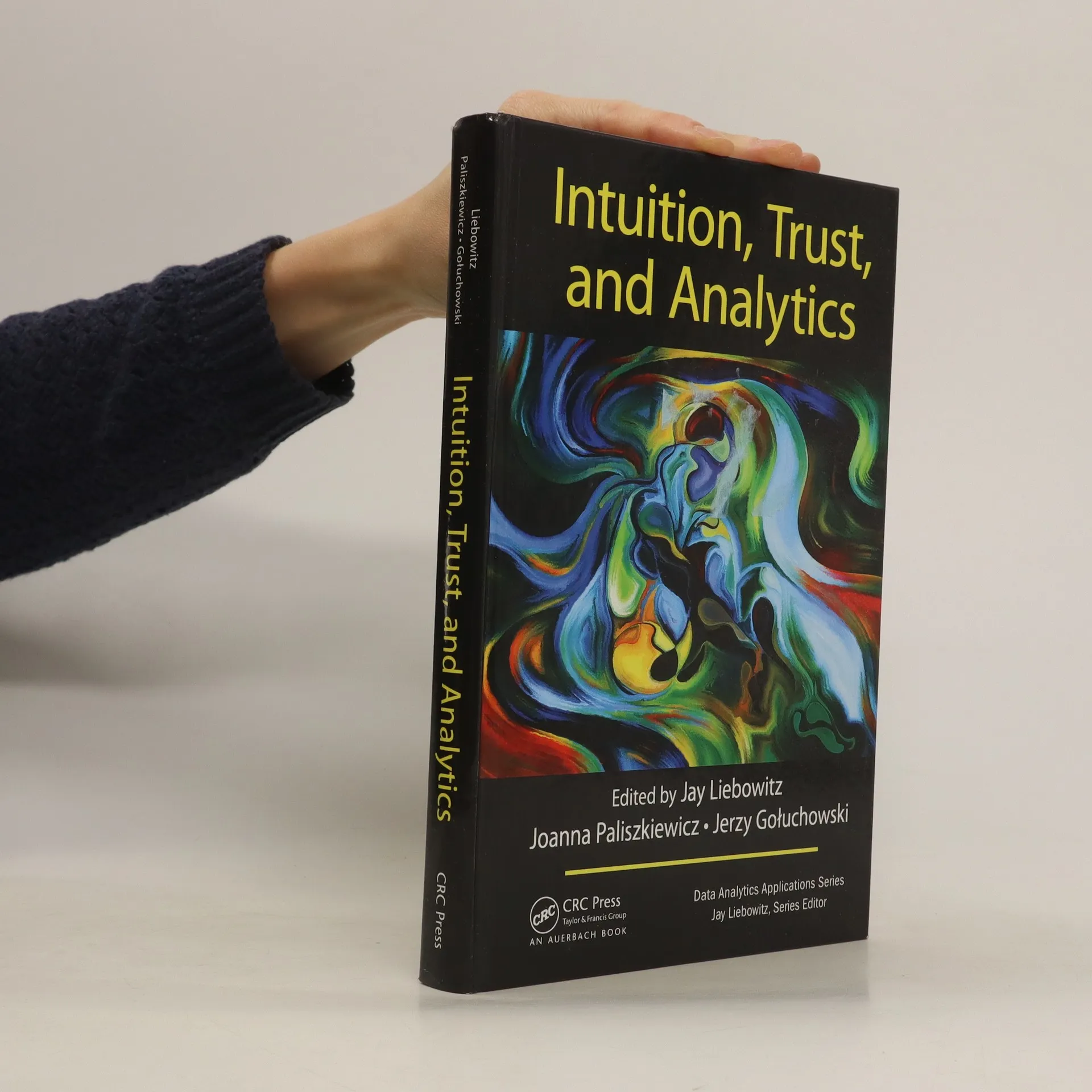
    • In order to make informed decisions, there are three important elements: intuition, trust, and analytics. Intuition is based on experiential learning and recent research has shown that those who rely on their "gut feelings" may do better than those who don't. Analytics, however, are important in a data-driven environment to also inform decision making. The third element, trust, is critical for knowledge sharing to take place. These three elements--intuition, analytics, and trust--make a perfect combination for decision making. This book gathers leading researchers who explore the role of these three elements in the process of decision-making.

      Intuition, Trust, and Analytics