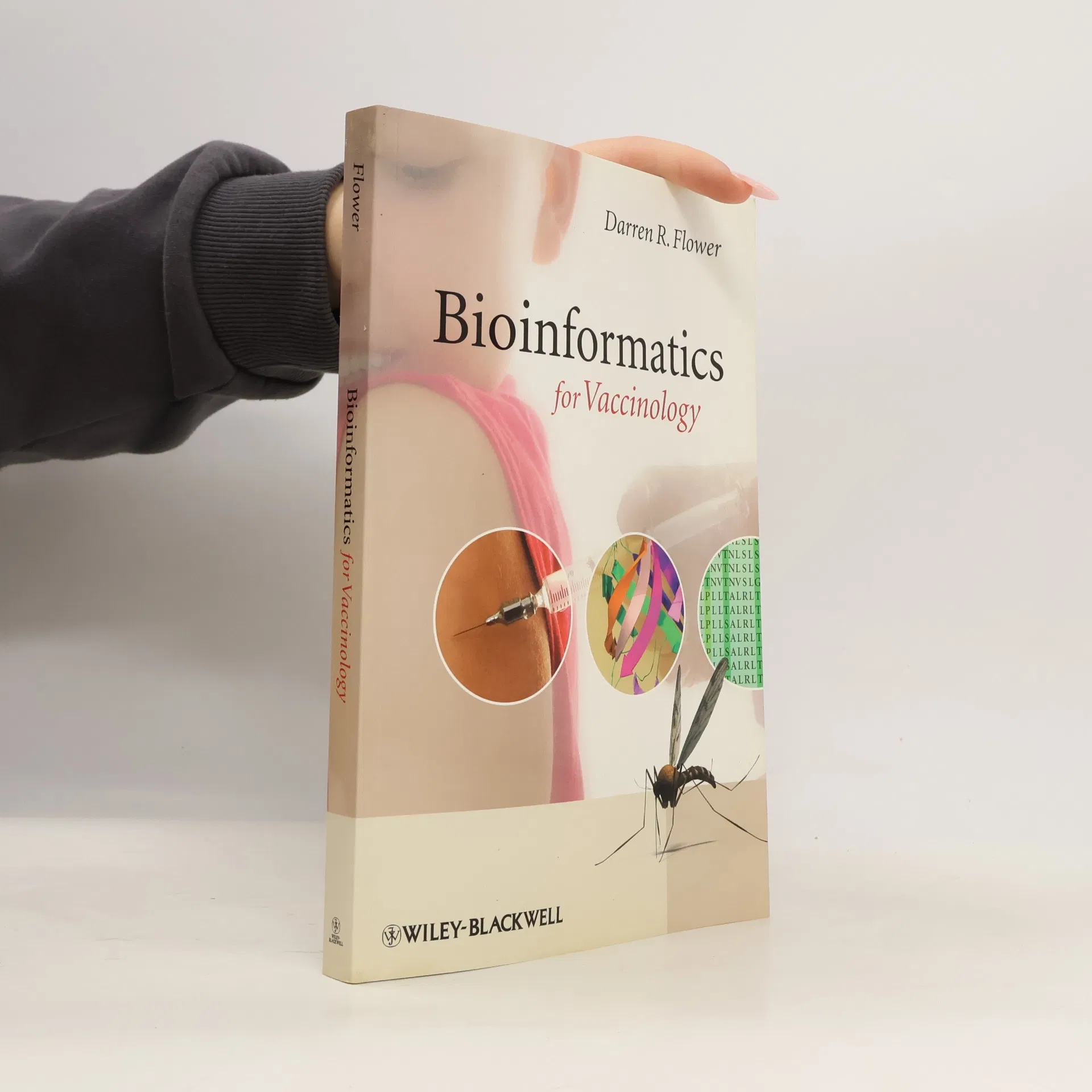
This volume both engages the reader and provides a sound foundation for the use of immunoinformatics techniques in immunology and vaccinology. It addresses databases, HLA supertypes, MCH binding, and other properties of immune systems. The book contains chapters written by leaders in the field and provides a firm background for anyone working in immunoinformatics in one easy-to-use, insightful volume.
This book is a comprehensive resource written by a dedicated expert in computational biology for vaccine design. It effectively covers a wide range of topics, showcasing the author's command over diverse fields, from object-oriented databases to T cell response regulation. The work strikes an ideal balance between breadth and depth, enhancing its readability and making it both engaging and practical.
While many textbooks touch on vaccinology, few integrate historical vaccine descriptions, basic bioinformatics, computational challenges, experimental methodologies, and cutting-edge technologies. This book serves as a vital reference for biologists and computer scientists alike. Vaccines have historically saved countless lives, eradicating diseases like smallpox and significantly reducing others. With the rise of new diseases and biological warfare threats, vaccination has regained prominence in public health discussions.
The field of vaccinology now leverages powerful post-genomic approaches, particularly the application of computational informatics to vaccine discovery. The surge in genome data and affordable computing has positioned bioinformatics at the forefront of vaccine research. This book is the first to focus on bioinformatics in rational vaccine design, illustrating its potential to enhance vaccine development. It is an essential introduction to computational vaccinology, appealing to bioinformaticians interested in