

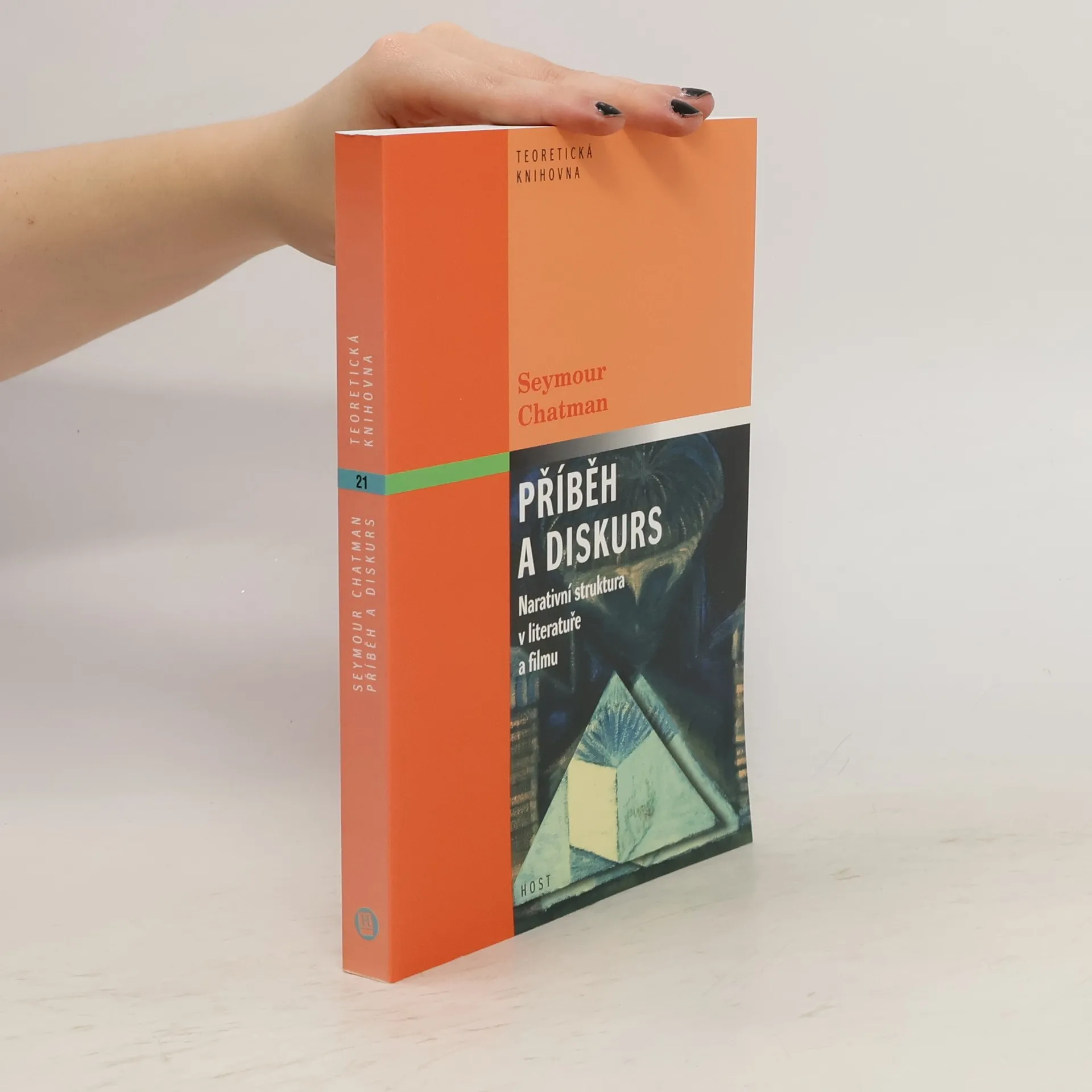
Narativní struktura v literatuře a filmu. Kniha Příběh a diskurs vyšla poprvé v roce 1978. Autor se v ní pokusil zmapovat a s přihlédnutím k americké tradici (Wayne Booth, Dorrit Cohnová aj.) tvůrčím způsobem rozvinout dosavadní produkci francouzského literárněvědného strukturalismu. Ačkoli v centru Chatmanovy pozornosti zůstává literatura, jeho cílem je předložit teorii fikčního narativu platnou napříč médii. Určující pro Chatmanovo uvažování je přitom vztah dvou základních složek narativu – příběhu a diskursu –, jejichž interakce generuje význam narativního díla. Během uplynulých třiceti let se práce Příběh a diskurs stala v USA i jinde základní naratologickou příručkou. Její trvající popularitu, za niž vděčí také jasnosti a srozumitelnosti autorova výkladu, dokládá fakt, že byla od konce sedmdesátých let přeložena již do několika jazyků.
Seymour Chatman Reihenfolge der Bücher (Chronologisch)


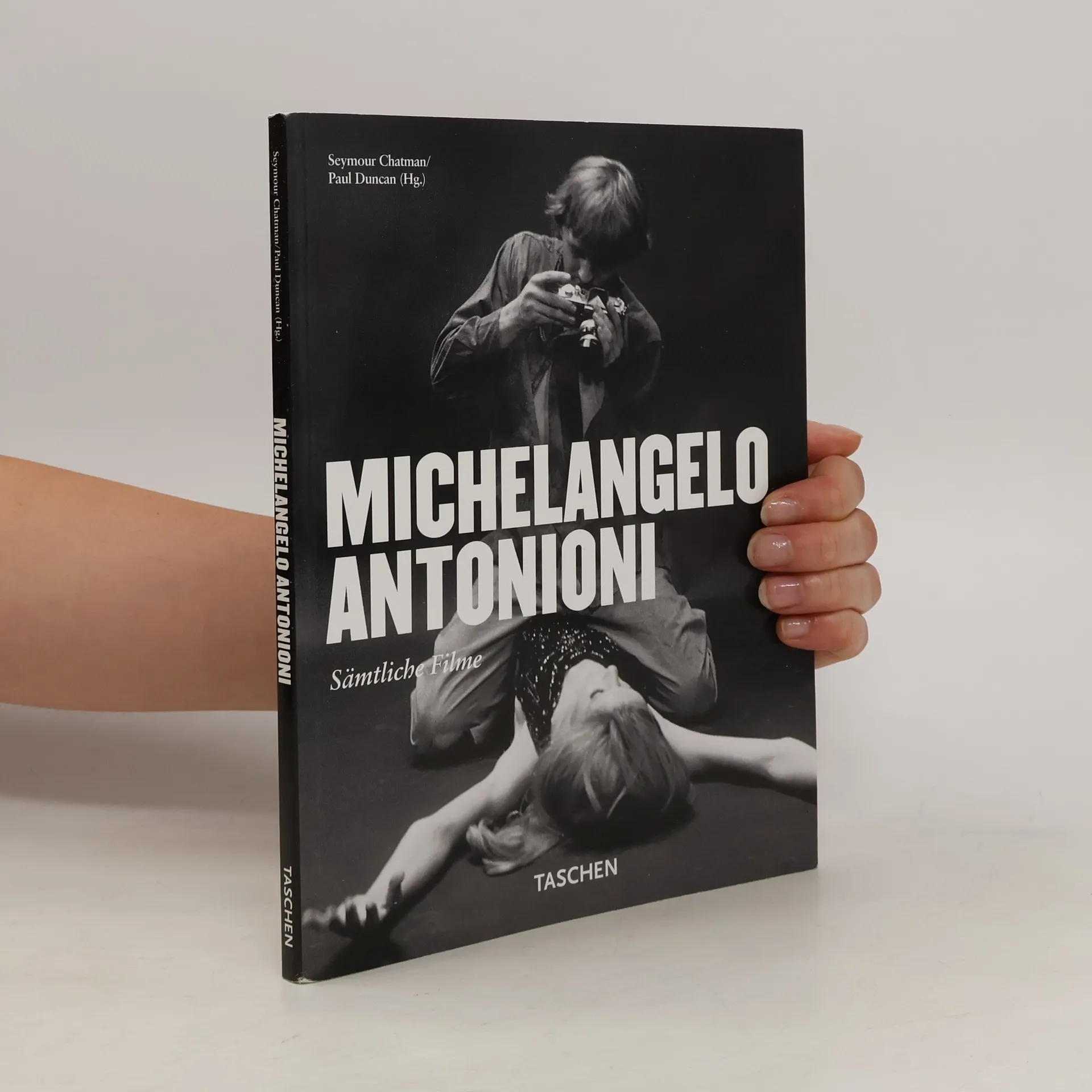
Michelangelo Antonioni
- 96 Seiten
- 4 Lesestunden
Mit L'avventura, La notte und L'eclisse sowie Il deserto rosso verwirrt er uns - und bricht unsere Herzen. Mit Red Desert, seinem ersten Farbfilm, verwischt er die Grenzen zwischen Kunst, Kino und Fotografie. Mit Blow-Up, Zabriskie Point, The Passenger und The Identification of a Woman festigt der Altmeister des Films seinen Ruf als wohl innovativster Filmemacher seiner Generation. Bereits 1966 für zwei Oscars nominiert, erhielt der Kultregisseur erst 1994 für sein Lebenswerk die begehrte Trophäe.
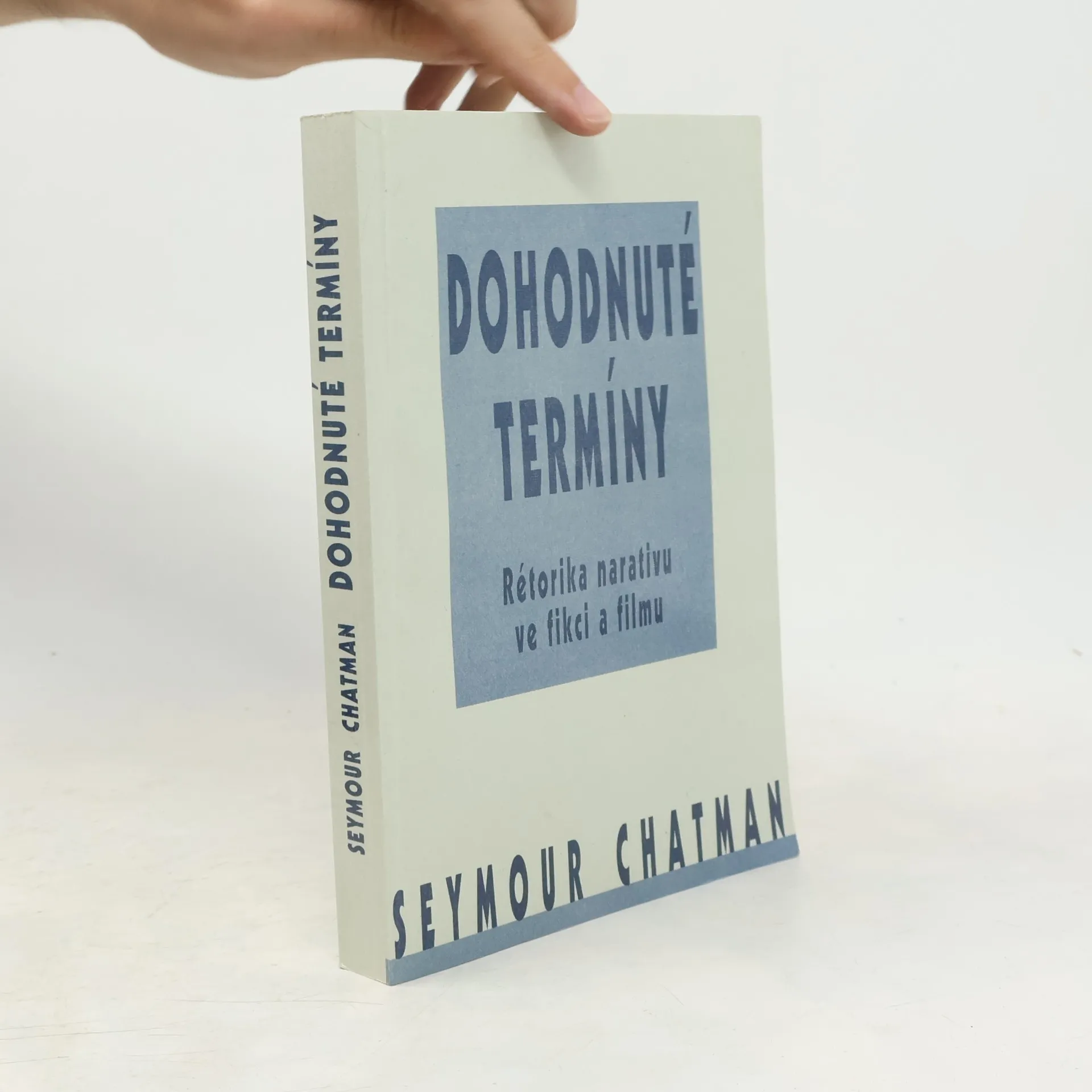
Dohodnuté termíny. Rétorika narativu ve fikci a filmu
- 259 Seiten
- 10 Lesestunden
Kniha se soustřeďuje na termíny naratologie a na termíny teorie textu obecně. Vznikala během roku 1999 a jednotlivá témata byla prezentována na letním semináři NEH o narativu ve fikci a filmu.
Reading Narrative Fiction
- 638 Seiten
- 23 Lesestunden
This short fiction anthology offers a more precise and extensive treatment of narrative technique than other books of its kind. Targeting the needs and interests of today's readers, the author uses down-to-earth language and builds on readers' familiarity with narrative devices in film, television, and other popular media to teach this new approach to literary analysis. While offering more technical depth, Chatman never overwhelms. He provides unusually clear and exact definitions of such terms as "characterization" and "point-of- view", along with many illustrations of how these techniques actually operate in short stories. His explanations and examples enable readers to read narratives with a new awareness of how they are constructed.