Tarkovsky's diaries were widely reviewed and considered to be a valuable
addition to his work. The diaries cover his film-making in the Soviet Union
and the increasing difficulties he encountered there followed by his exile in
Europe. The diaries are both professional and personal.
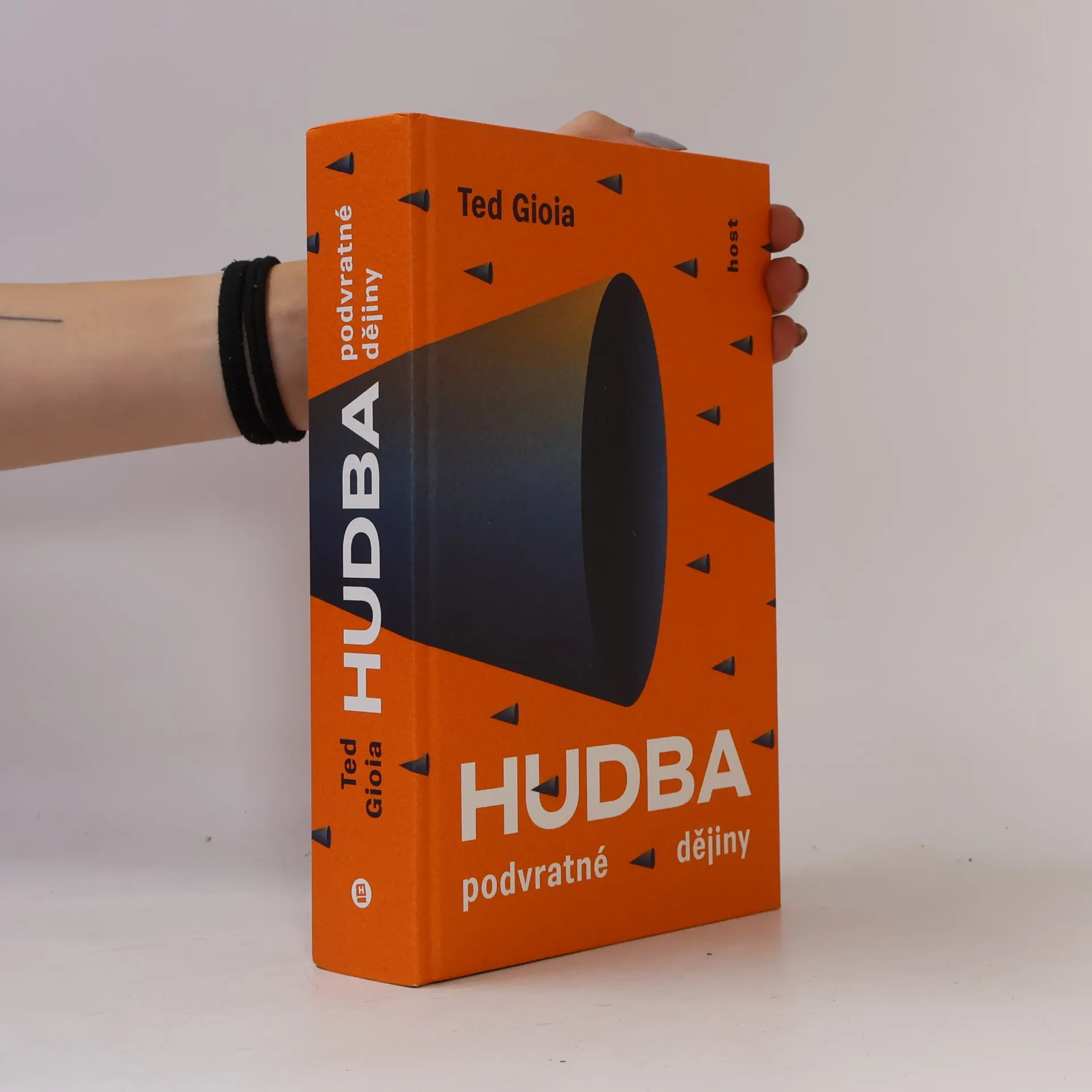
Dějiny možná píšou vítězové. Muziku však mají na svědomí rebelové.
Pro většinu lidí jsou dějiny hudby pouze matným pojmem ze školních učebnic, s nímž má jejich vlastní posluchačský zájem jen málo společného. Pestrému dvacátému století předcházejí portréty vážných skladatelů a napudrovaných paruk. Dál do minulosti už je jen doba chorálů, lidových písní, louten a temna. Archeologické nálezy a historické zkoumání však ukazují, že hudba člověka provází od počátku lidstva: písně byly důležitou součástí lovu i duchovního života, šumění lučních trav znělo jako koncert. Proč se tedy z dějin hudby staly nudné zástupy úspěšných mužů?
Hudební historik a kritik Ted Gioia ve své odvážné knize tvrdí, že to je dáno obecně revolučními možnostmi hudby. Společnost musela nejdříve rebely potlačit a až následně jejich inovace zpracovala do krotkého hudebního kánonu. Vyprávět dějiny hudby proto pro Gioiu znamená vyprávět příběhy odpadlíků a podivínů, kteří hledali nové způsoby, jak, kde a pro koho vyluzovat zvuky či jen poslouchat.
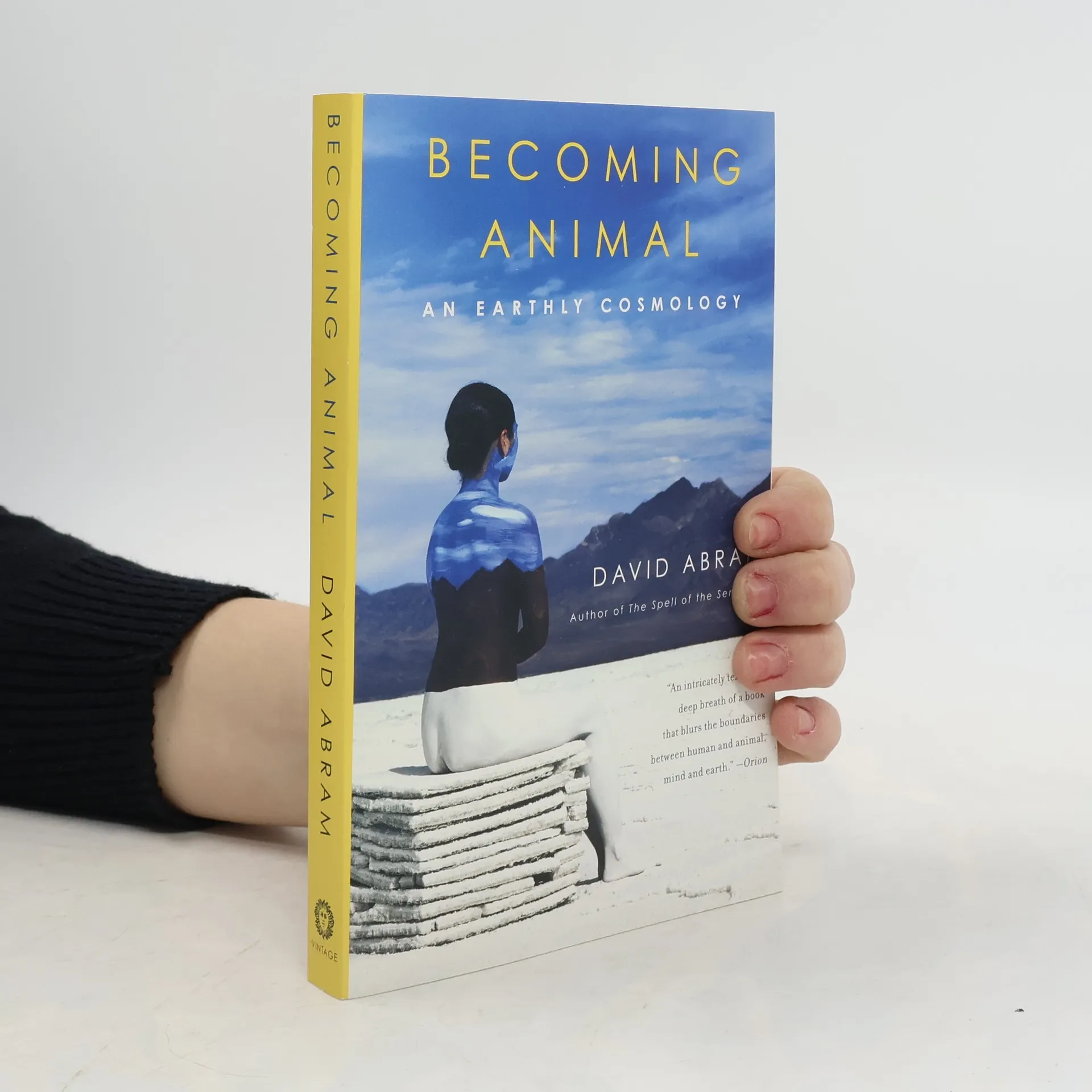
Between humanity and nature, there is no barrier, boundary, or difference. We are the same. We have just forgotten it. It is a common habit of Western culture to speak and write about the body, nature, or the physical world as something external, separate from human experience and thought. This separation has also made it possible to transform almost everything living and non-living into resources, bringing the planet to the brink of collapse. Therefore, to confront environmental problems, we cannot only address the consequences of human actions; we must also focus on the mental and cultural patterns that precede them. Philosopher David Abram presents such a transformation of thought in his remarkable book, Becoming Animal. However, this is not an intellectual transformation, but a physical one. Abram situates the human mind back to where it fled centuries ago, back to the earth, among stones and bird calls, into the immediate experience of the tangible world. He returns people among wildlife and animals back into humanity.
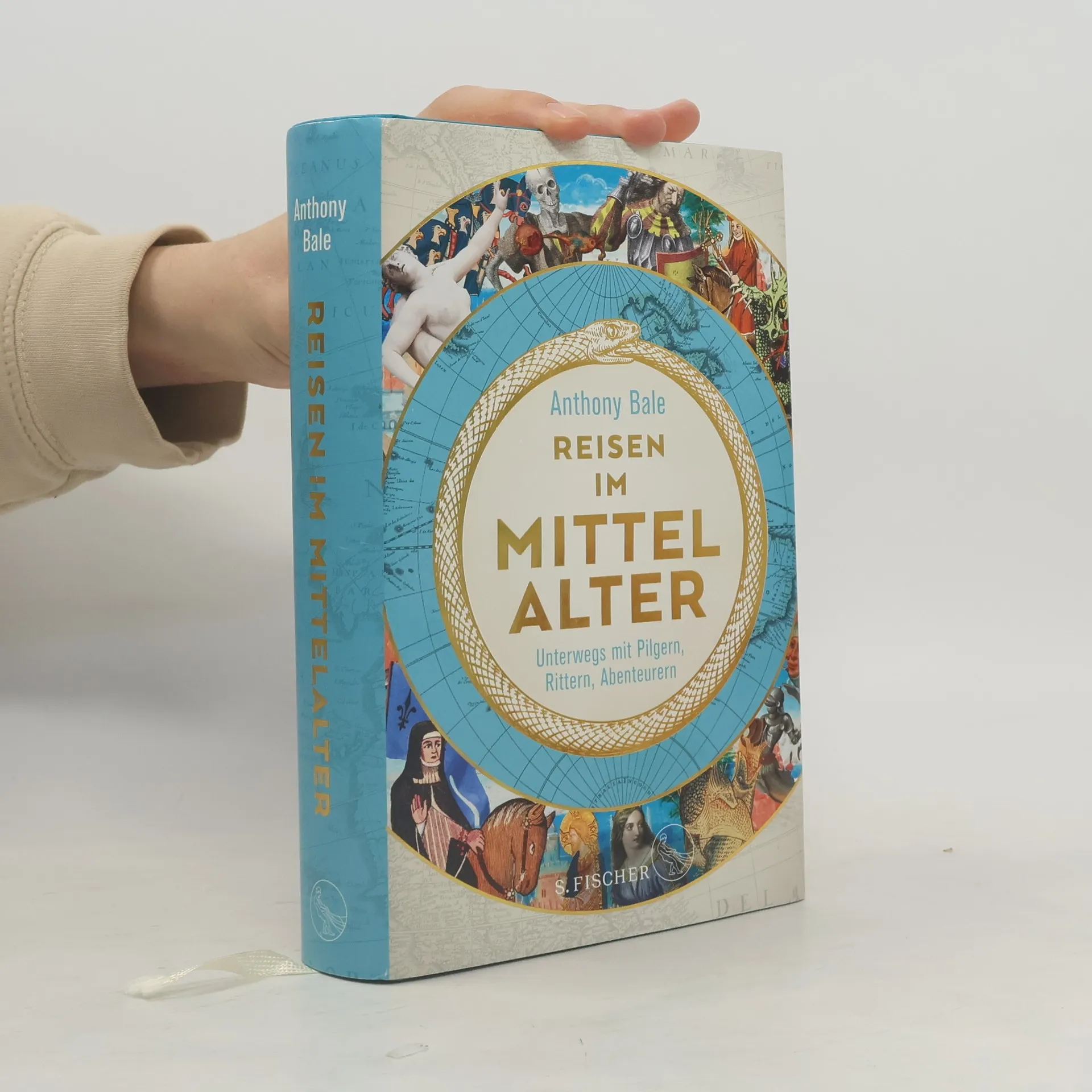
Období středověku bylo pro cestovatele a cestovatelky obdobím hledání informací, které jsou relevantní i dnes: kde se dobře najíst a vyspat, kolik zaplatit, jak se léčit v cizí zemi a jak se nenechat napálit. Anthony Bale na základě historických dokumentů o cestování vytváří neobvyklý obraz středověku jako světa plného pohybu a překvapivě rozvinuté turistické infrastruktury. Rozmanité cesty do Říma, Pekingu, Jeruzaléma či na tabrízské bazary ilustrují, jak středověcí Evropané často mylně chápali širší svět a jak se Evropa jevila návštěvníkům z daleka.
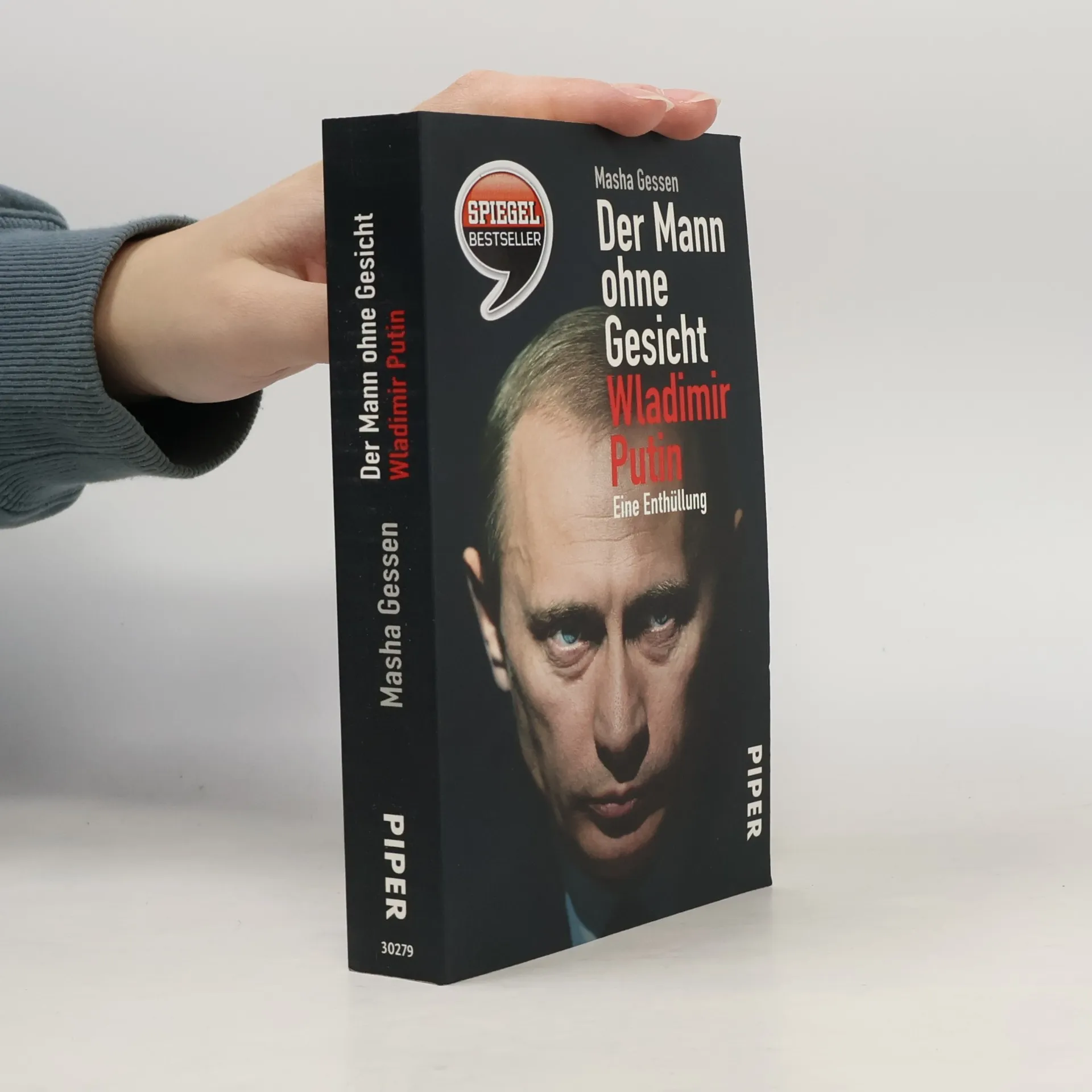
Wladimir Putin hat mit Hilfe einer kleinen, aber mächtigen Gruppe des russischen Geheimdienstes KGB, alten kommunistischen Potentaten und neureichen Oligarchen eines der größten Länder der Erde in eine Diktatur zurückverwandelt. Masha Gessen entlarvt den unscheinbaren Mann ohne Gesicht als das, was er wirklich ist: ein skrupelloser Machthaber, umgeben von Korruption und Terror.
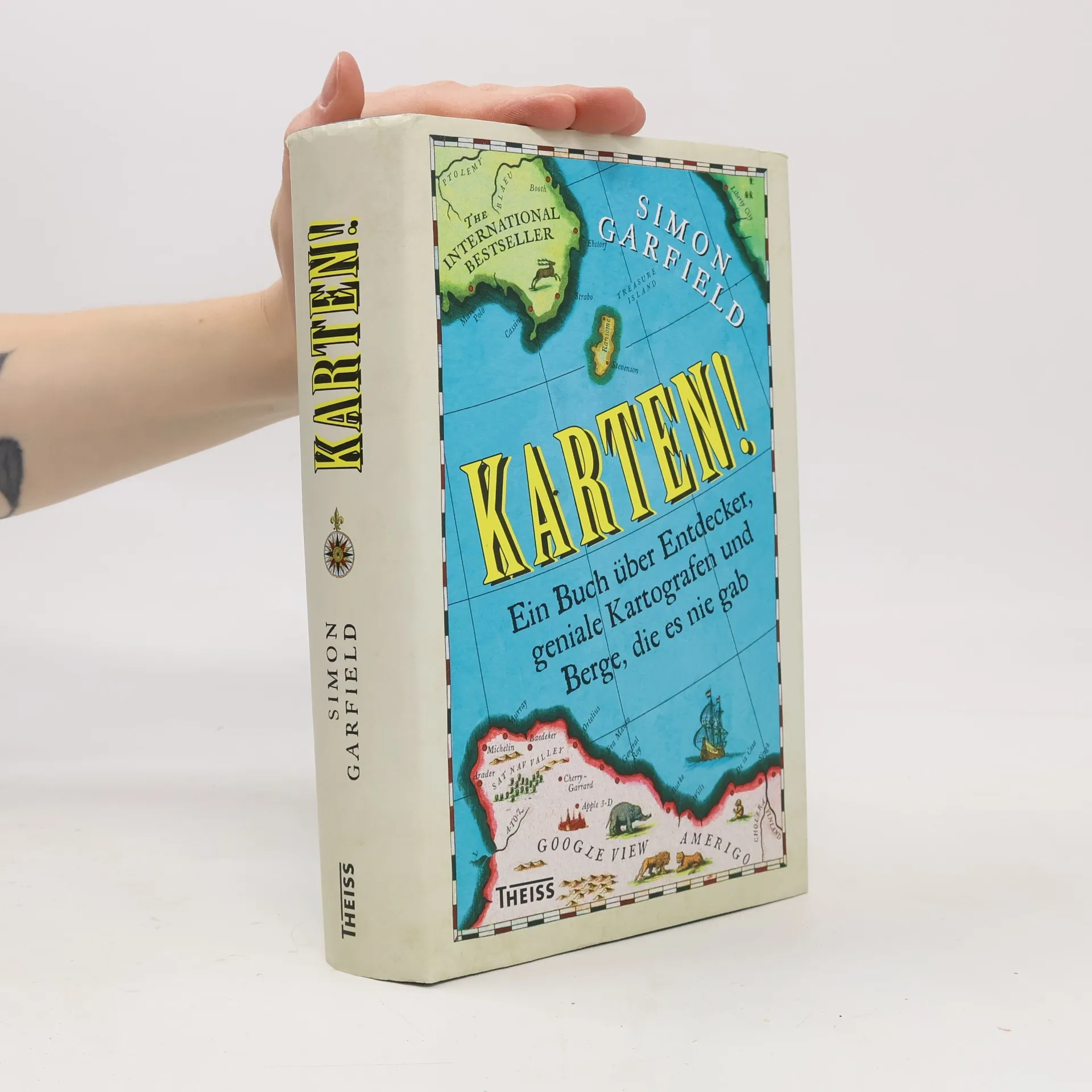
Es war einmal, da drehte sich alles um die Erde – so dachten die Menschen, bis die Astronomen sie eines Besseren belehrten. Jerusalem stand damals im Zentrum jeder Karte, oder Youzhou, wenn wir in China gelebt hätten. Und heute stehen wir im Zentrum unserer eigenen Welt. Auf unseren Navigationsgeräten planen wir nicht etwa eine Route von A nach B: Jede Entfernung misst sich von dem Punkt an, an dem wir gerade stehen. Wie konnte es nur so weit kommen? Mit einem Blick in die Geschichte gibt Simon Garfield die Antwort − anekdotenreich, persönlich und unglaublich unterhaltsam. Von den alten Griechen bis zu Google Maps erzählt das Buch die Geschichte der Kartografie. Dabei hat es immer die menschliche Seite hinter den Karten im Blick. So erfahren wir, warum Amerika nach dem Falschen benannt wurde, wie der größte kartografische Schatz Britanniens dazu verwendet wurde, ein undichtes Dach zu reparieren, oder auch weshalb Computerspiele die Zukunft der Kartografie sein könnten.
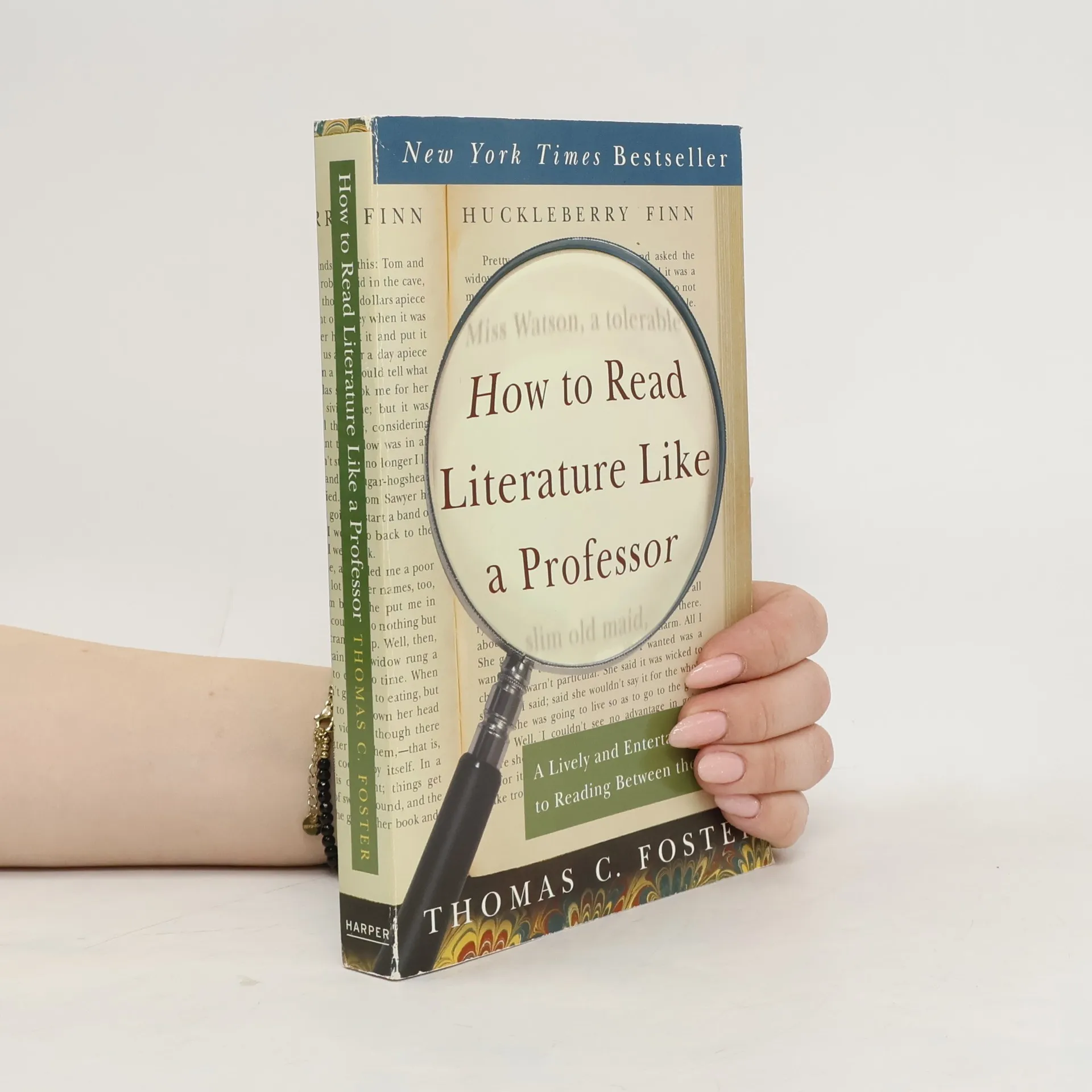
While many books can be enjoyed for their basic stories, there are often deeper meanings interwoven in these literary texts...How to Read Literature Like a Professor helps us to discover those hidden truths by looking at literature with the eyes—and the literary codes—of the ultimate professional reader: the college professor.What does it mean when a fictional hero takes a journey? Shares a meal? Gets drenched in a sudden rain shower? Often, there is much more going on in a novel or poem than is readily visible on the surface – a symbol, maybe, that remains elusive, or an unexpected twist on a character – and there's that sneaking suspicion that the deeper meaning of a literary text keeps escaping you.In this practical and amusing guide to literature, Thomas C. Foster shows how easy and gratifying it is to unlock those hidden truths, and to discover a world where a road leads to a quest; a shared meal may signify a communion; and rain, whether cleansing or destructive, is never just rain. Ranging from major themes to literary models, narrative devices and form, How to Read Like a Professor is the perfect companion for making your reading experience more enriching, satisfying and fun.
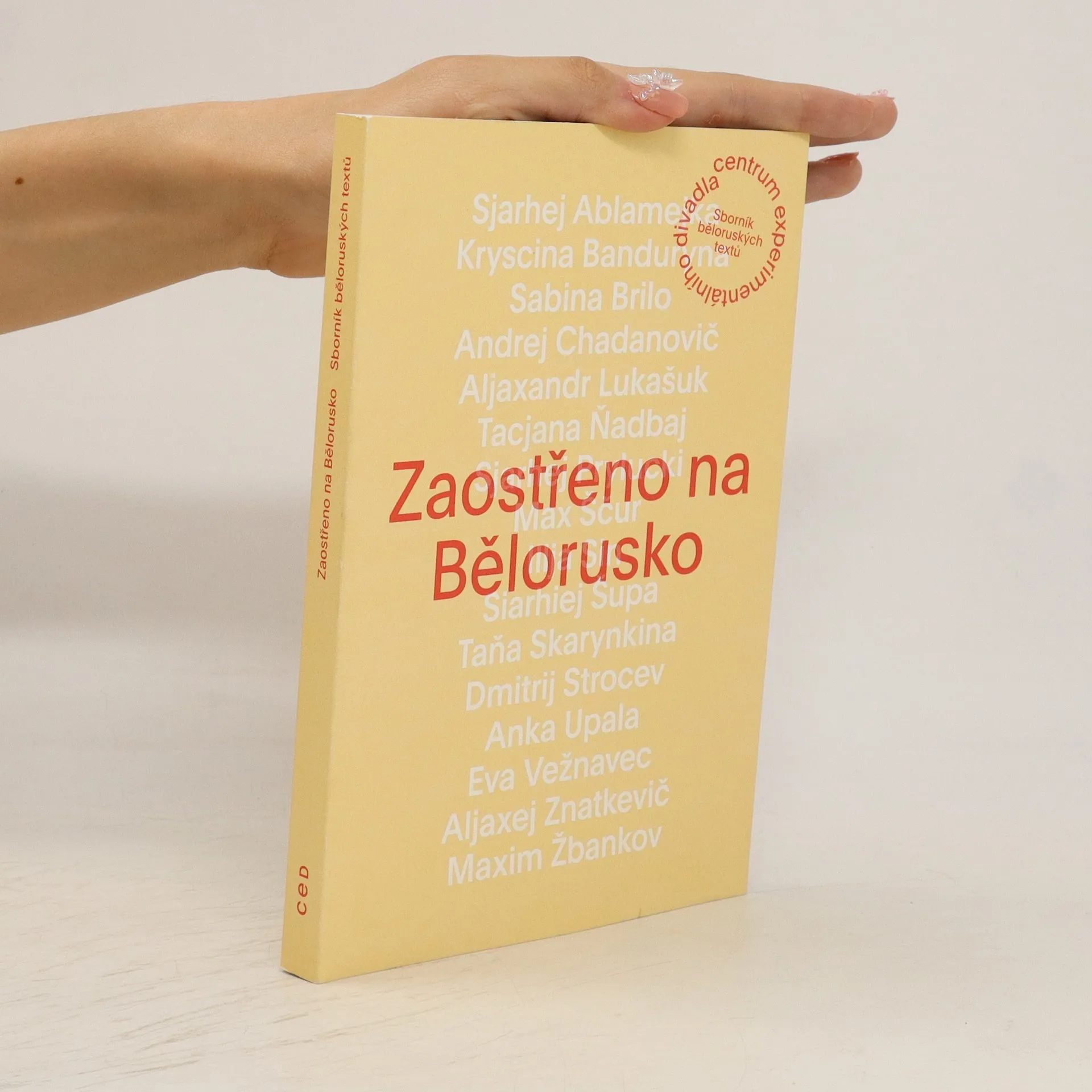
Sborník textů sedmnácti běloruských autorů, který je součástí projektu Zaostřeno na Bělorusko, realizovaného v průběhu mezinárodního knižního veletrhu Svět knihy v Praze roku 2021.Projekt i tato kniha si kladou za cíl přiblížit a informovat o nelehkém postavení předních představitelůsoučasné běloruské literatury, kteří z politických důvodů nemohou ve své zemi publikovat. Pro českého čtenáře se tak tento sborník stává příležitostí, aby se alespoň rámcově seznámil s důležitými osobnostmi dnešního běloruského písemnictví, jejichž texty, zde ponejvíce prezentované jako ukázky z poezie a prozaické tvorby, se v této antologii objevují.