How Do You Fight a Horse-Sized Duck?
- 320 Seiten
- 12 Lesestunden
How to tackle the toughest interview questions Facebook, Amazon, Apple, Netflix and Google have to offer - and other perplexing problems to puzzle any mind!


William Poundstone schafft Sachbücher, die sich mit dem fesselnden Zusammenspiel von wissenschaftlichen Entdeckungen und ihren gesellschaftlichen sowie finanziellen Folgen auseinandersetzen. Seine weithin übersetzten Werke erforschen die Komplexität menschlichen Verhaltens und Entscheidungsprozesse mit scharfem Intellekt und aufschlussreicher Analyse. Poundstone ist für seinen eindringlichen Stil bekannt, der komplexe Konzepte einem breiten Lesepublikum zugänglich macht. Seine Schriften regen zum Nachdenken an und bieten neue Perspektiven auf die Welt.
How to tackle the toughest interview questions Facebook, Amazon, Apple, Netflix and Google have to offer - and other perplexing problems to puzzle any mind!
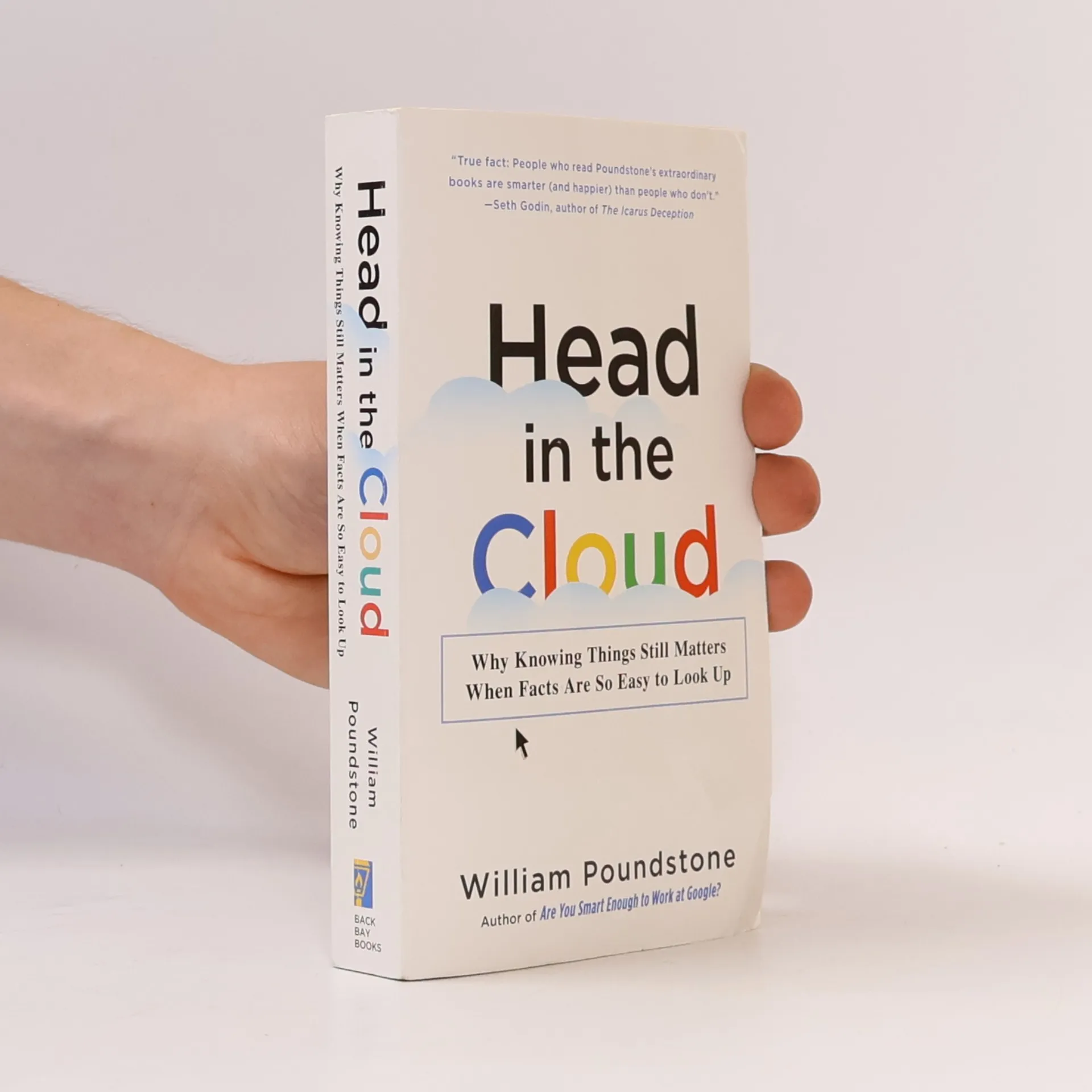
The real-world value of knowledge in the mobile-device age. More people know who Khloe Kardashian is than who Rene Descartes was. Most can't find Delaware on a map, correctly spell the word occurrence, or name the largest ocean on the planet. But how important is it to fill our heads with facts? A few keystrokes can summon almost any information in seconds. Why should we bother learning facts at all? Bestselling author William Poundstone confronts that timely question in HEAD IN THE CLOUD. He shows that many areas of knowledge correlate with the quality of our lives--wealth, health, and happiness--and even with politics and behavior. Combining Big Data survey techniques with eye-opening anecdotes, Poundstone examines what Americans know (and don't know) on topics ranging from quantum physics to pop culture. HEAD IN THE CLOUD asks why we're okay with spelling errors on menus but not on resumes; why Fox News viewers don't know which party controls Congress; why people who know "trivia" make more money than those who don't; how individuals can navigate clickbait and media spin to stay informed about what really matters. Hilarious, humbling, and wildly entertaining, HEAD IN THE CLOUD is a must-read for anyone who doesn't know everything.
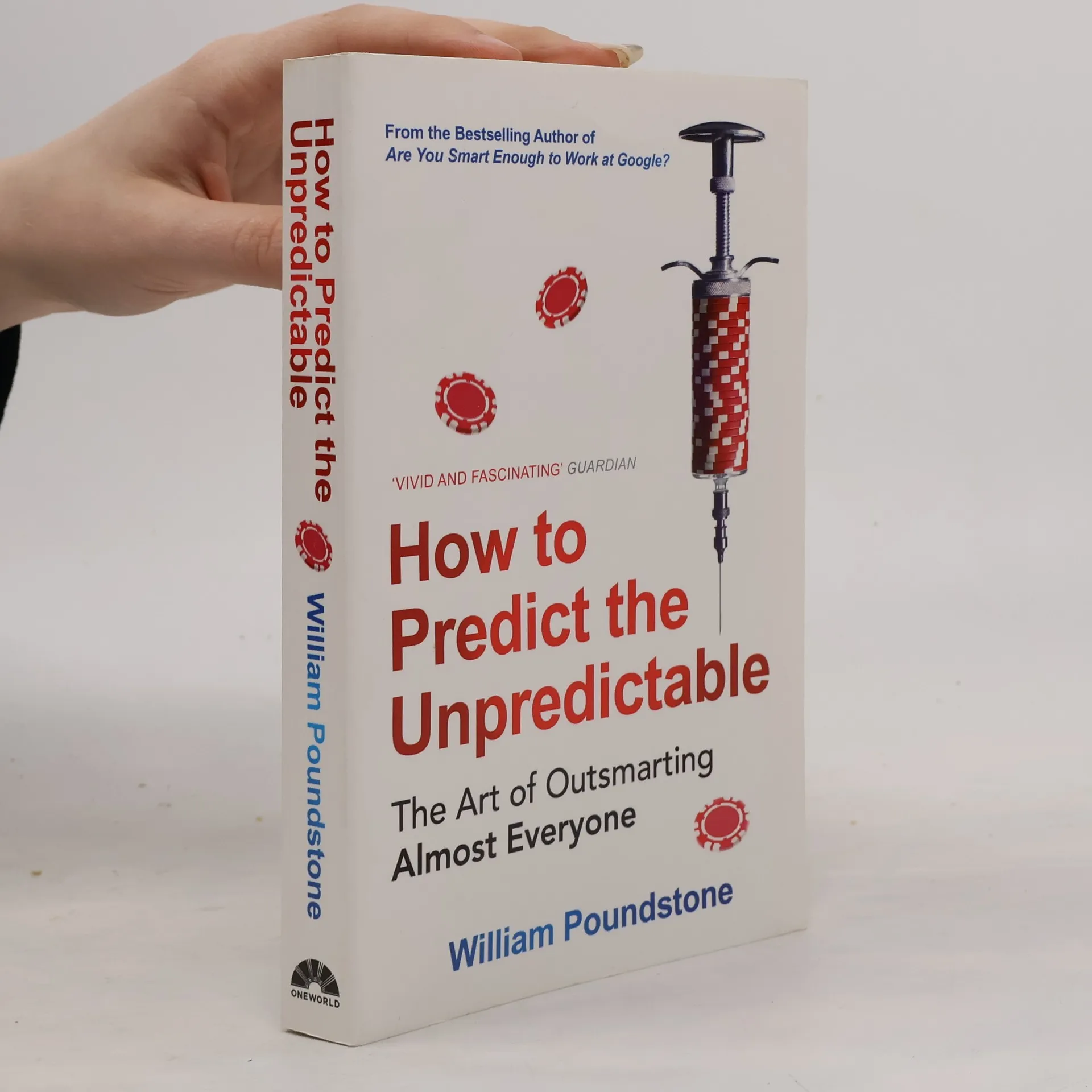
We are hard-wired to believe that the world is more predictable than it is. We chase 'winning streaks' that are often just illusions, and we are all too predictable exactly when we try hardest not to be. In the 1970s, Daniel Kahneman and Amos Tversky coined the phrase 'representativeness' to describe the psychology of this behaviour. Since then representativeness has been used by auditors to catch people fiddling their tax returns and by hedge fund managers to reap billions from the emotions of small investors. Now Poundstone for the first time makes these techniques fun, easy, and profitable for everyone, in the everyday situations that matter. You'll learn how to tackle multiple choice tests, what internet passwords to avoid, how to up your odds of winning the office Premier League sweepstakes, and the best ways to invest your money.
A practical guide to outguessing everything from multiple-choice tests to the office football pool to the stock market. People are predictable even when they try not to be. William Poundstone demonstrates how to turn this fact to personal advantage in scores of everyday situations, from playing the lottery to buying a home. ROCK BREAKS SCISSORS is mind-reading for real life. Will the next tennis serve go right or left? Will the market go up or down? Most people are poor at that kind of predicting. We are hard-wired to make bum bets on "trends" and "winning streaks" that are illusions. Yet ultimately we're all in the business of anticipating the actions of others. Poundstone reveals how to overcome the errors and improve the accuracy of your own outguessing. ROCK BREAKS SCISSORS is a hands-on guide to turning life's odds in your favor.
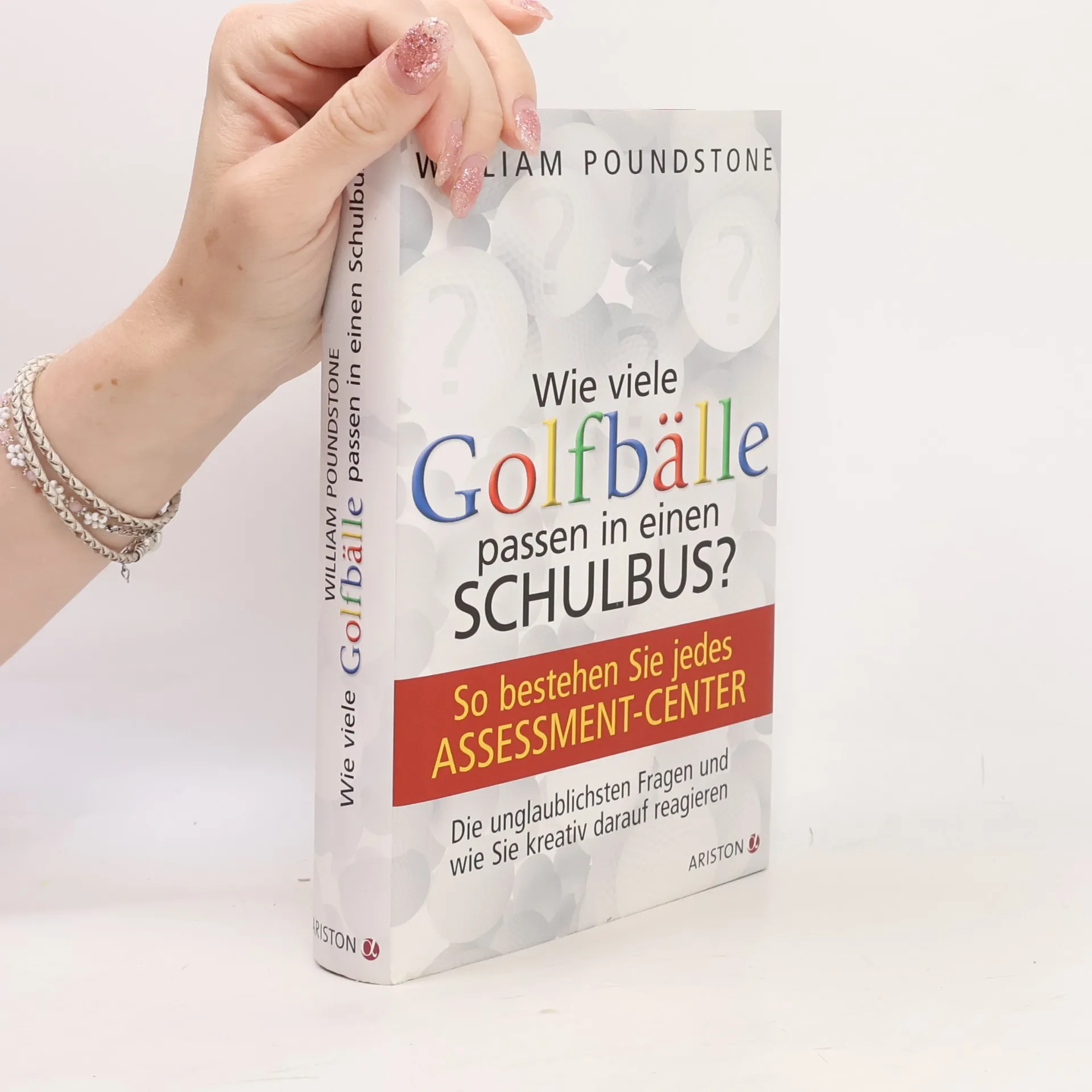
William Poundstone beleuchtet in seinem Buch die Herausforderungen von Assessment-Centern bei Top-Firmen wie Google und Apple. Er erklärt, welche Absichten hinter kniffligen Fragen stecken und bietet kreative Lösungsansätze. Mit Anekdoten aus Bewerbungsgesprächen zeigt er, wie man trotz Unwissenheit erfolgreich bestehen kann.
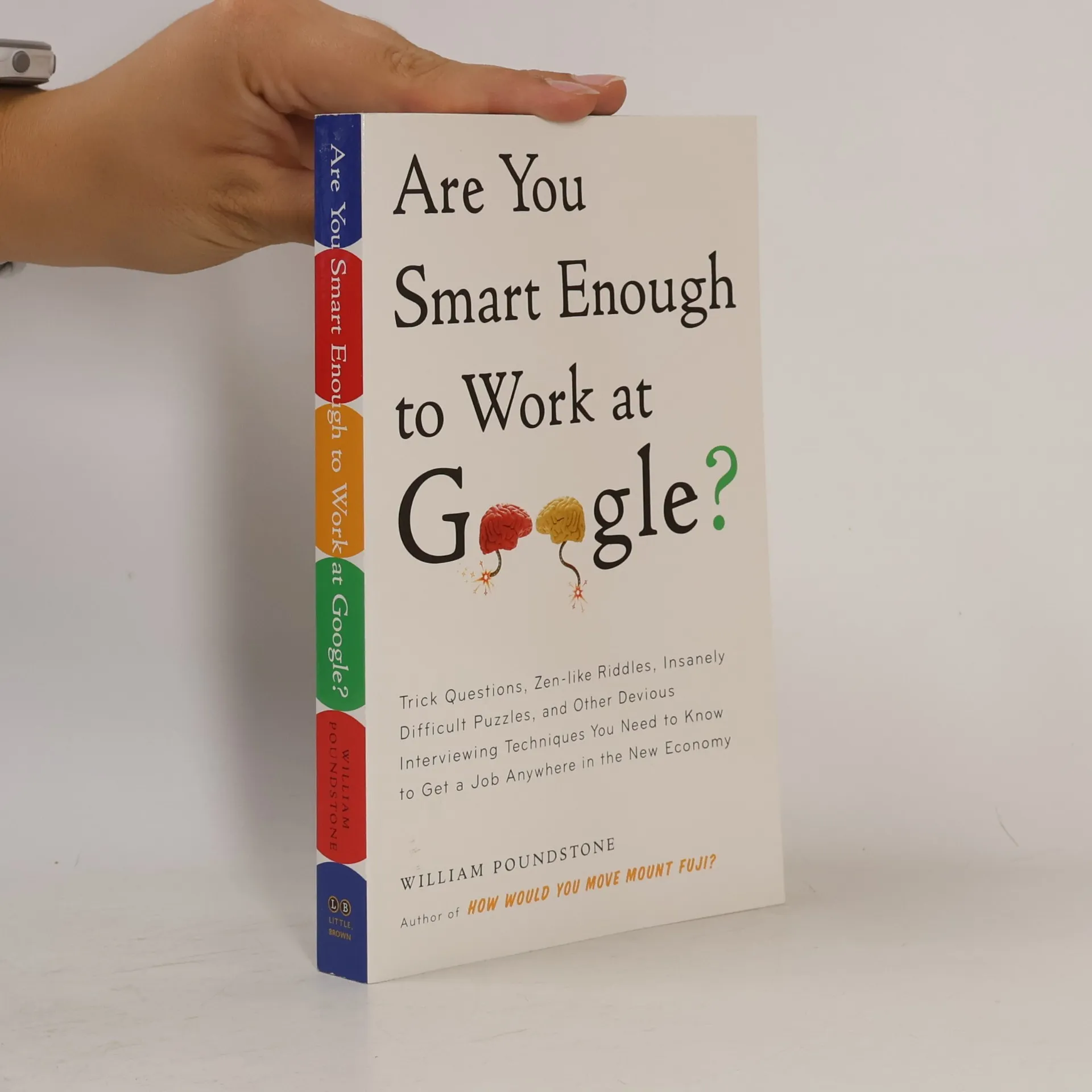
This book presents answers and solutions to some of the weirdest and most challenging interview questions and discusses the importance of creative thinking and how to beat your competition in today's job market. You are shrunk to the height of a nickel and thrown in a blender. The blades start moving in 60 seconds. What do you do? If you want to work at Google, or any of America's best companies, you need to have an answer to this and other puzzling questions. It guides readers through the surprising solutions to dozens of the most challenging interview questions. The book covers the importance of creative thinking, ways to get a leg up on the competition, what your Facebook page says about you, and much more.
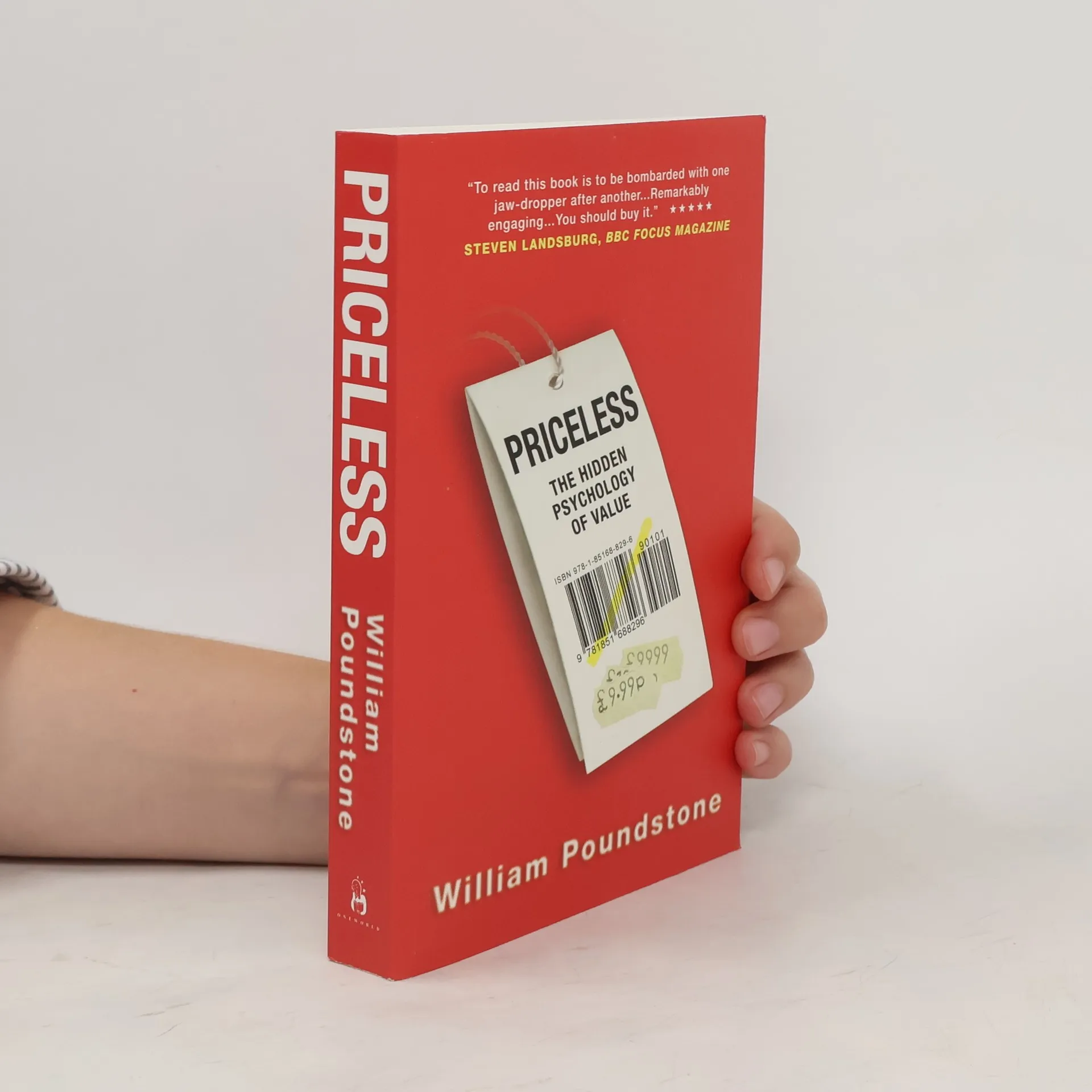
Revealing how everday pricing manipulates us.
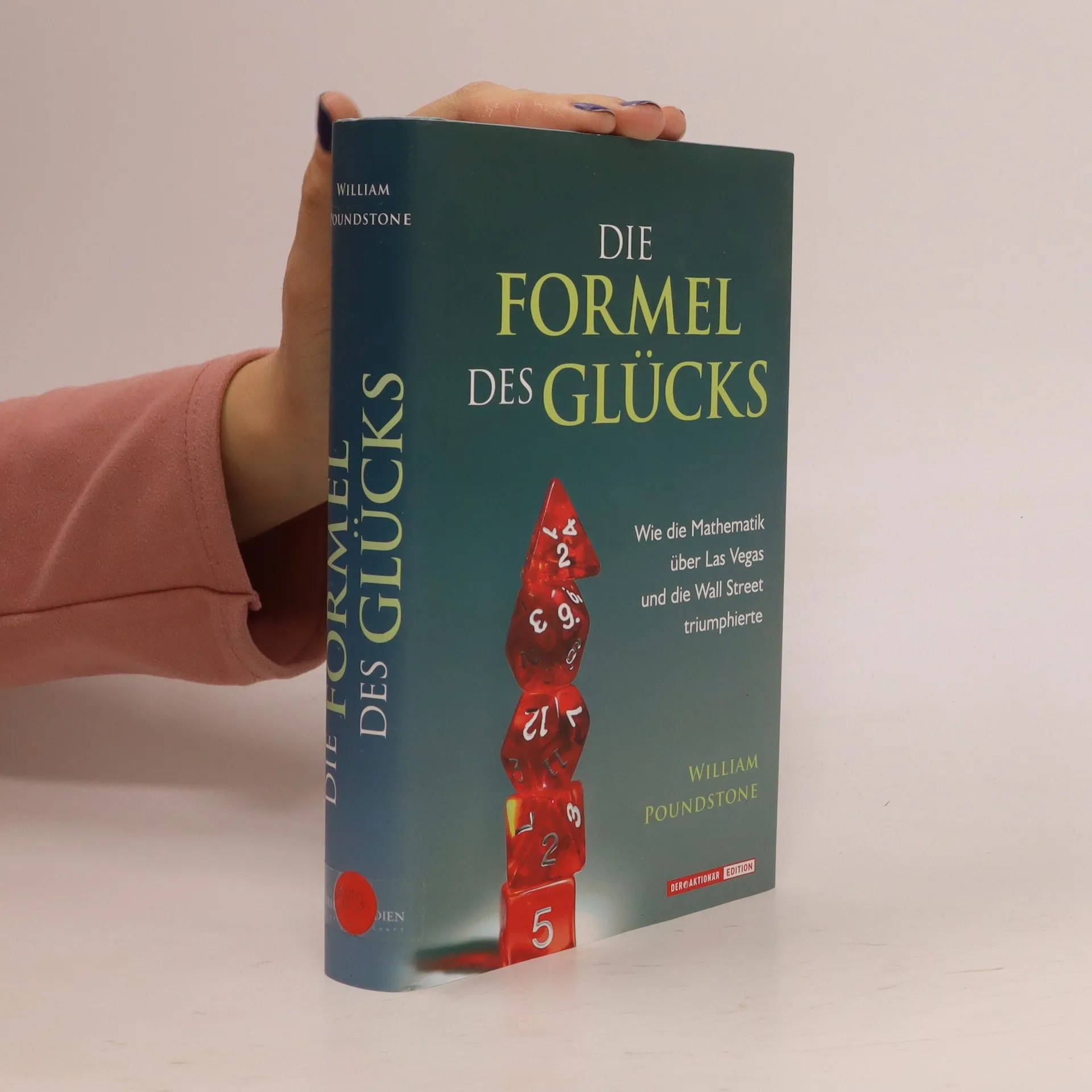
Mithilfe der Informationstheorie - Basis für Computer und Internet - entdeckten zwei US-Wissenschaftler, C. Shannon und J. L. Kelly Jr. 1956 die Formel für Reichtum. Shannon und ein Mathematiker, E. O. Thorp, testeten diese Formel in Las Vegas am Spieltisch und schließlich an der Börse - mit durchschlagendem Erfolg! Ihre Trades toppten selbst Warren Buffetts Performance. Casino und Börse - zwei Welten mit Parallelen. „Die Formel des Glücks“ erzählt von den Kontroversen, die die Kelly-Formel aufwarf, selbst als sie satte Gewinne in Wettbüros, an Spieltischen und der Börse brachte. Laut Shannon kann ein kluger Anleger den Markt schlagen. „Die Formel des Glücks“ belegt, dass er recht hat. Lassen Sie sich überzeugen und versuchen Sie Ihr Glück!
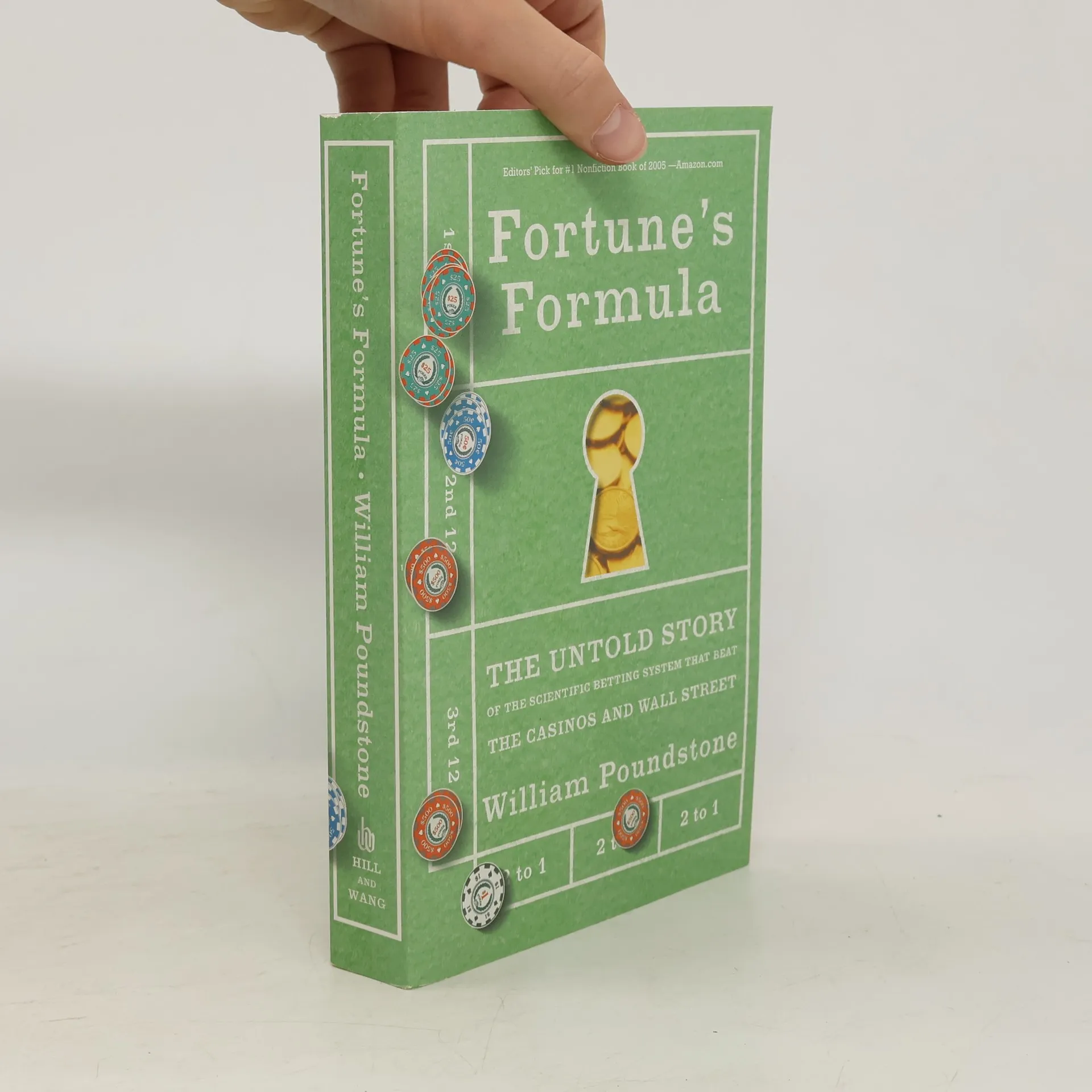
The Untold Story of the Scientific Betting System That Beat the Casinos and Wall Street
In 1956 two Bell Labs scientists discovered the scientific formula for getting rich. One was mathematician Claude Shannon, neurotic father of our digital age, whose genius is ranked with Einstein's. The other was John L. Kelly Jr., a Texas-born, gun-toting physicist. Together they applied the science of information theory—the basis of computers and the Internet—to the problem of making as much money as possible, as fast as possible.Shannon and MIT mathematician Edward O. Thorp took the "Kelly formula" to Las Vegas. It worked. They realized that there was even more money to be made in the stock market. Thorp used the Kelly system with his phenomenonally successful hedge fund, Princeton-Newport Partners. Shannon became a successful investor, too, topping even Warren Buffett's rate of return. Fortune's Formula traces how the Kelly formula sparked controversy even as it made fortunes at racetracks, casinos, and trading desks. It reveals the dark side of this alluring scheme, which is founded on exploiting an insider's edge.Shannon believed it was possible for a smart investor to beat the market—and Fortune's Formula will convince you that he was right.
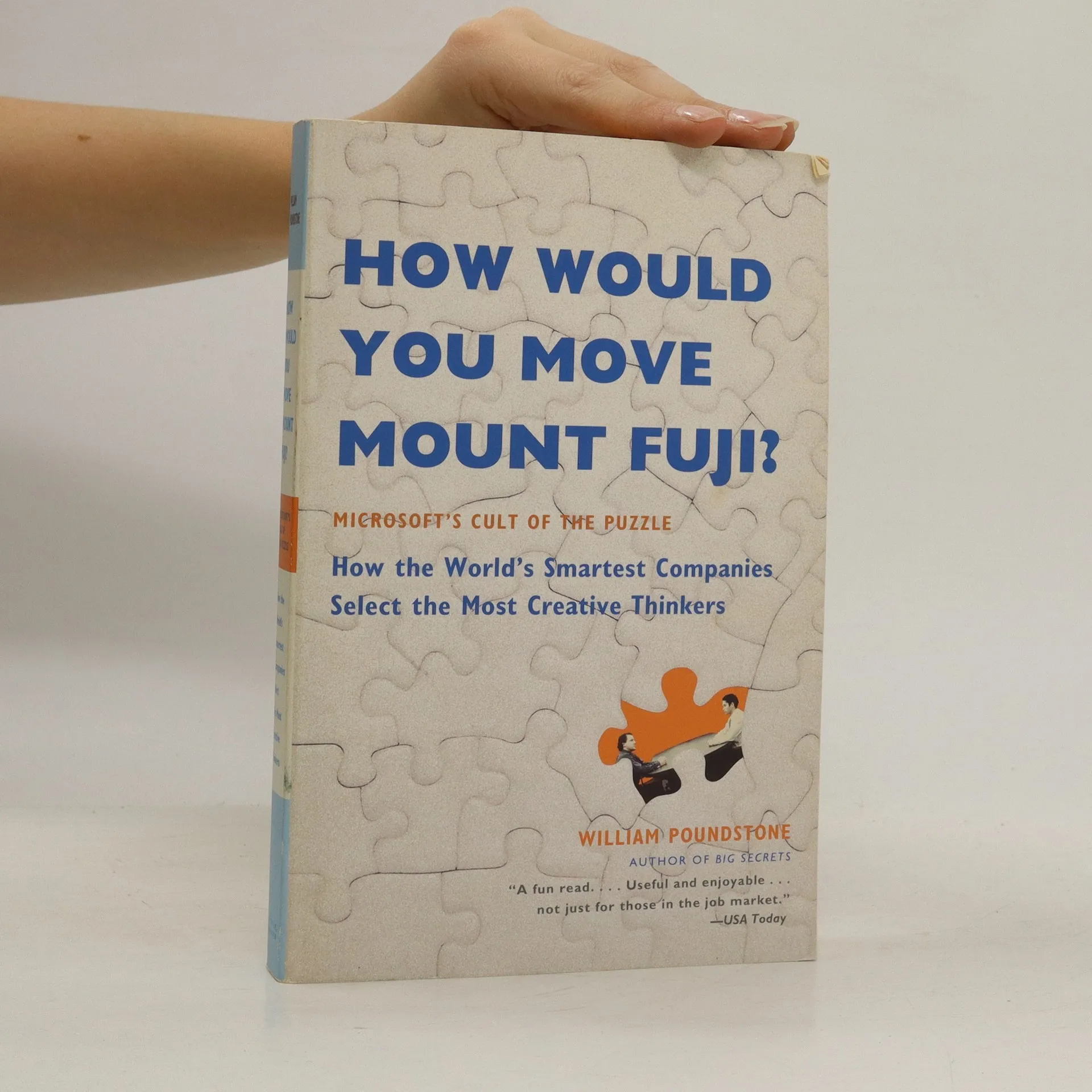
For years, high-tech companies like Microsoft have used riddles and logic puzzles in their challenging job interviews. This trend, known as "puzzle interviews," has spread from Wall Street to Silicon Valley, as employers seek to assess candidates' intelligence, creativity, and problem-solving skills—essential traits in today’s competitive global market. William Poundstone reveals the toughest questions posed by Microsoft and other Fortune 500 firms, along with their answers. He explores the rise and decline of IQ tests in hiring, Bill Gates's unique obsession with jigsaw puzzles, and the extreme tactics employed in Wall Street interviews, which have led to shocking incidents. Additionally, he highlights the peculiar practices of modern hiring managers, who might start interviews with Legos or even virtual games. This book serves as a crucial resource for business professionals. Managers will learn to effectively integrate puzzle interviews into their hiring processes, while job seekers will find strategies to tackle even the most challenging questions, giving them a competitive edge. For those intrigued by the prospect of engaging with the brightest minds in business, these puzzles offer both insight and entertainment.
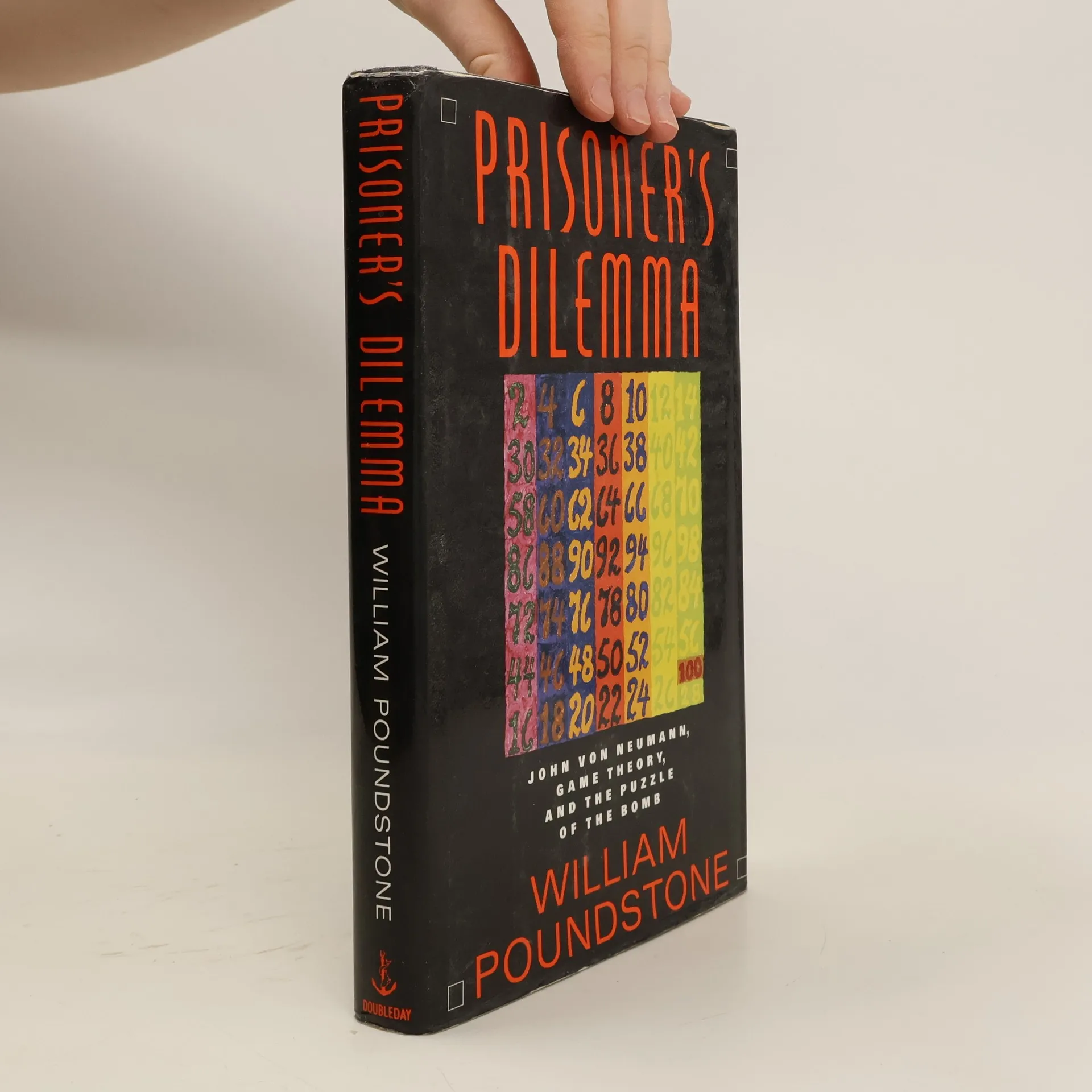
A fascinating biography of the dazzlingly brilliant Hungarian mathematician--considered by many to be the greatest genius of the 20th century--Prisoner's Dilemma tells the story of John Von Neumann, the inventor of the digital computer and key player in the invention of the atom bomb. Photographs.
Wenn Sie etwas übrig haben für geistreiche Gedankenexperimente und für philosophische Rätsel, dann sind Sie bei Poundstone goldrichtig.
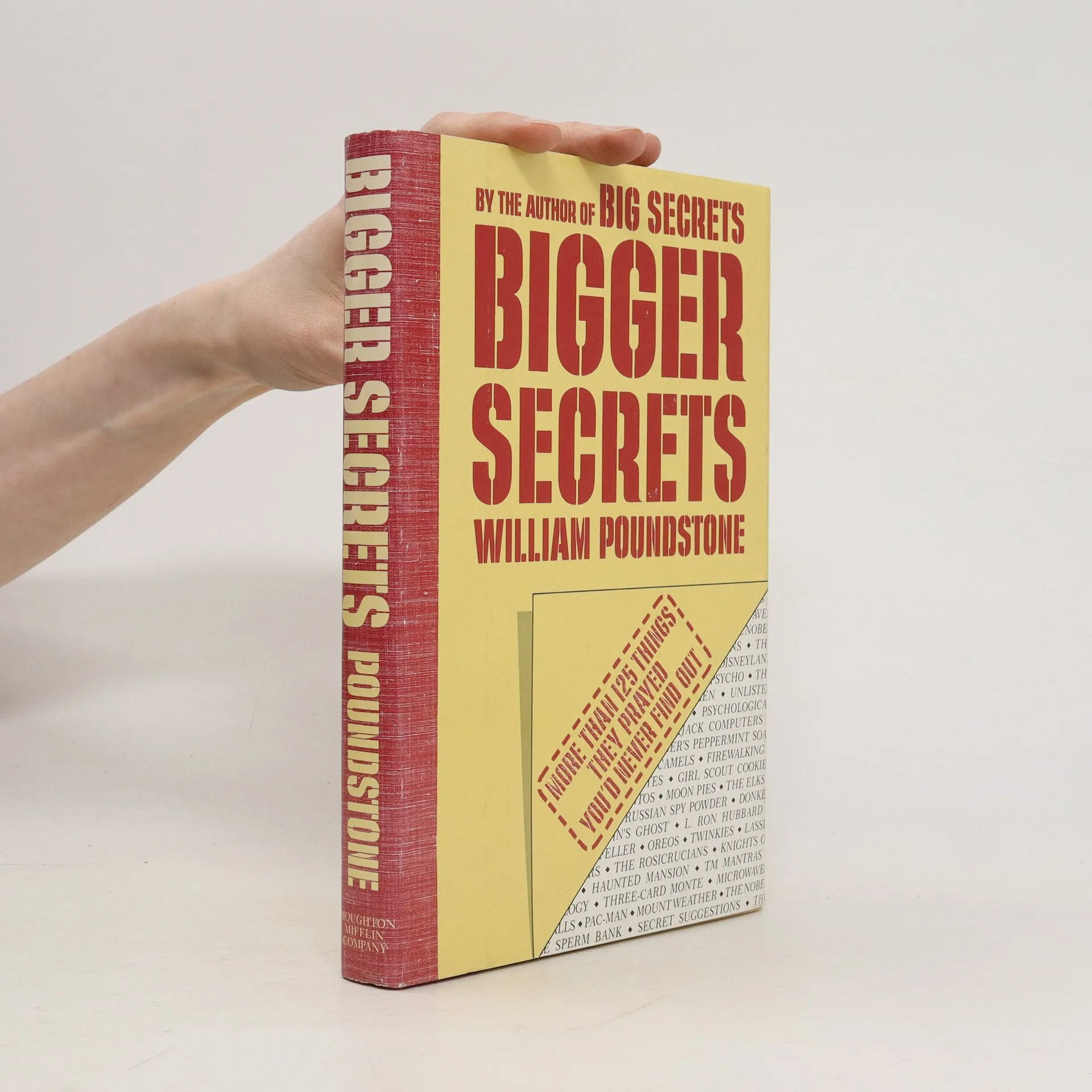
A remarkable compilation of inside information, confirming the uncensored truth about some of America's top secrets, from the important to the amusing. Follows the success of Poundstone's Big Secrets.
The uncensored truth about all sorts of stuff you are never supposed to know. Learn the answers to hundreds of questions such as . . . What's the best way to beat a lie detector test? What's really in Spam?, Coca-Cola, the secret recipe for Mrs. Field's Cookies? What's the meaning behind all those seemingly meaningless doodles of graffiti? What's the truth behind the rumor of Walt Disney being cryogebnically frozen and hidden in a secret vault benath Disneyland? . . . and many, many more.